
Using raymond mill for cement clinker for blended cement in tunisia
Introduction
The Tunisian cement industry has long been a cornerstone of the nation’s construction sector. Yet, in recent years, producers have faced mounting pressure. Energy costs are volatile. Raw material quality varies. And the demand for sustainable, high-performance blended cement is rising. For plant managers and technical directors, the question is no longer just about grinding clinker. It is about grinding it smarter, cheaper, and cleaner.
This article explores how Raymond mill technology, particularly modern iterations like the MTW European Trapezium Mill from LIMING, offers a pragmatic solution for Tunisian cement producers looking to optimize their blended cement operations. We discuss real-world grinding challenges, the specific benefits of roller mill systems, and why a Raymond-style approach remains relevant in an age of vertical mills and high-pressure grinding rolls.
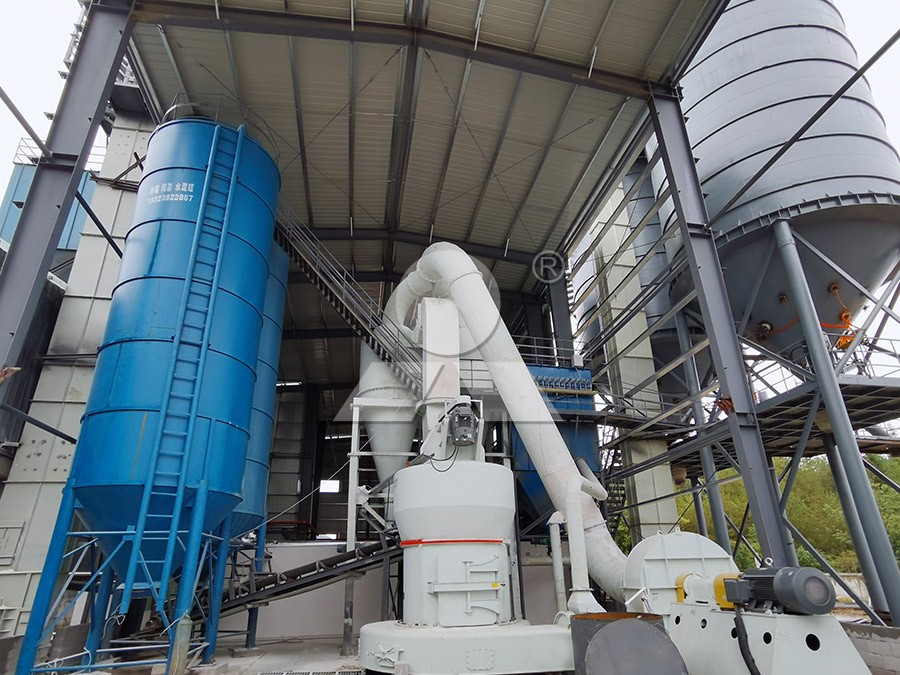
The Core Challenge: Grinding Cement Clinker for Blended Products
Blended cement, by definition, integrates supplementary cementitious materials (SCMs) like pozzolana, limestone, slag, or fly ash with ordinary Portland cement clinker. In Tunisia, natural pozzolana from regions like Cap Bon and Jebel Oust is widely used. The problem? These materials behave very differently under mechanical stress.
Clinker is hard and abrasive. Pozzolana is porous and often moist. Limestone is soft but can cake. Grinding them together in a single pass to a consistent Blaine fineness (typically 3500-4500 cm²/g for blended cement) requires a machine that can handle variable feed characteristics without sacrificing throughput or power efficiency. Traditional ball mills, while robust, are energy hogs. A typical ball mill circuit might consume 35-40 kWh per ton of cement. That eats directly into margins.
This is where Raymond mill technology, specifically the cambered shovel blade and roller-ring grinding principle, provides a distinct advantage. The primary grinding mechanism relies on centrifugal force rather than impact. This allows for a more energy-efficient transfer of power to the material.
Why Raymond Mill Makes Sense for Blended Cement in Tunisia
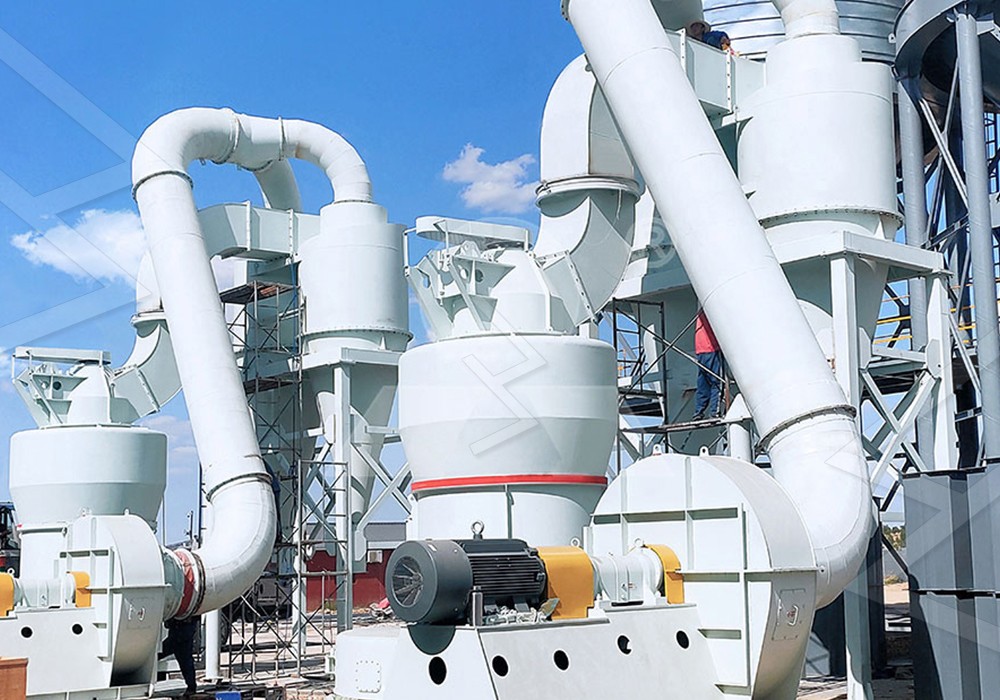
When we talk about a Raymond mill in this context, we are not referring to the century-old design. We are talking about modern European-style mills, such as the MTW European Trapezium Mill (Capacity: 3-55 tph, Input: 0-50 mm) and the MTW-Z Series (Capacity: 3-55 tph, Input: 0-50 mm). These machines retain the classic Raymond roller concept but incorporate significant engineering upgrades.
Here is why they work for the Tunisian market:
- Lower Energy Consumption: The MTW mill uses a cambered air duct and low-resistance powder concentrator. Compared to a ball mill, energy savings of 30-40% are achievable. For a plant running 16 hours a day, this represents a massive reduction in operational expenditure.
- Handling Moisture: Tunisian pozzolana can arrive at the mill with surface moisture of 5-8%. The MTW mill’s internal hot air flow and efficient ventilation handle this without blocking the grinding chamber. The shovel blade-less cylinder design increases the ventilation area, reducing air-conveying resistance.
- Consistent Fineness: The cage-type powder concentrator allows for precise separation. Operators can adjust the fineness module rapidly. This is critical when switching between a CEM II/A-L (limestone) and a CEM II/B-P (pozzolanic) recipe.
- Wear Life: The grinding rollers and rings in the MTW series are made from wear-resistant alloy. Their service life is 1.7 to 2.5 times longer than traditional high-manganese steel parts. In an abrasive clinker environment, this translates to fewer shutdowns for roller replacement.
Operational Reality: Installing and Running the Mill
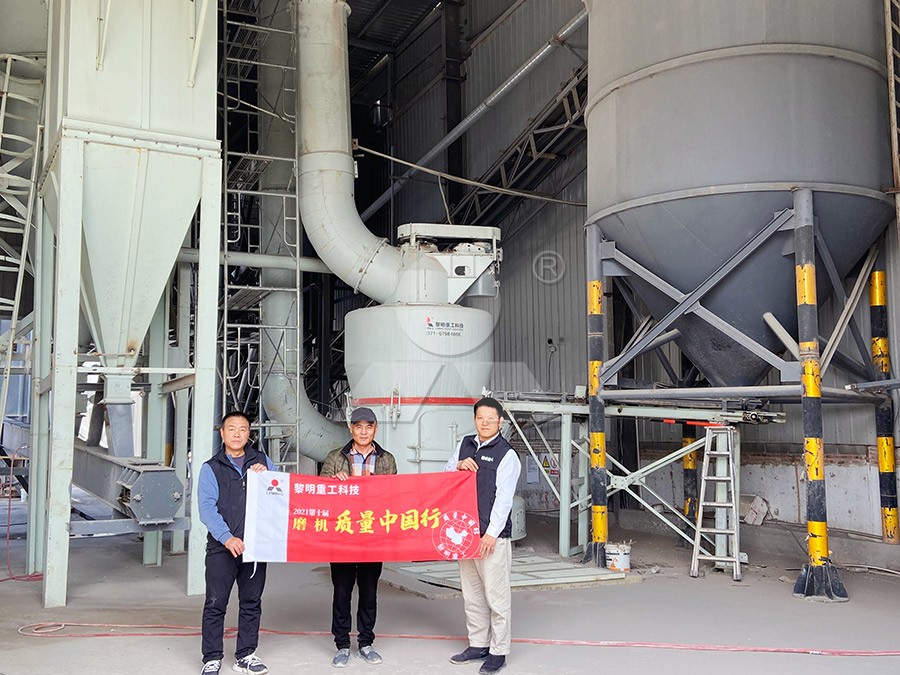
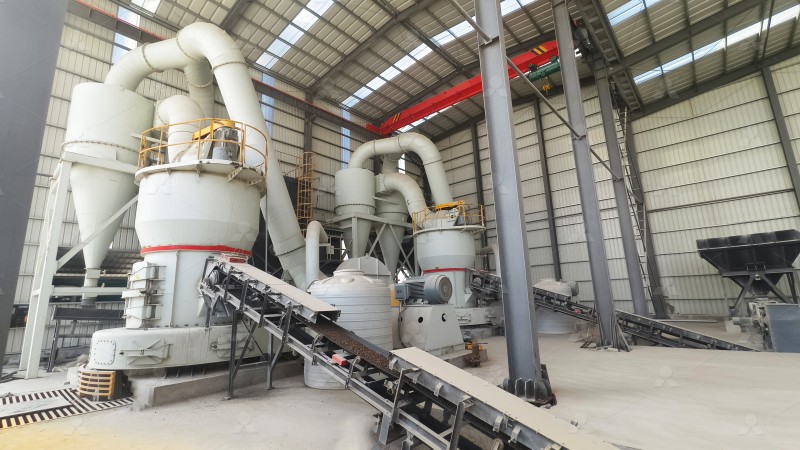
Let us talk about installation. A typical Raymond mill system has a smaller footprint than a ball mill circuit. For brownfield projects in Tunisia, where space is often constrained within existing plant boundaries, this is a significant benefit. The MTW mill can be arranged outdoors. The civil engineering costs are lower.
The working principle is straightforward. Clinker, gypsum, and SCMs are crushed to below 50 mm by a jaw crusher. They are then fed into the mill via a vibrating feeder. Inside, the grinding roller swings outward under centrifugal force, pressing against the stationary grinding ring. The material is crushed and ground between these two surfaces. The rising air stream carries the fine particles to the separator. Coarse particles fall back for re-grinding.
A practical tip for Tunisian operators: watch the feed moisture. If your pozzolana is too wet, install a small flash dryer upstream. The mill can handle drying, but reducing the thermal load on the mill chamber extends the life of the bag filter and reduces the risk of material packing on the grinding ring.
Product Recommendation: Meeting Specific Throughput Needs
For a typical Tunisian grinding station looking to produce 20-30 tons per hour of blended cement, we recommend evaluating the MTW European Trapezium Grinding Mill. Its bevel gear transmission ensures high torque efficiency. The dilute oil lubrication system on the grinding roller makes maintenance simple—no frequent greasing required. This suits the average shift supervisor who needs reliable uptime.
For operations requiring ultra-fine SCM grinding (for example, grinding slag or limestone to 600-800 m²/kg for high-performance concrete), the LUM Ultrafine Vertical Grinding Mill (Capacity: 5-18 tph) is a superior choice. Although its throughput is lower, it achieves a d97≤5μm finish with a multi-head powder separator, ensuring the whiteness and quality demanded by specialty markets.
We always suggest starting with a material test. LIMING has a test station where we simulate your specific clinker and pozzolana mix. This removes the guesswork from the grinding curve design.
Maintenance and Spare Parts: Avoiding Downtime
One concern we hear from Tunisian clients is the availability of spare parts. LIMING addresses this directly. We maintain a stock of core components—roller shells, grinding rings, shovel blades, and bearing assemblies—for the MTW and Raymond series. Our business covers both production and sales. We take responsibility for every machine we build.
The digitalized processing of our parts, using CNC machine tools for cutting, planing, and milling, ensures interchangeability. You do not have to remachine a part to make it fit. This precision reduces downtime during unscheduled maintenance.
Furthermore, the MTW mill features an elastic volute damping structure. This directly absorbs the vibration caused by hard clinker particles. It stops the machine from shaking itself apart. It also prevents the central engine and powder concentrator from cracking—a common problem in older mill designs when running abrasive feed.
Conclusion: A Practical Path Forward
Using a Raymond mill for cement clinker in a blended cement plant in Tunisia is not a step backward. It is a practical, cost-effective choice. The modern MTW and Raymond mills offer the low energy consumption, high reliability, and precise product control needed to compete in today’s market. They bridge the gap between the high investment of a vertical roller mill and the high energy cost of a ball mill.
If you are evaluating a new grinding line or upgrading an old one, look beyond the brand names. Look at the specific engineering: the cambered air ducts, the wear life of the rollers, the ease of taking the machine offline for maintenance. That is where the real value lies.
Frequently Asked Questions (FAQ)
1. Can a Raymond mill grind cement clinker to a fineness suitable for blended cement (CEM II)?
Yes. Modern Raymond mills like the MTW series can easily achieve Blaine fineness between 3500 and 4500 cm²/g. The cage-type powder separator allows precise adjustment to meet the fineness requirements of CEM II/A and CEM II/B cements.
2. How does the energy consumption of a Raymond mill compare to a ball mill for clinker grinding?
A typical Raymond mill (MTW series) consumes 30-40% less energy than a traditional ball mill for the same throughput and fineness. This is due to the efficient grinding mechanism and low-resistance internal air flow.
3. What is the maximum input moisture the mill can handle?
The system can handle feed moisture up to 6-8% when using a hot air generator. If the moisture is higher, we recommend a pre-drying step to prevent material packing inside the grinding chamber.
4. How difficult is it to replace the grinding rollers?
It is straightforward. The MTW mill is designed for maintenance. The grinding roller assembly can be lifted out using a simple hoist. The split structure of some vulnerable parts also speeds up replacement. A trained team can change a roller set in under 8 hours.
5. Is the Raymond mill suitable for slag grinding in blended cement?
Yes, but with a caveat. For pure slag grinding to very high fineness (above 5000 cm²/g), the LUM Ultrafine Vertical Grinding Mill is more effective. However, for grinding blends of clinker and slag (e.g., CEM III), the Raymond mill works very well, especially when the slag content is below 40%.
6. What is the typical maintenance interval for the grinding ring?
This depends on the abrasiveness of the feed. For standard clinker grinding, the grinding ring and roller shell typically last 6,000 to 8,000 operating hours before needing replacement. Using high-chrome alloy parts extends this interval.
7. Does LIMING provide on-site commissioning support in Tunisia?
Yes. LIMING offers technical services globally. Our engineers can supervise installation, provide commissioning support, and train your local operators on-site to ensure the mill runs at optimal parameters from the start.