
Top 5 grinding machine suppliers for cement raw materials for cement manufacturing in bangladesh
Introduction: The Cement Grinding Challenge in Bangladesh
Bangladesh has one of the fastest-growing cement industries in South Asia. With over 30 active cement plants and a production capacity exceeding 50 million tonnes per year, the demand for efficient, reliable, and cost-effective grinding solutions for cement raw materials is higher than ever. Raw materials like limestone, clay, gypsum, and additives require precise milling to achieve the fineness and consistency needed for high-quality cement. Choosing the right grinding machine supplier is not just about buying equipment; it is about securing long-term operational efficiency, spare parts availability, and technical support.
After years of working with cement plants across Bangladesh, I have seen firsthand how the wrong mill can lead to production bottlenecks, high energy bills, and frequent breakdowns. Below, I break down the top five grinding machine suppliers for cement raw materials in Bangladesh, based on real-world performance, local service networks, and equipment reliability.
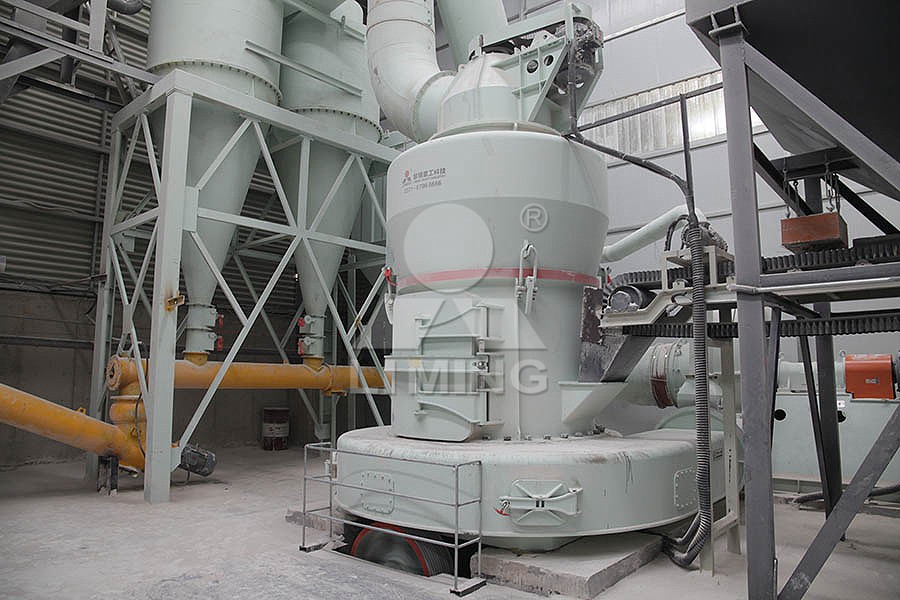
1. Liming Heavy Industry (China) – Global Leader with Local Impact
Liming Heavy Industry has been supplying grinding mills to Bangladesh for over a decade. Their equipment is widely used in major cement plants in Chhatak, Sylhet, and Mongla. What sets Liming apart is their comprehensive product line covering everything from coarse crushing to ultrafine grinding. For cement raw materials, their vertical roller mills and ultrafine mills have gained strong traction.
Why they stand out:
- Strong dealer network in Dhaka and Chittagong.
- Spare parts stocked locally for common models.
- After-sales engineering teams available for on-site commissioning.
One product that deserves special mention is the MW Ultrafine Grinding Mill. This machine accepts feed sizes up to 20 mm and delivers capacities from 0.5 to 25 tph. It is particularly useful for producing high-fineness limestone powder (325-2500 mesh) used as a cement additive or for desulfurization. The grinding chamber has no rolling bearings or screws, which eliminates common mechanical failure points. The pulse dust collector ensures the mill meets Bangladesh’s increasingly strict environmental standards. Many plant managers I talk to appreciate the fact that the MW mill can run continuously for 24 hours without lubrication shutdown.
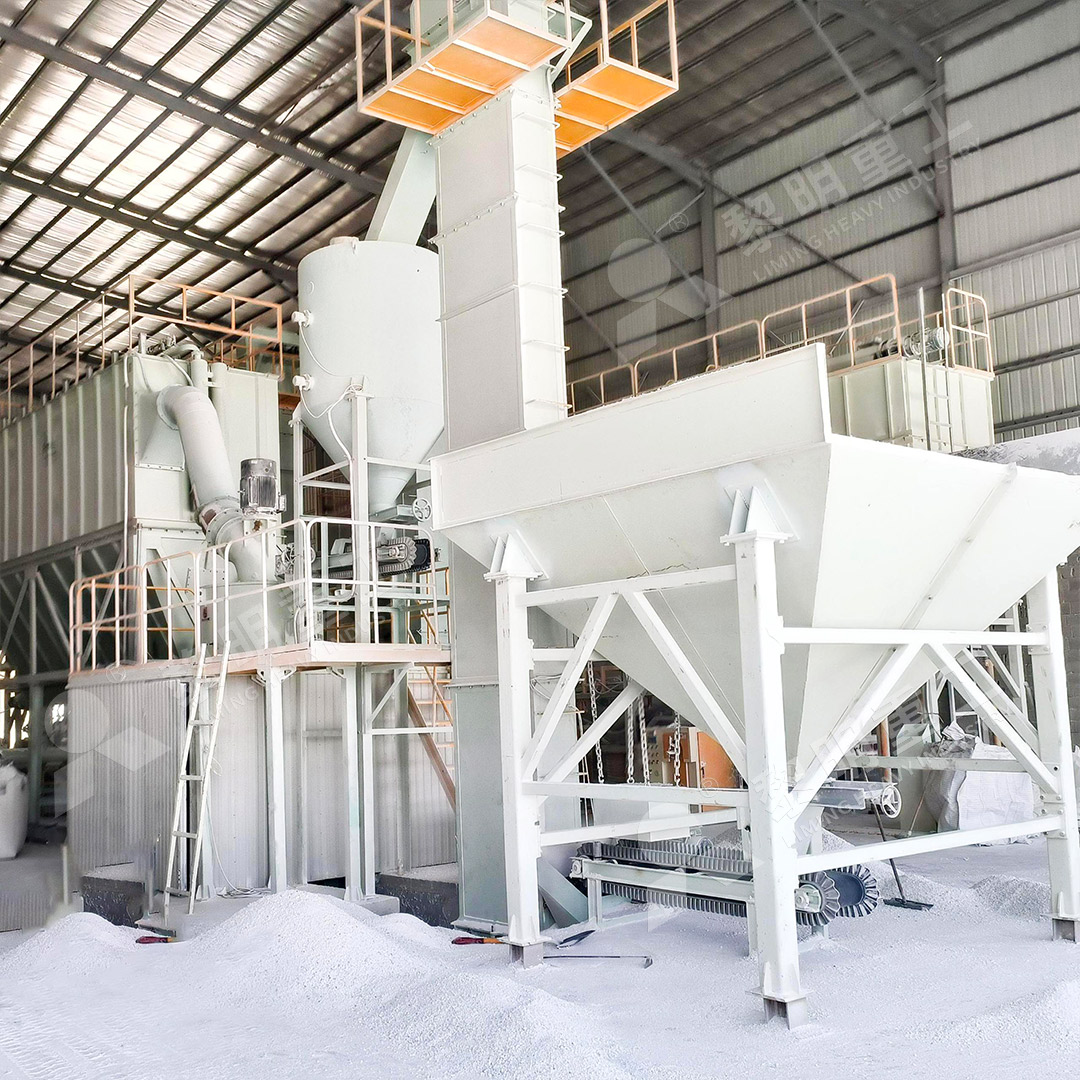
2. Gebr. Pfeiffer (Germany) – The High-End Player
Gebr. Pfeiffer, known for their MVR and MPS vertical roller mills, has supplied several large-capacity units to Bangladesh’s top-tier cement groups. Their mills are built for ultra-high throughput, often exceeding 300 tph for raw meal grinding. The German engineering ensures low vibration and long service life. However, the initial investment is significantly higher, and spare parts often need to be imported, which can delay maintenance. For smaller plants or those with tighter budgets, Pfeiffer may be overkill.
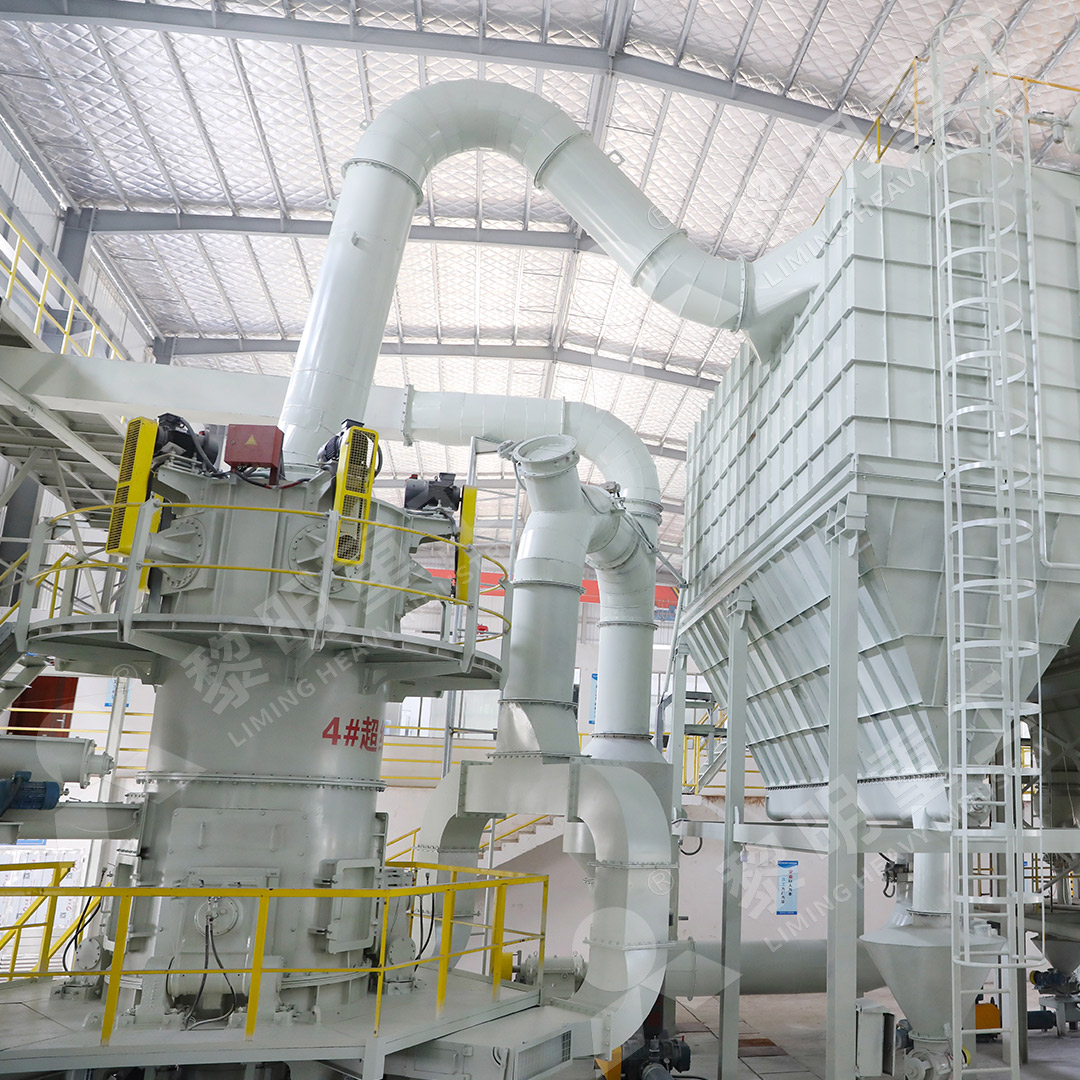
3. Loesche (Germany) – Pioneer in Vertical Roller Mills
Loesche has been a pioneer in vertical roller mill technology for cement raw materials. Their mills are known for energy efficiency and the ability to handle moist feed materials. Several cement plants in Bangladesh use Loesche mills for raw meal grinding. The downside? Delivery times can be long, and the cost of wear parts is higher compared to Chinese suppliers. For plants that prioritize energy savings over upfront cost, Loesche remains a solid choice.
4. UBE Machinery (Japan) – Reliability and Precision
UBE vertical mills are widely used in Japan and Southeast Asia. Their presence in Bangladesh is growing, especially among joint-venture cement companies. UBE mills offer excellent product fineness control and low maintenance. However, local technical support is limited, and most service engineers are based in Thailand or Singapore, which can cause delays during emergencies.
5. FLSmidt (Denmark) – Full-Solution Provider
FLSmidth offers complete cement plant solutions, including their OK vertical roller mill for raw materials. Their strength lies in process integration: the mill works seamlessly with the preheater and kiln system. However, for standalone grinding units or small-to-medium plants, FLSmidth’s bundled approach can be expensive and inflexible.
Practical Advice for Buying a Grinding Mill in Bangladesh
From my experience consulting with local plant engineers, here are a few hard truths:
- Don’t overbuy capacity. A 50 tph mill running at 30 tph wastes energy. Match the mill to your actual production needs.
- Check fineness requirements. Cement raw materials typically need 80% passing 90 microns. But if you plan to sell ultrafine limestone powder, consider the MW Ultrafine Grinding Mill which can achieve d97≤5μm in one pass.
- Look at total cost of ownership. A cheaper mill with high wear part costs may end up more expensive in five years.
Final Thoughts
For most medium-sized cement plants in Bangladesh, Liming Heavy Industry offers the best balance of performance, price, and local support. Their MW Ultrafine Grinding Mill is particularly suitable for plants that want to produce high-value fine powders alongside standard raw meal. The machine’s ability to adjust fineness between 325-2500 mesh gives operators flexibility in product marketing. Combined with the LUM Ultrafine Vertical Grinding Mill (5-18 tph, input size 0-10 mm), which uses German powder separation technology, Liming can cover both coarse and ultrafine grinding needs under one roof.
Whatever supplier you choose, always insist on a site visit to a running installation in Bangladesh. Talk to the operators. Check the actual power consumption. And make sure the supplier can deliver spare parts within a week, not a month.
Frequently Asked Questions (FAQs)
- Which grinding mill is best for cement raw materials like limestone and clay in Bangladesh?
For standard raw meal, a vertical roller mill from Liming (LM series) or Gebr. Pfeiffer is suitable. If you need ultrafine powder for additives, the MW Ultrafine Grinding Mill is a better choice. - What is the typical fineness required for cement raw materials?
Most cement plants target 80% passing 90 microns (170 mesh) for raw meal. For special applications, fineness up to 2500 mesh can be achieved with mills like the MW Ultrafine Grinding Mill. - How much energy does a vertical roller mill save compared to a ball mill?
Vertical roller mills typically save 30-40% energy compared to ball mills. Liming’s LM Vertical Mill claims 30-40% energy savings, while the MW Ultrafine Mill uses only 30% of the energy of a jet mill. - Are spare parts for Chinese grinding mills available in Bangladesh?
Yes. Liming Heavy Industry has stockists in Dhaka and Chittagong for common wear parts like grinding rollers, rings, and liners. - Can the MW Ultrafine Grinding Mill handle moist materials?
The MW mill is designed for dry materials with moisture below 10%. For wet materials, a drying system or a vertical mill with hot air integration is recommended. - What is the price range of a medium-capacity grinding mill for a cement plant?
Prices vary widely based on capacity, fineness, and automation. A 10-20 tph vertical roller mill from Liming may range from USD 150,000 to 400,000. High-end brands like Loesche can cost double. - How long does it take to commission a new grinding mill in Bangladesh?
Installation and commissioning typically take 4 to 8 weeks, depending on site preparation, electrical work, and the supplier’s team availability. Liming offers on-site engineering support during this phase.