
Advanced grinding equipment grinding limestone for cement production production in malaysia
Introduction: The Malaysian Cement Industry and the Need for Advanced Grinding
Malaysia’s cement industry is a cornerstone of its infrastructure and construction sectors. With ongoing mega-projects and a steady demand for housing and commercial spaces, the need for high-quality cement has never been greater. A critical step in cement production is the grinding of limestone, the primary raw material. For years, operators have relied on traditional ball mills. However, the landscape is shifting. Rising energy costs, stricter environmental regulations, and the demand for higher fineness and productivity are pushing plant managers to explore advanced grinding equipment. This article delves into the specific challenges of grinding limestone for cement in Malaysia and presents modern solutions that deliver tangible returns on investment.
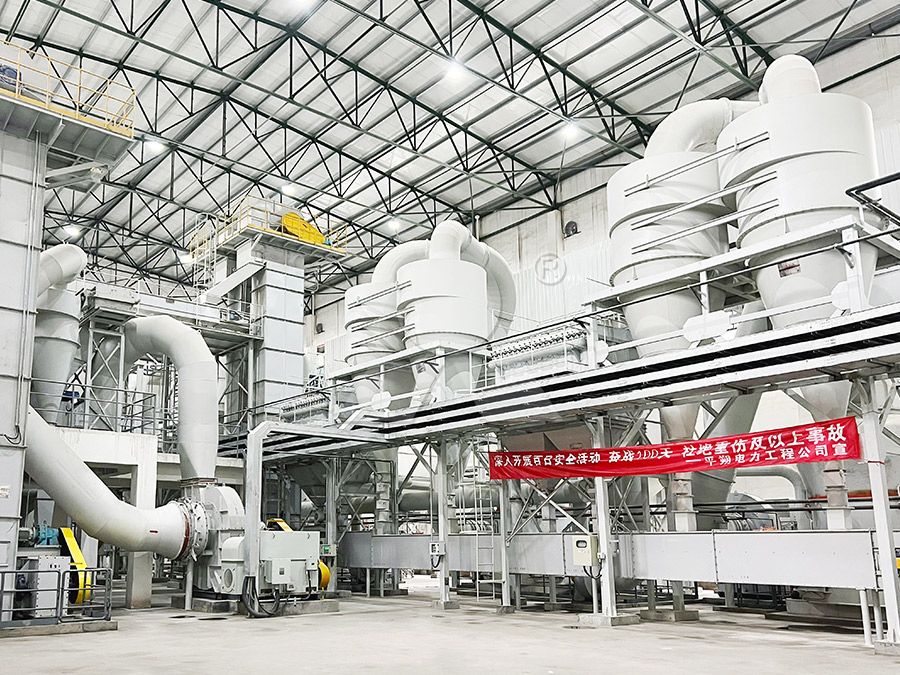
Why Upgrade from Traditional Mills?
The classic ball mill has served the industry well, but its limitations are becoming increasingly apparent. In the context of Malaysian operations, several factors make the switch to advanced mills a strategic decision:
- Energy Consumption: Ball mills are notoriously power-hungry. In a country where industrial electricity tariffs are a significant operational cost, reducing energy usage by 30% to 50% is not just an environmental goal; it is a financial necessity.
- Fineness and Quality: Modern cement standards, particularly for high-grade applications, often require a fineness of 325 mesh or higher. Traditional mills struggle to achieve these levels efficiently.
- Environmental Compliance: Malaysian environmental standards are becoming more stringent. Older mills often lack the integrated dust collection systems needed to meet these regulations without costly retrofits.
- Footprint: Space is often at a premium in existing plants. Advanced vertical roller mills (VRMs) have a significantly smaller footprint than ball mills, allowing for easier integration into existing layouts.
Selecting the Right Technology for Limestone Grinding
Not all grinding mills are created equal. The choice depends heavily on the desired output fineness, capacity requirements, and the specific characteristics of the limestone feedstock. For cement production, two main categories dominate: equipment for ultra-fine powder and equipment for standard raw meal grinding.
1. The Case for Ultra-Fine Grinding in Cement Additives
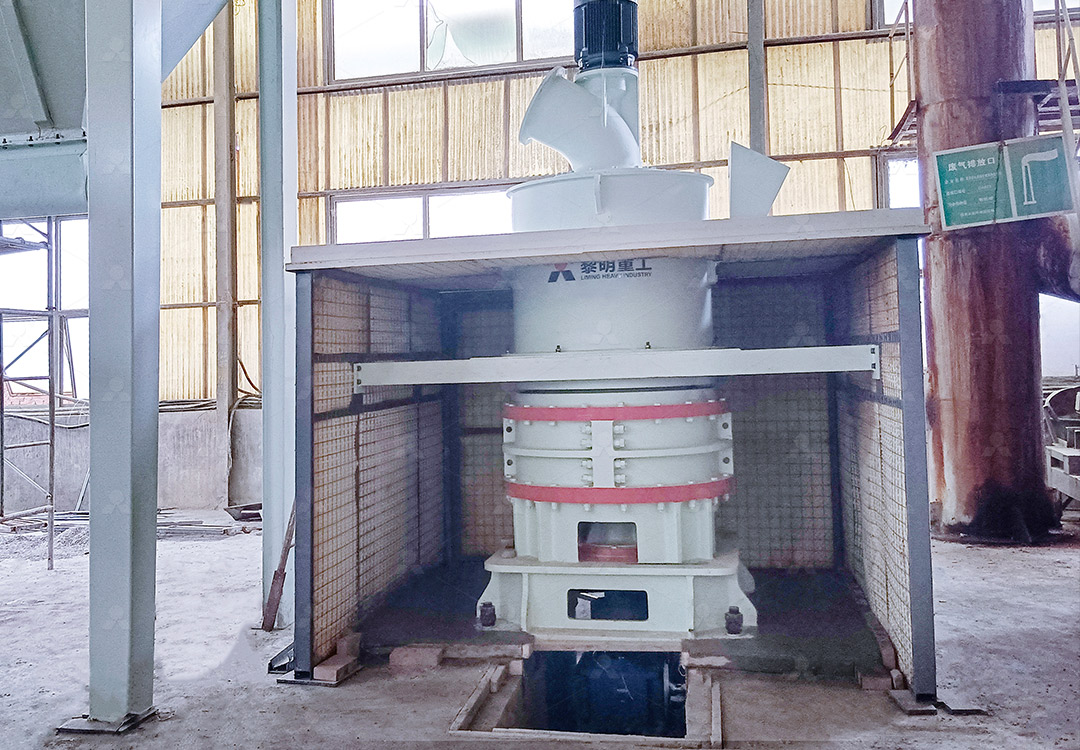
While limestone for clinker production typically goes through a raw mill, there is a growing trend towards using ultra-fine limestone powder as a cement additive. This practice allows producers to increase cement output, reduce clinker factor, and improve concrete workability. For this application, precision and high surface area are paramount. This is where specialized ultra-fine mills come into their own. One standout solution is the MW Ultrafine Grinding Mill. Designed for the demanding task of producing powder between 325 and 2500 mesh, it is a game-changer for producing high-quality additives. Its key advantage is the elimination of rolling bearings and screws in the grinding chamber, which are common failure points in other mills, ensuring 24-hour continuous operation crucial for Malaysian plants running round-the-clock shifts.
2. Maximizing Raw Meal Production Efficiency
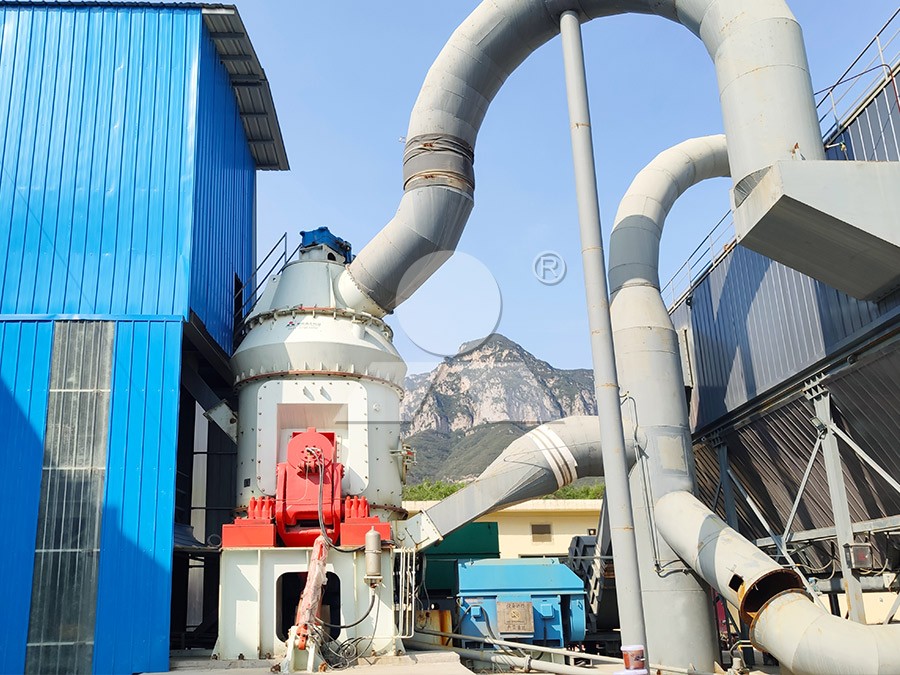
For the primary task of grinding raw limestone into raw meal for the kiln, high capacity and energy efficiency are the primary drivers. The LM Vertical Grinding Mill is specifically engineered for this heavy-duty work. With an input size capacity of up to 70mm and throughput ranging from 3 to 340 tph, it handles the coarse nature of primary crushed limestone with ease. The mill integrates crushing, drying, grinding, and classifying into a single unit. This vertical, compact design reduces the occupational area by 50% compared to a traditional ball mill system, a significant advantage for plants looking to modernize without expanding their physical footprint. Furthermore, the short grinding time minimizes iron contamination, directly preserving the whiteness and purity of the final cement product—a critical quality parameter for the Malaysian market.
Operational Realities in the Malaysian Context
Adopting advanced technology is only half the battle. Successful implementation requires understanding local operational realities. Malaysian plants often face challenges related to the high moisture content of locally sourced limestone, especially during the monsoon season. Advanced mills like the LM Vertical Mill are designed with superior drying capacity, utilizing hot gases from the kiln to dry the material during the grinding process. Additionally, the high degree of automation in these mills is a boon for managing local labor availability and skill sets. With touch-screen PLC controls and remote monitoring, operators can manage complex grinding circuits with reduced manual intervention, improving consistency and safety.
Maintenance is another critical factor. The advanced wear-resistant materials used in the grinding rollers and tables of mills like the LM series offer a service life 1.7 to 2.5 times longer than traditional options. Combined with reversible structures that allow for quick roller changes, this minimizes costly downtime, a critical advantage in a high-demand market like Malaysia.
Conclusion: A Strategic Investment for the Future
The landscape of cement production in Malaysia is evolving. To remain competitive, producers must look beyond the status quo. Investing in advanced grinding equipment is not merely a capital expenditure; it is a strategic move towards greater efficiency, higher product quality, and environmental stewardship. Whether the goal is to produce high-value ultra-fine additives with the MW Ultrafine Grinding Mill or to maximize raw meal grinding efficiency with the robust LM Vertical Grinding Mill, the technology is available to meet these demands. By making the switch, Malaysian cement producers can significantly lower their cost per ton, ensure compliance with regulations, and produce a superior product for the nation’s growing infrastructure.
Frequently Asked Questions (FAQ)
- What is the typical power consumption reduction when switching from a ball mill to an LM Vertical Mill for limestone grinding?
Typically, a vertical mill can save 30% to 40% in energy consumption compared to a traditional ball mill system for the same application. This is due to its more efficient grinding principle and the elimination of the ball mill’s low-efficiency impact and attrition mechanisms. - Can the MW Ultrafine Grinding Mill handle Malaysian limestone which often has high moisture content?
While the MW mill is primarily designed for dry grinding, it can handle materials with a certain moisture level. For very high moisture, a separate drying step or the use of a mill with integrated drying, like the LM Vertical Mill, is recommended. The MW mill is best suited for processed, dry limestone feed (typically 0-20mm). - What is the maximum fineness achievable for limestone cement additive with the MW Ultrafine Mill?
The MW Ultrafine Grinding Mill can produce limestone powder with a fineness adjustable between 325 and 2500 mesh (which corresponds to 45 microns down to approximately 5 microns). The screening rate can achieve d97≤5μm once, making it ideal for high-performance cement additives. - How often do the grinding rollers and rings need to be replaced on a vertical mill processing limestone?
The lifespan depends on the abrasiveness of the limestone and the hours of operation. However, using the high-chrome wear-resistant alloys, the service life of the rollers and rings is typically 1.7 to 2.5 times longer than standard high-manganese steel. Many users report changing these parts every 12 to 18 months under normal operating conditions. - Is training required for local operators to manage the advanced PLC control systems on these mills?
Yes, a standard part of our commissioning process includes comprehensive on-site training for your operators. The PLC systems, while advanced, are designed with user-friendly interfaces and intuitive controls. The training covers startup, shutdown, parameter adjustment, alarm handling, and routine maintenance procedures. - What is the warranty period for a new LM Vertical Grinding Mill installed in Malaysia?
We offer a standard 12-month warranty from the date of commissioning or 18 months from the date of shipment, whichever comes first. This covers defects in materials and workmanship. Extended warranty and service contracts are also available to ensure worry-free operation. - Can the grinding mill system be automated to integrate with an existing plant’s DCS (Distributed Control System)?
Absolutely. Our systems are designed with standard communication protocols (e.g., Modbus, Profibus) to allow seamless integration with existing DCS systems. This enables centralized control and data logging for the entire plant operation.