
Top 5 raymond mill suppliers for kaolin for paper coating in malaysia
Introduction
Malaysia’s paper coating industry has seen steady growth over the past decade, driven by increasing demand for high-quality printing and packaging materials. Kaolin, a naturally occurring clay mineral, is a critical ingredient in paper coating due to its ability to improve brightness, opacity, and printability. The grinding process, specifically the milling of kaolin into ultra-fine particles, is a decisive factor in achieving the desired coating properties. Raymond mills have long been a go-to solution for this task, but not all suppliers are created equal. In this article, we’ll explore the top five Raymond mill suppliers for kaolin processing in Malaysia, focusing on reliability, technology, and after-sales support. We’ll also highlight two standout products from LIMING that could elevate your production line.
Why Raymond Mills for Kaolin in Paper Coating?
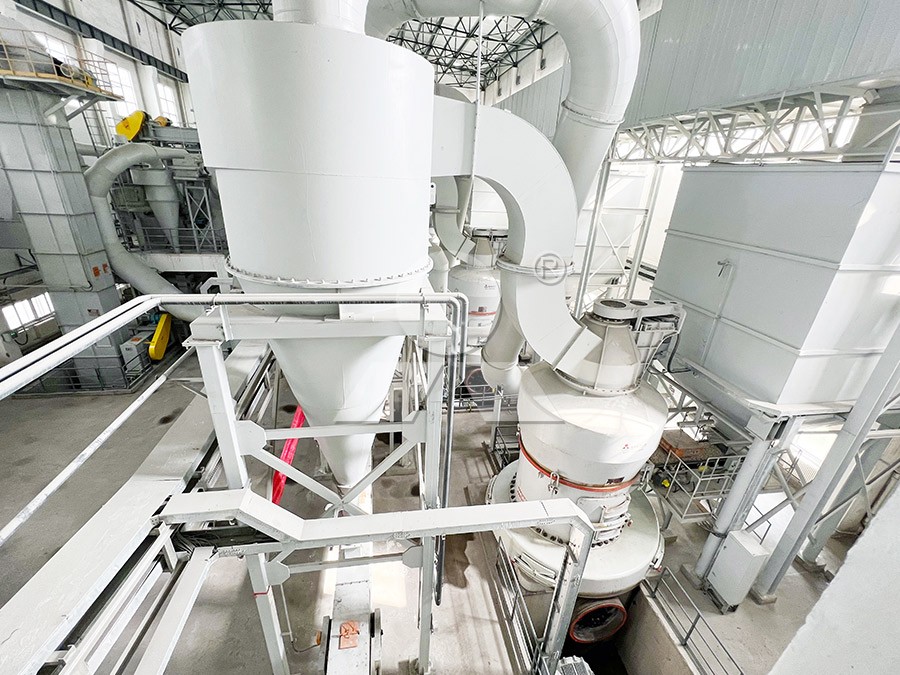
Kaolin used in paper coating typically requires a fineness of 325 to 2500 mesh, with strict control over particle size distribution. Raymond mills are favored for their ability to produce consistent, high-yield outputs while maintaining low energy consumption. In Malaysia, where operational costs and environmental regulations are top concerns, the right mill can make or break a business. The traditional Raymond mill, with its simple structure and proven track record, remains a popular choice. However, modern variations like the MW Ultrafine Grinding Mill and LUM Ultrafine Vertical Grinding Mill offer enhanced performance for demanding applications.
Top 5 Raymond Mill Suppliers for Kaolin in Malaysia
1. LIMING Heavy Industry (China)
LIMING is a global leader in grinding mill technology, with decades of experience in serving the kaolin industry. Their Raymond mills are known for robust construction, high efficiency, and low maintenance. For paper coating, LIMING’s MW Ultrafine Grinding Mill is a game-changer. It handles input sizes up to 20 mm and delivers capacities from 0.5 to 25 tph, with an adjustable fineness range of 325-2500 mesh. The machine features a cage-type powder selector based on German technology, ensuring precision separation. Plus, its pulse dust collector and muffler make it eco-friendly—a key selling point in Malaysia’s regulated market. LIMING also offers the LUM Ultrafine Vertical Grinding Mill, which integrates grinding, grading, and transporting in one unit, saving floor space and energy. With input sizes up to 10 mm and capacities up to 18 tph, it’s ideal for larger operations.
2. SBM Industrial Technology Group (China)
SBM is another heavyweight in the grinding equipment space. Their Raymond mills are designed for high capacity and low wear, with advanced lubrication systems that reduce downtime. For kaolin, they recommend the MTW series, which offers trapezium-shaped grinding rollers for improved efficiency. However, SBM’s focus is more on general mining, so their specialization in ultra-fine kaolin for paper coating may not be as deep as LIMING’s.
3. Guilin Hongcheng (China)
Guilin Hongcheng has a strong presence in Southeast Asia, particularly for non-metallic mineral processing. Their Raymond mills feature innovative grinding curves that enhance output by up to 40% over traditional models. While their equipment is reliable, users in Malaysia have noted that spare parts availability can be inconsistent compared to global brands like LIMING.
4. Shanghai Clirik Machinery (China)
Clirik offers a range of Raymond mills tailored for kaolin, with capacities from 1 to 30 tph. They emphasize energy savings and compact design. However, their after-sales support in Malaysia is limited, often relying on third-party distributors. This can lead to longer response times for technical issues.
5. Zhengzhou Shuguang Heavy Machinery (China)
Shuguang provides cost-effective Raymond mills for small to medium-scale kaolin processors. Their machines are basic but functional, suitable for startups. Yet, for paper coating applications requiring ultra-fine powders (below 10 microns), their mills may struggle with consistency. In contrast, LIMING’s MW mill guarantees d97≤5μm in a single pass.
Key Considerations for Choosing a Supplier in Malaysia
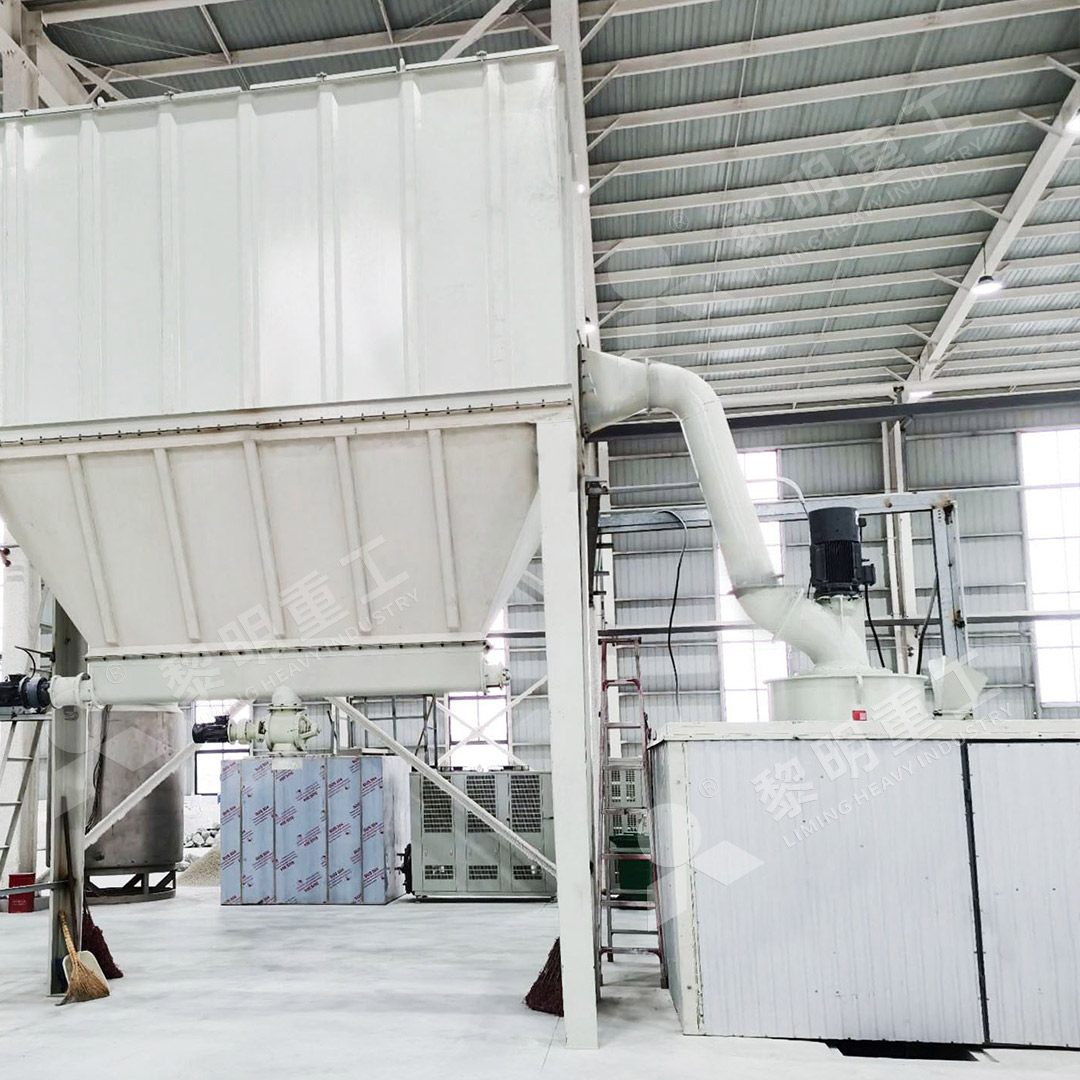
When selecting a Raymond mill for kaolin processing, Malaysian buyers must evaluate several factors beyond the initial price tag. First, consider the mill’s ability to handle moisture content, as kaolin often arrives with residual dampness from mining. LIMING’s LM Vertical Grinding Mill, for instance, integrates drying within the grinding chamber, making it a versatile choice. Second, look at the availability of original spare parts. Nothing stalls production faster than waiting for a replacement roller or ring. LIMING’s commitment to sufficient spare parts supply ensures worry-free operation—a claim backed by their global network. Third, environmental compliance is non-negotiable. The MW mill’s pulse dust collector and silencer help meet Malaysia’s Department of Environment standards, reducing the risk of fines or shutdowns.
How LIMING’s MW and LUM Mills Stand Out
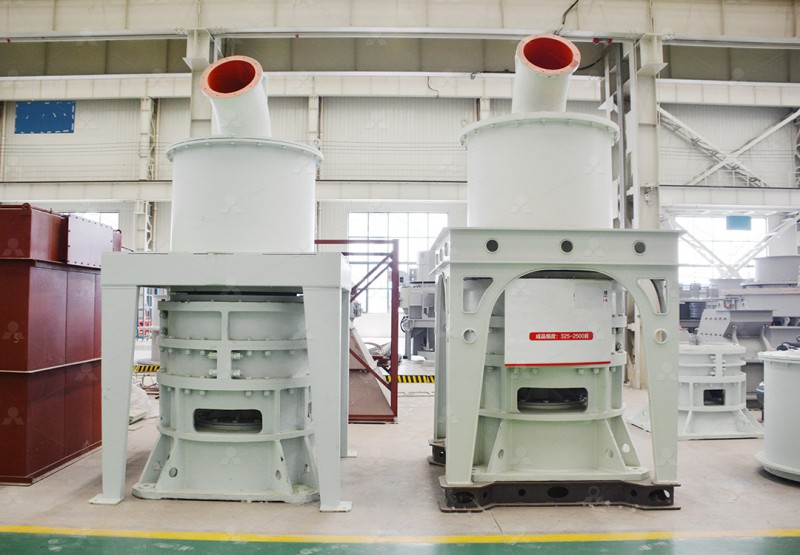
Let’s zoom in on why LIMING’s products deserve a top spot on your shortlist. The MW Ultrafine Grinding Mill is engineered for ultra-fine grinding with a unique design: no rolling bearings or screws in the grinding chamber. This eliminates common failure points like bearing damage or loose screws, allowing 24/7 operation. The grinding curves of the roller and ring boost efficiency by 40% compared to jet mills, while energy consumption is just 30% of the latter. For a paper coating plant aiming to produce high-brightness kaolin, this translates to lower operational costs and higher throughput.
The LUM Ultrafine Vertical Grinding Mill, on the other hand, is ideal for larger-scale operations. Its double position-limiting technology prevents destructive vibrations, and the reversible structure simplifies maintenance—no need for a full teardown when replacing wear parts. Both mills feature digitalized processing, ensuring precision in every component, from steel plates to paint spraying. Whether you choose MW or LUM, you’re investing in a machine built for longevity and performance.
Practical Advice for Malaysian Operators
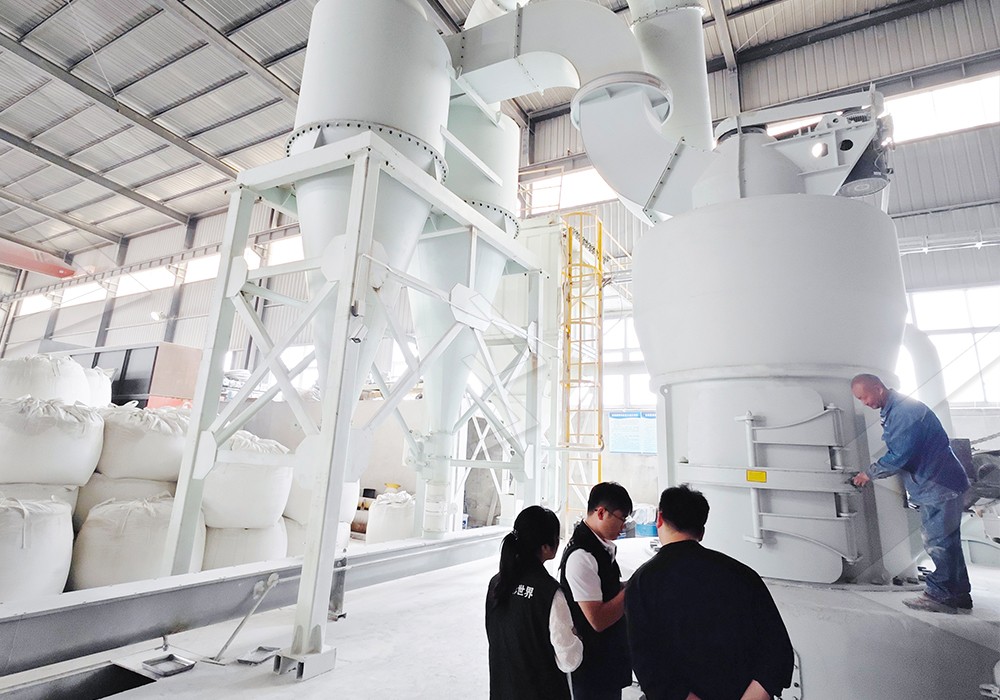
If you’re currently using a traditional Raymond mill and struggling with yield or fineness, upgrading to LIMING’s MW or LUM series could be a smart move. Start by analyzing your feed material: typical kaolin from Malaysian sources like Perak or Johor has a moisture content of 10–15%. The MW mill can handle it, but if your output demand exceeds 25 tph, consider the LUM mill for higher capacity. Also, factor in your power supply—both mills are designed for energy efficiency, with LUM reducing consumption by 30–50% versus conventional mills. Finally, partner with a supplier that offers on-site training. LIMING’s technical team can assist with installation and optimization, ensuring you get the most from your investment.
Conclusion
Malaysia’s paper coating sector is competitive, and the quality of your kaolin grinding directly impacts your product’s marketability. While several suppliers offer Raymond mills, LIMING stands out for its technological innovation, environmental compliance, and robust after-sales support. The MW Ultrafine Grinding Mill and LUM Ultrafine Vertical Grinding Mill provide tailored solutions for ultra-fine kaolin processing, with features that address real-world challenges like maintenance, energy use, and dust control. By choosing a proven partner, you can enhance your production efficiency and stay ahead of the curve.
Frequently Asked Questions (FAQ)
1. What is the ideal fineness for kaolin used in paper coating?
Typically, 80–90% of particles should be less than 2 microns (equivalent to roughly 325–2500 mesh). The MW Ultrafine Grinding Mill can achieve d97≤5μm in one pass.
2. Can a Raymond mill handle wet kaolin?
Yes, but it depends on the mill design. LIMING’s LM Vertical Mill integrates drying, while the MW mill requires feed material with low moisture (below 5% for best results).
3. How often do I need to replace wear parts on a Raymond mill?
For LIMING mills, the grinding rollers and rings have a service life 1.7–2.5 times longer than traditional manganese steel parts. Under normal use, replacement may be needed every 6–12 months.
4. What’s the energy consumption difference between a ball mill and the MW mill?
The MW mill uses only 30% of the energy of a jet mill and 50% less than a ball mill for the same output, thanks to its optimized grinding curves.
5. Does LIMING provide installation support in Malaysia?
Yes, LIMING offers on-site technical services and original spare parts. Their global network ensures quick response for Malaysian clients.
6. What input size can the MW mill accept?
It accepts up to 20 mm. For larger materials, a crusher is recommended upstream.
7. Is the LUM mill suitable for small-scale production?
The LUM mill has a capacity range of 5–18 tph, so it’s better for medium to large operations. For smaller needs (0.5–25 tph), the MW mill is more cost-effective.
8. Are there any noise or dust regulations I should worry about?
In Malaysia, the Department of Environment sets noise limits at 55–70 dB depending on the zone. LIMING’s mills come with silencers and pulse dust collectors that meet these standards.
9. How long does it take to ship a mill to Malaysia?
Delivery time depends on the model and order volume, but 4–8 weeks is typical for LIMING’s standard configurations.
10. Can I get a sample grinding test before buying?
Yes, LIMING often provides test grinding services using your kaolin sample to verify performance. Contact their sales team for details.