
Grinding machine for kaolin for ceramics production in ethiopia
Introduction: The Role of Kaolin in Ethiopian Ceramics
Ethiopia’s ceramics industry is expanding rapidly, driven by construction growth, domestic manufacturing, and export ambitions. Kaolin, a white, soft clay mineral, is a fundamental raw material for ceramics — used in tiles, sanitaryware, tableware, and electrical insulators. However, the quality of finished ceramic products depends heavily on the fineness, purity, and consistency of the kaolin powder. Achieving this demands advanced grinding technology. Ethiopian manufacturers face specific challenges: variable raw material quality, high energy costs, environmental regulations in urban areas, and the need for cost-effective production. Selecting the right grinding machine is not just a technical decision — it is a business strategy.
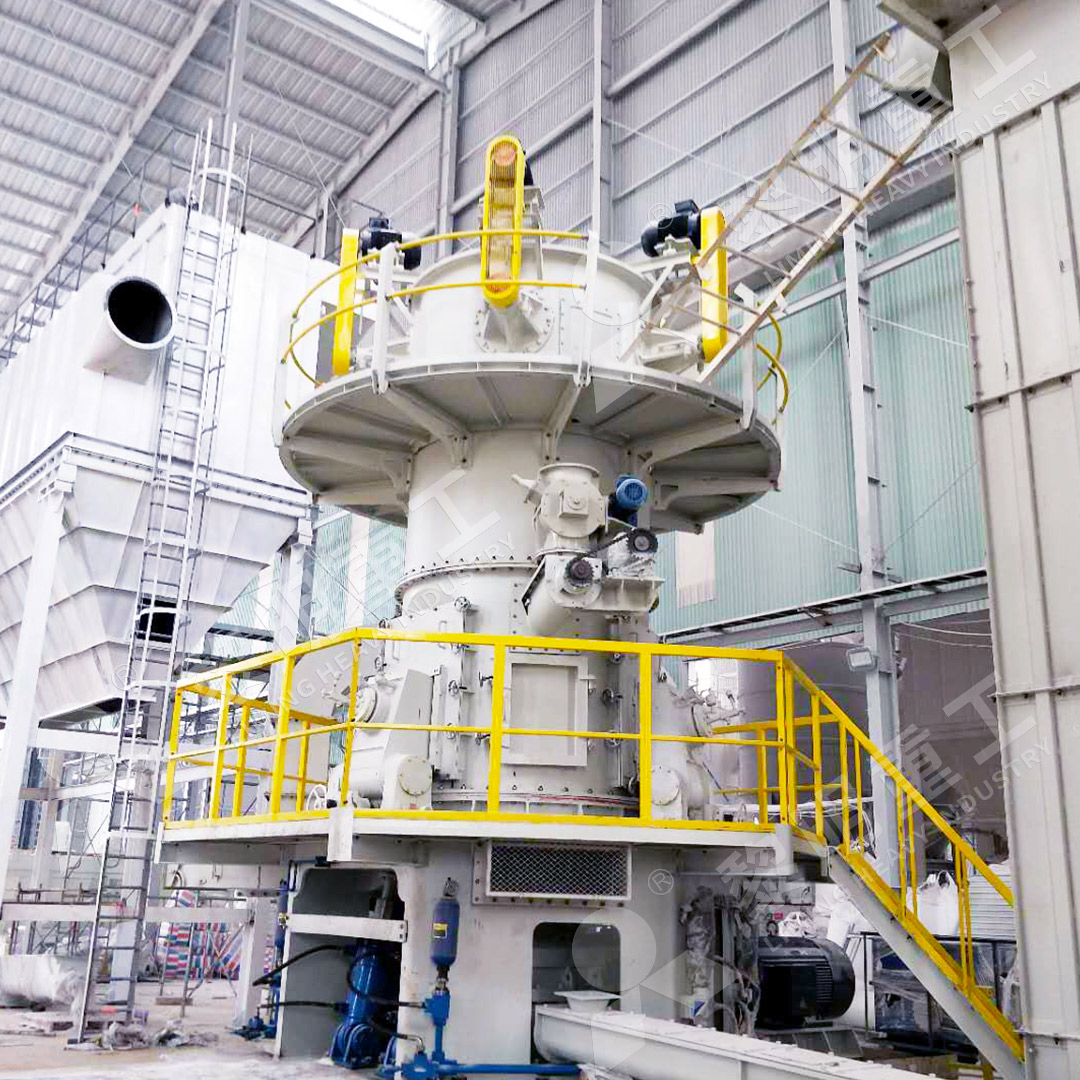
Why Ultrafine Grinding Matters for Ceramics
For ceramics, particle size distribution directly influences firing temperature, shrinkage, plasticity, and surface finish. Kaolin for high-quality ceramics typically requires a fineness between 325 mesh and 1250 mesh. Coarse particles cause defects — pinholes, rough surfaces, uneven glazing. Ultrafine grinding, achieving particles below 10 microns, enables superior densification and whiteness. In Ethiopia, where many processors still use ball mills or simple Raymond mills, upgrading to a modern ultrafine grinding mill can transform product quality and operational efficiency.
Consider the MW Ultrafine Grinding Mill from LIMING. This machine is specifically designed for customers needing ultra-fine powder with high production efficiency. It handles feed sizes up to 20 mm and delivers capacities from 0.5 to 25 tons per hour. The adjustable fineness range — 325 to 2500 mesh — covers all ceramic kaolin requirements. More importantly, it achieves a screening rate of d97 ≤ 5 μm in a single pass, eliminating the need for secondary classification.
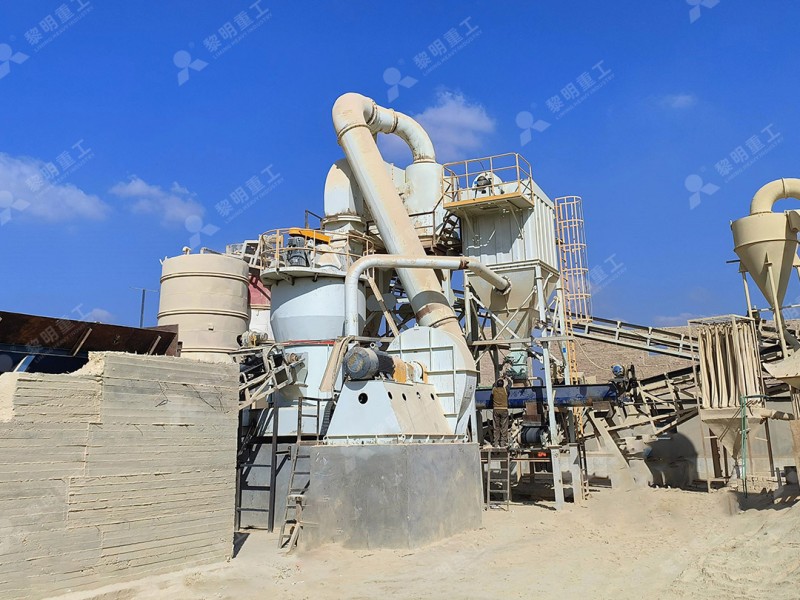
Technology Comparison: MW vs LUM vs Traditional Mills
Ethiopian ceramics producers often ask: what is the difference between vertical roller mills, Raymond mills, and ultrafine mills? The answer lies in energy consumption, product fineness, and maintenance. Traditional ball mills consume high power and produce wide particle distributions. Raymond mills offer moderate fineness but struggle below 400 mesh. For kaolin, which is soft but abrasive, the key is to minimize iron contamination while maximizing throughput.
The LUM Ultrafine Vertical Grinding Mill offers another strong option for Ethiopian operations with higher capacity needs. It handles 0-10 mm feed and processes 5-18 tph. Its Taiwan-sourced roller technology and German powder separation system ensure high whiteness and low iron content — critical for white ceramic bodies. The PLC control system allows precise adjustment of grinding pressure and rotor speed, enabling the operator to switch between different kaolin grades without stopping production.
| Parameter | MW Ultrafine Mill | LUM Vertical Mill | Traditional Ball Mill |
|---|---|---|---|
| Feed Size | 0-20 mm | 0-10 mm | <25 mm |
| Capacity | 0.5-25 tph | 5-18 tph | 0.65-50 tph |
| Fineness | 325-2500 mesh | 325-2500 mesh | 50-400 mesh |
| Energy vs Jet Mill | 30%% consumption | 50-70%% consumption | Higher |
| Iron Contamination | Very low | Very low | Moderate |
| Maintenance Interval | Long (no bearings in chamber) | Hydraulic reversible roller | Frequent liner changes |
Environmental Compliance in Ethiopian Context
Ethiopian environmental regulations are tightening, particularly for factories near Addis Ababa and regional capitals. Dust control is no longer optional. The MW Ultrafine Grinding Mill comes equipped with an efficient pulse dust collector and a muffler system, ensuring that operation meets national environmental standards. The entire grinding system operates under negative pressure, meaning no dust escapes into the workspace or surrounding community. For ceramics manufacturers seeking ISO 14001 certification or export clearance, this feature reduces compliance risk.
The mill’s design eliminates rolling bearings and screws inside the grinding chamber, a common source of mechanical failure in dusty environments. Lubrication is performed externally without stopping the machine, enabling 24-hour continuous operation — critical for meeting bulk ceramic orders.
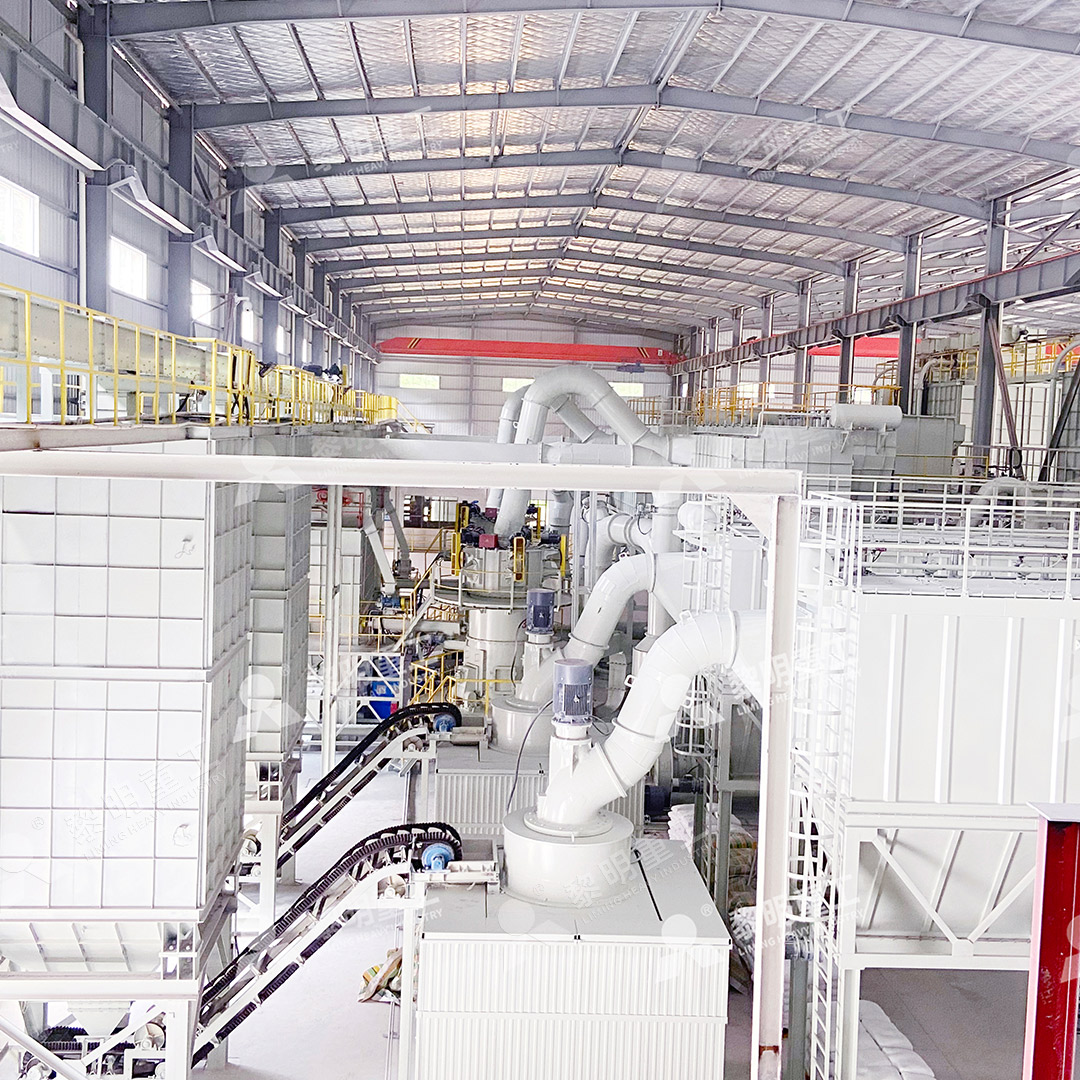
Operational Considerations for Ethiopian Ceramics Plants
Ethiopia’s power grid experiences fluctuations. The MW and LUM mills both use digitalized numerical control for core parts like turning plates and powder selectors, ensuring stable performance even under variable voltage. Spare parts availability is a common headache in East Africa. LIMING maintains a stock of original spare parts and offers technical support, which directly addresses the worry-free operation promise. For a plant producing 10 tons of ceramic kaolin powder per day, the MW mill’s 40%% higher yield compared to jet mills translates to significant electricity savings over a year.
Installation considerations: the MW mill has a compact footprint, approximately 50%% smaller than a ball mill system of equal capacity. This matters for Ethiopian factories where floor space is often constrained. The system integrates crusher, elevator, feeder, mill, and classifier in a single line, simplifying layout and reducing civil works.
Final Recommendation for Ethiopian Kaolin Processors
If your operation requires consistent ultrafine kaolin for high-end ceramics — tiles with zero-defect surfaces, sanitaryware with bright white bodies, or electrical porcelain with precise dielectric properties — the MW Ultrafine Grinding Mill is the optimal choice. Its adjustable fineness, low energy consumption, and eco-friendly design align with both production goals and regulatory demands. For larger plants with higher throughput targets, the LUM Ultrafine Vertical Grinding Mill provides the same quality with greater capacity and automated control.
Investing in the correct grinding technology today positions Ethiopian ceramics manufacturers to compete not only locally but also in export markets such as East Africa, the Middle East, and Europe. The choice of mill is a choice of future capability.
Frequently Asked Questions
- What is the best grinding machine for kaolin in Ethiopia?
Both the MW Ultrafine Grinding Mill and LUM Ultrafine Vertical Grinding Mill are excellent choices. The MW mill is better for operations needing flexible fineness (325-2500 mesh) and lower capacity (0.5-25 tph). The LUM mill suits higher throughput (5-18 tph) with automated control. - Can these mills handle moist kaolin?
Yes. The grinding process generates heat, which helps evaporate surface moisture. However, for kaolin with moisture above 8-10%%, pre-drying is recommended. The vertical mill design allows hot air to be introduced into the grinding chamber for combined drying and grinding. - How often do grinding rollers need replacement?
With the MW mill, roller and ring life depends on kaolin abrasiveness. Typically, rollers last 800-1500 operating hours for kaolin. The LUM mill’s reversible roller structure allows flipping the roller to use both sides, extending service life by up to 100%%. - What is the power consumption per ton for kaolin grinding?
For the MW mill, power consumption is approximately 30%% of a jet mill and 50%% of a ball mill. For kaolin ground to d97 = 10 μm, expect 25-40 kWh per ton depending on feed size and moisture. - Does LIMING provide installation support in Ethiopia?
Yes. LIMING offers on-site technical supervision for installation and commissioning. Original spare parts can be shipped to Addis Ababa within 2-3 weeks. Remote troubleshooting via video call is also available. - What safety features do these mills have?
Both mills include electronic and mechanical limiting protection to prevent direct contact between roller and grinding table, avoiding destructive vibration. The dust collector eliminates airborne hazards. Emergency stop buttons and overload protection are standard. - Can I grind other materials besides kaolin with the same machine?
Yes. These mills handle limestone, calcite, dolomite, talc, barite, marble, gypsum, and coal powder. Switching materials requires adjusting the classifier speed and possibly the grinding pressure. Cleaning the mill between material changes is recommended to avoid contamination. - What is the warranty period?
LIMING provides a standard 12-month warranty from the date of commissioning, covering manufacturing defects. Extended warranty plans are available for critical components like the main shaft and gearbox.