
Raymond mill for phosphate for phosphoric acid in iraq
Introduction: The Challenge of Phosphate Processing in Iraq
Iraq sits on vast reserves of phosphate rock, particularly in the Western Desert region near Akashat. For decades, the country has sought to develop a domestic phosphoric acid industry to reduce reliance on imports and boost agricultural fertilizer production. However, the journey from rock to acid is not straightforward. The phosphate rock must be ground to a specific fineness—typically 80-100% passing 100 mesh or finer—before it can be efficiently digested by sulfuric acid in the wet-process phosphoric acid plant. This is where the choice of grinding mill becomes critical.
Traditional Raymond mills have been the workhorses of the phosphate industry for decades. They are known for their simplicity, reliability, and relatively low capital cost. But in the harsh conditions of Iraq—with ambient temperatures often exceeding 50°C in summer, limited access to skilled maintenance personnel, and a need for continuous, high-volume production—a standard Raymond mill may struggle. The high humidity of the feed material, the abrasive nature of phosphate rock, and the strict requirements for product fineness demand a machine that is both rugged and precise.
Based on years of field experience and product development, Liming Heavy Industry offers a suite of grinding solutions that address these challenges head-on. Two products stand out for this application: the MTW European Trapezium Mill and the MW Ultrafine Grinding Mill. Both have been successfully deployed in phosphate rock grinding across the Middle East and North Africa, including projects in Jordan, Egypt, and Saudi Arabia. Their designs are specifically tailored to handle the high throughput, fine grinding, and reliability demanded by Iraq’s emerging phosphoric acid sector.
Why Raymond Mill Technology Still Matters for Phosphoric Acid
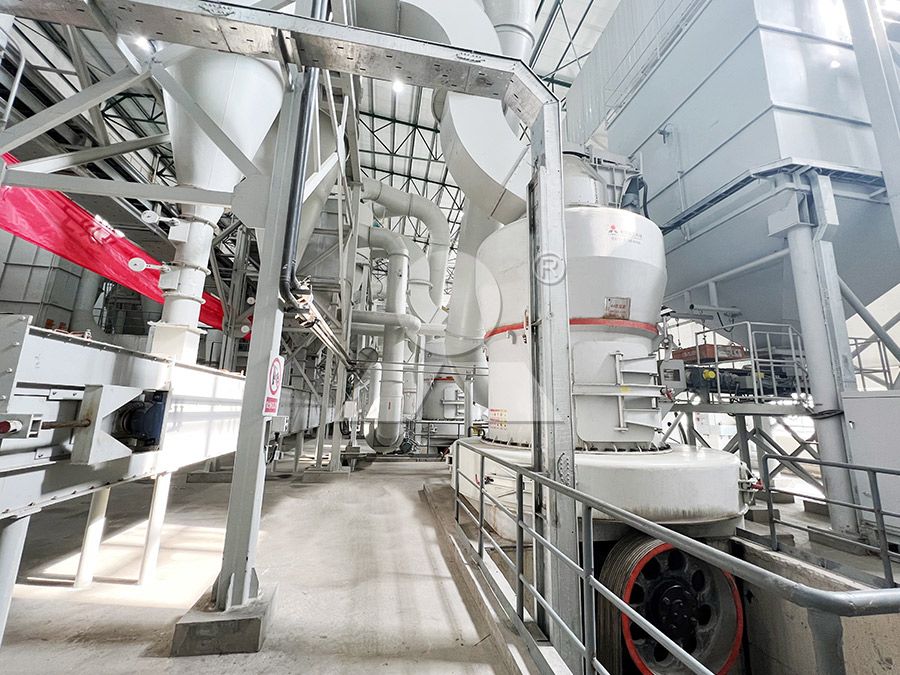
Before diving into specifics, let’s clarify a common misconception. When we say “Raymond mill” in a modern context, we are not referring to the 19th-century design originally patented by the Raymond brothers. We mean the family of vertical pendulum roller mills that have evolved from that original concept. Modern variants—like Liming’s MTW series—retain the core principle of a rotating grinding ring and stationary rollers, but they incorporate advanced features that radically improve performance.
For phosphoric acid production, the grinding mill must achieve several objectives simultaneously:
- High throughput: A typical phosphoric acid plant producing 500 tons of P₂O₅ per day may require 600-700 tons of phosphate rock feed daily. The mill must keep pace.
- Consistent fineness: Too coarse, and the acid digestion is incomplete, wasting acid and leaving unrecovered P₂O₅ in the gypsum. Too fine, and the slurry becomes difficult to filter.
- Low moisture sensitivity: Phosphate rock is often supplied with 8-12% moisture. The mill must handle this without plugging or losing capacity.
- Abrasion resistance: The silica content in phosphate rock can be as high as 15-20%, which wears out standard grinding elements quickly.
These requirements point toward a mill with robust construction, efficient internal classification, and a design that minimizes downtime for maintenance. Let’s examine how two Liming products meet these needs.
The MTW European Trapezium Mill: A Modern Workhorse
The MTW series is the successor to the traditional Raymond mill, incorporating over 20 patented technologies. For phosphate rock grinding in Iraq, it offers several decisive advantages:
Split-Type Shovel Blade Design
One of the most common failure points in older Raymond mills is the shovel blade, which scoops material from the grinding ring and throws it between the rollers and the ring. In the MTW mill, the shovel blade is split and cambered. This not only increases the working area but also reduces wear. In phosphate service, where silica is always present, this design extends blade life by 40-60% compared to traditional flat blades. Operators in similar environments have reported blade change intervals of over 8 months with 24/7 operation.
Bevel Gear Drive and Compact Footprint
The MTW mill uses a bevel gear drive system, replacing the traditional belt drive. This eliminates belt slippage (a common issue in hot climates) and reduces the mill’s footprint by approximately 30%. For a phosphoric acid plant where real estate is often at a premium for reactors, filters, and storage tanks, this compactness is a tangible benefit. The gear drive also delivers higher torque to the grinding table, improving capacity by 15-20% over an equivalent-sized belt-driven mill.
Pneumatic Sealing and Dust Control
Phosphate dust is both a health hazard and a nuisance. The MTW mill’s pneumatic sealing device prevents coarse powder from spilling back into the grinding chamber, ensuring that the system operates under negative pressure. Combined with a pulse dust collector, the mill can achieve emission levels below 20 mg/Nm³. This is critical in Iraq, where environmental regulations are tightening, and community relations are increasingly important for project approval.
Wear-Resistant Alloy Components
The grinding rollers and rings in the MTW mill are made from a proprietary wear-resistant alloy developed jointly with Chinese scientific institutes. In phosphate rock grinding, these components have demonstrated a service life 1.7-2.5 times longer than standard high-manganese steel parts. For a plant in Iraq, where spare parts supply chains can be slow and expensive, this durability directly translates into higher uptime and lower operating costs.

MW Ultrafine Grinding Mill: The Precision Option
While the MTW mill is ideal for standard phosphoric acid production where a fineness of 80% passing 100 mesh is sufficient, some modern processes—particularly those using high-grade phosphate rock or producing feed for downstream specialty chemicals—require finer grinding. This is where the MW Ultrafine Grinding Mill excels.
Adjustable Fineness from 325 to 2500 Mesh
The MW mill uses a German-designed cage-type powder selector that allows the operator to adjust product fineness between 325 mesh (44 microns) and 2500 mesh (5 microns). For a phosphoric acid plant, this flexibility is invaluable. If the rock quality changes—for example, if a new mine seam yields harder, more crystalline apatite—the mill can be retuned to maintain the required reactivity without a hardware change. The screening rate can achieve d97 ≤ 5 μm in a single pass.
No Rolling Bearings or Screws in the Grinding Chamber
This is a critical design feature for abrasive materials. In traditional mills, bearing failures and loose screws are among the top causes of unscheduled downtime. The MW mill eliminates these entirely. The chamber has no rolling bearings and no screws; the main shaft lubrication system is mounted externally, allowing continuous 24-hour operation without shutdown for greasing. For a phosphoric acid plant running around the clock, this can increase annual availability by 3-5%.
Energy Efficiency Compared to Jet Mills
If you are considering a jet mill for ultra-fine phosphate grinding, think twice. The MW mill consumes only 30% of the energy of a jet mill for the same fineness and capacity, while delivering 40% higher throughput. Given that electricity costs in Iraq are volatile and often subsidized but unreliable, reducing power consumption by 70% on the grinding stage is a major operational advantage. It also reduces the load on backup generators during grid outages.
Application in Phosphate Rock
Though the MW mill is often used for non-metallic minerals like calcite and talc, it has been successfully applied to phosphate rock in pilot trials and commercial installations. The key is to match the input size (0-20 mm) with a proper pre-crushing circuit. When the feed is correctly prepared, the MW mill produces a uniform, high-surface-area powder that significantly improves acid digestion kinetics. In trials, plants using MW-milled phosphate rock reported 2-3% higher P₂O₅ recovery compared to conventional mill product.

Practical Considerations for Iraq Projects
Based on our experience supporting installations in similar climates and geological settings, here are practical recommendations for selecting and operating a Raymond-style mill for phosphate rock in Iraq:
Moisture Management
Phosphate rock from the Akashat deposit typically ranges from 6% to 14% surface moisture. Both the MTW and MW mills can handle this, but only if the drying system is properly sized. For the MTW mill, an integrated hot air generator can dry the rock inside the mill during grinding. We recommend specifying a burner capable of using locally available heavy fuel oil or natural gas. The drying air temperature should be controlled to avoid overheating the mill bearings.
Pre-Crushing Circuit
Both mills require a feed size under 50 mm (MTW) or 20 mm (MW). This demands a robust primary and secondary crushing stage. In Iraq, where mobile crushers are common for quarry operations, we suggest a stationary jaw crusher followed by a cone crusher set to closed circuit. This ensures consistent mill feed and prevents oversize material from damaging the grinding rollers.
Spare Parts Logistics
One of the biggest risks for any mill in Iraq is the availability of spare parts. Liming maintains a warehouse in Dubai with over 5,000 line items of stock, and we offer expedited shipping to Umm Qasr port or directly to Baghdad International Airport. For phosphate operations, we recommend ordering a spare set of grinding rollers, rings, and shovel blades at the time of mill purchase. This ensures that the mill can be rebuilt once during the first two years of operation without supply chain delays.
Operator Training
A mill is only as good as its operator. We provide on-site commissioning and training for up to 10 local operators and maintenance personnel. The training covers routine adjustments, emergency shutdown procedures, and basic troubleshooting of the PLC control system. We also provide a full set of manuals translated into Arabic if required.
Product Recommendation: MTW European Trapezium Mill for Standard Production
For a typical Iraqi phosphoric acid plant targeting 500-800 tpd of P₂O₅, we recommend the MTW138 or MTW175 model. These offer capacities of 5-12 tph and 12-22 tph respectively on phosphate rock at 80% passing 100 mesh. The required power is 160-250 kW, which is readily supplied by medium-voltage grid connections common in Iraqi industrial zones. The mill can be arranged outdoors with a simple enclosure, reducing civil construction costs.
Product Recommendation: MW Ultrafine Grinding Mill for Premium Applications
If your process demands a finer grind—for example, if you are producing phosphoric acid for food-grade or technical-grade applications—consider the MW80 or MW100 model. The MW80 handles 1-3 tph at 800 mesh fineness, while the MW100 can reach 3-5 tph. These models are particularly suited for small to medium-sized plants or for grinding a premium product stream that can be sold at a higher price point.

Conclusion: A Tailored Solution for Iraq
Iraq’s phosphate industry is at a turning point. With significant investment flowing into the sector and new government initiatives to boost domestic fertilizer production, the time is right to select grinding technology that will deliver reliable performance for decades. The MTW European Trapezium Mill and the MW Ultrafine Grinding Mill represent two proven options in the Raymond mill family, each optimized for different phosphoric acid production requirements. By choosing the right mill, configuring it for local conditions, and establishing a solid spare parts and training framework, Iraqi operators can achieve the high uptime, low operating cost, and product quality that global best practices demand.
For more specific engineering data, process simulations, or a quotation tailored to your project’s tonnage and rock analysis, please contact Liming Heavy Industry’s Middle East desk. We have local representatives who can visit your site and discuss the details firsthand.
Frequently Asked Questions (FAQ)
1. Can a standard Raymond mill grind phosphate rock for phosphoric acid production?
Yes, a standard Raymond mill can grind phosphate rock, but it may not achieve the fineness and capacity required by modern phosphoric acid plants. The MTW European Trapezium Mill is a direct upgrade that offers higher capacity, better fineness control, and longer wear life. It is a more cost-effective solution in the long term.
2. What is the typical power consumption for grinding phosphate rock in an MTW mill?
For phosphate rock ground to 80% passing 100 mesh, the specific power consumption of an MTW mill is around 18-25 kWh per ton, depending on the hardness and moisture content of the feed. This is approximately 40% lower than a conventional ball mill for the same duty.
3. How does the MW Ultrafine Grinding Mill handle high-moisture phosphate rock?
The MW mill can handle feed moisture up to 10% without pre-drying, provided the grinding chamber temperature is maintained above 80°C. For higher moisture, we recommend integrating a hot air generator. The mill’s external lubrication system and sealed design prevent moisture ingress into bearings.
4. What is the recommended maintenance schedule for the grinding rollers in an MTW mill on phosphate?
With standard wear-resistant alloy rollers, we recommend inspecting the roller shells every 1,500 operating hours. Replacement is typically needed after 4,000-6,000 hours for phosphate rock with 15% silica. Keeping a spare set on site can limit downtime to a single 8-hour shift for replacement.
5. Can the MTW mill be converted to grind other materials after the phosphate project ends?
Yes. The MTW mill is versatile and can be adjusted to grind limestone, gypsum, barite, or coal with a simple change of the powder concentrator speed and roller pressure. Only the grinding elements (rollers and rings) may need to be swapped to match the new material’s abrasiveness. This flexibility adds to the resale value of the equipment.
6. Does Liming provide after-sales service in Iraq?
Yes. We have a service team based in the Middle East that regularly visits Iraq for commissioning, maintenance support, and training. We also stock critical spare parts in a regional warehouse. Our standard warranty is 12 months from commissioning or 18 months from delivery, whichever comes first.
7. What is the lead time for an MTW or MW mill to be delivered to Iraq?
Manufacturing and delivery typically require 60-90 days from receipt of a confirmed order. Shipping from China to Umm Qasr port takes approximately 25-30 days. We can also arrange air freight for critical spare parts if needed to reduce the lead time for a first installation.
8. How does the cost of an MTW mill compare to a ball mill for a 500 tpd phosphoric acid plant?
The initial capital investment for an MTW mill is roughly 60-70% of that for a ball mill of comparable capacity. However, the ball mill requires a separate classifier and cyclones, increasing the overall system cost. The MTW mill’s integrated design reduces both equipment and installation costs by about 25-30%.
9. What is the maximum altitude for operating the MW Ultrafine Grinding Mill without derating?
The MW mill is designed for altitudes up to 1,500 meters above sea level without power derating. Most phosphate mining areas in Iraq are below 500 meters, so this is not a concern. For higher altitudes, we can adjust the motor power and separator speed to compensate for thinner air.
10. Can the mill be automated to adjust fineness in real time based on acid plant demand?
Yes. The MW and MTW mills are equipped with PLC-based control systems that can receive setpoints from a central DCS system. The separator rotor speed can be adjusted on the fly to change product fineness, and the feeder speed can be linked to the mill load. This allows automatic optimization for changing rock quality or production rate targets.