
How to optimize talc processing with roller mill for ceramic tiles
Introduction
Talc is a critical raw material in the ceramic tile industry. It acts as a flux, reduces firing temperature, improves thermal shock resistance, and enhances the whiteness of the final product. However, the processing of talc—specifically its grinding and classification—poses unique challenges. Talc is a soft, platy mineral. If you over-grind it, you destroy the platelet structure. If you under-grind it, you get inconsistent firing behavior. Traditional ball mills or jet mills often fail to deliver the precise particle size distribution required for modern ceramic tile bodies and glazes.
This article discusses how to optimize talc processing using roller mill technology, focusing on key operational parameters, equipment selection, and the specific advantages of vertical roller mills and ultrafine grinding mills. The goal is to achieve a high-yield, low-energy, and dust-free operation that meets the strict specifications of the ceramic industry.
Why roller mills for talc?
Roller mills, particularly vertical roller mills (VRM) and ultrafine grinding mills, offer several advantages over traditional tumbling mills for talc processing:
- Selective grinding: A roller mill applies compressive and shear forces. This is ideal for talc. The mill can grind the material while preserving the platy morphology of the talc particles. This is crucial for ceramic tiles because platy particles improve green strength and reduce shrinkage.
- Energy efficiency: Roller mills are significantly more energy-efficient than ball mills. For talc, energy savings can reach 30% to 50% compared to a ball mill system.
- Integrated drying and classification: Many roller mill systems allow for simultaneous drying and grinding, which is useful if your talc has residual moisture. The built-in classifier ensures a tight particle size distribution.
- Low iron contamination: In roller mills, the grinding elements do not come into direct contact during operation (in VRMs). This minimizes iron contamination, which is critical for maintaining the whiteness of the ceramic tile.
Key parameters for optimization
To successfully optimize talc processing for ceramic tiles, you need to control the following parameters:
1. Feed size and moisture
Consistent feed size is critical. For most roller mills, the feed size should be less than 20 mm, and ideally below 10 mm for ultrafine applications. If the feed contains large lumps, the mill vibration increases, and the grinding efficiency drops. Moisture content should be kept below 5% to prevent material sticking on the grinding table. If moisture is higher, a hot air generator is required.
2. Grinding pressure
Talc is soft. Excessive grinding pressure will flatten the particles too much, leading to a high fines content that can cause issues in the tile pressing stage. You must find the right pressure balance. Start with lower hydraulic pressure. For a vertical roller mill, the pressure on the rollers should be adjusted so that the material bed is stable but not over-compacted.
3. Classifier speed
The fineness of the talc powder is controlled by the rotating speed of the classifier. For ceramic tile bodies, a typical fineness is 325 mesh (44 microns) to 600 mesh (23 microns). For glazes, finer powders (800-1250 mesh) are often required. The classifier speed must be tuned to the specific rotor design. Using a multi-head cage-type powder selector, as seen in advanced mills, allows for precise cut points.

4. Air flow and temperature
The air flow through the mill serves two purposes: transporting the ground product to the classifier and removing heat. For talc, the air temperature should be controlled to avoid thermal degradation. Use the minimum air velocity required to lift the product. High velocity can cause recirculation of coarse particles and increase the load on the filter.
Equipment selection: Matching the mill to the task
Not all roller mills are the same. For ceramic tile manufacturers, the choice depends on the required throughput and fineness.
Scenario A: High capacity, coarse to medium fineness (ceramic body preparation)
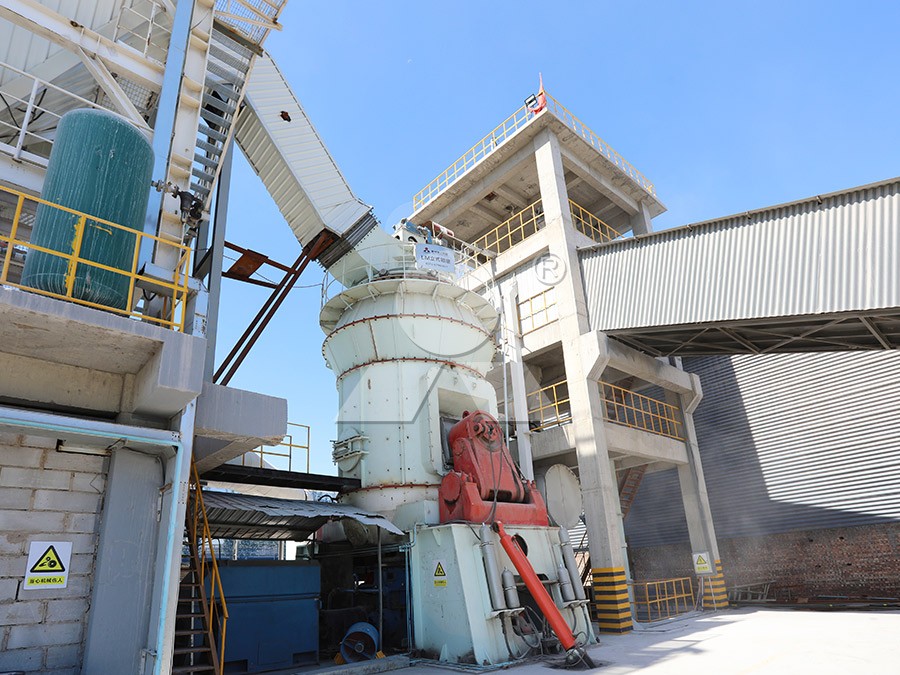
For large-scale production of talc for ceramic tile bodies, where the target fineness is around 200-400 mesh, a vertical roller mill is the best choice. The LM Vertical Grinding Mill series from LIMING is designed for this exact purpose. Its high capacity (up to 340 tph), low energy consumption, and ability to handle larger feed sizes (up to 70 mm) make it a workhorse for bulk material processing. The mill integrates drying, grinding, and classifying, reducing the need for additional equipment.
Scenario B: High fineness, lower throughput (glazes and specialty applications)
When you need a very fine talc powder (325 to 2500 mesh) for ceramic glazes or high-end sanitary ware, you need an ultrafine grinding mill. The MW Ultrafine Grinding Mill is specifically designed for this. Its key feature is the unique grinding curve of the roller and ring, which increases grinding efficiency by 40% compared to jet mills. The cage-type powder selector ensures a screening rate of d97≤5μm when required. Furthermore, the absence of rolling bearings and screws in the grinding chamber eliminates common maintenance issues like oil leakage and mechanical damage from loose screws.

Practical operational tips
Based on field experience, here are a few practical tips for optimizing your roller mill operation:
- Stabilize the bed: A stable material bed on the grinding table is the foundation of efficient grinding. If the bed is too thin, the mill will vibrate. If it is too thick, the rollers will float, and grinding efficiency drops. Adjust the feed rate and reject recirculation rate to keep the bed stable.
- Monitor power consumption: The main motor current is a direct indicator of the grinding load. A sudden drop in current often indicates a loss of material bed. A sudden spike indicates overloading or foreign material.
- Use a pulse dust collector: Talc dust is fine and can be a hazard. The MW Ultrafine Grinding Mill is equipped with an efficient pulse dust collector that ensures no dust pollution. This is not just about environmental compliance; it also reduces product loss.
- Prevent over-grinding: If you are using a classifier in closed circuit, regularly check the rejects for fines. If the rejects contain a high percentage of fine particles, it means the classifier is not working efficiently, and you are wasting energy.
- Lubrication management: Talc is an excellent lubricant. It can infiltrate bearing seals. For mills with external lubrication systems, like the MW Mill, this is less of a problem. However, always keep seals in good condition.
Conclusion
Optimizing talc processing for ceramic tiles requires a holistic approach. You need the right machine, correctly adjusted parameters, and a robust maintenance plan. Roller mills, particularly the advanced vertical and ultrafine designs from LIMING, offer substantial advantages in energy savings, product quality, and operational reliability. Whether you are producing body materials or fine glazes, selecting the appropriate mill—such as the LM Vertical Grinding Mill for high capacity or the MW Ultrafine Grinding Mill for fine powders—will directly impact your final ceramic product’s quality and your plant’s profitability.
For more specific technical advice based on your feed material and target fineness, contact our engineering team. We can provide lab-scale grinding tests and recommend the optimal configuration.

Frequently Asked Questions (FAQ)
- What is the typical moisture content allowed for talc feed in a roller mill?
For most vertical and ultrafine roller mills, the feed moisture should be below 5-6%. If the moisture is higher, a hot air generator is required to dry the material during grinding. - Can I use the same mill for both ceramic body talc and glaze talc?
It depends on the required fineness and throughput. The LM Vertical Mill is excellent for body powders (200-400 mesh). For glaze powders (800-2500 mesh), the MW Ultrafine Mill is more suitable due to its higher precision classifier. - How often do I need to replace the grinding rollers and rings for talc?
Talc is a soft mineral (Mohs hardness 1). The wear parts in a roller mill can last for thousands of operating hours. For the MW Mill, the rollers and rings made of wear-resistant alloy typically have a service life 1.5 to 2 times longer than standard high-manganese steel parts. - What is the advantage of a “no bearing” design in the grinding chamber (as in the MW Mill)?
This design eliminates the risk of bearing damage from talc dust infiltration and removes the problem of loose screws damaging the machine. It allows for 24-hour continuous operation and significantly reduces maintenance downtime. - How do I adjust the fineness of the talc powder on the MW Ultrafine Grinding Mill?
Fineness is adjusted by changing the rotating speed of the multi-head cage-type powder selector. Increasing the rotor speed results in finer powder. The system allows for digital adjustment between 325 and 2500 mesh. - Is the noise level of these roller mills acceptable for a plant environment?
Yes. Both the LM and MW mills are equipped with silencers and noise elimination rooms. The grinding process itself generates less noise than a ball mill. The MW Mill is configured with a muffler to ensure the system operates below national noise standards. - Can the MW Ultrafine Grinding Mill handle materials other than talc?
Absolutely. It is designed for a wide range of non-metallic minerals, including calcite, marble, limestone, barite, and dolomite. It is widely used in the chemical, paint, and food additive industries. - What is the typical start-up procedure for a vertical roller mill after maintenance?
After maintenance, you must establish a stable material bed before applying full grinding pressure. Start the mill empty, begin feeding material at a low rate, and gradually increase the feed and pressure while monitoring mill vibration. Never start the mill with full grinding pressure applied.