
Clay mineral grinding mill for refractory in philippines
Clay Mineral Grinding Mill for Refractory Applications in the Philippines: A Technical Guide
The Philippines, with its rich geothermal and industrial mineral resources, has seen a steady increase in demand for high-grade refractory materials. Refractories are essential for lining kilns, furnaces, and reactors in cement plants, steel mills, and power generation facilities. One of the key raw materials in refractory production is clay minerals—such as kaolin, bentonite, and fire clay—which require precise grinding to achieve the ultra-fine particle size distribution needed for optimal performance.
In this article, we will talk about the specific challenges of grinding clay minerals for refractories, the technology that can solve these problems, and why choosing the right grinding mill is critical for your operation in the Philippines. We will also introduce two of our most suitable mills for this application: the MW Ultrafine Grinding Mill and the MTW European Trapezium Grinding Mill.
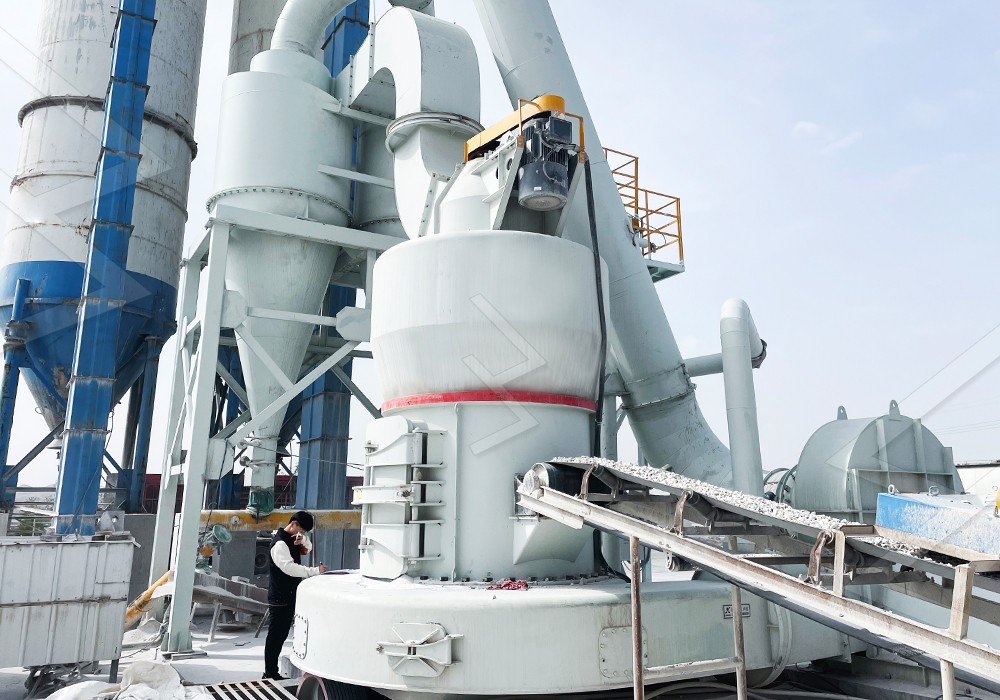
Why Clay Minerals Need Specialized Grinding
Clay minerals are naturally occurring, soft, and often contain inherent moisture. When used in refractories, they must be ground to a fineness typically between 325 mesh and 1250 mesh, or even finer, depending on the refractory grade. The key challenges include:
- High abrasiveness: Some clay types contain quartz or other hard impurities that accelerate wear on mill parts.
- Moisture content: As-mined clay can have up to 15-20% moisture, which can cause clogging in conventional mills.
- Fineness control: Refractory applications demand consistent particle size distribution to ensure proper packing density and thermal stability.
- Iron contamination: Even small amounts of iron introduced during grinding can discolor the product and degrade refractory performance.
A standard ball mill or Raymond mill often struggles to meet these requirements efficiently. The result? Higher energy bills, frequent maintenance shutdowns, and inconsistent product quality.
Our Recommended Grinding Mills for Clay Refractories
1. MW Ultrafine Grinding Mill – For Ultra-Fine Powder (325-2500 mesh)
The MW Ultrafine Grinding Mill is specifically designed for customers who need to produce ultra-fine powder from non-metallic minerals like clay. With an input size of 0-20 mm and a capacity of 0.5-25 tph, this mill is ideal for small to medium-scale refractory plants in the Philippines.
Key advantages for clay grinding:
- No rolling bearing or screw in the grinding chamber: This eliminates the risk of bearing damage from clay dust ingress, a common problem in traditional mills.
- Adjustable fineness between 325-2500 mesh: You can easily switch between different refractory grades without changing machine parts.
- 40% higher capacity than jet mills: With the same power consumption, you get more throughput—critical for meeting production targets.
- Efficient pulse dust collector: The enclosed system ensures zero dust emissions, keeping your plant compliant with Philippine environmental standards.
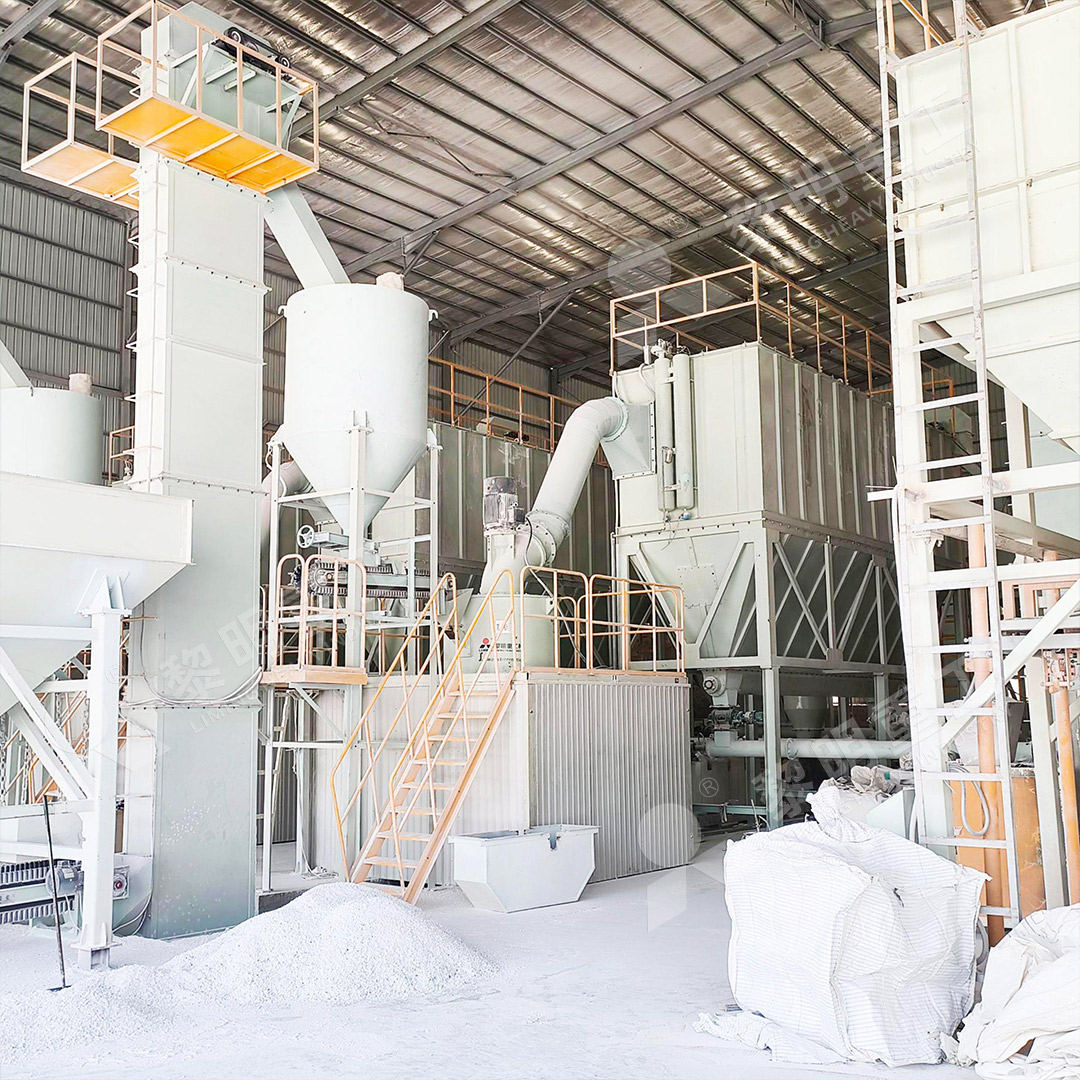
2. MTW European Trapezium Grinding Mill – For High-Capacity, Consistent Grinding
If your operation requires a higher throughput—between 3 and 55 tph—the MTW European Trapezium Grinding Mill is a better fit. It handles input sizes up to 50 mm and delivers a fineness range suitable for refractory clays.
Why it works well for Philippine refractory plants:
- Bevel gear overall drive: This compact transmission system reduces floor space, a big advantage for plants with limited real estate.
- Dilute oil lubrication for grinding rollers: No need for frequent grease refills, and the rollers stay cool even during extended operation.
- Cambered air duct with low resistance: This design prevents material piling at the inlet, ensuring smooth flow of sticky clay powders.
- Wear-resistant alloy rollers and rings: Service life is 1.7 to 2.5 times longer than traditional manganese steel parts, reducing your spare parts costs.
Both mills incorporate digitalized processing with numerical control machine tools, meaning every component is precision-machined for tight tolerances. This translates into consistent product quality and reliable long-term operation.
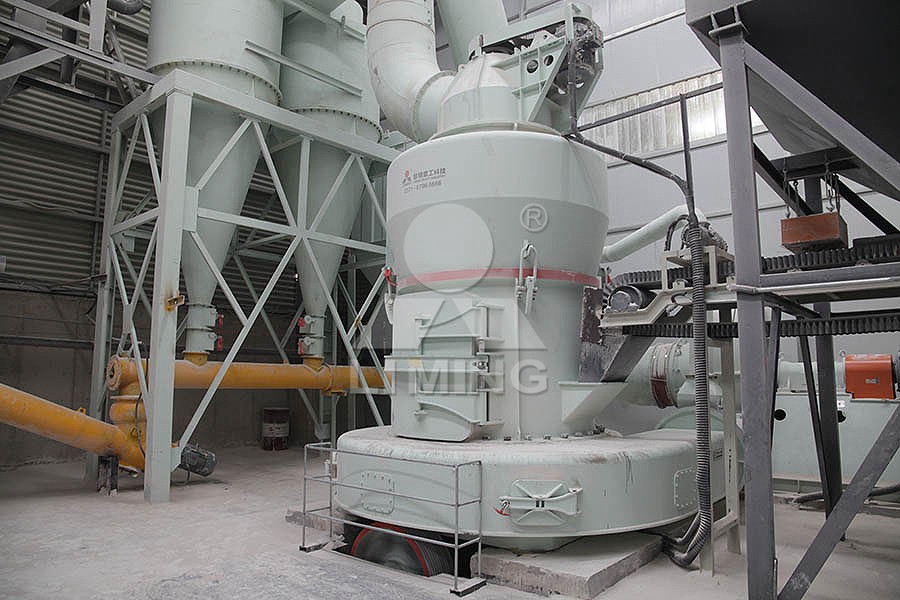
Working Principle: How These Mills Handle Clay
Understanding the working principle helps operators optimize their grinding parameters. Here is a simplified explanation for both recommended mills:
MW Ultrafine Grinding Mill: The motor drives the main shaft and turnplates through a reducer. Rollers rotate against the grinding ring, crushing the clay particles. After the first pass, material moves to subsequent turnplates for multi-stage grinding. A blower carries the fine powder to a powder separator, where coarse particles drop back for regrinding, and the ultra-fine product is collected via a cyclone and pulse dust collector.
MTW European Trapezium Grinding Mill: The jaw crusher reduces clay lumps to the required size (0-50 mm). The material is then fed into the mill via a vibrating feeder. Grinding occurs between the ring and rollers, and the air flow carries the particles upward through a separator. Oversized particles fall back for regrinding, while fine powder is collected in a cyclone. The airflow recirculates in a closed loop, minimizing energy loss.
Operational Tips for Clay Grinding in the Philippines
Based on our field experience in tropical climates, here are some practical recommendations:
- Pre-dry your clay: If the moisture content exceeds 10%, consider using a rotary dryer or a hot air generator integrated with the mill. Both the MW and MTW mills can be configured with hot air systems.
- Monitor the grinding pressure: Adjust the hydraulic or spring pressure to match the clay hardness. Softer clays need less pressure to avoid over-grinding and excessive energy use.
- Use a classifier: For refractory applications, a multi-head cage-type powder separator (available for MW mill) gives you precise control over the cut point, ensuring d97 ≤ 5 μm if needed.
- Schedule regular liner inspections: In the Philippines, high humidity can accelerate wear. Check the roller shells and ring liners every 500 operating hours.

Why Choose Our Grinding Mills for Your Refractory Plant?
Our company, with decades of experience in grinding mill manufacturing, offers more than just machines. We provide a complete solution:
- Sufficient spare parts supply: We stock genuine parts for all our models, so you never face long downtime waiting for replacements.
- Digitalized processing: Computer-controlled production ensures consistent quality for every mill we ship.
- Environmental compliance: Both the MW and MTW mills come with efficient dust collection and noise reduction systems, helping you meet Philippine DENR standards.
- Technical support: Our team can help you with mill layout, commissioning, and operator training, either remotely or on-site.
Frequently Asked Questions (FAQs)
- Q: What is the maximum moisture content that the MW Ultrafine Grinding Mill can handle for clay?
A: The MW mill can handle materials with moisture content up to 6% without external drying. For higher moisture, we recommend using a hot air system or a pre-dryer. - Q: Can the MTW European Trapezium Mill grind both kaolin and fire clay?
A: Yes. The MTW mill is versatile and can process kaolin, fire clay, bentonite, and other refractory clays. The fineness can be adjusted between 325 and 2500 mesh by changing the separator speed. - Q: What is the typical power consumption per ton for grinding refractory clay?
A: Power consumption varies depending on the clay hardness and target fineness. For the MW mill, it is typically 30-50% lower than a ball mill. For the MTW mill, energy savings are around 30-40% compared to traditional Raymond mills. - Q: How do you prevent iron contamination in the final clay powder?
A: Both mills are designed with a grinding chamber that has no direct metal-to-metal contact between rollers and ring. Additionally, the MW mill uses a unique design with no rolling bearings or screws inside the grinding chamber, minimizing wear debris. - Q: How long does it take to replace the grinding roller shell on the MTW mill?
A: Thanks to the split structure of the vulnerable parts, a trained operator can replace a roller shell in about 2-3 hours. We provide detailed maintenance manuals and video guides. - Q: Do you offer spare parts for mills already installed in the Philippines?
A: Yes, we maintain an inventory of original spare parts for all our mill models, including grinding rollers, rings, shovel blades, and separator rotors. Delivery to major Philippine ports typically takes 15-20 working days. - Q: Is it possible to automate the grinding process?
A: Absolutely. The MTW mill can be equipped with a PLC control system that adjusts feed rate, air flow, and separator speed automatically based on the product fineness and load. The MW mill also supports digital control.