
Industrial pulverizer for dolomite for ceramics raw material in iraq
Introduction: The Growing Demand for Dolomite in Iraq’s Ceramics Industry
Iraq’s ceramics sector is expanding, driven by reconstruction projects and a growing domestic market for tiles, sanitaryware, and tableware. Dolomite, a key raw material in ceramic bodies and glazes, requires precise grinding to achieve the fineness and consistency demanded by modern production lines. An industrial pulverizer for dolomite must handle high throughput, deliver ultra-fine powder, and operate reliably under the country’s challenging conditions—high ambient temperatures, dust, and variable power supply.
Selecting the right grinding equipment is not just about capacity; it’s about energy efficiency, maintenance simplicity, and product quality. Iraqi manufacturers increasingly seek solutions that reduce operational costs while meeting international standards for ceramic raw materials. This article examines the technical requirements for dolomite pulverization in Iraq and presents advanced milling technologies suited for this application.
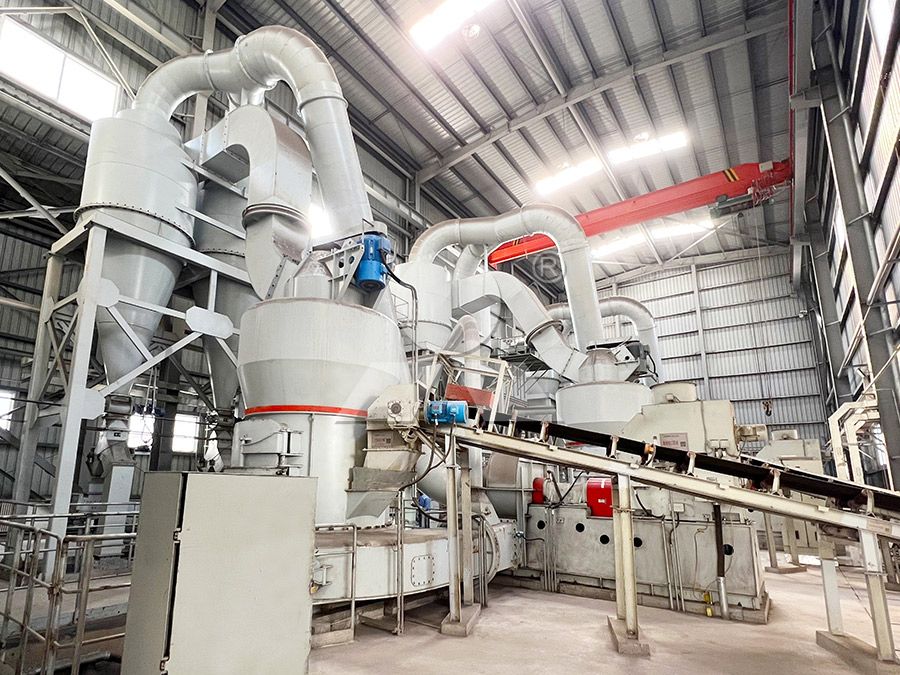
Why Dolomite Grinding Matters for Ceramics Production
Dolomite (CaMg(CO3)2) serves multiple functions in ceramics: as a flux to lower firing temperatures, as a source of MgO for thermal shock resistance, and as a filler in glaze formulations. For these applications, the powder must typically pass through 325 mesh (44 microns) or finer, with narrow particle size distribution. Any inconsistency in grinding leads to defects like pinholes, bloating, or color variation in finished products.
In Iraq, where raw material quality can vary across deposits, a robust pulverizer must compensate for feed inconsistencies. The ideal machine should offer adjustable fineness between 325 and 2500 mesh, allowing manufacturers to switch between body formulations and glaze recipes without changing equipment. Additionally, low iron contamination is critical—dolomite naturally contains iron impurities, but excessive iron from mill wear can ruin the whiteness of ceramic bodies.
Key Challenges in Iraqi Operating Environments
Operating an industrial pulverizer in Iraq presents unique hurdles. Summer temperatures exceeding 50°C strain cooling systems and lubricants. Dust from surrounding desert conditions accelerates wear on seals and bearings. Power grid instability can cause unexpected shutdowns, making machines with external lubrication systems—allowing maintenance without stopping production—particularly valuable. Furthermore, many facilities lack skilled technicians, so equipment must be straightforward to operate and maintain.
For these reasons, pulverizers with no rolling bearings or screws inside the grinding chamber eliminate common failure points. Machines that integrate dust collection and noise reduction also help plants comply with evolving environmental regulations in Iraq’s industrial zones.
Technical Specifications for Dolomite Pulverization
To achieve optimal results, a dolomite grinding system must include: primary crushing to reduce feed size below 20 mm, efficient grinding with low energy consumption, precise classification to target fineness, and dust-free operation. The capacity requirement for most Iraqi ceramic factories ranges from 3 to 25 tons per hour, depending on production scale.
LIMING Heavy Industry offers two particularly suitable solutions for this application: the MW Ultrafine Grinding Mill and the LUM Ultrafine Vertical Grinding Mill. Both machines have proven track records in Middle Eastern markets for processing dolomite and similar minerals.
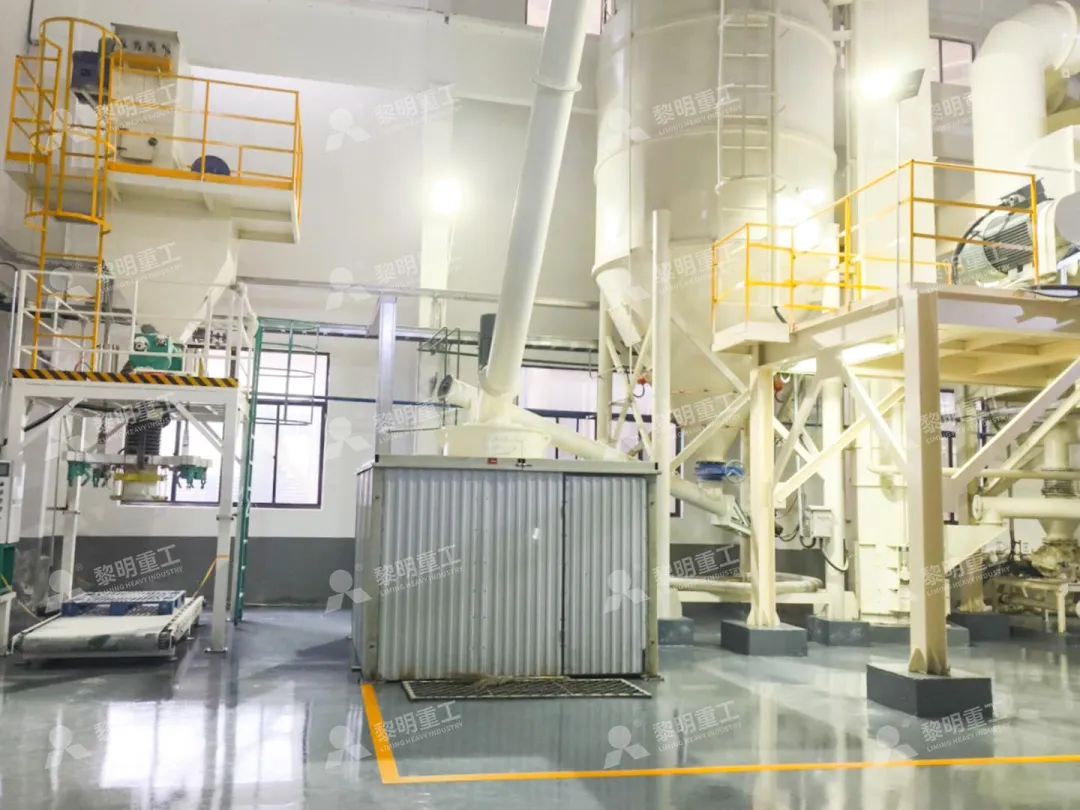
MW Ultrafine Grinding Mill
This mill accepts feed sizes up to 20 mm and delivers capacities from 0.5 to 25 tph. Its cage-type powder selector, based on German technology, provides adjustable fineness from 325 to 2500 mesh (d97 ≤ 5μm achievable in a single pass). The grinding chamber contains no rolling bearings or screws, eliminating common mechanical failures. An external lubrication system allows oil changes without stopping the mill—critical for 24/7 production in Iraqi factories.
The MW mill’s energy consumption is only 30% of a jet mill, while its yield doubles that of a ball mill under the same power. For ceramic raw material producers, this translates to lower electricity bills and higher output. The integrated pulse dust collector and silencer ensure compliance with environmental standards, reducing dust emissions and noise levels.
We strongly recommend the MW Ultrafine Grinding Mill for Iraqi ceramic manufacturers seeking ultra-fine dolomite powder with high whiteness and consistent quality. Its proven reliability in harsh conditions and low maintenance requirements make it a cost-effective choice.
LUM Ultrafine Vertical Grinding Mill
For operations requiring higher throughput (5-18 tph) with feed sizes up to 10 mm, the LUM Ultrafine Vertical Grinding Mill offers another excellent option. It integrates grinding, classification, and drying in one unit, simplifying plant layout. The mill uses Taiwan grinding roller technology and German powder separation, achieving energy savings of 30-50% compared to conventional mills.
Key innovations include double position-limiting technology that prevents destructive contact between rollers and millstone, ensuring stable operation even during power fluctuations. The reversible grinding roller design allows quick inspection and replacement of wear parts without heavy lifting, reducing downtime—a significant advantage where maintenance expertise is scarce.
The LUM Ultrafine Vertical Grinding Mill excels in producing fine dolomite powder for ceramic glazes, where particle size consistency directly impacts surface quality. Its digital control system enables precise adjustment of grinding pressure and separator speed, allowing operators to switch between different fineness requirements quickly.

Practical Considerations for Iraqi Buyers
When selecting an industrial pulverizer for dolomite in Iraq, consider total cost of ownership, not just purchase price. Energy costs in Iraq are rising, so mills with lower kWh per ton of product offer long-term savings. Availability of spare parts is another factor—LIMING maintains regional warehouses and can supply original components quickly. Training for local operators is also provided, covering routine maintenance and troubleshooting.
Both the MW and LUM mills feature numerical control machining for core parts, ensuring high precision and interchangeability. This reduces the risk of delays during repairs. The company’s commitment to after-sales support, including on-site technical services, makes these machines a reliable investment for Iraqi ceramic raw material producers.
Field results from similar installations in Jordan and Saudi Arabia show that these mills maintain consistent performance even with dolomite feed containing up to 5% moisture, provided a hot air system is integrated for drying. This flexibility is valuable in Iraq, where seasonal humidity variations affect raw material storage.

Conclusion: Investing in the Right Technology
Iraq’s ceramics industry stands at a crossroads: modernizing to compete with imports while managing operational costs. An industrial pulverizer for dolomite that delivers high yield, low energy consumption, and minimal downtime is not a luxury but a necessity. Both the MW Ultrafine Grinding Mill and the LUM Ultrafine Vertical Grinding Mill offer proven solutions tailored to these demands.
By choosing equipment designed for harsh environments and backed by comprehensive support, Iraqi manufacturers can secure a stable supply of quality raw materials, reduce production bottlenecks, and improve their market position. Contact LIMING Heavy Industry for a detailed proposal based on your specific capacity and fineness requirements.
Frequently Asked Questions
1. What fineness can the MW Ultrafine Grinding Mill achieve for dolomite?
The MW mill can produce powder with fineness adjustable between 325 and 2500 mesh. For ceramic applications, d97 ≤ 5μm is achievable in a single pass, ensuring suitability for both body and glaze formulations.
2. How does the LUM mill handle power fluctuations common in Iraq?
The LUM mill includes double position-limiting technology—electronic and mechanical—that prevents the grinding roller from striking the millstone during vibration caused by power instability. This protects the machine and maintains stable operation.
3. What maintenance is required for the MW mill’s lubrication system?
The MW mill uses an external lubrication system. Oil changes and filter replacements can be performed without stopping the mill, allowing continuous 24-hour production. Technicians should inspect oil levels weekly and change oil every 2000 operating hours.
4. Can these mills process dolomite with high moisture content?
Yes. With an optional hot air system, both the MW and LUM mills can handle feed materials with up to 10% moisture. The hot air dries the dolomite during the grinding and classification process, preventing clogging.
5. What is the typical power consumption per ton for grinding dolomite to 325 mesh?
For the MW mill, energy consumption is approximately 30-40 kWh per ton depending on feed size and target fineness. The LUM mill reduces this by 30-50% compared to ball mills, typically achieving 20-30 kWh per ton for similar outputs.
6. How long do wear parts last when grinding dolomite?
Roller shells and ring liners made of wear-resistant alloy typically last 18-24 months under continuous operation with dolomite, depending on feed abrasiveness. LIMING provides original spare parts to maintain performance.
7. What after-sales support is available for Iraqi customers?
LIMING offers on-site technical support for installation and commissioning, operator training, and a supply of genuine spare parts from regional warehouses. Remote troubleshooting via online platforms is also available.
8. Can the MW or LUM mill be integrated with existing crushing and conveying systems?
Yes. Both mills are designed for easy integration. They accept feed from standard crushers (jaw or hammer) and can be connected to bucket elevators, screw conveyors, or pneumatic transport systems. Detailed engineering support is provided during project planning.
9. What is the typical payback period for investing in an MW mill compared to older technology?
Based on energy savings (30% of jet mill consumption) and higher yield (double that of ball mill), most users achieve payback within 12-18 months, depending on local electricity tariffs and production volume.
10. Are there any environmental concerns with these mills in Iraqi industrial zones?
Both mills are equipped with efficient pulse dust collectors and silencers. Emissions meet international environmental standards. The closed-loop airflow system minimizes dust escape, and the low noise level satisfies typical workplace regulations in Iraq.