
Industrial pulverizer price & cost analysis for gypsum for cement additive in usa
Introduction: The Gypsum Grinding Challenge in the US Cement Industry
The use of gypsum as a cement additive is non-negotiable in the USA. It acts as a crucial set retarder, preventing the cement from flash-setting during hydration. For any cement plant or grinding station in the US, the operational efficiency and cost-effectiveness of their gypsum pulverizer directly impact the bottom line. The choice of industrial grinding mill—whether a ball mill, Raymond mill, or a modern ultrafine vertical mill—determines not just the fineness of the gypsum powder (typically required at 80-120 mesh for additive use), but also the energy bill, maintenance hours, and overall return on investment. In this analysis, we break down the real costs, operational benefits, and price considerations for an industrial pulverizer designed for gypsum processing, tailored specifically for the North American market.
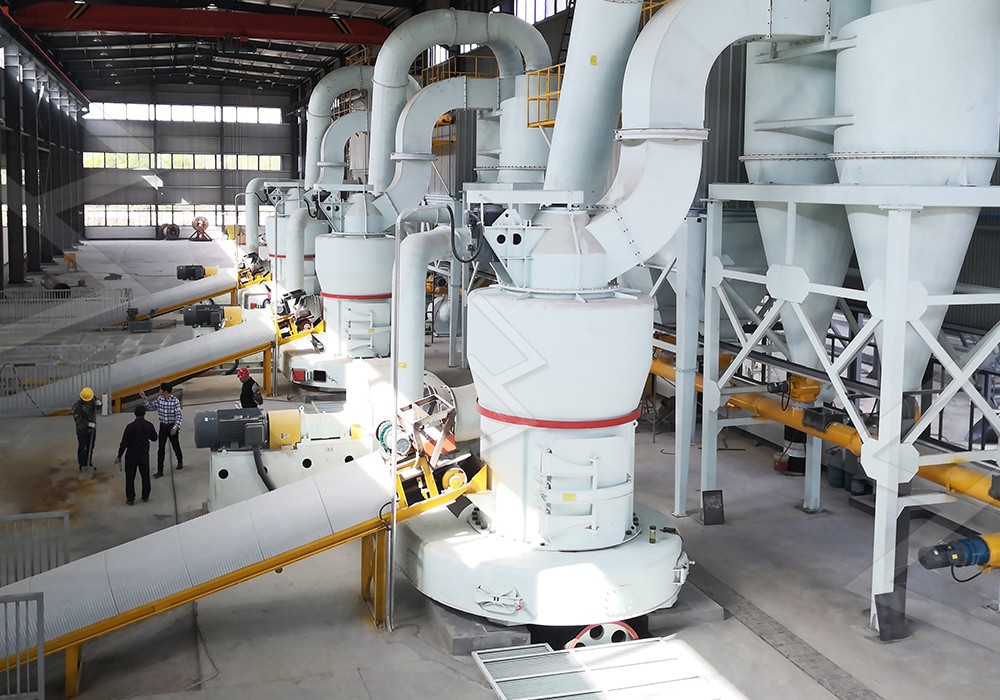
Breaking Down the Cost: Initial Capital vs. Operational Expenditure
When evaluating a gypsum pulverizer, American plant managers often focus on the purchase price first. However, the true cost analysis must include total cost of ownership (TCO). Traditional ball mills, while having a lower initial capital outlay, are notoriously power-hungry and inefficient for fine grinding. Their system energy consumption can be 30% or more of the total operating cost. Conversely, a modern vertical roller mill (VRM) or ultrafine grinding mill, such as the MW Ultrafine Grinding Mill by LIMING, offers a higher capital entry point but drastically reduces operational costs. Given the high industrial electricity rates in regions like the Northeast or California, a 30-50% reduction in energy consumption (as seen in our LUM series) can amortize the initial price difference within 18 to 24 months. This is a critical factor; your pulverizer price is not just the invoice—it is the sum of power usage, wear part replacement, and downtime.
For high-volume gypsum additive production (5-25 tph), we strongly recommend the MW Ultrafine Grinding Mill. With its input size of 0-20 mm, it perfectly handles pre-crushed gypsum rock. Its unique ‘no rolling bearing or screw’ design in the grinding chamber eliminates the risk of catastrophic bearing failure and unscheduled downtime—a cost that many operators fail to account for in their initial budget.

Energy Consumption: The Largest Variable in Gypsum Pulverization
Energy is the single largest cost driver. For gypsum grinding, the specific energy consumption can vary wildly. A standard ball mill might consume 30-40 kWh/t for grinding cement additive grade gypsum. In contrast, high-efficiency mills like the MW Ultrafine Grinding Mill have demonstrated a system energy consumption of only 30% of a jet mill or stirred mill, translating to roughly 10-15 kWh/t. This is achieved through the newly designed grinding curves of the rollers and rings, which enhance grinding efficiency by 40% compared to traditional equipment. In the USA, where energy costs are volatile, this efficiency acts as a hedge. Additionally, the LUM Ultrafine Vertical Grinding Mill uses a PLC control system for multi-head powder separation, reducing energy consumption by a further 30-50% compared to common mills. For a plant producing 100,000 tons of gypsum additive per year, saving 15 kWh per ton at $0.08/kWh results in annual savings of $120,000—a direct contribution to the plant’s profitability.
Maintenance and Wear Parts: The Hidden Cost Factor
The cost of wear parts—grinding rollers, rings, and liners—can make or break a grinding operation. In the US, the added cost of high-quality imported parts or downtime for replacement is substantial. The traditional Raymond mill or ball mill requires frequent greasing and replacement of vulnerable parts. However, the MW series uses wear-resistant alloy developed in conjunction with scientific institutes, offering a service life 1.7 to 2.5 times longer than standard high-manganese steel. Furthermore, the LUM series features a reversible structure for the grinding roller, allowing operators to quickly swing the roller out of the machine for maintenance without heavy crane usage. This ‘digitalized processing’ ensures high precision on core parts, reducing replacement frequency. By shifting from a ‘breakdown maintenance’ model to a ‘predictive maintenance’ model, you reduce inventory costs for spare parts and minimize production loss.

Quality and Fineness: Impact on Cement Performance
A pulverizer that cannot consistently deliver the required fineness (d97≤5μm for high-quality additions or standard 325 mesh) costs money through wasted material or rejected product. The MW Ultrafine Grinding Mill uses a German-technology cage-type powder selector, achieving a screening rate of d97≤5μm once. This precision ensures that every particle leaving the mill is optimized for cement hydration. Inconsistent gypsum fineness can lead to erratic setting times in the final cement, causing quality claims and penalties from ready-mix customers. The cost of non-compliance in the US structural concrete market is severe. Investing in a high-precision mill like the MW or LUM eliminates this risk, guaranteeing a ‘worry-free operation’ as stated in our production philosophy.
The ‘Green’ Premium: Environmental Compliance
Environmental regulations in the USA—from the EPA to local air quality boards—are strict. An open-circuit mill or a poorly sealed system will rack up fines and require expensive retrofitting for dust suppression. The MW and LUM series are designed with an efficient pulse dust collector and muffler. The MW mill operates ‘fully according to national environmental protection standards,’ with no dust pollution. For a cement additive plant, this means no costly baghouse retrofits and no noise complaints from neighboring communities. While a standard mill might save a few thousand dollars upfront, it could cost tens of thousands in environmental compliance upgrades or legal fees. The LUM vertical mill operates under negative pressure, ensuring zero dust spillage, which is a mandatory requirement for any new installation in California or the Northeast corridor.
Product Recommendation: For Your Next Gypsum Grinding Project
For cement plants looking for a high-output, ultra-fine solution with maximum energy savings, we recommend the MW Ultrafine Grinding Mill (0.5-25 tph, 0-20 mm input). It is tailor-made for the gypsum additive sector, offering a dust-free, silent operation with 40% higher capacity than jet mills. For larger scale operations requiring higher throughput (5-18 tph) and a compact vertical footprint, the LUM Ultrafine Vertical Grinding Mill is the premier choice. Both machines come with full technical support and a guaranteed supply of original spare parts from LIMING, ensuring your US operation runs without interruption.

Conclusion
Price analysis for a gypsum pulverizer in the USA must look beyond the sticker price. The true cost is a calculation of energy efficiency, maintenance downtime, part longevity, and environmental compliance. By choosing a modern, engineered solution like the MW or LUM series from LIMING, cement additive producers can secure a lower total cost of ownership, higher product quality, and a production line that meets the most stringent industrial standards in the United States. Do not just buy a machine; invest in a system that powers your profitability.