
Where to buy industrial pulverizer for kaolin for paper coating in tunisia
Introduction: The Critical Role of Kaolin in Tunisia’s Paper Industry
Tunisia has a growing paper and packaging sector that relies on high-quality coated paper for printing, packaging, and labeling. Kaolin, a naturally occurring clay mineral, is a key ingredient in paper coating formulations because it improves brightness, gloss, smoothness, and printability. However, the kaolin used for paper coating must be ultra-fine, typically with a particle size of 90% less than 2 microns (d90 ≤ 2 μm), and free of impurities. Achieving this level of fineness requires an industrial pulverizer that can grind kaolin efficiently without contaminating the product. This article guides Tunisian buyers on where to purchase the right pulverizer, what specifications to look for, and why LIMING’s MW Ultrafine Grinding Mill and LUM Ultrafine Vertical Grinding Mill are top choices for this application.

Understanding the Requirements for Kaolin Paper Coating
Before searching for a pulverizer, you need to define the technical parameters. Paper coating kaolin requires:
- Fineness: 325 to 2500 mesh (d97 ≤ 5 μm). For top-grade coated paper, d97 ≤ 2 μm is common.
- Whiteness: GE brightness above 85%.
- Low iron content: Iron contamination causes yellowing. The grinding mill must not introduce iron from wear.
- Moisture content: Final powder should have less than 0.5% moisture.
- Capacity: For a small to medium paper mill in Tunisia, 1 to 10 tons per hour is typical. Larger mills may need up to 25 tph.
Given these requirements, not every pulverizer is suitable. Ball mills, for instance, often introduce iron contamination and produce inconsistent particle size. Jet mills are energy-intensive and costly to operate. That is why advanced roller mills and vertical mills have become the standard.
Recommended Pulverizers for Kaolin in Tunisia
After analyzing your needs, we recommend two specific models from LIMING Heavy Industry, a global leader in grinding mill manufacturing with decades of experience serving the paper, paint, and chemical industries.
1. MW Ultrafine Grinding Mill – Best for High Fineness & Energy Savings
The MW Ultrafine Grinding Mill is designed specifically for customers who need ultra-fine powder between 325 and 2500 mesh. Its key advantages for kaolin paper coating include:
- Input size: 0–20 mm (raw kaolin after primary crushing).
- Capacity: 0.5–25 tph, covering small to large production lines.
- No rolling bearing or screw in grinding chamber: This eliminates the risk of lubricant leakage and iron contamination, keeping kaolin white and pure.
- German cage-type powder selector: Achieves d97 ≤ 5 μm in a single pass, with adjustable fineness. Screening rate is high, reducing recirculation load.
- Energy consumption: 40% higher yield than jet mills, 30% less energy than stirred mills. Compared to ball mills, output is double.
- Environmentally friendly: Equipped with pulse dust collector and silencer, meeting Tunisian environmental standards.
For a Tunisian paper coating plant producing 5 tph of d97 = 10 μm kaolin, the MW mill can run 24 hours continuously without shutdown for lubrication, thanks to its external lubricating device.

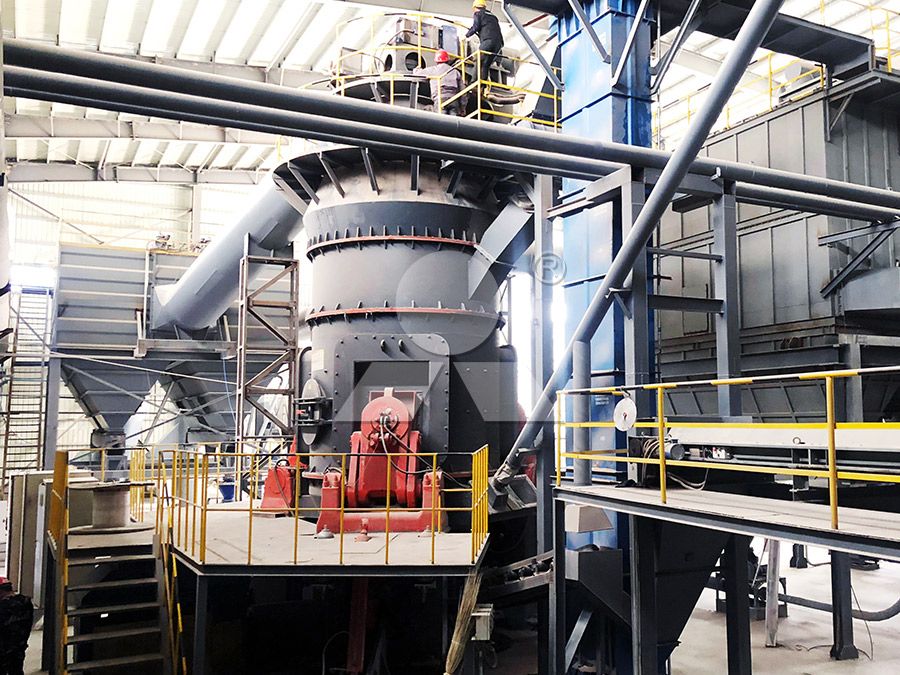
2. LUM Ultrafine Vertical Grinding Mill – Best for Large Capacity & High Whiteness
If your production requirement is 5 to 18 tph, and you value low iron content and superior product cleanliness, the LUM Ultrafine Vertical Grinding Mill is the better choice.
- Input size: 0–10 mm.
- Capacity: 5–18 tph, ideal for medium to large paper mills.
- Grinding roller and lining plate curve: Designed to form a stable material layer, preventing direct metal-to-metal contact. This reduces iron content in the final powder, preserving kaolin whiteness.
- Multi-head powder separating technology with PLC control: Users can precisely adjust grinding pressure and rotating speed. Compared to common mills, energy consumption is reduced by 30%–50%.
- Double position-limiting technology: Prevents destructive collisions between roller and millstone, ensuring stable operation even when feeding material with varying hardness.
- Reversible structure: The grinding roller can be swung out of the body for easy inspection and replacement of roller shell and liner plate. This reduces downtime for maintenance.
In Tunisia, where electricity costs can be high, the LUM mill’s energy savings translate to significant operational cost reduction over the lifespan of the equipment.
Where to Buy an Industrial Pulverizer for Kaolin in Tunisia
There are several channels to acquire a kaolin pulverizer in Tunisia:
- Direct from manufacturer: LIMING Heavy Industry (www.limingco.com) offers direct sales, installation, and after-sales service. They can ship to Tunis, Sfax, or any port in Tunisia. Spare parts are stocked globally, ensuring worry-free operation.
- Local agents and distributors: LIMING has partnered with industrial equipment distributors in North Africa. You can contact the company’s regional office to find an authorized agent in Tunisia who can provide local support, commissioning, and training.
- International trade platforms: Alibaba, Made-in-China, and TradeKey list LIMING’s mills. However, for a capital investment of this size, it is safer to deal directly with the manufacturer to avoid counterfeit parts and ensure warranty.
When contacting a supplier, provide these details:
- Feed size of your kaolin (after crusher).
- Target fineness (e.g., d97 = 10 μm or 5 μm).
- Required throughput (tons per hour).
- Local power supply (voltage, frequency).
- Whether you need a complete system (crusher, elevator, mill, classifier, dust collector, packing).
Why Choose LIMING for Kaolin Pulverization?
LIMING Heavy Industry has supplied grinding mills to more than 180 countries, including many in the Middle East and North Africa. Their machines feature digitalized processing, numerical control machine tools for core parts, and strict quality control. The company also offers original spare parts and technical services, so Tunisian customers do not have to worry about finding replacements later.
Both the MW Ultrafine Grinding Mill and the LUM Ultrafine Vertical Grinding Mill are proven in kaolin applications, with installations in Egypt, Algeria, and Morocco that produce coating-grade kaolin for the paper industry. The MW mill is particularly suitable for smaller operations wanting to enter the high-value coated paper market, while the LUM mill is ideal for established paper mills needing consistent, high-volume output with minimal contamination.
Working Principle Overview
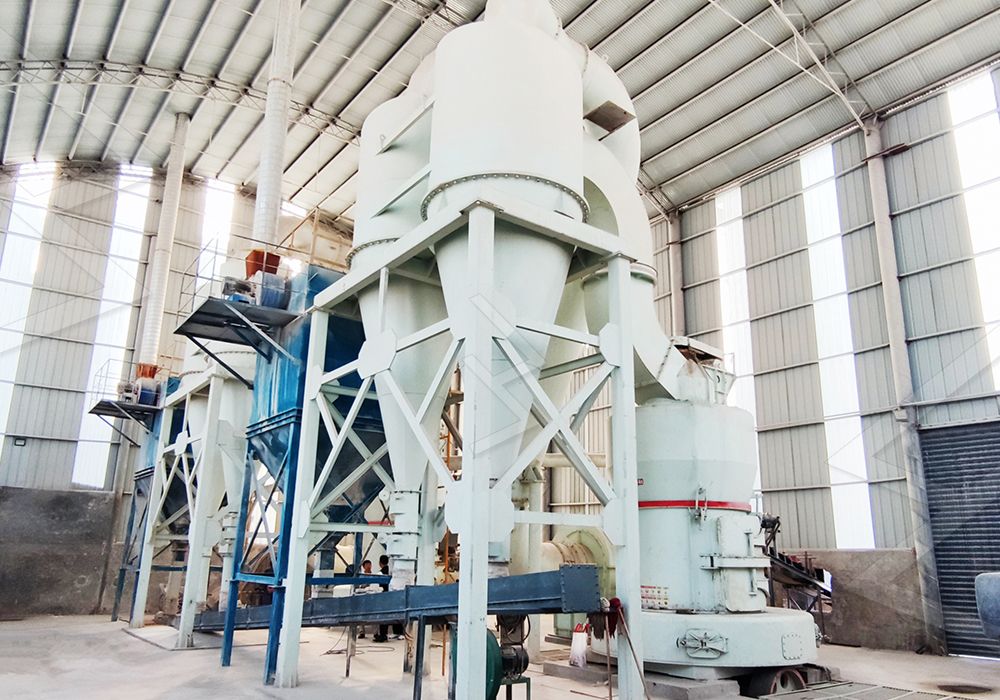
The MW mill works by driving dozens of rollers to rotate against a raceway ring. Material is fed to the center of the upper turnplate and crushed under centrifugal force. After grinding in three stages, the powder is carried by air to the separator. Coarse particles drop back for regrinding, while fine powder enters the cyclone collector and is discharged as final product. The entire system is under negative pressure, with a pulse dust collector ensuring no dust escapes.
The LUM mill uses a rotating millstone and rollers to form a material bed. The material moves from center to edge under centrifugal force, is ground between roller and liner, then carried upward by air flow. The rotor separator ensures only particles of the desired fineness pass through; coarse particles fall back to the millstone. This design minimizes iron contamination because the rollers and millstone do not touch directly.
Cost Considerations and Return on Investment
The initial investment for an MW or LUM mill ranges from approximately $80,000 to $500,000 depending on capacity and configuration. In Tunisia, where kaolin imports for paper coating can be expensive, producing your own ultra-fine kaolin from local deposits can reduce raw material costs by 30%–50%. Furthermore, energy savings of 30%–50% compared to traditional mills means the payback period is typically 12–24 months. The long service life of wear parts (1.7–2.5 times longer than conventional alloys) further reduces operating costs.
Conclusion: Take the Next Step
Tunisian paper mills looking to produce or import ultra-fine kaolin for coating should consider the MW Ultrafine Grinding Mill or the LUM Ultrafine Vertical Grinding Mill from LIMING. These machines offer high fineness, low energy consumption, minimal iron contamination, and compliance with environmental standards. Contact LIMING directly for a quotation, process design, and technical support tailored to your specific kaolin source and production goals.
Frequently Asked Questions (FAQ)
- What is the typical fineness required for kaolin used in paper coating?
Typically, d97 is between 2 μm and 10 μm (equivalent to 1250–2500 mesh). The MW mill can achieve d97 ≤ 5 μm in one pass, while the LUM mill can reach even finer grades with multi-pass operation. - Can these mills handle kaolin with moisture content above 10%?
The MW and LUM mills can process materials with moisture up to 10% if a hot air drying system is integrated. For most Tunisian kaolin, which is already dried after mining, a standard setup is sufficient. - How does the iron content in the final powder compare to ball mills?
Ball mills often introduce iron from steel balls and liners. In contrast, the MW mill has no rolling bearings or screws in the grinding chamber, and the LUM mill uses non-contact roller and millstone operation. As a result, iron content is significantly lower, preserving kaolin whiteness. - What is the power consumption per ton for an MW mill grinding kaolin to 1250 mesh?
Approximately 25–35 kWh per ton for the MW mill, depending on feed size and target fineness. This is about 30% lower than a jet mill and 40% lower than a stirred mill for the same output. - Do you offer installation and training in Tunisia?
Yes, LIMING provides on-site supervision during installation, commissioning, and operator training. We can also arrange remote technical support via video calls. Contact our export department for details. - What is the warranty period for the MW and LUM mills?
LIMING offers a standard 12-month warranty from the date of commissioning, covering defects in materials and workmanship. Wear parts are covered separately based on normal wear rates. - Can I use the same mill for both kaolin and other minerals like talc or calcium carbonate?
Yes, both the MW and LUM mills are designed for multiple materials. However, if you switch between kaolin and other minerals, thorough cleaning of the grinding chamber and classifier may be required to avoid cross-contamination. We can advise on cleaning procedures based on your product schedule. - What spare parts should I keep in stock for continuous operation?
We recommend stocking grinding rollers and rings (for MW) or roller shells and liner plates (for LUM), classifier rotor blades, seals, and a set of electric controls (contactors, relays). Our spare parts department can provide a customized list based on your mill model and operating hours. - How long does delivery take to Tunisia?
Standard delivery time is 30–45 days after order confirmation, depending on capacity and customization. Express delivery can be arranged for an additional fee. - Is there a mobile or skid-mounted version of these mills for temporary sites?
Currently, the MW and LUM mills are stationary units. For mobile applications, we can design a modular skid-mounted system upon request, but this typically requires longer lead time and higher engineering costs.