
How to optimize cement raw materials processing with raymond mill for cement manufacturing in philippines
Introduction: The Philippine Cement Challenge
Operating a cement plant in the Philippines comes with unique hurdles. You face high humidity, variable raw material quality from different quarries, and the constant pressure to keep energy costs low while meeting strict construction-grade specifications. The grinding stage, which consumes the majority of your plant’s electricity, is where profits are either made or lost. Many plant managers struggle with traditional ball mills that are power-hungry and require frequent maintenance shutdowns. But there is a smarter path forward.
Optimizing your raw material processing starts with choosing the right grinding technology. For many Philippine operations producing standard Portland cement, the classic Raymond Mill remains a workhorse. However, for plants targeting higher fineness or higher capacity, upgrading to modern vertical roller mill technology is the game-changer. This article will walk you through practical, on-the-ground strategies to boost your mill’s performance, reduce downtime, and improve final product quality.
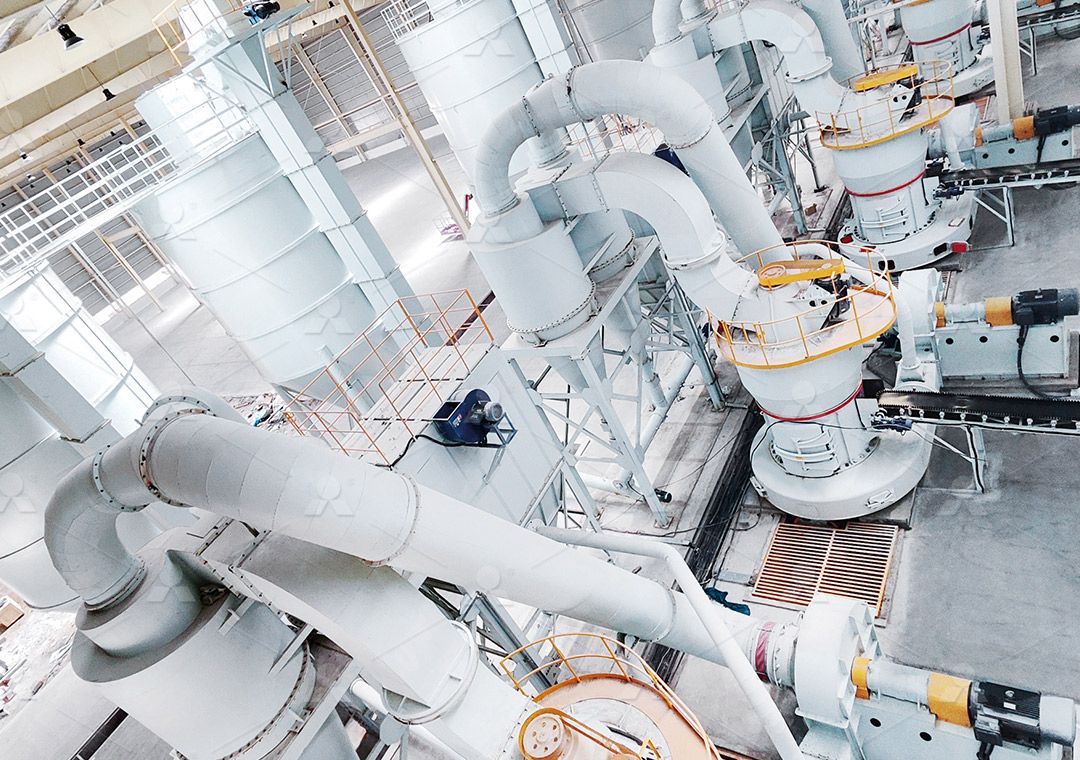
Moisture Control: The First Battle
Philippine limestone and clay often arrive at the mill with moisture levels exceeding 8-10%. A standard Raymond mill struggles here. If you feed wet material, you will see the mill plug, production rates drop, and the blower motor overheat. The first optimization step is pre-drying. Install a simple rotary dryer or use waste heat from your clinker cooler to reduce moisture to below 2% before it enters the mill.
For those who want to skip the pre-dryer, consider the MW Ultrafine Grinding Mill or the LUM Ultrafine Vertical Grinding Mill. The LUM model, in particular, handles slightly higher moisture because it integrates drying and grinding in one chamber. Its hot air intake can flash off surface moisture without plugging the grinding table.
Fineness Control: Balancing Quality and Throughput
Cement raw meal typically needs a fineness of 12-15% residue on a 90-micron sieve. Grinding too fine wastes energy and reduces mill throughput. Grinding too coarse hurts clinker burnability. The key is the classifier.
With a traditional Raymond mill, adjusting the separator speed is your main tool. But if you need precise, repeatable fineness, the LUM Ultrafine Vertical Grinding Mill offers a multi-head cage-type powder separator. You can dial in fineness between 325 and 2500 mesh without stopping the mill. This digital control means you switch from raw meal to a finer product for additives without losing a shift to manual adjustments.
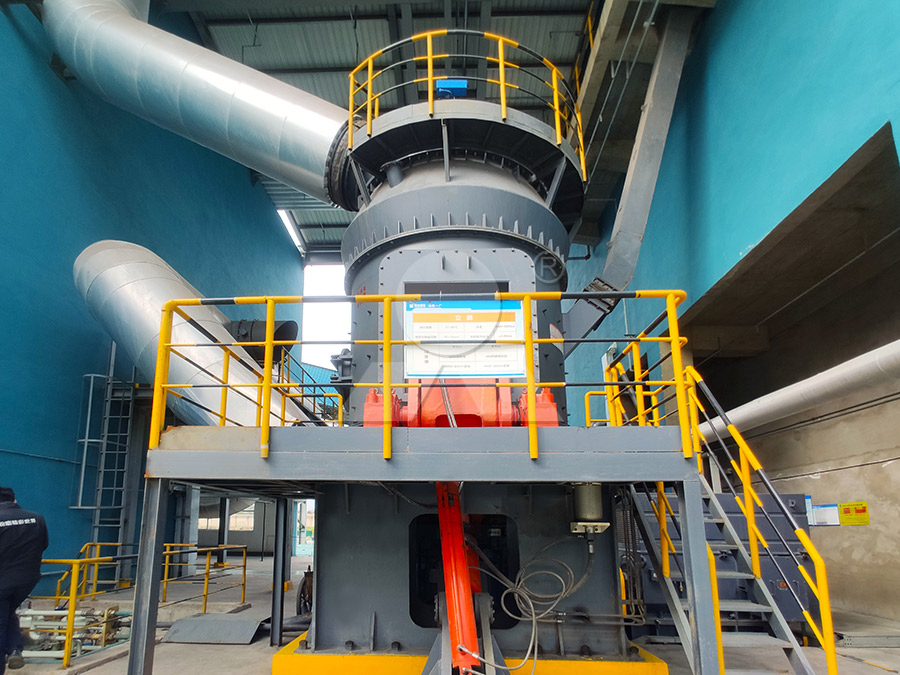
Wear Management: Philippine Abrasives
Silica in Philippine sand and high manganese in some ores cause severe wear on grinding rollers and rings. A Raymond mill with standard high-manganese steel liners may last only 4-6 months before you need to replace parts. This means lost production and high spare parts costs.
You can extend wear life by 40-50% by switching to alloy steel rollers or ceramic-lined grinding rings. The LUM Ultrafine Vertical Grinding Mill is designed with reversible roller shells. Instead of replacing the entire roller, your maintenance team can flip the shell to expose a fresh grinding surface. This cuts downtime in half. For plants processing very abrasive materials like quartzite, the MW Ultrafine Grinding Mill with its no-screw, no-bearing chamber design eliminates the common failure points that plague Raymond mills.
Energy Efficiency: Cutting the Electricity Bill
Energy is the single largest cost in cement grinding. A standard ball mill consumes around 30-35 kWh per ton of raw meal. An optimized Raymond mill can lower that to 20-25 kWh per ton. But the LUM Ultrafine Vertical Grinding Mill drops consumption further to 15-18 kWh per ton, a 30% reduction compared to typical Raymond systems. This happens because the LUM mill uses a material bed grinding principle. The rollers apply pressure directly to the material layer, so energy goes into crushing particles, not wasted in rotating heavy steel balls.
To maximize savings, always run the mill at full load. Avoid stop-start operations. Use a variable frequency drive on the main motor and classifier to match power draw exactly to the feed rate. In the Philippines, where power rates are among the highest in Asia, this efficiency gain alone can pay for a mill upgrade in under two years.
Maintenance Strategy: Shorter Shutdowns
Philippine plants often operate near capacity. A 24-hour shutdown for mill maintenance is a crisis. You need equipment that lets your team work fast.
The LUM Ultrafine Vertical Grinding Mill features a hydraulic roller turning-out device. With a few lever movements, your maintenance crew swings the grinding roller out of the mill body. They can then inspect the liner, change the roller shell, and grease the bearings without crawling inside the hot mill. No need to wait for the mill to cool completely. This reduces a typical roller change from 16 hours down to 4 hours.
For the MW Ultrafine Grinding Mill, the absence of rolling bearings and screws inside the chamber means you eliminate the most common cause of unscheduled downtime: bearing seizure and screw loosening. The external lubrication system allows you to grease the main shaft while the mill operates, keeping production running 24/7.
Environmental Compliance: Dust and Noise
Philippine DENR standards are tightening. Open-air grinding with dust leakage is no longer acceptable. Both the MW Ultrafine Grinding Mill and the LUM Ultrafine Vertical Grinding Mill come standard with pulse jet dust collectors. These bag filters capture 99.9% of particles, meaning your stack emissions stay well below 20 mg/Nm³. The LUM mill also runs under negative pressure. Even if a seal fails, air leaks inward, not outward. You keep the plant floor clean and avoid complaints from nearby communities.
Noise is another concern. The MW mill is equipped with a muffler and soundproofing insulation. Sound levels around the mill stay under 85 decibels, protecting your workers’ hearing without expensive earplug programs.
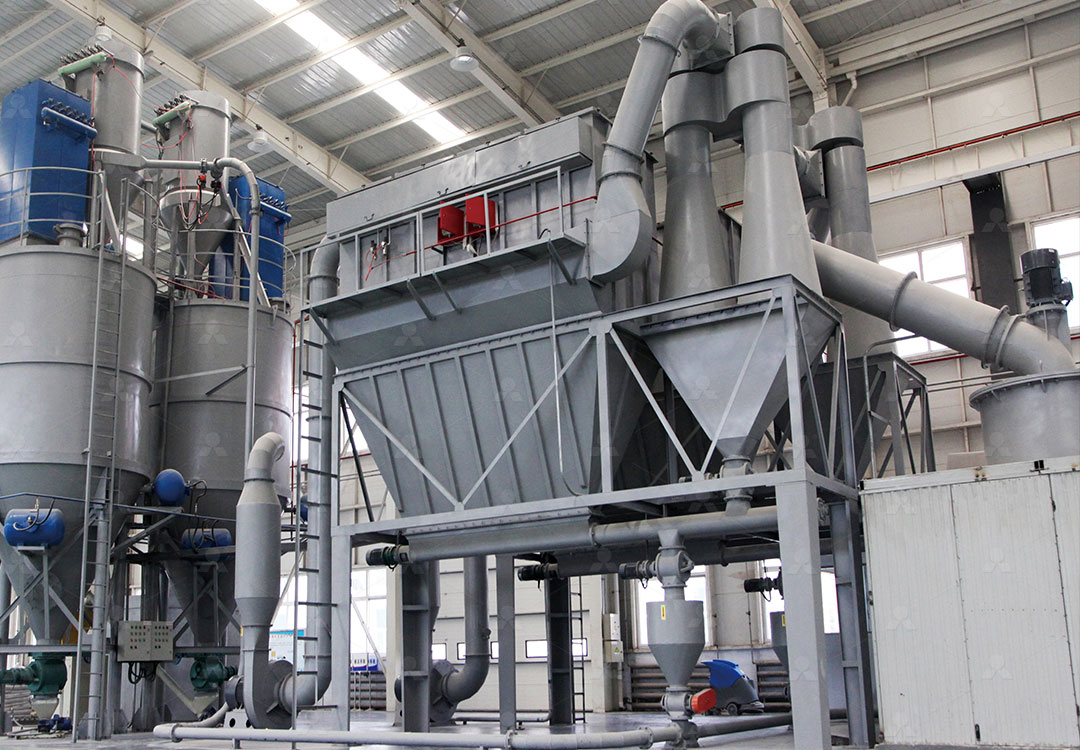
Feeding Consistency: The Hopper and Feeder Setup
Any mill is only as good as its feed system. A common mistake in Philippine plants is using a vibrating feeder that pulses material into the mill. This causes the grinding zone to overload and then starve, wasting power and producing inconsistent fineness.
For the MW Ultrafine Grinding Mill, install a screw feeder with a variable speed drive. Feed material at a constant rate, never exceeding 80% of the mill’s rated capacity. Use a metal detector before the feeder to catch tramp iron. Even a small bolt can damage the grinding ring of a Raymond-type mill. The LUM mill can handle small iron debris because it discharges them through a slag port, but prevention is still cheaper than repair.
Conclusion: A Tailored Approach
Optimizing cement raw material grinding in the Philippines is not a one-size-fits-all plan. For smaller plants producing up to 5 tons per hour, upgrading a classic Raymond mill with better classifiers and wear parts works well. But for plants looking to scale, reduce energy costs, and meet stricter environmental rules, investing in the LUM Ultrafine Vertical Grinding Mill is the logical step. It combines high capacity, low energy use, and easy maintenance in a compact footprint. For ultra-fine applications like cement additives or limestone for flue gas desulfurization, the MW Ultrafine Grinding Mill delivers 325-2500 mesh powder with less than 30% of the energy of a jet mill.
Every Philippine quarry is different. You need to test your specific raw materials. Request a grindability test from LIMING. We will send you a report showing the exact kWh per ton, wear rates, and optimal moisture levels for your actual limestone, clay, or shale. That data is the foundation of a truly optimized mill operation.
Frequently Asked Questions (FAQ)
- Q: Can I use a Raymond mill for wet Philippine limestone?
A: Not directly. Raymond mills require feed moisture below 2-3%. If your limestone is wet, dry it first using a rotary dryer or waste heat. Alternatively, use the LUM Ultrafine Vertical Grinding Mill which integrates drying within the grinding chamber. - Q: Which mill is best for producing fine cement additives like limestone powder?
A: For superfine powder (325-2500 mesh), the MW Ultrafine Grinding Mill is ideal. It has higher efficiency than a jet mill and lower energy consumption. For large-scale production of standard raw meal, the LUM Ultrafine Vertical Grinding Mill is better. - Q: How often should I replace grinding rollers in the LUM mill?
A: With typical Philippine limestone, the roller shells last 4000-6000 operating hours. The reversible shell design means you can flip the shell once, doubling useful life before replacement. Check shell thickness every 2000 hours. - Q: What is the power consumption difference between Raymond mill and LUM vertical mill?
A: A standard Raymond mill consumes about 30-35 kWh per ton of raw meal. The LUM mill reduces this to 15-18 kWh per ton, a saving of up to 50%. This is due to the material bed grinding technology and efficient classifier. - Q: Is the MW mill noisy?
A: No. The MW Ultrafine Grinding Mill includes a muffler and noise elimination room as standard equipment. Sound levels are kept below 85 dB(A) at 1 meter distance, compliant with Philippine occupational safety standards. - Q: Can I automate the feeding process?
A: Yes. Both the MW and LUM mills are compatible with PLC control systems. You can link the feeder speed, mill main motor load, and classifier speed to run fully automated, with remote monitoring via a control room computer. - Q: What spare parts should I keep in stock?
A: For the MW mill, stock grinding roller assemblies, rings, and dust collector filter bags. For the LUM mill, stock roller shells, liner plates, and hydraulic seals. LIMING ensures sufficient supply of original spare parts for worry-free operation.