
Grinding machine for talc for rubber additive in thailand
Grinding machine for talc for rubber additive in Thailand
Thailand has long been a key player in the global rubber industry, with its natural rubber production and rubber-based manufacturing sectors driving significant demand for high-quality additives. Among these additives, talc powder plays a critical role as a filler, processing aid, and reinforcement agent in rubber compounds. For Thai rubber manufacturers, selecting the right grinding machine for talc is not just about achieving fine particle size—it’s about consistency, operational efficiency, and compliance with environmental standards. This article explores the technical considerations, equipment options, and practical insights for grinding talc specifically for rubber additive applications in Thailand.
Why talc is essential for rubber compounding in Thailand
Talc, a hydrated magnesium silicate mineral, is widely used in the rubber industry for several reasons. It improves the stiffness, dimensional stability, and heat resistance of rubber products. In Thai factories producing tires, hoses, seals, and industrial rubber goods, talc powder acts as an anti-sticking agent and reduces the viscosity of the rubber compound during processing. However, the effectiveness of talc depends heavily on its fineness and particle distribution. For rubber applications, talc is typically ground to 325 mesh to 2500 mesh, with a narrow particle size distribution to ensure uniform dispersion. This is where the choice of grinding equipment becomes critical.
Key challenges in grinding talc for rubber additives
Grinding talc presents unique challenges. Talc is a soft mineral with a Mohs hardness of 1, but it is also platy and can be difficult to pulverize uniformly. In Thailand’s tropical climate, moisture content in raw talc can vary, affecting grinding efficiency and powder flowability. Additionally, rubber manufacturers demand powders with minimal iron contamination, as iron can cause discoloration and reduce the quality of light-colored rubber products. Traditional ball mills often introduce high iron content due to abrasion, and jet mills, while producing fine powders, consume excessive energy. For these reasons, Thai processors have been increasingly turning to advanced ultrafine grinding mills that combine high capacity, low energy consumption, and precise fineness control.
Recommended solution: MW Ultrafine Grinding Mill
After evaluating various mill types, we strongly recommend the MW Ultrafine Grinding Mill for talc grinding in rubber additive production. This machine is designed specifically for customers who need to produce ultra-fine powder with consistent quality. With an input size of 0-20 mm and a capacity ranging from 0.5 to 25 tph, it is well-suited for small to medium-scale operations common in Thailand’s rubber additive sector. The MW mill can achieve a fineness adjustment between 325 and 2500 meshes, with a screening rate of d97≤5μm once. This level of precision ensures that the talc powder meets the strict requirements of rubber compounders.
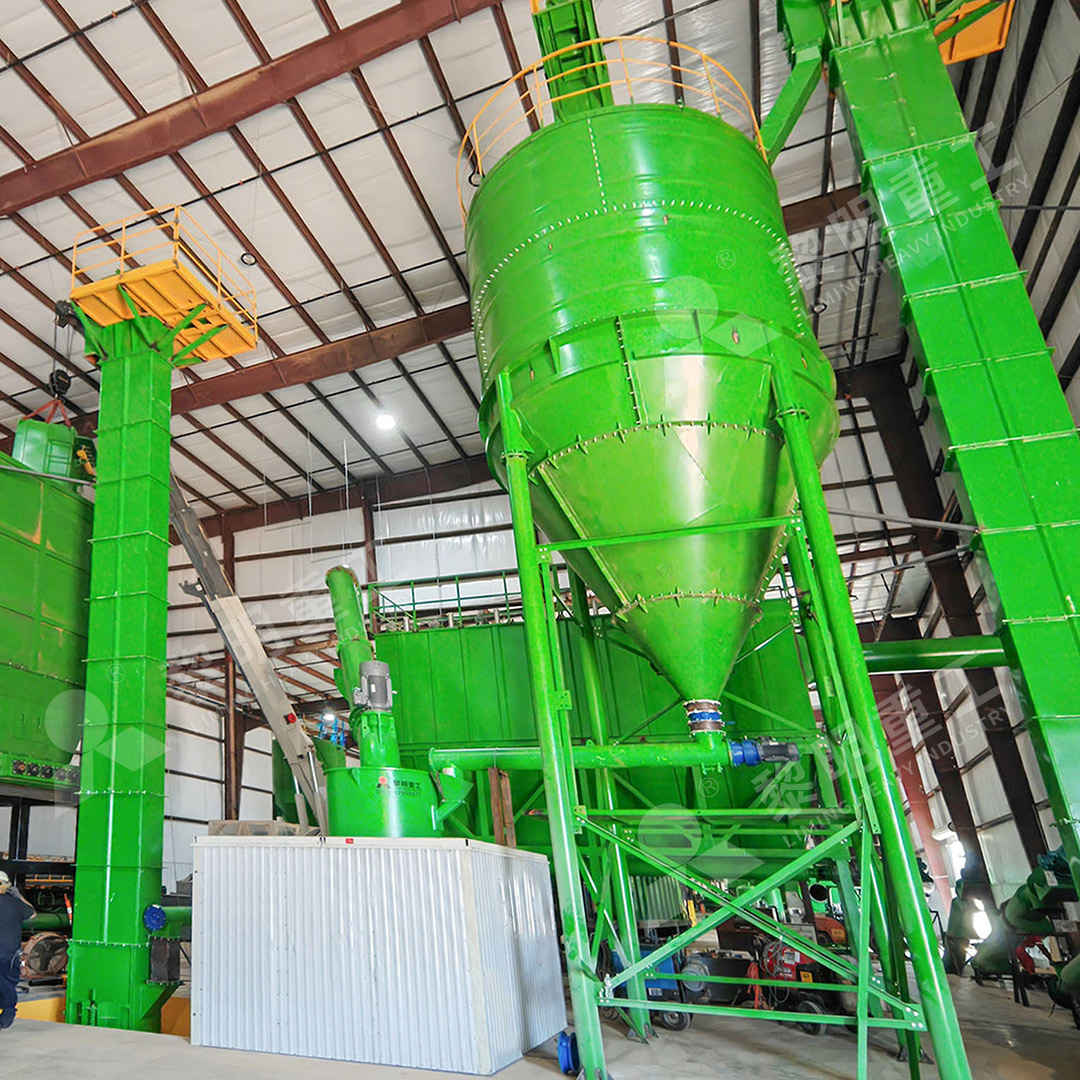
One of the standout features of the MW Ultrafine Grinding Mill is its grinding chamber design. There are no rolling bearings or screws inside the chamber, which eliminates the risk of bearing damage or loose screws causing machine failure. The lubricating device is installed externally, allowing for 24-hour continuous operation without shutdown for lubrication. This is a significant advantage for Thai factories that run multiple shifts to meet export deadlines.
Environmental and operational benefits for Thai factories
Thailand’s Department of Industrial Works has been tightening environmental regulations, especially concerning dust and noise pollution. The MW Ultrafine Grinding Mill is equipped with an efficient pulse dust collector and a muffler, ensuring that the entire milling system generates no dust pollution and operates within acceptable noise limits. This makes it easier for Thai manufacturers to obtain and maintain their environmental permits. The mill’s energy consumption is only 30% of that of a jet grinding mill, yet its production capacity is 40% higher. For a typical talc grinding operation in Rayong or Samut Prakan, this translates into substantial cost savings over the machine’s lifespan.
Comparisons with other mills: Why MW stands out
We also offer the LUM Ultrafine Vertical Grinding Mill and the LM Vertical Grinding Mill, both of which are excellent machines for different applications. The LUM mill, for example, uses Taiwan grinding roller technology and German powder separating technology, making it ideal for superfine dry powder of non-metal ores. However, for talc specifically used as a rubber additive, the MW mill’s cage-type powder selector provides superior precision. The LUM mill has a capacity of 5-18 tph and an input size of 0-10 mm, which is suitable for larger operations, but its investment cost is higher. The LM Vertical Grinding Mill, with its capacity of 3-340 tph, is designed for massive industrial throughput, making it overkill for most talc grinding plants in Thailand. For the balance of cost, capacity, and fineness, the MW Ultrafine Grinding Mill remains the optimal choice.
Working principle in a Thai context
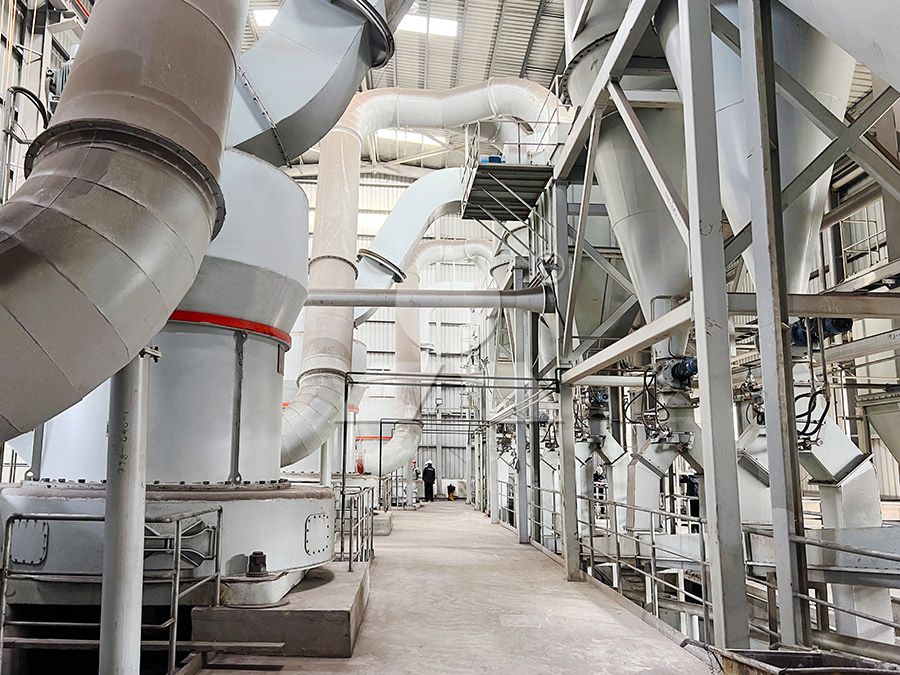
The MW mill operates on a multi-stage grinding principle. The motor drives the main shaft and turnplates through a reducer, which in turn drives dozens of rollers to rotate against the raceway of the ring. In a typical setup in a Thai factory, raw talc is first crushed by a hammer crusher to below 20 mm, then transported to a hopper via an elevator. A vibrating feeder evenly distributes the material to the center of the upper turnplate. Under centrifugal force, the material falls to the raceway and is crushed into powder. After passing through three stages, the powder is carried by air to a powder separator. Coarse particles drop back for regrinding, while fine powder enters a cyclone collector and is discharged as final product. The air current is purified by a filter before being released, ensuring compliance with Thai emission standards.
Maintenance and spare parts in Thailand
One concern for Thai buyers is the availability of spare parts and technical support. LIMING, the manufacturer, covers production and sales and takes responsibility for every machine produced. We can offer original spare parts and technical services to ensure worry-free operation. Given that many Thai factories are located in industrial estates far from major cities, having a reliable supply chain for wear parts like grinding rollers and rings is crucial. The MW mill’s wear parts have a service life 1.7-2.5 times longer than traditional high manganese steel parts, reducing downtime and maintenance costs.
Conclusion
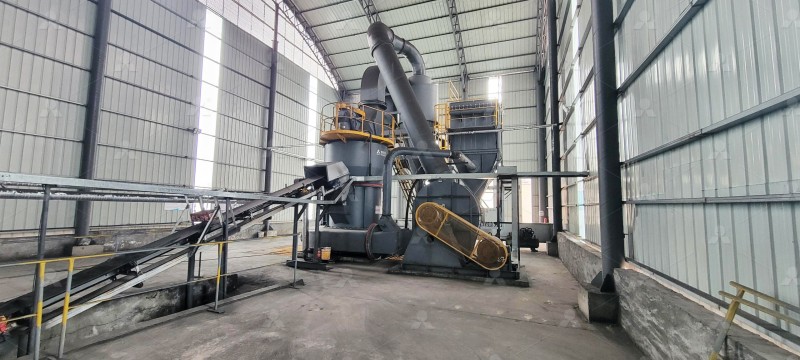
For Thai manufacturers seeking to grind talc for rubber additives, the MW Ultrafine Grinding Mill offers a proven solution that balances high yield, low energy consumption, precise fineness control, and environmental compliance. Its design eliminates common maintenance headaches and supports continuous operation. When you are ready to upgrade your milling line or establish a new talc processing plant, consider the MW mill as your primary equipment. Contact us for detailed specifications and a customized quotation for your Thai operation.
Frequently Asked Questions (FAQ)
1. Can the MW Ultrafine Grinding Mill handle talc with high moisture content?
Yes, the mill can process materials with moisture up to 6-8%. For higher moisture, a pre-drying step is recommended using a rotary dryer or hot air system.
2. What is the typical power consumption for grinding talc to 1250 mesh?
For the MW mill, power consumption is approximately 25-35 kWh per ton, depending on the feed size and desired fineness. This is significantly lower than jet mills.
3. How often do the grinding rollers and rings need replacement?
With normal operation and proper maintenance, the wear parts last between 6 to 12 months, processing talc 8 hours per day. Actual lifespan depends on feed purity and operating conditions.
4. Does the MW mill require a separate dust collection system?
No, the mill is equipped with an efficient pulse dust collector as standard. An external baghouse may be added for central collection if multiple mills are used.
5. What is the lead time for delivery to Thailand?
Standard lead time is 45 to 60 days after order confirmation. Express delivery may be available for an additional fee.
6. Can the mill produce talc powder for food-grade rubber applications?
Yes, the MW mill can achieve fineness down to d97≤5μm, which meets food-contact rubber standards. However, the entire production line must be cleaned and dedicated to non-toxic materials.
7. What after-sales support is available in Thailand?
We have a regional service center in Bangkok and partner technicians in Rayong, Chonburi, and Samut Sakhon. We provide on-site commissioning, training, and 24/7 hotline support.
8. Is financing available for Thai buyers?
Yes, we work with local financial institutions to offer leasing and installment payment plans for qualified buyers. Contact our sales team for details.