
Grinding mill price & cost analysis for cement clinker for ready-mix factories in algeria
Grinding Mill Price & Cost Analysis for Cement Clinker in Algerian Ready-Mix Factories
The Algerian construction sector is experiencing a steady growth, driven by infrastructure projects and housing developments. For ready-mix concrete factories, the cost and efficiency of cement clinker grinding directly impact the bottom line. Choosing the right grinding mill is not just about the initial purchase price; it involves a comprehensive analysis of operational costs, energy consumption, maintenance, and the final quality of the cement. This article provides a professional cost-benefit analysis of various grinding mill technologies, specifically tailored for cement clinker processing in Algeria, with a focus on achieving the required fineness for high-quality concrete.
Current Market Reality for Ready-Mix Plants in Algeria
Ready-mix factories across Algeria, from Algiers to Oran and Constantine, face specific challenges. Energy costs are a significant concern, and the availability of consistent power supply can vary. Import regulations and logistics for spare parts add another layer of complexity. Therefore, a grinding solution must not only be efficient but also durable and easy to maintain. The typical target for cement fineness in ready-mix applications is a Blaine specific surface area of 3000 to 4000 cm²/g, or a particle size distribution of around 325 mesh (44 microns) passing at least 90%. This requires reliable and precise grinding equipment.
Breaking Down the Total Cost of Ownership
When evaluating grinding mill prices, Algerian factory managers must look beyond the initial capital expenditure (CAPEX). The total cost of ownership (TCO) includes:
- Energy Consumption (OPEX): Grinding is one of the most energy-intensive processes. A mill that consumes 30-40% less energy can save millions of Algerian Dinars annually.
- Wear Parts and Maintenance: The cost and frequency of replacing grinding rollers, rings, and liners are critical. Long-lasting parts reduce downtime and maintenance labor.
- Installation and Foundation: Some mills require massive civil foundations, while others have a compact footprint, reducing installation costs.
- Product Quality and Consistency: A stable product fineness reduces variability in concrete mix designs, leading to lower wastage of cement and additives.
Comparing Mill Technologies for Clinker Grinding
Several technologies are available to the Algerian market, each with a different price point and operating profile.
1. Traditional Ball Mills
Ball mills are a well-known technology with a lower initial purchase cost. However, they are energy-intensive and have a large footprint. For a typical 50 tph clinker grinding unit, a ball mill system might consume over 40 kWh/t. The noise level is high, and the wear on steel balls and liners is considerable.
2. Vertical Roller Mills (VRM)
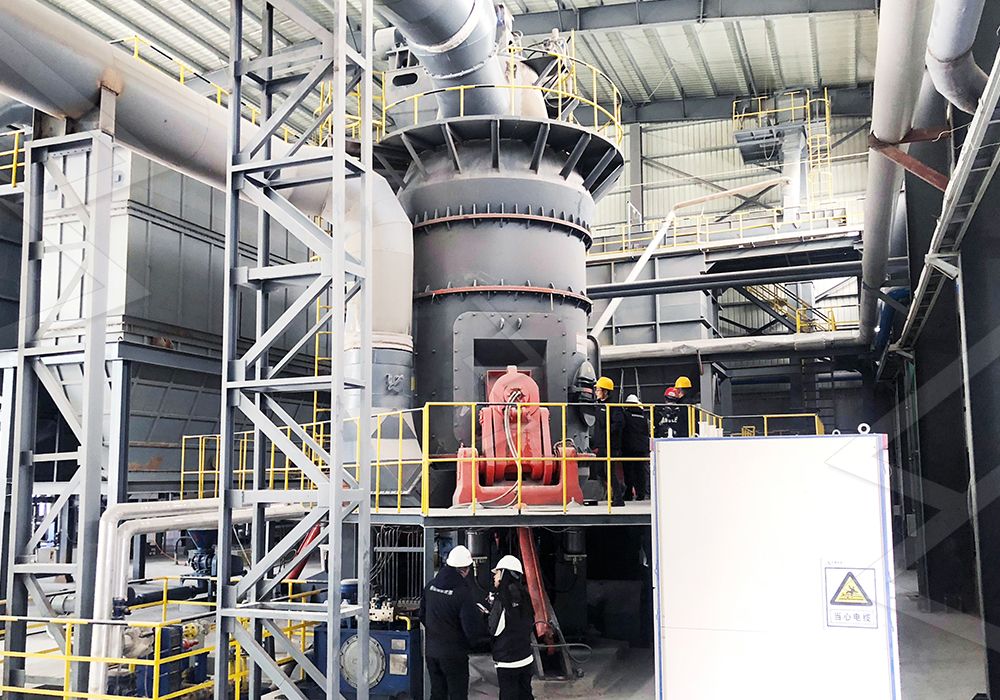
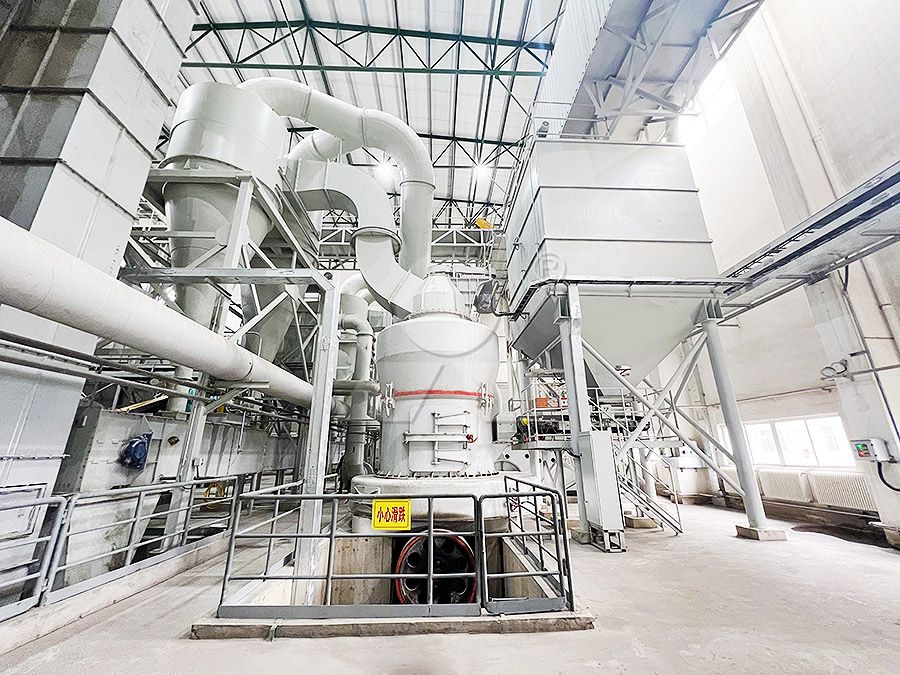
Vertical mills have become the industry standard for new installations due to their energy efficiency. Our LM Vertical Grinding Mill is specifically designed for materials like cement clinker. With an input size of up to 70 mm and capacity ranging from 3 to 340 tph, it offers significant advantages. The integration of crushing, drying, grinding, and classifying in one unit reduces the footprint by 50% compared to a ball mill, and energy savings are in the range of 30-40%. For an Algerian ready-mix plant producing 100,000 tons of cement per year, this can translate to a reduction of over 1,500 MWh in electricity consumption annually. The low iron content in the product is also a major advantage for producing white or high-quality cement.
3. Ultrafine Grinding Mills for High-Performance Blends
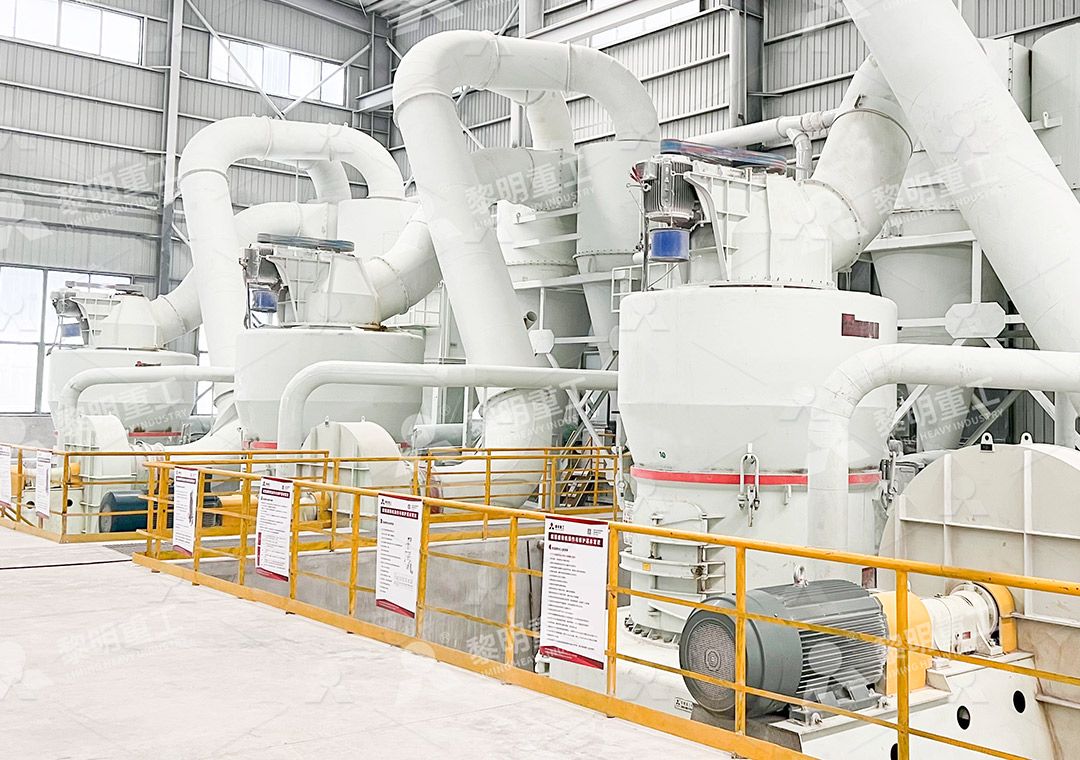
For factories looking to produce specialized high-strength concrete or incorporate mineral additives (like limestone, slag, or pozzolana), an ultrafine mill is a game-changer. The MW Ultrafine Grinding Mill is engineered for this exact purpose. It can process materials from 0-20 mm and achieve a fineness adjustable between 325 and 2500 mesh (d97 ≤ 5μm). This allows for the production of very fine cement with high early strength. The key cost advantage here is higher yield with lower energy consumption. Compared to a jet mill, the MW series yields 40% higher capacity with only 30% of the energy use. This is critical for value-added products in the Algerian market.
Detailed Cost Analysis for a 20 tph Clinker Grinding Line
Let us model a typical scenario for a medium-sized ready-mix factory in Algeria requiring 20 tons per hour of finished cement (Blaine 3800 cm²/g).
- Option A: Ball Mill System
- Estimated CAPEX: 100% (Baseline)
- Power Consumption: ~42 kWh/t
- Annual Energy Cost (8,000 hrs/yr, 7 DZD/kWh): ~47 million DZD
- Maintenance Cost (Wear parts): High (liners & balls replaced every 1-2 years)
- Option B: LM Vertical Grinding Mill
- Estimated CAPEX: 130% of Ball Mill
- Power Consumption: ~28 kWh/t
- Annual Energy Cost: ~31 million DZD
- Maintenance Cost: Lower (roller shells last 6,000+ hours)
- Annual Savings vs. Ball Mill: 16 million DZD (energy only)
- Option C: MW Ultrafine Grinding Mill (for high fineness)
- Estimated CAPEX: 150% of Ball Mill
- Power Consumption: ~32 kWh/t (at d97<10μm)
- Annual Energy Cost: ~36 million DZD
- Benefit: Enables production of high-value, low-clinker factor cements, reducing clinker purchase costs by up to 15%.
The analysis clearly shows that while the initial investment for an advanced mill is higher, the payback period is often less than 18 months due to energy savings alone. Furthermore, for the MW Mill, the ability to grind ultrafine slag or limestone filler allows the factory to reduce its clinker factor from 85% to 70%, significantly cutting raw material costs.
Why Choose LIMING Heavy Industry for Your Algerian Factory?
Selecting a reliable partner is as important as choosing the equipment. LIMING Heavy Industry provides complete solutions for Algerian ready-mix plants.
- Digitalized Processing: Our mills are manufactured using CNC machine tools, ensuring high precision and long-lasting core parts. This reduces the risk of unexpected failures in remote Algerian sites.
- Environmental Compliance: Both the LM and MW series are equipped with efficient pulse dust collectors and silencers, ensuring operation fully complies with Algerian environmental standards for dust and noise.
- Sufficient Spare Parts Supply: We maintain a robust supply chain for original spare parts, such as grinding roller shells and liners. This ‘worry-free operation’ policy is vital for factories that cannot afford long, unplanned shutdowns.
- Fast Service: Our team can provide technical support and on-site commissioning assistance across Algeria.
Operational Recommendations for Algerian Ready-Mix Factories
To maximize the return on investment, operators should consider the following:
- Feed Material Preparation: Ensure clinker and gypsum feed size is within the mill’s specification (e.g., <10mm for LUM or <50mm for LM). Proper pre-crushing with a jaw crusher protects the mill and boosts throughput.
- Optimize Fineness: For standard ready-mix concrete, a fineness of 3500-4000 cm²/g is optimal. Going higher increases energy costs without proportional benefits in concrete strength.
- Use of Additives: Additives like grinding aids can improve mill throughput by 5-10% and reduce energy consumption. LIMING can advise on the best integration strategies.
- Preventive Maintenance: Use the external lubrication system on the MW Mill to perform maintenance without stopping production. Regular checks on the separator and dust collector bags are essential.
In conclusion, while the initial ‘grinding mill price’ is a factor, the long-term ‘cost analysis’ heavily favors modern vertical and ultrafine mill technologies. For Algerian ready-mix factories, investing in an LM Vertical Grinding Mill or an MW Ultrafine Grinding Mill is not just an equipment purchase; it is a strategic move to reduce operational costs, improve product quality, and ensure environmental compliance. Contact us for a detailed site-specific proposal and cost analysis tailored to your factory’s needs in Algeria.
Frequently Asked Questions (FAQ)
- What is the typical payback period for a vertical roller mill in Algeria?
Based on current energy costs (approx. 7 DZD/kWh) and production volumes, the payback period for an LM Vertical Mill compared to a ball mill is typically between 12 and 18 months, driven primarily by energy savings. - Can the MW Ultrafine Grinding Mill handle slag or pozzolana?
Yes, the MW mill is excellent for grinding industrial by-products like slag and natural pozzolana to ultrafine levels (d97 < 10μm), making them highly reactive for use as cement substitutes. - What is the maximum moisture content the mills can handle?
The LM Vertical Mill can handle materials with up to 15% moisture using its hot air drying system. The MW Mill is best for materials with less than 10% moisture for optimal operation. - How often do the grinding rollers need to be replaced?
For the LM Mill, the roller shell life is typically 6,000 to 8,000 hours when grinding cement clinker. For the MW Mill, the wear life is even longer due to advanced wear-resistant alloys. - Do you provide on-site commissioning and training in Algeria?
Absolutely. LIMING Heavy Industry provides full on-site commissioning services and operator training for our customers in Algeria to ensure smooth startup and efficient operation. - What is the installed power requirement for a 20 tph MW Ultrafine Mill?
The main motor for a 20 tph MW grinding mill is typically around 250-315 kW, plus power for the auxiliary equipment (blower, separator, etc.), totaling approximately 400-450 kW. - Can the mill be controlled remotely?
Yes, both the LM and MW series are equipped with automatic control systems (PLC) that allow for remote monitoring and control, which is ideal for central control rooms in large factories. - How does the LM Vertical Mill reduce noise pollution?
The LM mill operates with a sealed system and has a unique design where the grinding roller and table do not directly contact metal-on-metal, significantly reducing noise levels compared to ball mills. - What is the warranty period on your grinding mills?
LIMING offers a standard one-year warranty on all components, with extended warranty options available for major structural parts like the mill body and base. - Can we use the same mill for both clinker and limestone grinding?
Yes, the LM Vertical Mill is highly flexible and can be used for both clinker grinding and limestone pre-grinding, allowing you to switch production based on demand, maximizing equipment utilization.