
Using industrial pulverizer for limestone for soil ph adjustment in canada
Using Industrial Pulverizer for Limestone for Soil pH Adjustment in Canada
Across Canada’s diverse agricultural and land management sectors, maintaining optimal soil pH is a fundamental challenge. Acidic soils, prevalent in many regions from the Atlantic provinces to parts of the Prairies and British Columbia, can severely limit nutrient availability, stunt crop growth, and reduce overall land productivity. The application of finely ground agricultural limestone (aglime) remains the most effective and economical method for long-term soil pH correction. However, the efficacy of this amendment is directly tied to its fineness and uniformity. This is where modern industrial pulverizing technology transitions from a mere mechanical process to a critical component of sustainable land management.

The Science of Soil Amendment: Why Particle Size Matters
Applying coarse limestone is an exercise in diminished returns. Larger particles react with soil acids at a glacial pace, often taking years to fully neutralize acidity. In contrast, finely pulverized limestone offers a dramatically increased surface area, accelerating the chemical reaction. Research consistently shows that material ground to a fine powder can correct soil pH within a single growing season, whereas coarse material may require three to five years for the same effect. For Canadian farmers and land reclamation projects facing short growing windows, this speed is not just convenient—it’s economically vital. Furthermore, ultra-fine particles ensure a more even distribution in the soil profile, preventing localized “hot spots” of high pH and creating a uniform growing environment.
Beyond the Farm: Broader Applications in the Canadian Context
The need for high-quality pulverized limestone extends beyond traditional agriculture:
- Land Reclamation: Restoring pH balance in soils disturbed by mining, forestry, or industrial activity.
- Turf Management: Maintaining golf courses, sports fields, and public parks.
- Environmental Remediation: Treating acidic runoff or amending soils at contaminated sites.
- Composting & Organic Waste Processing: Balancing pH in large-scale composting operations to optimize microbial activity.
Each application demands a consistent, reliable supply of precisely graded limestone powder, turning the pulverizing process into a strategic operation.

Selecting the Right Pulverizing Technology
Not all grinding mills are created equal, especially when the goal is a specific, fine mesh product for sensitive applications like soil contact. Traditional hammer mills or coarse crushers often produce an inconsistent, gritty product with a high percentage of ineffective, oversized particles. The modern solution lies in advanced grinding mills engineered for high fineness, energy efficiency, and minimal environmental impact.
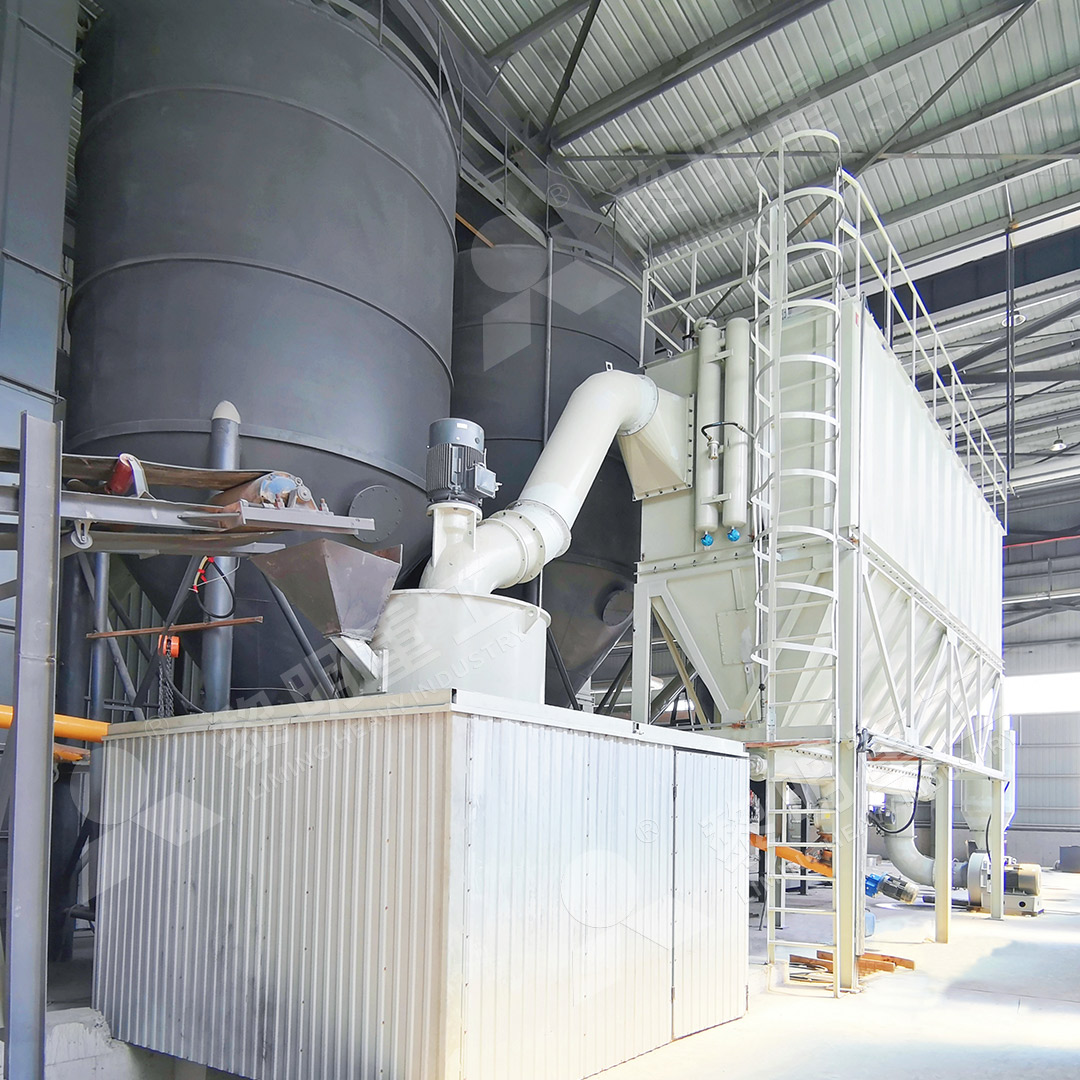
For operations requiring moderate to high capacity of ultra-fine limestone powder, the MW Ultrafine Grinding Mill presents a compelling solution. Engineered for customers who need to make ultra-fine powder, this mill is particularly suited for producing the high-surface-area limestone crucial for fast-acting soil amendment. With an adjustable fineness range between 325-2500 meshes, operators can dial in the exact specification required for their specific soil type and amendment goals. Its innovative design, featuring a cage-type powder selector with German technology, ensures a precise cut point and a high screening rate capable of achieving d97≤5μm. Perhaps most importantly for agricultural suppliers, its higher yielding and lower energy consumption—reportedly 40% higher capacity than jet mills at the same power—translate directly into lower cost per ton of effective amendment. The integrated efficient pulse dust collector and muffler system addresses environmental and workplace safety concerns, ensuring the production process itself aligns with the green goals of soil improvement.
A Robust Solution for High-Volume Operations
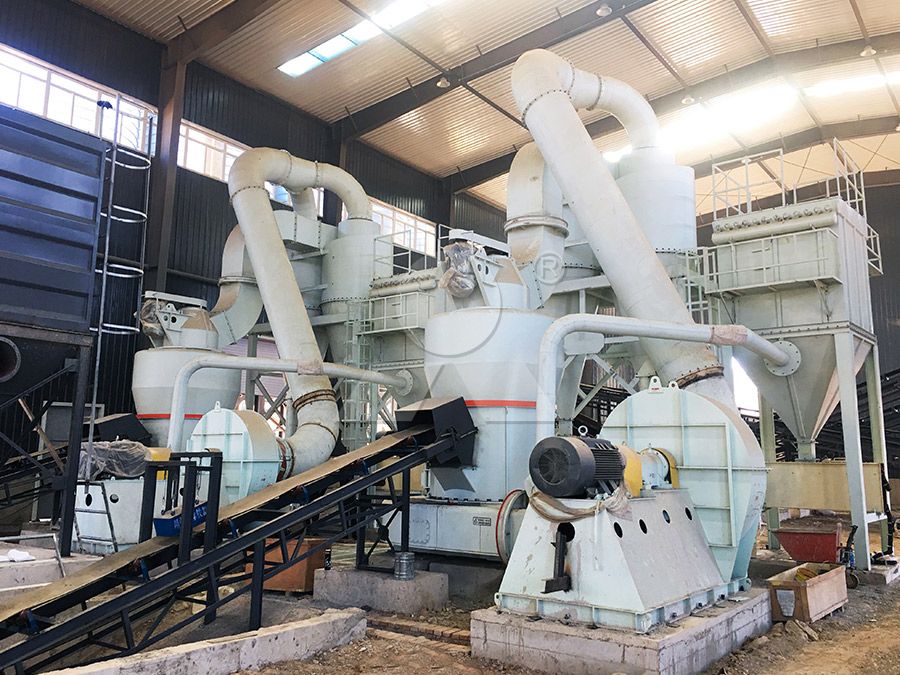
For larger-scale projects, municipal operations, or suppliers serving vast agricultural regions, capacity and reliability are paramount. The LM Vertical Grinding Mill integrates crushing, drying, grinding, classifying, and conveying into a single, compact system. Its ability to handle input sizes up to 70 mm and deliver capacities from 3 to 340 tph makes it ideal for processing run-of-quarry limestone directly into agricultural-grade powder. A key advantage for soil amendment production is its short grinding time and low iron content. The materials linger in the mill briefly, reducing repeated grinding and ensuring the final product has minimal metallic contamination—a critical factor for organic farming and sensitive ecosystems. Furthermore, its 30%-40% energy savings compared to traditional ball mills and significantly smaller footprint make it a sustainable choice both economically and spatially.
Operational and Economic Considerations for Canadian Operators
Investing in dedicated pulverizing equipment for aglime production involves several key considerations:
- Fineness Control: The mill must offer precise and adjustable particle size control to meet different provincial recommendations and crop-specific needs.
- Energy Efficiency: With rising energy costs, mills that deliver more tons per kilowatt-hour provide a decisive long-term advantage.
- Dust Management: A closed, negative-pressure system with effective pulse-jet dust collection is non-negotiable for worker health and environmental compliance.
- Maintenance & Downtime: Designs that allow for easy access to wear parts and feature durable, wear-resistant materials keep operations running smoothly during critical seasonal demand periods.
- Versatility: The ability to also process other materials (e.g., gypsum, dolomite) can provide valuable business diversification.
The integration of digitalized processing and numerical control in manufacturing today’s advanced mills, like the MW and LM series, ensures the high precision and consistency required for this application. Coupled with comprehensive technical support and genuine spare parts availability, it allows Canadian businesses to operate with confidence, knowing their core soil amendment production asset is backed for worry-free operation.
Conclusion: Building Soil Health from the Ground Up
Correcting soil acidity is more than just a chemical adjustment; it’s an investment in the foundational health of the land. By leveraging advanced industrial pulverizing technology, Canadian agri-businesses, compost facilities, and reclamation projects can transform raw limestone into a highly reactive, uniform, and effective soil amendment. This ensures that every tonne applied delivers maximum corrective power, supporting sustainable crop yields, successful environmental restoration, and the long-term productivity of Canada’s vital soil resources. Choosing the right grinding technology is the first critical step in this chain of efficacy, turning geological resource into agricultural solution.
Frequently Asked Questions (FAQs)
1. What fineness (mesh size) of limestone is recommended for agricultural soil amendment?
For rapid pH correction, a fineness of 80-100% passing through a 100-mesh sieve is often considered effective. For very fast-acting results, especially in short-season areas, material ground to 200-325 mesh or finer (like that produced by the MW Ultrafine Grinding Mill) reacts within months rather than years.
2. Can the same mill process materials other than limestone?
Yes, modern mills like the MW and LM series are designed for multiple non-metallic minerals. They can effectively grind gypsum (for calcium and sulfur), dolomite (for magnesium and calcium), and other brittle materials useful in soil conditioning, allowing for operational flexibility.
3. How significant is the dust control in these milling systems?
It is paramount. Systems equipped with efficient pulse-jet dust collectors and fully sealed negative-pressure operation, such as those described, prevent particulate matter release. This protects workers, meets stringent Canadian environmental and workplace safety regulations, and preserves product yield.
4. What are the main advantages of a vertical grinding mill (like the LM series) for this application?
Key advantages include a significantly smaller footprint (up to 50% less area than ball mills), integrated drying (useful for processing limestone with higher moisture), lower energy consumption (30-40% savings), and the ability to handle a wide range of feed sizes and capacities suitable for large-scale operations.
5. How does particle fineness impact the application rate of limestone?
Finer particles have greater neutralizing power per unit weight. Therefore, a recommended application rate based on standard “effective calcium carbonate equivalent” (ECCE) will often require less total tonnage of ultra-fine lime compared to coarse lime to achieve the same pH change, offering potential savings in transport and spreading costs.
6. Is remote monitoring or automation available for these grinding systems?
Many contemporary industrial mills feature advanced control systems with PLC integration. This allows for remote monitoring of key parameters like pressure, temperature, and feed rate, and enables precise control over product fineness, contributing to consistent quality and operational efficiency.
7. What is the typical maintenance concern for grinding mills processing abrasive materials like limestone?
The primary wear occurs on grinding rollers and rings/liners. Choosing mills with wear-resistant alloy components and designs that facilitate easy access for inspection and part replacement (like reversible roller structures) is crucial to minimize downtime and maintain consistent product fineness.