
Roller mill for dolomite for ceramics raw material in usa
Roller Mill for Dolomite: Optimizing Ceramics Raw Material Processing in the USA
The American ceramics industry, renowned for its innovation and quality, demands raw materials of exceptional purity and precise particle size. Dolomite, a calcium magnesium carbonate mineral, is a critical component in many ceramic formulations, acting as a flux to lower firing temperatures and enhance product strength and whiteness. However, transforming raw dolomite into a consistent, ultra-fine powder suitable for high-grade ceramics presents a significant technical challenge. The choice of grinding technology directly impacts product quality, production efficiency, and operational costs.
Traditional grinding methods often fall short. Ball mills, while common, can introduce iron contamination from media wear, adversely affecting the whiteness of the final ceramic product. They also tend to be energy-intensive and offer limited control over particle size distribution. Jet mills, though capable of producing fine powder, come with high energy consumption and operational complexity. For modern ceramics manufacturers, the ideal solution must deliver ultra-fine grinding (often down to the micron level) with minimal contamination, high energy efficiency, and robust, reliable operation.
The Critical Role of Advanced Grinding Technology
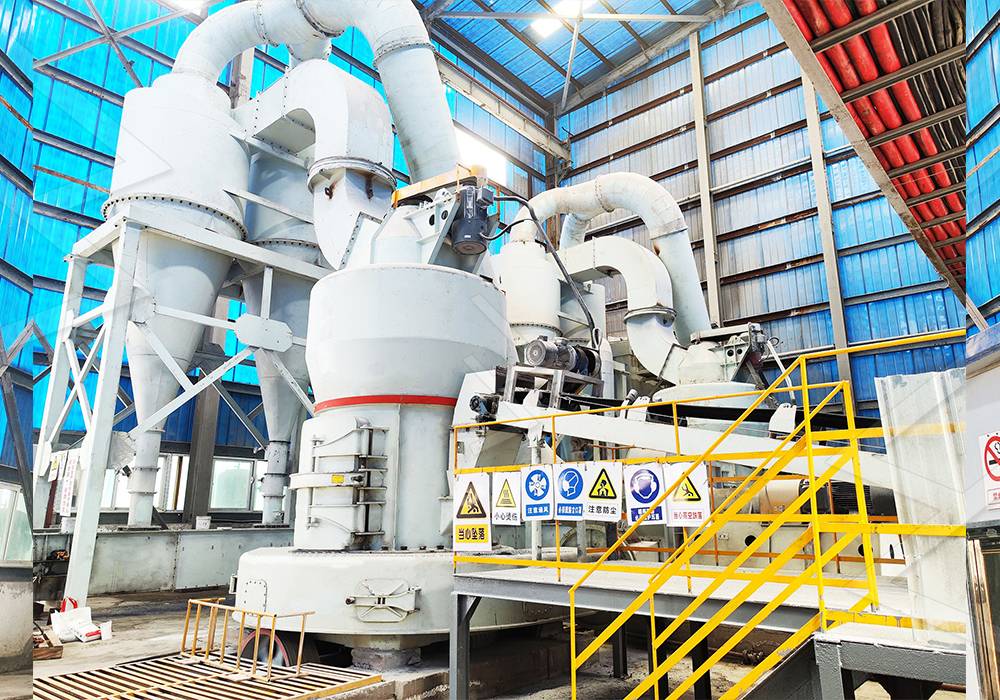
Advanced roller mill technology has emerged as the superior answer for processing ceramics-grade dolomite. Modern designs move beyond simple crushing to integrate grinding, classifying, and conveying within a single, streamlined system. The core principle involves grinding material between rollers and a stationary ring or table. This method applies controlled pressure and shear forces, allowing for efficient size reduction with less energy than impact-based systems.
Key advantages for ceramics producers include:
- Superior Product Purity: Minimized metal-to-metal contact in the grinding zone and the use of advanced sealing systems drastically reduce iron contamination, preserving the natural whiteness of dolomite.
- Precise Particle Size Control: Integrated high-efficiency classifiers allow for real-time adjustment of product fineness, ensuring a consistent powder that meets exacting ceramic body or glaze specifications.
- Enhanced Energy Efficiency: The roller grinding mechanism consumes significantly less power per ton of output compared to traditional ball or jet mills, a major factor in reducing production costs.
- Integrated Drying: Many systems can incorporate hot gas streams, enabling simultaneous grinding and drying of raw material, which is crucial for moisture-sensitive processes.
Introducing the MW Ultrafine Grinding Mill: Engineered for Excellence
For operations requiring the pinnacle of fineness and purity, the MW Ultrafine Grinding Mill stands out as a premier choice. Specifically designed for producing ultra-fine powders between 325 and 2500 meshes, this mill is perfectly suited for high-value ceramics raw materials like dolomite.
Its innovative design directly addresses the pain points of ceramics manufacturers. The cage-type powder selector, utilizing German technology, ensures exceptionally precise particle separation, achieving a screening rate of d97≤5μm in a single pass. This guarantees the uniform, superfine powder critical for smooth ceramic surfaces and predictable sintering behavior. Furthermore, the grinding chamber is ingeniously designed with no rolling bearings or screws, eliminating common failure points and concerns about lubricant contamination. Maintenance is simplified, and operational uptime is maximized.

From an environmental and operational standpoint, the MW mill excels. It is equipped with an efficient pulse dust collector and silencer, ensuring the entire production process meets stringent U.S. environmental standards for dust and noise emissions. With an input size of 0-20 mm and a capacity range of 0.5 to 25 tons per hour, it offers flexibility for various production scales, from specialized studios to full-scale industrial plants.
Vertical Integration: The LUM Ultrafine Vertical Grinding Mill Advantage
Another formidable solution for dolomite processing is the LUM Ultrafine Vertical Grinding Mill. This vertical roller mill integrates the latest grinding roller and powder separating technologies. Its unique roller shell and lining plate grinding curve are designed to easily generate a stable material layer, enabling a high rate of finished product in a single pass. This design not only boosts efficiency but also improves the whiteness and cleanliness of the dolomite powder—a non-negotiable quality in premium ceramics.
The LUM mill’s double position-limiting technology provides exceptional operational stability, protecting the mill from disruptive vibrations. For maintenance crews, its reversible structure is a game-changer; the grinding roller can be easily swung out of the mill body for swift inspection or replacement of wear parts, drastically reducing downtime. With a capacity of 5-18 tph for materials up to 10 mm, it is a robust and reliable workhorse for continuous production environments.

Conclusion: Investing in Precision for Competitive Edge
The selection of a dolomite roller mill is a strategic decision for any ceramics business in the USA. It is an investment not just in equipment, but in product quality, cost control, and environmental stewardship. Moving to advanced, purpose-built grinding solutions like the MW Ultrafine Grinding Mill or the LUM Ultrafine Vertical Grinding Mill allows manufacturers to achieve unparalleled consistency in their raw materials, reduce their energy footprint, and minimize maintenance headaches. In a competitive market where quality is paramount, leveraging such technology is key to crafting superior ceramics and securing a lasting advantage.
Frequently Asked Questions (FAQs)
- What is the typical fineness range achievable for dolomite powder used in ceramics?
For most ceramic applications, dolomite is ground to a fineness between 400 and 1250 meshes. Advanced mills like the MW series can consistently produce powder up to 2500 meshes for specialized uses. - How does a roller mill prevent iron contamination compared to a ball mill?
Roller mills minimize direct metal wear in the grinding zone. Designs like the MW mill have no rolling bearings in the chamber, and wear parts are often made from specialized alloys, drastically reducing the introduction of iron particles. - Can the mill handle moist dolomite feedstock?
Many modern vertical roller mills, including the LUM series, integrate a drying function. Hot air can be introduced during grinding to simultaneously dry and pulverize material with moisture content within specified limits. - What are the primary maintenance concerns with an ultrafine grinding mill?
Primary maintenance involves monitoring and replacing wear parts like grinding rollers and rings. Mills designed with reversible roller systems (e.g., LUM mill) significantly simplify this process, reducing maintenance time and cost. - How significant are the energy savings with newer roller mill technology?
Savings are substantial. Technologies like the multi-head powder separator and efficient grinding curves can reduce energy consumption by 30% to 50% compared to traditional ball mills and even older Raymond mill designs. - Is the particle size distribution adjustable during operation?
Yes. Mills equipped with advanced, variable-speed classifiers (like the cage-type selector in the MW mill) allow operators to adjust the fineness of the output product in real-time without stopping production. - What dust collection systems are integrated to meet EPA standards?
Pulse-jet baghouse dust collectors are standard on high-end mills. These systems, like the one on the MW mill, operate at very high efficiency (typically >99.9%), ensuring full compliance with U.S. environmental regulations.