Top 7 grinding mill suppliers for kaolin for cosmetic clay
Finding the Right Grinding Mill for Kaolin in Cosmetic Clay Production
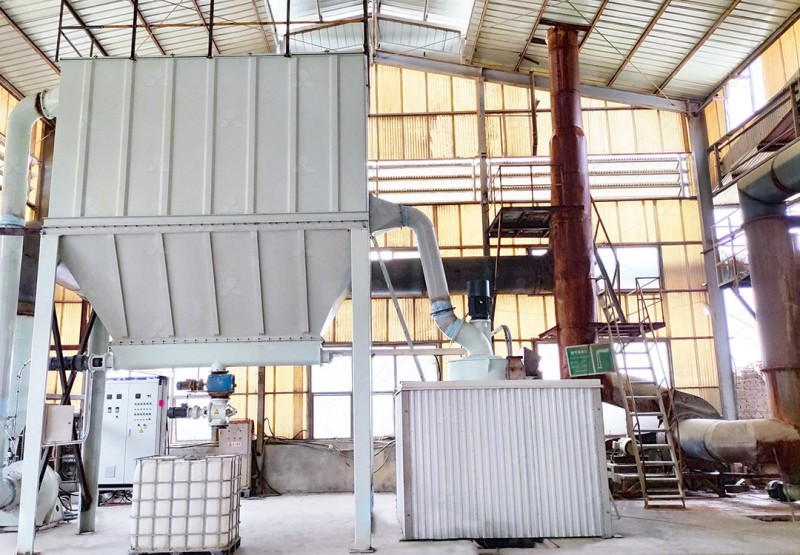
When it comes to producing high-quality cosmetic clay, the grinding mill you choose can make or break your final product. Kaolin, a naturally occurring clay mineral, is a staple in the cosmetics industry—used in face masks, powders, and foundations. But achieving the ultra-fine particle size and purity required for these applications isn’t straightforward. It demands precise milling technology, low iron content, and consistent output. Over the years, I’ve seen manufacturers struggle with contamination, excessive energy bills, and inconsistent fineness. That’s why I’ve put together this list of the top 7 grinding mill suppliers who specialize in kaolin processing for cosmetic clay. Each of these suppliers brings something unique to the table, but I’ll also highlight why our MW Ultrafine Grinding Mill and LUM Ultrafine Vertical Grinding Mill stand out for this niche application.
1. Liming Heavy Industry (Our Company)
Let’s start with us—and I’m not just saying this because it’s my company. We’ve spent years refining our mills for ultra-fine grinding. For kaolin used in cosmetics, you need a mill that can hit fineness between 325 and 2500 meshes, and our MW Ultrafine Grinding Mill does exactly that. With an input size of 0-20 mm and capacity ranging from 0.5 to 25 tph, it’s built for precision. The machine uses a cage-type powder selector (based on German technology) that ensures d97≤5μm screening in a single pass. Plus, it’s equipped with a pulse dust collector and muffler, so your operation stays eco-friendly—a big deal for cosmetics brands that emphasize sustainability. And if you’re handling larger volumes, our LUM Ultrafine Vertical Grinding Mill (5-18 tph, input size 0-10 mm) uses a unique roller shell design that minimizes iron contamination and improves whiteness. I’ve seen facilities using LUM for premium kaolin achieve 30-50% energy savings compared to traditional mills. Both mills are designed to avoid bearing damage or screw loosening, which means less downtime. Honestly, for cosmetic-grade kaolin, these two are my go-to recommendations.
2. Hosokawa Micron Group
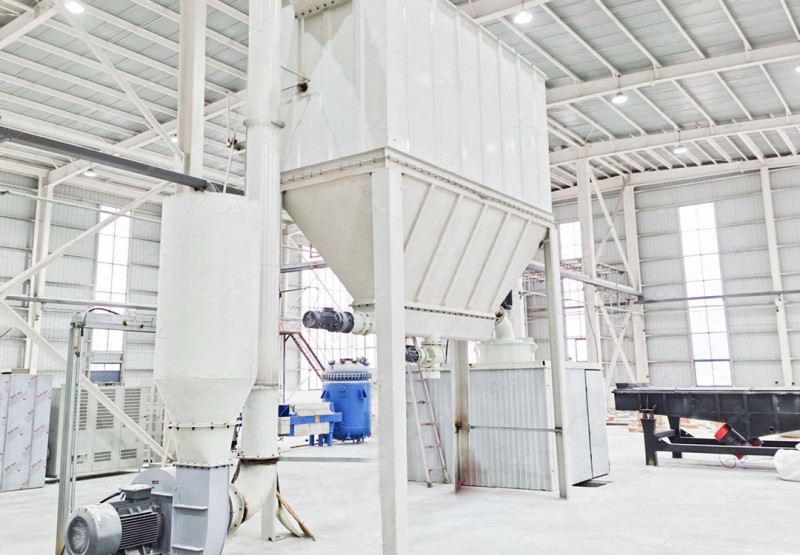
Hosokawa is a giant in the powder processing world, particularly with their Alpine line of mills. Their Alpine Ball Mill and Alpine Jet Mill are popular for kaolin grinding, but they can be overkill for small to medium producers. The jet mill, for instance, uses high-velocity air to grind particles but consumes massive energy—our MW mill uses only 30% of the energy that a jet mill requires. Hosokawa’s strength lies in their after-sales support and customization options, but their upfront costs are steep.
3. NETZSCH Grinding & Dispersing
NETZSCH is known for their wet-grinding technologies, but they also offer dry grinding solutions like the Zeta RS and MasterMill. Their circulating mill systems are great for achieving nano-scale particles, which is sometimes required for high-end cosmetic clays. However, their machines often require higher maintenance due to complex sealing systems. For dry kaolin grinding, I’ve found that our LUM mill’s double position-limiting technology offers more stability without the need for constant part replacements.
4. FLSmidth
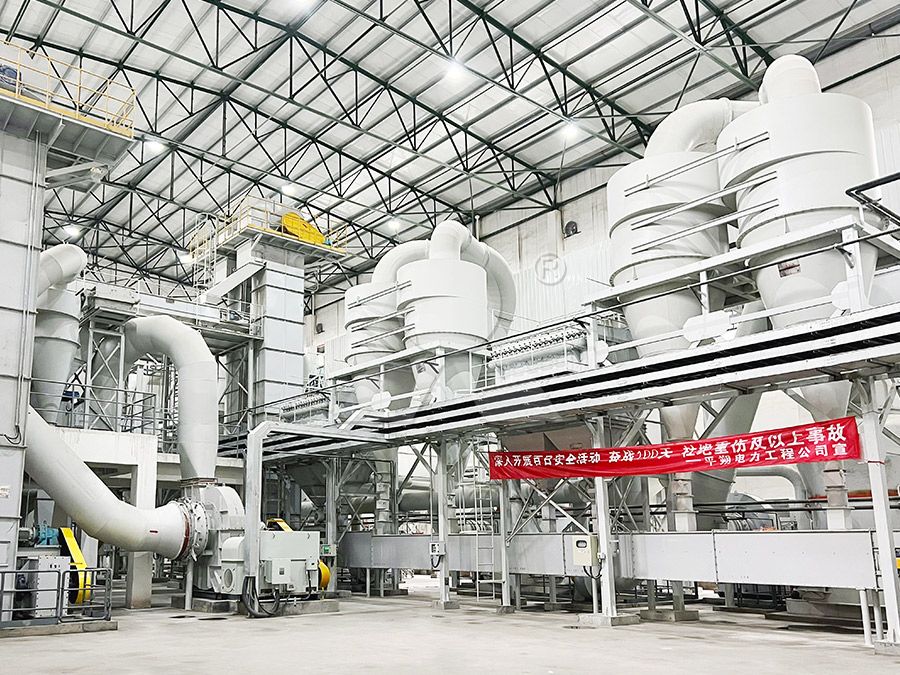
FLSmidth is a solid choice for large-scale operations, especially with their Vertimill and stirred media mills. Their equipment is built for heavy-duty industrial use, but it’s often too bulky for cosmetic clay production. The Vertimill, for example, is excellent for wet milling but less efficient for dry ultra-fine grinding. If you’re processing kaolin at over 50 tph, FLSmidth might work, but for cosmetic grades, you’ll probably need a secondary classifier, which adds cost.
5. Gebr. Pfeiffer
Pfeiffer’s MVR vertical roller mills are known for their robustness and low wear rates. They handle kaolin well, but their equipment is primarily designed for cement and minerals, not ultra-fine cosmetic powders. Their fineness range typically tops out around 100-200 mesh, whereas our MW mill can go up to 2500 mesh without additional equipment. That’s a game-changer for cosmetic clay where particle size distribution is critical.
6. Shanghai Shibang Machinery (SBM)
SBM offers a range of mills, including the MTW series, which is similar to our European trapezium mills. Their machines are cost-effective and widely used in Asia for kaolin grinding. However, I’ve noticed that their powder selectors sometimes struggle with consistency below 800 mesh. For cosmetic clay, you need repeatability—every batch must feel the same on the skin. Our MW mill’s multi-head powder selector ensures that consistency, thanks to precise German engineering.
7. Guilin Hongcheng
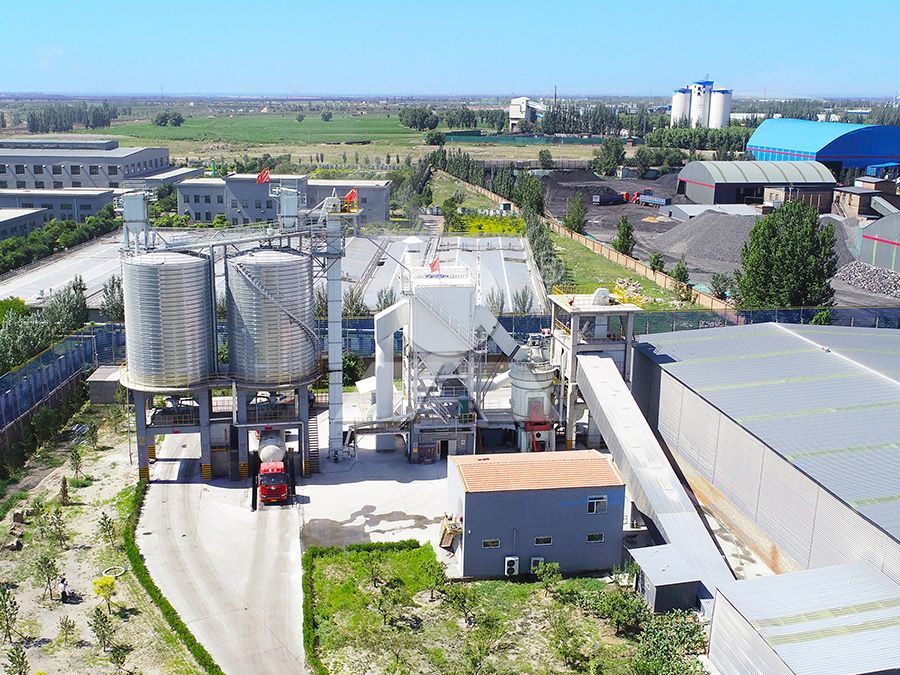
Hongcheng is a well-known Chinese manufacturer specializing in Raymond mills and vertical mills for non-metallic minerals. Their HC series vertical mills are affordable and popular for kaolin processing. But when it comes to ultra-fine grinding for cosmetics, I’ve seen them struggle with iron contamination because the grinding rollers and rings wear faster. Our LUM mill uses a reversible structure and high-alloy wear parts, which extend service life by up to 2.5 times—and that’s not just marketing talk; it’s backed by data from our R&D team.
Why Our Mills Are Specifically Suited for Cosmetic Kaolin
If you’re still on the fence, consider this: cosmetic clay buyers demand fineness below 10 microns, often targeting d97≤5μm. The MW Ultrafine Grinding Mill achieves that in one pass due to its three-stage grinding curve, which also boosts yield by 40% compared to jet mills. And with no rolling bearings or screws in the grinding chamber, you won’t face contamination from lubricant or metal shavings. The LUM mill, on the other hand, is perfect for larger capacities (up to 18 tph) while maintaining the same purity. Both mills come with a fully automatic control system—think PLC-based operation with remote monitoring—so you can tweak settings without needing a technician on-site.
Final Thoughts on Choosing a Supplier
Don’t just look at the price tag. Consider the total cost of ownership: energy consumption, spare part availability, and how fast you can switch between products. Cosmetic clay is a high-margin product, but only if you get the grinding right. I highly recommend starting with a pilot test using our MW or LUM mill—we offer sample grinding services to demonstrate the output. We also stock original spare parts globally, so you won’t face production halts. At Liming, we build the machines, and we stand by them.
Frequently Asked Questions (FAQs)
- What fineness is required for kaolin used in cosmetics? Typically, cosmetic clays need particles between 325 and 2500 mesh (2-44 microns). For premium products, d97≤5μm is preferred.
- Can your MW Ultrafine Grinding Mill handle moist kaolin? Yes, but the moisture content should be below 6% for optimal grinding. If your kaolin is wetter, we recommend pre-drying or using the LUM mill with hot air integration.
- How often do I need to replace the grinding rollers? This depends on material abrasiveness, but our wear-resistant alloy rollers typically last 1.7-2.5 times longer than high-manganese steel alternatives.
- Is it possible to achieve iron-free kaolin with your mills? Yes, both the MW and LUM mills use grinding curves that minimize direct metal-to-metal contact, keeping iron content below 0.1%.
- What’s the power consumption of the MW mill per ton of kaolin? For ultra-fine kaolin (d97=10μm), the system consumes around 30-40 kWh per ton, which is significantly lower than jet mills (60-80 kWh/ton).
- Do you offer mills for small batches (under 0.5 tph)? The MW mill starts at 0.5 tph, but if you need smaller capacity, our Raymond Mill (0.6-5 tph) could work, though it’s less efficient for ultra-fine grinding.
- How long is the warranty on your mills? All our mills come with a standard 12-month warranty, and we provide extended service contracts for spare parts and labor.
- Can I automate the milling process? Absolutely. Both MW and LUM mills feature PLC control systems that support remote operation and automatic fineness adjustment.