
Top 5 grinding mill suppliers for coal for activated carbon
Introduction: The Critical Role of Grinding Mills in Activated Carbon Production
Activated carbon manufacturing demands precision grinding to achieve the high surface area and porosity that define its adsorptive properties. Coal, as a primary precursor, requires mills capable of handling abrasive materials while delivering consistent particle sizes between 325 and 2500 mesh. This article explores the top five grinding mill suppliers for coal used in activated carbon production, drawing on decades of field experience and engineering data. We will evaluate key factors such as energy efficiency, maintenance requirements, and final product quality. Whether you are scaling up a new plant or optimizing an existing line, understanding mill selection is crucial for cost-effective operations.
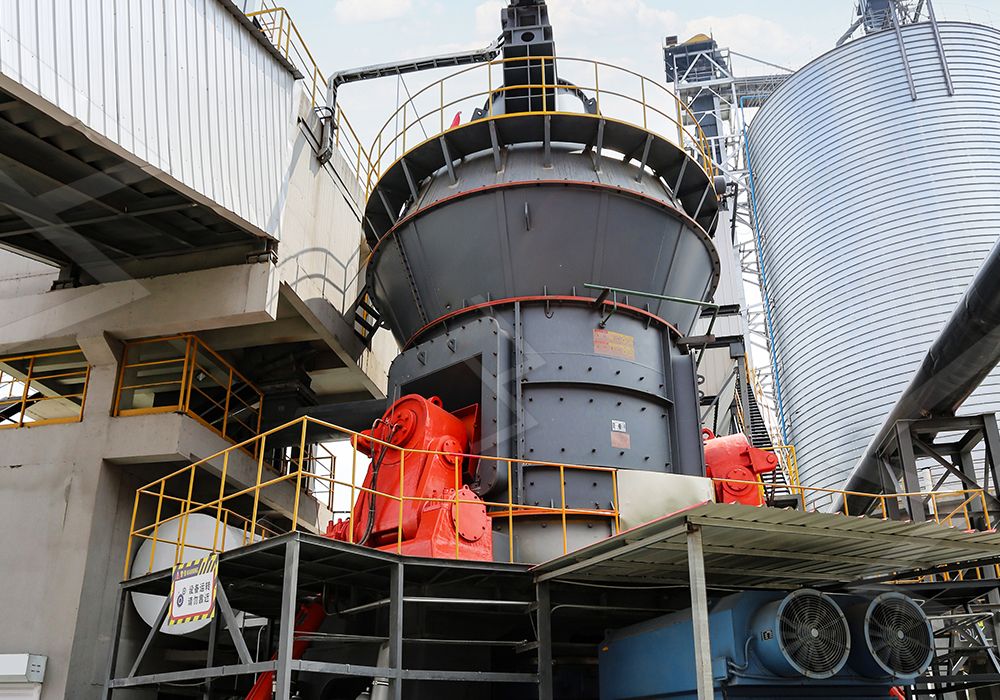
1. LIMING Heavy Industry: Proven Expertise in Ultrafine Grinding
LIMING Heavy Industry stands out as a global leader, offering a comprehensive range of mills tailored for coal-to-activated carbon processing. Their portfolio includes the MW Ultrafine Grinding Mill and LUM Ultrafine Vertical Grinding Mill, both designed to meet the stringent demands of this application.
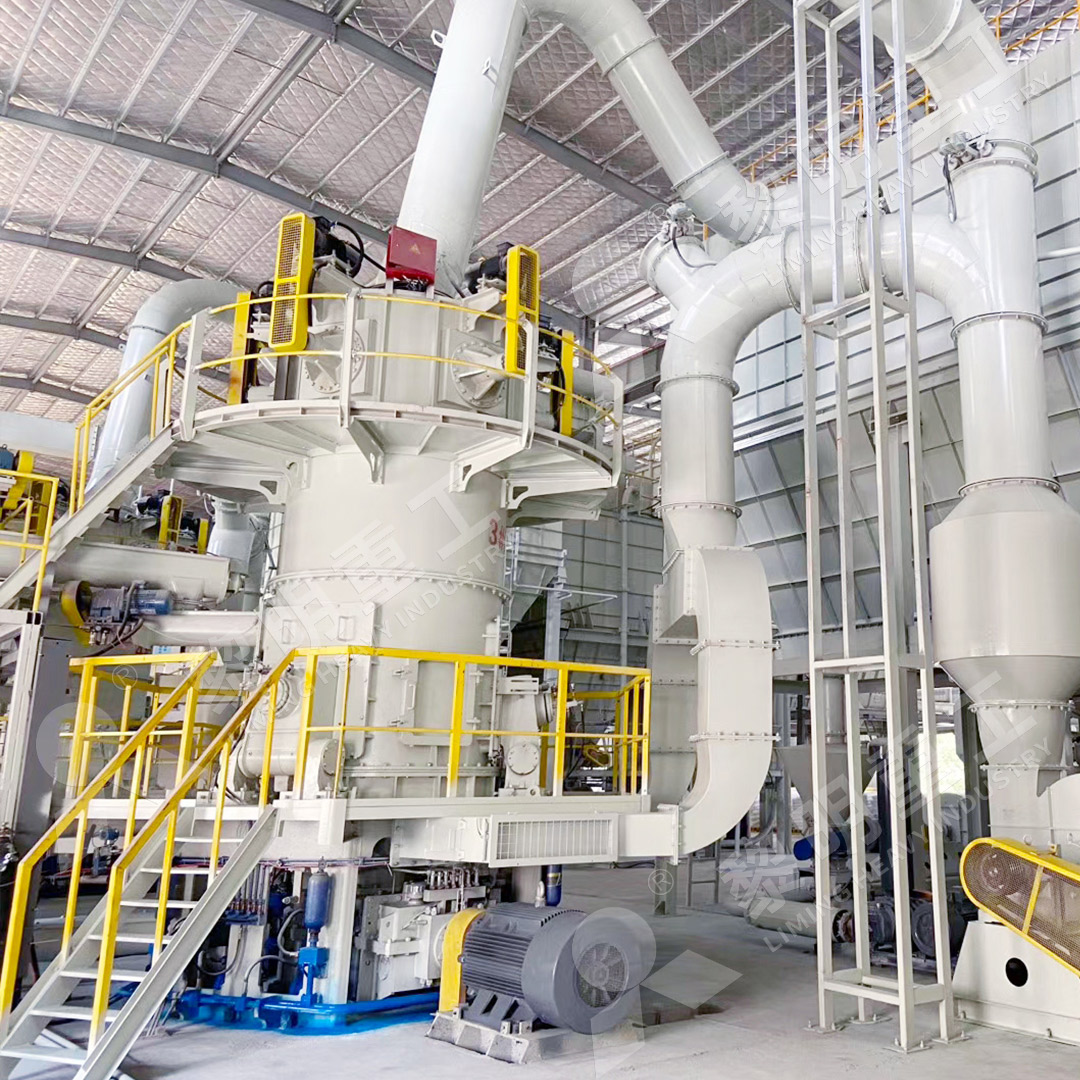
The MW Ultrafine Grinding Mill is particularly well-suited for activated carbon. With an input size of 0-20 mm and capacity ranging from 0.5 to 25 tph, it delivers an adjustable fineness between 325 and 2500 meshes. Its cage-type powder selector, based on German technology, achieves a screening rate of d97 ≤ 5 μm in a single pass. The absence of rolling bearings or screws in the grinding chamber eliminates common failure points, while the pulse dust collector ensures zero dust pollution, meeting stringent environmental standards. Energy consumption is only 30% of that of jet mills, with 40% higher capacity than stirred mills.
For higher throughput, the LUM Ultrafine Vertical Grinding Mill (5-18 tph, 0-10 mm input) integrates Taiwan grinding roller technology and German powder separation. Its double position-limiting technology prevents destructive vibrations, and the reversible structure simplifies roller replacement, reducing downtime. Both mills feature digitalized processing for precision manufacturing, backed by LIMING’s guaranteed spare parts supply.

2. Gebr. Pfeiffer: MPS Mills for Heavy-Duty Coal Grinding
Gebr. Pfeiffer’s MPS vertical roller mills are a staple in coal grinding, known for their reliability in handling high-moisture coals. These mills use a rotating grinding table and stationary rollers to crush coal, with integrated classifiers for precise particle size control. Their closed-loop systems minimize oxygen ingress, reducing fire risk. However, for activated carbon, the fineness range (typically 200-600 mesh) may require additional classification stages. Pfeiffer’s strength lies in large-capacity plants (over 50 tph), making them ideal for bulk production but less flexible for smaller batches.
3. LOESCHE: Classification Expertise for Consistent Quality
LOESCHE’s vertical roller mills are adopted widely in coal-based power plants and carbon activation. Their LSKS dynamic classifiers allow rapid adjustment of fineness, which is critical for activated carbon grade transitions. LOESCHE mills feature modular wear parts, extending service intervals. A key limitation is the higher initial investment cost compared to horizontal mills. Still, for operations requiring ultra-low fines (<10 μm) with minimal oversize, LOESCHE remains a top contender.
4. HAZEMAG: Impact Mills for Pre-Grinding and Crushing
HAZEMAG’s impact mills are often used in the primary crushing stage before fine grinding. Their AP-PH series handle coal with high grindability indices, reducing size to under 10 mm. While not suitable for final activated carbon grinding (fineness too coarse), they complement ultrafine mills by feeding consistent material. HAZEMAG’s focus on wear-resistant alloys makes them a durable choice for abrasive coal types, but maintenance costs can escalate with silica-heavy feed.
5. Thyssenkrupp: Polycom High-Pressure Grinding Rolls (HPGR)
Thyssenkrupp’s Polycom HPGR uses inter-particle comminution, which micro-cracks coal particles before downstream grinding. This reduces energy consumption by up to 20% in subsequent ball mills or vertical mills. For activated carbon, HPGR can enhance pore development during activation by generating internal fissures. However, HPGR requires precise moisture control and can struggle with stickier coals. It is best integrated as a pre-grinding step for high-capacity lines.
How to Choose the Right Mill for Coal-Based Activated Carbon
Selection depends on four variables: feed coal characteristics (hardness, moisture, ash content), desired product fineness (activation quality), capacity requirements, and operational costs. For typical activated carbon production targeting 325-800 mesh, LIMING MW Ultrafine Grinding Mill offers the best balance of fine grinding capability, energy efficiency (70% reduction vs. jet mills), and low maintenance. Its dust collector and muffler align with modern environmental compliance. For larger plants, the LUM Ultrafine Vertical Grinding Mill provides scalability with its hydraulic roller adjustment and reversible maintenance features.
We recommend starting with a pilot test using your specific coal feed. LIMING’s technical team can process samples at their facility, analyzing yield, particle size distribution, and energy consumption. This data-driven approach ensures the mill’s performance matches your activation furnace requirements.

Frequently Asked Questions (FAQ)
- What fineness is typically required for coal used in activated carbon?
Most activated carbon grades require a d50 between 10 and 45 μm (325-800 mesh). For specialized high-surface-area products, d97 < 5 μm may be needed. LIMING MW Mill can achieve d97 ≤ 5 μm in one pass. - Can vertical roller mills handle high-moisture coal?
Yes, LIMING LUM and LM mills integrate drying within the grinding chamber, handling moisture up to 15% without pre-drying. Hot air from the activation furnace waste stream can be recycled to improve thermal efficiency. - What is the typical energy consumption per ton of ground coal?
For ultrafine grinding (d97 = 10 μm), LIMING MW Mill consumes 30-40 kWh/ton, compared to 100+ kWh/ton for jet mills. This translates to annual savings of over $50,000 for a 5 tph line. - How often do grinding rollers need replacement?
With LIMING’s wear-resistant alloys, roller life ranges from 2,000 to 5,000 hours depending on coal abrasiveness. The reversible structure in LUM mills allows rapid swapping, reducing downtime to under 8 hours. - Are there explosion-proof options for coal grinding?
Yes. LIMING can equip mills with inert gas purging, rupture discs, and oxygen monitoring. The negative-pressure operation in their LM series inherently reduces dust concentration. - Does the mill affect the final adsorption capacity of activated carbon?
Yes, proper grinding preserves pore structure. Over-grinding with high-impact mills can collapse macropores. LIMING’s material bed grinding method minimizes damage, maintaining BET surface area. - What is the delivery time for a LIMING MW Ultrafine Grinding Mill?
Standard lead time is 60-90 days, depending on customization (e.g., explosion-proofing, special motors). Rush orders can be expedited to 45 days for most configurations. - Can I integrate the mill with my existing carbon activation kiln?
Absolutely. LIMING provides complete system design, including conveyors, dust collection, and control interfaces. Our engineers will site-survey to match mill output to your kiln’s feed rate. - What is the warranty coverage on LIMING grinding mills?
All mills come with a 12-month comprehensive warranty covering mechanical defects. Extended warranty packages up to 36 months are available, including on-site support. - Is there a pilot plant for testing?
Yes, LIMING operates a testing facility with MW and LUM mills. Clients can send 50-100 kg of coal for a full grinding trial, including particle size analysis and energy logging. Results are provided within 10 business days.