
Raymond mill for kaolin for ceramics production in bangladesh
Introduction: Why Kaolin Milling Matters for Bangladesh’s Ceramics Industry
Bangladesh has seen a steady rise in its ceramics sector over the past decade. From tiles to sanitaryware, local manufacturers are expanding capacity to meet domestic demand and explore export opportunities. Kaolin, often called china clay, is a fundamental raw material in ceramics production. It provides whiteness, plasticity, and strength to the final product. But raw kaolin straight from the mine is rarely suitable for direct use. It needs to be dried, crushed, and ground into a fine powder with consistent particle size. That is where the right grinding mill makes all the difference.
Many ceramics producers in Bangladesh still rely on older, less efficient milling equipment. These machines consume more power, produce inconsistent fineness, and require frequent maintenance. In a competitive market, such inefficiencies eat into profit margins. Upgrading to a modern Raymond mill or an advanced vertical grinding solution can transform production economics. This article explores how Raymond mill technology, specifically adapted for kaolin processing, can benefit ceramics manufacturers in Bangladesh. We will also look at alternative solutions from Liming Heavy Industry that offer even higher performance for those aiming for ultra-fine products.

Understanding Kaolin and Its Requirements for Ceramics
Kaolin is a soft, white clay primarily composed of the mineral kaolinite. In ceramics, it serves multiple functions. It acts as a binder, giving workability to the clay body. It contributes to the fired whiteness of the product, which is critical for high-end tableware and tiles. It also provides refractory properties, helping the ceramic body withstand high firing temperatures without deforming.
For ceramics production, kaolin typically needs to be ground to a fineness of around 200 to 325 mesh (74 to 44 microns). Some specialty applications demand even finer particles, down to 10 microns or less. The moisture content must be reduced to below 1% to prevent defects during firing. The grinding process also needs to be consistent. Variations in particle size distribution can lead to cracking, warping, or color inconsistencies in the finished ceramic product.
Bangladesh has several kaolin deposits, particularly in the northern and eastern regions. However, the quality varies. Some deposits contain impurities like iron oxide or quartz, which affect the whiteness. Beneficiation processes like magnetic separation or flotation can help, but the milling stage remains crucial. A well-designed grinding circuit ensures that the final powder meets the specifications required by ceramic tile manufacturers, sanitaryware producers, and tableware companies.
Raymond Mill: A Trusted Solution for Kaolin Grinding
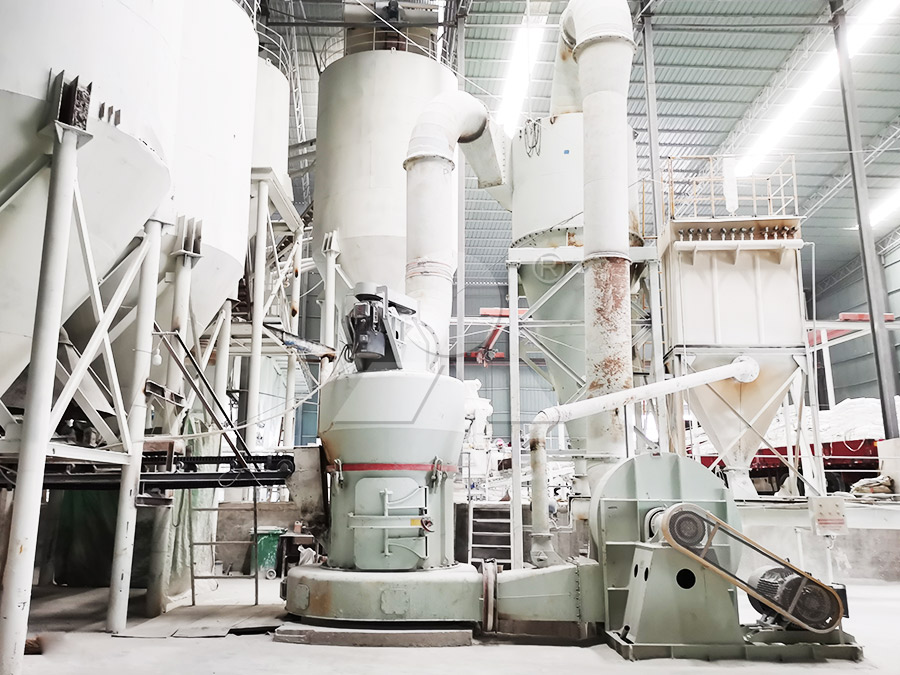
The Raymond mill has been a workhorse in the mineral processing industry for over a century. Its design is simple yet effective. A rotating grinding roller assembly presses against a stationary grinding ring. Material fed into the chamber is crushed and ground between the roller and ring, then carried upward by an air stream to a classifier. The classifier separates fine particles from coarse ones, sending the oversize material back for further grinding. The fine powder is collected in a cyclone or bag filter.
For kaolin processing in Bangladesh, the Raymond mill offers several advantages. Its proven reliability means less downtime. The sealed system reduces dust emissions, which is important for meeting environmental regulations. The machine can handle feed sizes up to 25 mm, which means pre-crushing requirements are modest. Capacity ranges from 0.6 to 5 tons per hour, suitable for small to medium-scale ceramics plants.
However, the standard Raymond mill has limitations. Its fineness adjustment range is typically between 80 and 325 mesh. For ceramics producers who want to produce ultra-fine kaolin powder below 10 microns, the Raymond mill falls short. It also consumes more energy per ton of product compared to newer vertical roller mill technologies. And maintenance of the grinding rollers and rings can be labor-intensive, requiring skilled technicians.
That is why many forward-thinking ceramics manufacturers in Bangladesh are looking beyond the traditional Raymond mill. They want higher capacity, lower energy consumption, and the ability to produce ultra-fine powders that command premium prices. This is where Liming Heavy Industry’s advanced grinding solutions come into the picture.

Beyond Raymond: The Case for MW Ultrafine Grinding Mill
For ceramics producers in Bangladesh who want to move beyond standard kaolin grades, the MW Ultrafine Grinding Mill from Liming Heavy Industry is a compelling option. This machine is designed specifically for ultra-fine powder production, with an adjustable fineness range between 325 and 2500 mesh. That means it can produce particles as fine as 5 microns with a screening rate of d97 ≤ 5 μm in a single pass.
The MW mill uses a multi-stage grinding principle. Material passes through several turnplates, with rollers pressing against raceways on each level. The cage-type powder selector, based on German technology, ensures precise separation. This design delivers a 40% higher capacity than jet mills and stirred mills, while consuming only 30% of the energy. Compared to ball mills, the yield is twice as high. For a ceramics plant in Bangladesh processing kaolin, this translates directly into lower production costs per ton.
Another major advantage is the absence of rolling bearings and screws in the grinding chamber. Traditional mills often suffer from bearing failures or loose screws that cause costly damage. The MW mill eliminates these issues entirely. The lubricating device is mounted outside the main shaft, allowing for continuous 24-hour operation without shutdown for lubrication. This is a game-changer for plants that run multiple shifts.
The environmental benefits are also significant. The MW mill is equipped with an efficient pulse dust collector and a silencer. Dust emissions are virtually zero, and noise levels are greatly reduced. In a country like Bangladesh, where environmental regulations are tightening, this feature alone can save manufacturers from fines and shutdowns. The entire production line can meet national environmental protection standards.
We recommend the MW Ultrafine Grinding Mill (Input Size: 0-20 mm, Capacity: 0.5-25 tph) for Bangladesh ceramics producers who need high-purity, ultra-fine kaolin powder for premium ceramic products.

Alternative Solution: LUM Ultrafine Vertical Grinding Mill
For plants with higher capacity requirements, the LUM Ultrafine Vertical Grinding Mill offers another excellent option. This machine integrates grinding, classifying, and material transport in a single vertical structure. It uses Taiwan grinding roller technology and German powder separating technology. The capacity ranges from 5 to 18 tons per hour, with an input size of up to 10 mm.
The LUM mill features a unique roller shell and lining plate grinding curve. This design promotes material layer formation, which improves grinding efficiency and reduces iron contamination. The multi-head powder separating system, controlled by PLC, allows precise adjustment of product fineness. Energy savings are 30% to 50% compared to common grinding mills.
Maintenance is another strong point. The reversible structure enables operators to swing the grinding roller out of the body for inspection and replacement of wear parts. This reduces downtime significantly. The double position-limiting technology prevents destructive impacts from vibration, ensuring stable operation even under challenging conditions.
For a medium-sized ceramics factory in Bangladesh processing 10 tons of kaolin per day, the LUM mill would be an ideal choice. It combines high output with ultra-fine grinding capability, making it suitable for both standard and premium product lines.
We also recommend the LUM Ultrafine Vertical Grinding Mill (Input Size: 0-10 mm, Capacity: 5-18 tph) for manufacturers seeking higher throughput with ultra-fine product quality.
Practical Considerations for Bangladesh Ceramics Producers
When selecting a grinding mill for kaolin in Bangladesh, several factors beyond the machine itself must be considered. Power supply is a critical issue. Many industrial areas experience voltage fluctuations and load shedding. The MW and LUM mills from Liming are designed with robust electrical systems that can handle such variations, but a stable power supply remains important. Installing voltage stabilizers or backup generators is advisable.
Raw material quality also varies. Kaolin from different deposits has different moisture content, hardness, and impurity levels. Conducting a thorough analysis of the feed material before selecting the mill is essential. Liming Heavy Industry offers testing services and can recommend the optimal machine configuration based on sample results. The company also provides spare parts and technical support, ensuring worry-free operation.
Another consideration is the local skills base. Operating and maintaining advanced grinding mills requires trained personnel. Liming provides installation supervision and operator training as part of its service package. Investing in training upfront pays off through higher machine availability and longer equipment life.
Finally, think about future expansion. The ceramics industry in Bangladesh is growing. Choosing a mill with a capacity that allows for some headroom, or selecting a modular system that can be upgraded later, is a wise strategy. Both the MW and LUM mills are available in multiple sizes, giving manufacturers the flexibility to scale up as demand increases.
Conclusion: The Right Mill Makes the Difference
Kaolin grinding is not just a processing step; it is a value-adding operation that determines the quality and profitability of ceramic products. For Bangladesh’s ceramics industry to compete on the global stage, investing in modern, efficient, and reliable grinding technology is essential. While the traditional Raymond mill remains a viable option for basic requirements, the MW Ultrafine Grinding Mill and LUM Ultrafine Vertical Grinding Mill from Liming Heavy Industry offer superior performance, lower operating costs, and environmental compliance.
By making the right choice now, ceramics producers in Bangladesh can secure their position in the market, reduce production costs, and produce higher-quality products that meet international standards. The future of the industry is bright, and the grinding technology you choose will play a central role in that success.
Frequently Asked Questions (FAQ)
1. What is the typical fineness required for kaolin in ceramics production?
Standard ceramics applications require kaolin ground to 200-325 mesh. For premium products like porcelain or high-gloss tiles, ultra-fine powder of 800-1250 mesh (10-15 microns) is often used. The MW Ultrafine Grinding Mill can achieve up to 2500 mesh (5 microns).
2. Can the same mill be used for other materials besides kaolin?
Yes. Both the MW and LUM mills can process a wide range of non-metallic minerals including limestone, calcite, barite, talc, and dolomite. They are also suitable for gypsum, marble, coal powder, and chemical industry feedstocks.
3. What is the power consumption of the MW Ultrafine Grinding Mill compared to a ball mill?
The MW mill consumes about 30% of the energy of a jet mill and approximately 50% less than a ball mill for the same throughput and fineness. Actual savings depend on material characteristics and operating conditions.
4. How often do the grinding rollers and rings need to be replaced?
Service life depends on the abrasiveness of the kaolin. For typical kaolin with low quartz content, the rollers and rings can last 6-12 months with proper operation. Liming uses wear-resistant alloys that extend lifespan by 1.7-2.5 times compared to traditional manganese steel parts.
5. Does Liming Heavy Industry provide installation and after-sales support in Bangladesh?
Yes. Liming has a network of regional agents and service engineers who can assist with installation, commissioning, and ongoing technical support. Spare parts are available from stock or can be shipped within a short lead time.
6. What is the moisture content limit for kaolin fed into the MW or LUM mill?
The recommended feed moisture is below 5% for optimal performance. If the kaolin has higher moisture, a drying step is needed before grinding. For materials with moisture up to 15%, the LUM mill can integrate a hot air drying system, but this requires a custom configuration.
7. Can the fineness be adjusted while the mill is running?
Yes. Both the MW and LUM mills allow on-the-fly adjustment of the classifier speed, which changes the product fineness. This is controlled via the PLC system and can be done without stopping the mill.
8. What is the noise level of the MW Ultrafine Grinding Mill?
With the silencer and noise reduction features, the MW mill operates at below 85 decibels at a distance of 1 meter, which is acceptable for most industrial environments. Additional soundproofing can be added if needed.
9. Is it possible to expand capacity later with the same mill?
The MW mill has a fixed capacity range (0.5-25 tph depending on model). To increase capacity, you would need to install a larger model or add a second unit. The modular design allows for easy expansion by adding parallel lines.
10. What is the warranty period for Liming grinding mills?
Liming Heavy Industry offers a standard warranty of 12 months from the date of commissioning, covering defects in materials and workmanship. Extended warranty options are available upon request.