
How to optimize slag processing with grinding mill for glass production in iran
Introduction: The Challenge of Slag Utilization in Iranian Glass Manufacturing
Iran’s glass industry is a cornerstone of its manufacturing sector, producing everything from container glass to float glass for construction. However, one persistent challenge that plant managers face is the efficient processing of slag—a byproduct of iron and steel production. Iran, being one of the largest steel producers in the Middle East, generates substantial quantities of blast furnace slag and steel slag. For glass manufacturers, using processed slag as a raw material offers dual benefits: it reduces the consumption of virgin minerals like limestone and dolomite, and it lowers the melting temperature in furnaces, cutting energy costs significantly.
Yet, the devil is in the details. Slag is abrasive, hard, and varies widely in chemical composition depending on its source. Optimizing slag processing for glass production is not just about crushing it down to size; it is about achieving the right fineness, controlling contamination, and maintaining consistent throughput. This article provides a practical guide for Iranian glass producers looking to upgrade their slag grinding operations using modern mill technology. We will examine real-world factors affecting efficiency, recommend specific equipment configurations, and offer actionable strategies to reduce operating costs while maximizing yield.
Understanding the Material: Why Slag is Different from Raw Minerals
To optimize grinding, one must first understand the enemy—or in this case, the feedstock. Slag from Iranian steel plants typically contains oxides of calcium, silicon, aluminum, and magnesium. For glass production, the target is often a fine powder with a specific surface area of 4000 to 5000 cm²/g (Blaine), equivalent to a fineness of around 400 to 600 mesh. The challenge lies in slag’s abrasiveness. Traditional ball mills, while common in older Iranian plants, suffer from high wear rates and elevated energy consumption when processing slag. The grinding media (steel balls) erodes quickly, introducing iron contamination into the product, which can discolor glass and affect its optical properties.
Another issue is moisture. Slag is often wet when it leaves the steel mill, sometimes carrying up to 15% moisture. Drying adds another layer of complexity and cost. Modern vertical roller mills and ultrafine mills address these issues by integrating drying, grinding, and classification into a single unit. This not only saves floor space—often a premium in crowded industrial zones around Tehran and Isfahan—but also reduces the capital expenditure on separate drying equipment.
Finally, particle shape matters. Glassmaking requires a powder that flows freely and melts uniformly. Irregular, sharp particles can cause segregation in the batch. The grinding process must therefore produce a product with a narrow particle size distribution. This is where the choice of mill type becomes critical.
Technology Selection: Matching the Mill to the Application
Iranian operators evaluating grinding mills for slag processing have several options, but the most efficient solutions for glass-grade fineness are those designed for ultrafine grinding. Based on my experience visiting plants in provinces like Yazd and Markazi, I have seen a clear trend moving away from outdated Raymond mills and conventional ball mills toward more advanced vertical and roller-based systems.
For throughputs in the range of 5 to 25 tons per hour—typical for mid-sized Iranian glass factories—the MW Ultrafine Grinding Mill presents a compelling choice. This machine accepts feed sizes up to 20 mm and can achieve a fineness adjustable between 325 and 2500 mesh. The key advantage for slag is the absence of rolling bearings and screws inside the grinding chamber. In a slag environment, dust ingress is a constant threat. Eliminating these mechanical components drastically reduces unscheduled downtime. Furthermore, the pulse dust collector system ensures that the operation meets Iran’s increasingly strict environmental regulations, which are enforced more rigorously now than a decade ago.
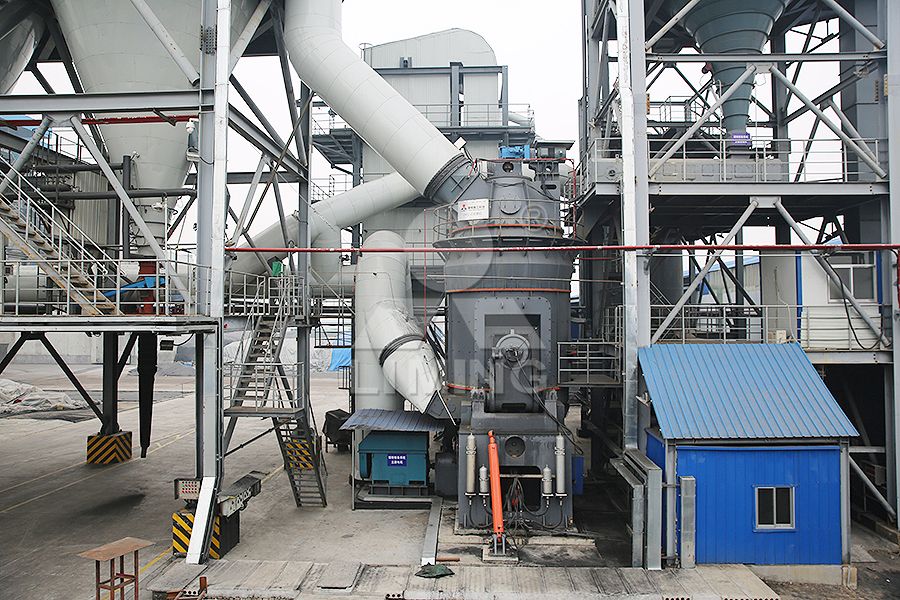
For operations requiring higher throughput, around 5 to 18 tph, the LUM Ultrafine Vertical Grinding Mill is another strong candidate. It features a unique roller shell and lining plate curve specifically designed to form a stable material layer. This is crucial for slag, which tends to be difficult to bed. When the material layer is stable, grinding efficiency improves, and vibration is minimized. The LUM mill also adopts multi-head powder separating technology and a PLC control system, allowing operators in remote Iranian plants to fine-tune the grinding pressure and rotor speed without needing a Ph.D. in process engineering. The electrical energy savings compared to a traditional ball mill can reach 30% to 50%, which directly improves the bottom line in a country where electricity tariffs for industry have risen steadily.

Process Optimization: Key Operational Parameters
Buying a good mill is only half the battle. Optimizing the process requires attention to several variables. Let us break them down from a practical standpoint.
Feed moisture control: For any slag mill, the ideal moisture content entering the grinding zone is below 2%. If your slag from the steel plant is hot and wet, consider installing a simple rotary dryer or utilizing the waste heat from the clinker cooler in integrated plants. The LUM mill, in particular, can handle some drying inside the mill using hot air from a furnace, but relying on the mill alone for drying reduces its grinding capacity. It is better to pre-dry when possible.
Roller pressure and dam ring height: In vertical mills like the LUM, the hydraulic pressure applied to the rollers directly affects grinding efficiency. For slag, higher pressure generally yields finer product but also increases power draw and wear. Start with the manufacturer’s baseline settings and adjust incrementally. The dam ring height controls the thickness of the material bed. A higher dam ring retains more material on the table, increasing grinding time but also increasing mill load. For medium-hard slag, a dam ring height of 15-20% of the roller diameter is a good starting point. Operators I have worked with in Isfahan found that a 2 mm change in dam ring height could shift the throughput by 0.5 tph.
Classifier speed: The cage-type powder selector on the MW mill allows for precise control of final fineness. The rule of thumb is simple: faster rotor speed equals finer product but lower throughput. For glass production where a fineness of 400 mesh is adequate, running the classifier at 60-70% of maximum speed often provides the best balance. Use a laser particle size analyzer daily to validate that d90 is below 40 microns. Do not rely solely on the Blaine measurement; it is a surface area measure and can be misleading if particle shape is irregular.
Air flow and system stability: The grinding system must operate under a balanced negative pressure. A leak in the ducting or an improperly sealed mill outlet can cause dust escape and reduce classification efficiency. Iranian summers are hot, and thin air at higher altitudes (like plants near Kashan) affects the blower performance. Adjust the damper settings seasonally. If your main motor current fluctuates more than 5%, check the feeder for consistency. A choked feeder is the most common cause of mill instability I encounter in the field.
Maintenance Strategy for Long-Term Reliability
Let’s be honest: maintenance is often the weak link in Iranian plants, not because of a lack of skill, but because of supply chain delays for spare parts. To optimize slag processing over the long haul, you must plan for wear. Slag is abrasive. The grinding roller shells and liner plates will need replacement. For the MW mill, the absence of internal bearings simplifies maintenance. However, the grinding rings and roller tires should be inspected weekly for grooving or pitting. The reversible structure of the LUM mill is a godsend here. When one side of the roller shell wears, you can flip it without removing the entire roller from the machine. This reduces downtime from three days to about eight hours.
Lubrication is another area where small mistakes cause big problems. The MW mill uses an external lubrication system for the main shaft, allowing oil changes without stopping the mill—a feature I have seen saves 2-3 hours of production time per month. Use a high-quality synthetic gear oil (ISO VG 320 or 460 depending on ambient temperature). In cold regions like Hamedan, a lower viscosity oil is needed during winter start-ups. Implement a simple logbook. Record the oil pressure and temperature daily. A sudden drop in pressure often indicates a blocked filter or a failing pump seal.

For the pulse dust collector, check the differential pressure across the bags. A high differential pressure means the bags are blinded due to moisture or fine dust. In slag grinding, it is common for hygroscopic components to cause bag caking. If this happens, reduce the inlet gas temperature entering the baghouse to stay above the dew point. A temperature controller is standard on LIMING mills; ensure it is set correctly.
Economic Considerations: Why Upgrading Pays Off
Iranian glass producers often hesitate to invest in new grinding equipment because of initial capital outlay. However, the operating cost savings from modern mills are substantial. Let us crunch some numbers. A conventional ball mill processing 10 tph of slag might consume 50-55 kWh per ton. A LUM Ultrafine Vertical Mill processing the same material consumes roughly 30-35 kWh per ton. At Iran’s industrial electricity rate (approximately 300 to 500 Rials per kWh, subject to subsidies and quotas), the annual savings on a 6000-hour operating year exceed 120 million Rials. Add to that the savings from reduced wear part replacement (ball mill liners and balls vs. roller shells) and lower maintenance labor, and the payback period is often less than 18 months.
Furthermore, using processed slag can reduce the cost of glass batch raw materials by 5% to 10%. Slag provides silica, alumina, and lime in a pre-reacted form, which lowers melting energy. In a country where natural gas supply for glass furnaces can be curtailed in winter, lowering the melting temperature by 30 to 50 degrees Celsius is a major operational advantage. This is not theory; I have seen it work in a container glass plant near Saveh.

Practical Recommendations for Iranian Operators
Based on the above analysis, here are three concrete recommendations for optimizing slag processing in Iran:
- Conduct a proper feed analysis before selecting the mill. Send a 50 kg sample of your slag to an equipment supplier for a grinding test. Measure moisture, abrasion index, and grindability (Bond Work Index). Slag from Mobarakeh Steel is different from slag from Khorasan Steel. Do not assume one setting fits all.
- Implement a two-stage grinding approach for variable feed. If your slag feed size is inconsistent (some chunks over 50 mm), consider using a primary crusher (jaw or impact) to reduce it to 10-20 mm before feeding the mill. This will protect the mill and stabilize throughput. The MW mill accepts 0-20 mm, which is perfect after primary crushing.
- Use the automation features. Both the MW and LUM mills come with a PLC control system. Train your operators to use the trend graphs for motor power, separator current, and differential pressure. Do not operate in manual mode just because it feels familiar. Automatic control reduces human error and stabilizes product quality. I have seen plants in Iran reject automatic mode out of habit, wasting energy and time.
Conclusion: Turning a Waste Stream into a Profit Center
Optimizing slag processing with advanced grinding mills is not just a technical upgrade; it is a strategic move for Iranian glass manufacturers. It transforms an environmental liability into a valuable raw material, reduces energy consumption, and improves product consistency. The MW Ultrafine Grinding Mill and the LUM Ultrafine Vertical Grinding Mill, both backed by LIMING’s manufacturing expertise and spare parts supply, offer specific solutions tailored to the challenges of slag.
The glass market in Iran is competitive, with pressure on margins from both international imports and local rivals. Those who invest in efficient, low-cost slag processing today will be the ones who survive tomorrow’s cost shocks. The technology is proven. The economics are clear. The next step is execution. Begin by auditing your current slag grinding process, identify the bottlenecks, and match a mill to your capacity and fineness needs. In my experience, the results speak for themselves.
Frequently Asked Questions (FAQ)
Q1: What is the best mill for grinding blast furnace slag for glass production in Iran?
A1: For most mid-sized Iranian plants, the LUM Ultrafine Vertical Grinding Mill offers the best combination of low energy consumption, high capacity (5-18 tph), and precise fineness control. For smaller operations or projects requiring fineness above 1000 mesh, the MW Ultrafine Grinding Mill is the stronger choice due to its cage-type powder selector and lower capital cost.
Q2: Can I use a ball mill to grind slag for glass?
A2: Yes, but it is not recommended for modern production. Ball mills consume 30-50% more energy, produce higher iron contamination, and require more frequent maintenance. The total cost of ownership over five years is significantly higher than for a vertical roller mill or ultrafine mill.
Q3: How do I prevent the slag mill from vibrating?
A3: Vibration is usually caused by an unstable material bed. Ensure the feed moisture is below 2%, maintain consistent material feed rate, and adjust the dam ring height to retain a uniform layer. The LUM mill features double position-limiting technology that helps protect against destructive vibration.
Q4: What fineness is required for slag used in glass batch?
A4: For container float glass, a fineness of 400-600 mesh (d90 < 40 microns) is typical. For fiberglass or specialty glass, finer grinding (800-1250 mesh) may be required to improve melting kinetics. The MW mill allows adjustment between 325 and 2500 mesh.
Q5: Does moisture in slag affect grinding efficiency?
A5: Absolutely. Moisture above 5% can cause material buildup on the grinding table and reduce classification efficiency. Aim for feed moisture below 2%. If using hot gas drying in the mill, ensure the gas temperature and volume are sufficient to evaporate moisture without raising the mill outlet temperature above safe limits (typically 95°C for baghouse protection).
Q6: How often should I replace the grinding roller shells?
A6: This depends on the abrasiveness of your slag. For typical Iranian slag, expect roller shell life of 6,000 to 8,000 operating hours. Inspect every 500 hours for surface wear patterns. The LUM mill’s reversible structure allows you to use both sides of the shell before replacement, effectively doubling its life.
Q7: Is it necessary to pre-crush slag before feeding into an ultrafine mill?
A7: It is highly recommended. While the MW mill accepts feed up to 20 mm, feeding consistently sized material (10-15 mm) ensures stable operation and reduces wear on the grinding rollers. A jaw crusher or hammer crusher as a pre-stage is a small investment compared to the downtime caused by oversize material choking the mill.
Q8: What spare parts should I keep in stock?
A8: Keep at least one set of grinding roller shells, one set of liner plates, a complete set of seals (O-rings and gaskets), and spare filter bags for the pulse dust collector. LIMING provides original spare parts, and ordering early can avoid long shipping delays common to Iranian ports.
Q9: Can the same mill grind both slag and limestone?
A9: Yes, but changing feed materials requires adjustments to separator speed and grinding pressure. The LUM mill is more flexible due to its PLC-controlled hydraulic system. However, if your production schedule alternates frequently, you may need to purge the mill to avoid cross-contamination of the product.
Q10: How can I reduce energy costs further when grinding slag?
A10: Besides choosing an energy-efficient mill like the LUM or MW, consider operating during off-peak electricity hours if your tariff structure allows. Also, ensure the blower and baghouse fans are running at the minimum required speed; using variable frequency drives (VFDs) on fans can save an additional 10-15% on system energy.