
How to improve productivity and reduce energy consumption when processing gypsum for agriculture soil amendment
Introduction
Gypsum has long been recognized as a valuable soil amendment in agriculture. It improves soil structure, enhances water infiltration, and provides essential calcium and sulfur for crop growth. However, the processing of gypsum into a fine, uniform powder suitable for field application presents significant challenges. Operators often struggle with balancing high throughput demands against rising energy costs and environmental regulations. This article explores practical strategies to improve productivity and reduce energy consumption in gypsum grinding operations, with a focus on modern milling technology.
Understanding the material characteristics
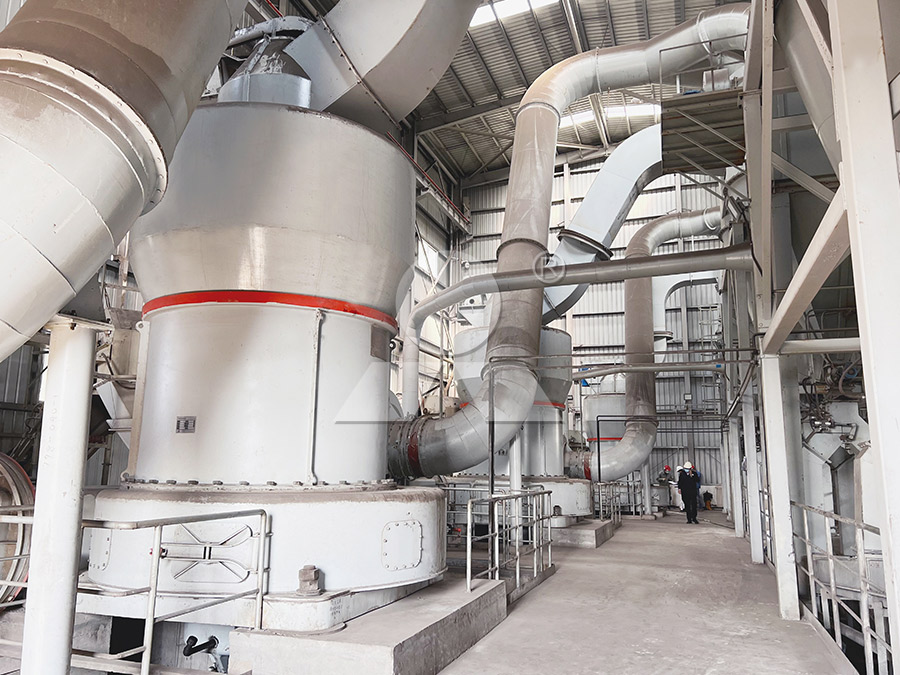
Gypsum, or calcium sulfate dihydrate, is a soft mineral with a Mohs hardness of around 2. It is relatively easy to grind compared to harder materials like quartz or feldspar. However, its tendency to generate heat during grinding can lead to partial dehydration, forming bassanite or anhydrite, which affects the final product quality. For agricultural use, the target fineness typically ranges between 100 and 325 mesh, with a uniform particle size distribution to ensure even spreading and rapid soil reaction.
Key factors affecting productivity and energy consumption
Several variables influence the efficiency of gypsum milling. Feed moisture content is critical. Gypsum with moisture above 10% can cause clogging and reduce grinding efficiency. Pre-drying the material using waste heat from the mill or a separate dryer can significantly improve throughput. The feed particle size also matters. Oversized lumps force the mill to work harder, increasing wear and energy draw. Crushing gypsum to an input size of 0-20 mm before feeding it into the grinding mill is a standard practice that reduces the load on the main grinding unit.
Mill configuration and operating parameters such as grinding pressure, classifier speed, and airflow rate must be optimized for gypsum. Running the mill at excessively high speeds or pressures wastes energy without proportional gains in output. Conversely, too low settings lead to poor grinding efficiency and coarse product.
Selecting the right grinding equipment
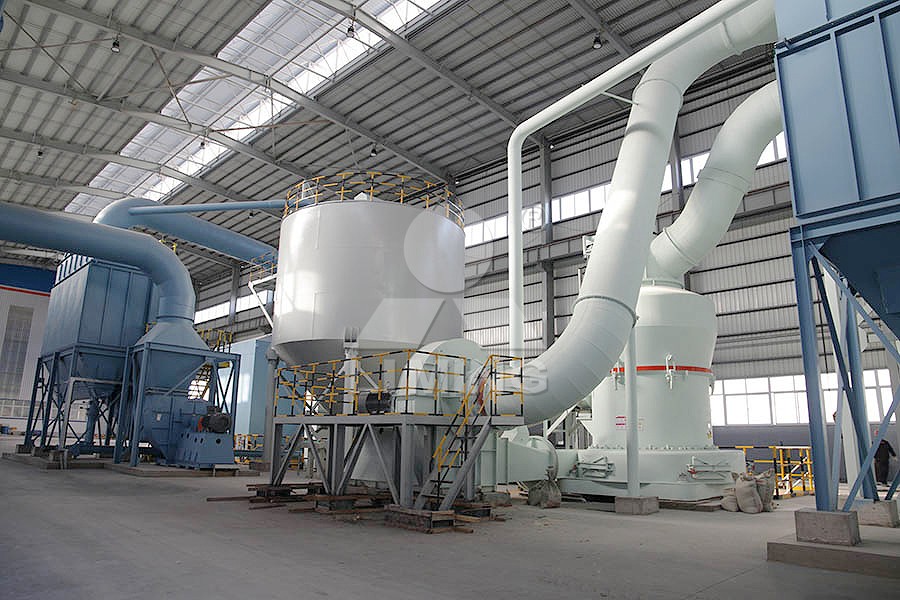
Traditional ball mills are often used for gypsum grinding, but they are notoriously energy-intensive. The rotating drum requires large motors, and the impact and attrition mechanisms waste much of the input energy as heat and noise. Modern roller mills, particularly ultrafine vertical and trapezium mills, offer a more efficient alternative. These mills use a grinding table and rollers to crush the material under controlled pressure, consuming significantly less power per ton of product.
One standout solution for medium to large-scale gypsum processing is the LUM Ultrafine Vertical Grinding Mill. This mill integrates grinding, classifying, and drying in a single unit. Its multi-head powder separating technology allows precise control over product fineness, while the PLC control system optimizes energy usage by adjusting grinding pressure and roller speed in real time. Compared to traditional ball mills, the LUM mill reduces energy consumption by 30% to 50%. For operations requiring finer powders, the MW Ultrafine Grinding Mill is an excellent choice. It features a cage-type powder selector from German technology, achieving fineness from 325 to 2500 mesh. The grinding chamber contains no rolling bearings or screws, eliminating common maintenance issues and allowing 24-hour continuous operation. The system energy consumption is only 30% of a jet mill, with 40% higher capacity under the same power conditions.
Operational best practices
Beyond equipment selection, operational discipline drives productivity and energy savings. Regular maintenance of grinding rollers, rings, and classifiers prevents efficiency losses. Worn parts increase energy draw and reduce throughput. Monitoring mill vibration and temperature can alert operators to impending issues before they cause downtime.
Automation is another powerful tool. Modern mills like those from LIMING come with expert control systems that allow remote monitoring and adjustment. Operators can finetune parameters without stopping production. For example, adjusting the classifier speed to match the desired fineness avoids over-grinding, which wastes energy. Similarly, optimizing the air flow reduces the load on the blower and dust collector.
Energy recovery and environmental compliance
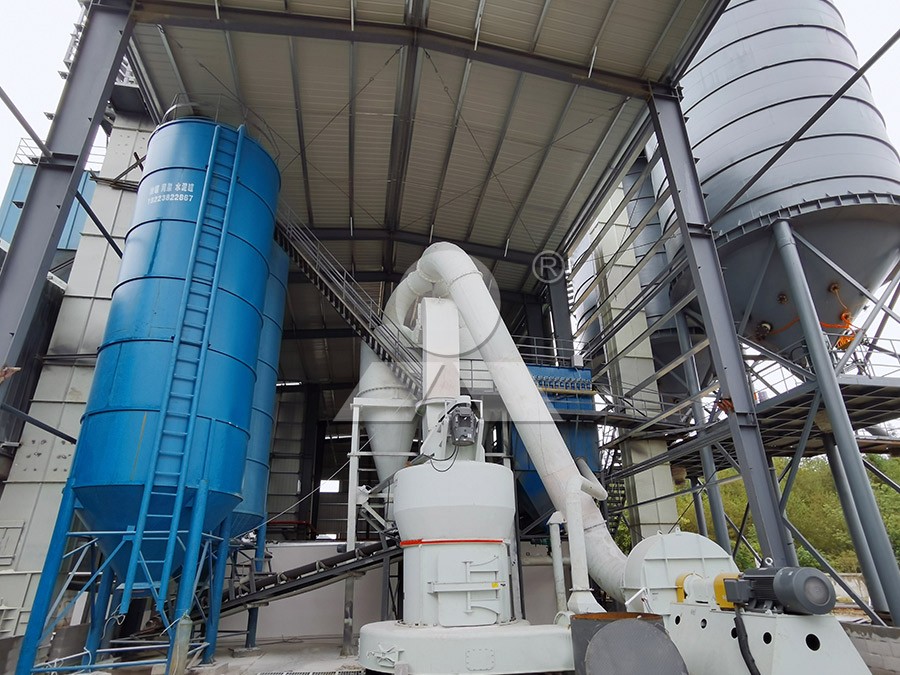
Energy consumption is not just about the grinding motor. Auxiliary systems like blowers, dust collectors, and conveyors also draw power. Using efficient pulse dust collectors, as employed in the MW Ultrafine Grinding Mill, minimizes pressure drop and fan energy. Silencers and noise reduction chambers lower acoustic pollution while maintaining airflow efficiency. The entire system operates under negative pressure, preventing dust escape and ensuring compliance with environmental standards. This integrated approach reduces the carbon footprint of the operation.
Case study: Improving throughput and reducing costs
A gypsum processing plant in the Midwest United States upgraded from a ball mill to a LUM Ultrafine Vertical Grinding Mill. The plant processes 15 tons per hour of agricultural gypsum to 200 mesh. Before the upgrade, energy costs accounted for 40% of operating expenses. After installing the LUM mill, energy consumption dropped by 35%, and throughput increased by 20%. Maintenance downtime reduced because the reversible roller structure allowed quick replacement of wear parts without disassembling the mill. The plant recovered the investment within 18 months.
Conclusion
Improving productivity and reducing energy consumption in gypsum processing for agriculture requires a holistic approach. Understanding material properties, selecting efficient milling technology, and implementing smart operational practices are all essential. Mills like the LUM Ultrafine Vertical Grinding Mill and MW Ultrafine Grinding Mill offer proven solutions that deliver higher yields with lower energy input. Operators who invest in modern equipment and automation will not only reduce costs but also produce a consistent, high-quality product that farmers trust. As the demand for sustainable agriculture grows, efficient gypsum processing will become even more critical.
Frequently asked questions
1. What is the ideal moisture content for gypsum before grinding?
Moisture content should be below 10%, ideally around 5-8%. Higher moisture causes clogging and reduces grinding efficiency.
2. Can the MW Ultrafine Grinding Mill handle gypsum with impurities?
Yes, the mill can handle gypsum containing small amounts of clay or sand. The slag discharge system removes non-grindable materials automatically.
3. How often should grinding rollers be replaced?
Roller life depends on material hardness and operating hours. Typically, for gypsum, rollers last 2,000 to 4,000 hours. Regular inspection is recommended.
4. Does the LUM mill require a separate drying system?
Not necessarily. The LUM mill can introduce hot air into the grinding chamber to dry material in situ, eliminating the need for a separate dryer.
5. What safety features are included in these mills?
Both the MW and LUM mills are equipped with overload protection, vibration sensors, and emergency stop buttons. They also have dust explosion prevention measures.
6. Can these mills produce fineness below 10 microns?
Yes, with the cage-type classifier on the MW mill, fineness down to d97 ≤ 5 microns is achievable.
7. What is the typical payback period for upgrading from a ball mill?
Most operators see payback within 18 to 24 months due to energy savings and increased throughput.
8. How do I determine the right mill size for my operation?
Factors include desired capacity, feed size, moisture content, and target fineness. Consulting with LIMING engineers can help match the mill to your specific needs.
9. Are spare parts readily available for these mills?
Yes, LIMING provides original spare parts and technical support worldwide, ensuring minimal downtime.
10. Is training provided for operators?
LIMING offers on-site training and detailed manuals to ensure operators can maximize mill performance and safety.