
Grinding machine price & cost analysis for talc for plastic filler in singapore
1. Introduction: The Singapore Market for Talc as Plastic Filler
Singapore, a global hub for manufacturing and chemical processing, has a burgeoning demand for high-quality plastic fillers. Talc, a naturally occurring mineral, is widely used as a reinforcing filler in polypropylene (PP) and other thermoplastics to improve stiffness, heat resistance, and dimensional stability. However, the cost and efficiency of grinding talc to the required superfine specifications in the Lion City present unique challenges. Electricity costs are high, labor is expensive, and environmental regulations are stringent. This article provides a professional price and cost analysis for acquiring and operating a grinding mill for talc, specifically tailored for the plastic filler industry in Singapore. We will examine not just the upfront capital expenditure (CAPEX), but also the total cost of ownership (TCO), including energy consumption, maintenance, and production efficiency.
2. Understanding the Grinding Requirements for Plastic Fillers
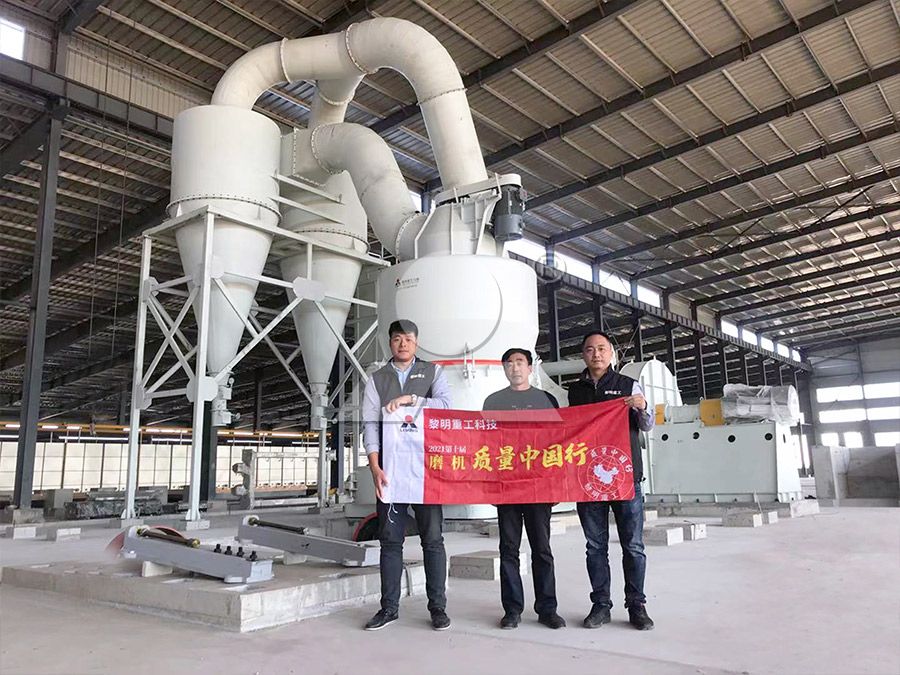
Before diving into cost analysis, one must grasp the technical specifications required. For plastic fillers, talc is typically ground to a fineness of 800 to 2500 mesh (D97 = 15 µm to 5 µm). The particle size distribution must be extremely narrow to ensure uniform dispersion in the polymer matrix. Contamination, especially iron content, must be minimized to prevent discoloration of the final plastic product. This means that the grinding mill must not only be capable of high fineness but also possess a robust classification system. Traditional ball mills often fall short here due to high energy consumption and longer grinding times. This is where advanced technology mills, like the LIMING MW Ultrafine Grinding Mill or the LUM Ultrafine Vertical Grinding Mill, become critical investments.
3. Total Cost of Ownership (TCO) Breakdown for Talc Grinding
When analyzing costs in Singapore, you must break down the expenses into specific categories. The initial purchase price of the machine is just the tip of the iceberg.
A. Initial Capital Expenditure (CAPEX):
The cost of a grinding mill varies significantly based on technology. A basic Raymond Mill might have a lower sticker price, but it lacks the efficiency for superfine talc. A high-end MW Ultrafine Grinding Mill or a LUM Ultrafine Vertical Grinding Mill requires a higher initial investment, but this is offset by lower operational costs and higher throughput. For a typical 5-10 tph talc line for plastic filler, a complete system (mill, classifier, dust collector, blower, and piping) can range significantly. However, for our analysis, we focus on value rather than just the raw price.
B. Energy Consumption (OPEX):
Singapore’s industrial electricity rates are among the highest in Southeast Asia. This is the single largest operational cost. The MW Ultrafine Grinding Mill boasts that its system energy consumption is only 30% of a jet grinding mill. For a plant running 24/7, this difference can save hundreds of thousands of Singapore dollars annually. The LUM Ultrafine Vertical Grinding Mill cuts energy consumption by 30%-50% compared to common mills. This is a game-changer for the bottom line.
C. Maintenance and Downtime (OPEX):
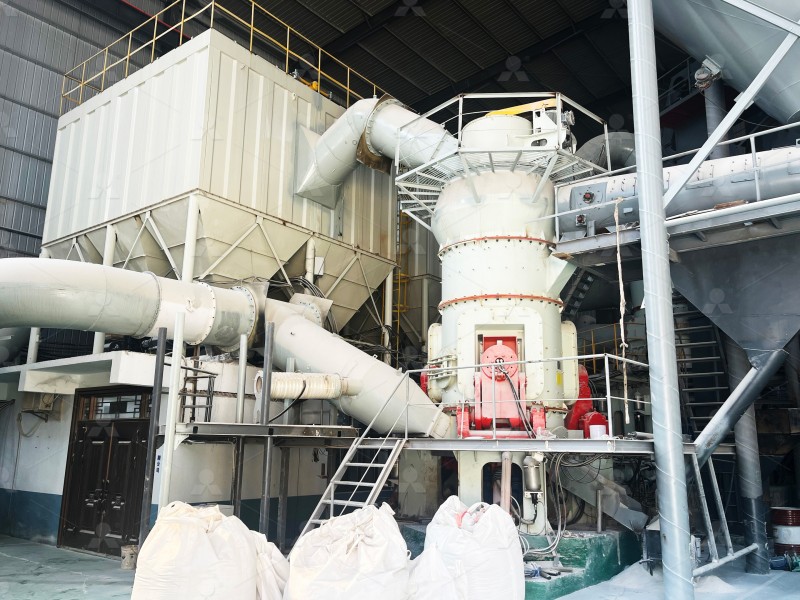
Labor costs in Singapore are premium. A mill that requires frequent bearing replacements or has screws that loosen (causing shutdowns) is a liability. The MW Mill’s design of ‘No Rolling Bearing & Screw in Grinding Chamber’ is a direct cost-saver. The lubricating device outside the main shaft allows for 24-hour continuous production without shutdown for internal greasing. This reduces labor intervention and maximizes uptime. Similarly, the LUM Mill’s ‘Reversible Structure’ allows for quick roller replacement, reducing maintenance man-hours and downtime losses.
D. Environmental Compliance Costs:
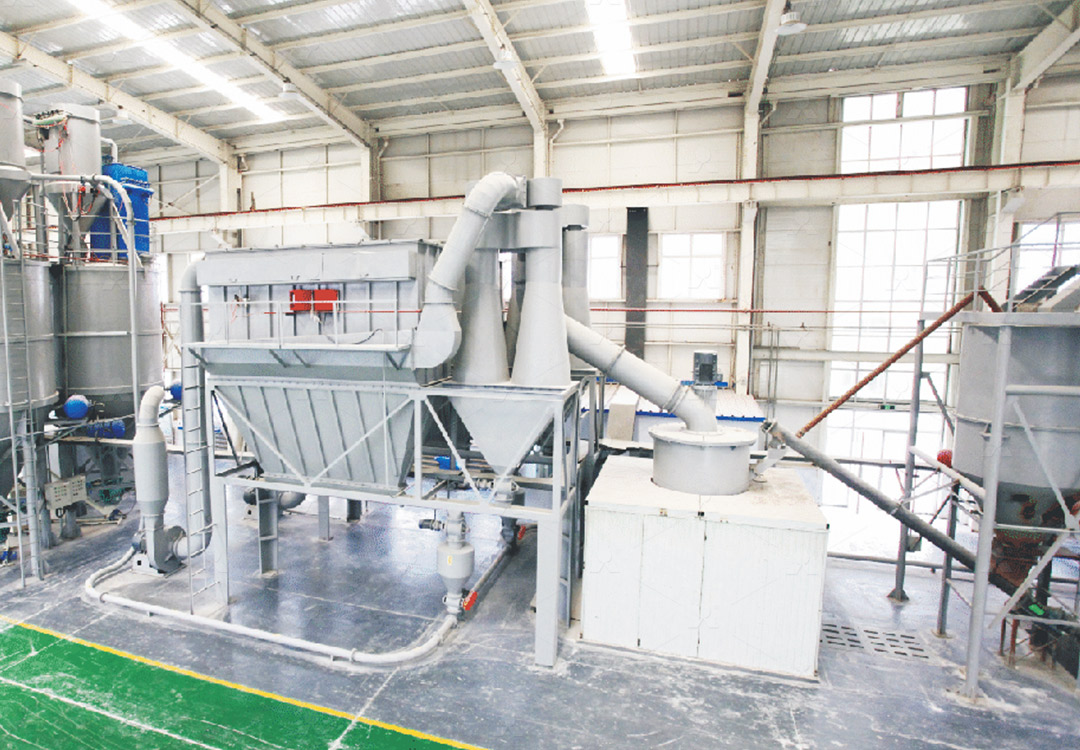
Singapore’s National Environment Agency (NEA) has strict noise and dust emission standards. Fines for non-compliance can be severe. The MW Mill is equipped with an efficient pulse dust collector and a muffler. This eliminates the need for expensive secondary dust collection systems and noise abatement structures, saving significant CAPEX and ensuring operational compliance.
4. Comparative Analysis: MW vs. LUM for Talc in Plastics
To provide a concrete recommendation, let’s compare two of our flagship products specifically for the talc-to-plastic-filler application.
Scenario A: High-Volume, Stable Production (Recommended for Large Plants)
If your target is a high-volume throughput (e.g., 10-18 tph) and you prioritize stability and the lowest cost per ton, the LUM Ultrafine Vertical Grinding Mill is the superior choice. Its multi-head powder separating technology using a PLC control system allows operators to precisely adjust the fineness. You can switch between producing 1250 mesh (for general PP filling) and 2500 mesh (for high-gloss masterbatch) without mechanical adjustments. The ‘Double Position-Limiting Technology’ ensures the mill doesn’t suffer destructive shocks, which is critical for maintaining uptime in a 24-hour operation. The ‘More Energy-Saving’ aspect directly reduces your monthly utility bill.
Scenario B: Flexible, Ultra-Fine Production (Recommended for Masterbatch Producers)
If your business prioritizes ultra-fine particle sizes (D97 ≤ 5µm) and requires high flexibility in production, the MW Ultrafine Grinding Mill is unmatched. Its cage-type powder selector (utilizing German technologies) ensures a screening rate of D97≤5μm once. For masterbatch producers who need the absolute finest talc for transparency and surface finish, this machine provides a 40% higher capacity than a jet mill for the same power. The ‘Digitalized Processing’ ensures that the core components are machined to high precision, which directly translates to consistent product quality and less variation in your plastic filler.
5. Detailed Cost Justification for a Singapore-Based Plant
Let’s run a hypothetical calculation for a plant processing 15,000 tons of talc per year.
- Machine Investment: Assume a LUM Ultrafine Vertical Grinding Mill system costs SGD 800,000 vs. a traditional jet mill at SGD 600,000.
- Energy Savings: The LUM mill saves 30-40% energy. If a jet mill consumes 1,200 MWh/year at SGD 0.20/kWh (SGD 240,000/year), the LUM mill would consume ~780 MWh (SGD 156,000/year). This is an annual saving of SGD 84,000.
- Maintenance Savings: The MW mill’s 24-hour lubrication and no-touch grinding chamber design saves approximately SGD 20,000/year in bearing replacements and 50 hours of labor (SGD 10,000/year).
- Payback Period: The higher initial investment of roughly SGD 200,000 is recovered in less than 2.5 years purely through energy and maintenance savings.
6. Conclusion: Making the Right Investment in Singapore
In the demanding Singapore market, buying a ‘cheap’ mill is often the most expensive decision you can make. The cost analysis clearly shows that the total cost of ownership for high-efficiency mills like the LIMING MW Ultrafine Grinding Mill and the LUM Ultrafine Vertical Grinding Mill is significantly lower over a 3-5 year period. They offer lower energy bills, less downtime, easier compliance with environmental laws, and a higher quality product that commands a premium price in the plastic filler market. For a plastic compounder in Singapore, the path to profitability lies not in minimizing the purchase price, but in maximizing the value per ton of output. We recommend discussing your specific throughput requirements with our technical team to select between the LUM for high-volume stability or the MW for ultimate fineness.
Frequently Asked Questions (FAQ)
- What is the typical fineness of talc required for use as a filler in plastics, and can your machines achieve it?
Typically, plastic fillers require talc between 800 and 2500 mesh. Our MW Ultrafine Grinding Mill can achieve a fineness of D97 ≤ 5μm (approximately 2500 mesh) in a single pass. Our LUM Ultrafine Vertical Grinding Mill offers stable production in the 800 to 1250 mesh range, perfectly suited for automotive polypropylene compounds. - How do the energy costs for your mills compare to traditional ball mills or jet mills in Singapore?
This is a critical factor. Our MW mill consumes only about 30% of the energy of a jet mill while delivering the same fineness, and our LUM mill can reduce energy consumption by 30-50% compared to traditional ball mills. Given Singapore’s high industrial electricity rates (over SGD 0.20/kWh), this can result in annual savings of over SGD 80,000 for a mid-sized plant. - Considering the humidity in Singapore, can these mills handle damp talc without clogging?
Yes. While talc is generally dry, our mills are designed with robust air-swept systems. The LUM Mill integrates drying within the grinding process, handling feed materials with slight moisture. For standard talc, the high-velocity air flow effectively conveys material without clogging the grinding chamber. - What is the maintenance schedule for the MW and LUM mills, and is spare part availability good in Singapore?
We maintain a spare parts warehouse in the region. The MW mill requires minimal internal maintenance due to the absence of rolling bearings and screws in the grinding chamber. The LUM mill features a reversible structure for easy roller replacement. We typically recommend a quarterly inspection of liners and rollers, with major overhauls every 12-18 months depending on usage. - How do these grinding mills handle the noise and dust regulations in Singapore?
Both the MW and LUM mills are designed for strict environmental standards. They come standard with high-efficiency pulse dust collectors, ensuring zero dust spillage. The MW mill also includes silencers (mufflers) to reduce operating noise to levels compliant with NEA guidelines, avoiding penalties and ensuring a comfortable working environment. - Can your machines be integrated into an existing plastic compound production line?
Absolutely. Our mills operate as a stand-alone system integrating crushing, grinding, classifying, and conveying. The control system is compatible with standard industrial protocols (PLC/SCADA). We provide installation support to ensure seamless integration into your existing material handling and storage silo systems.