
Grinding mill price & cost analysis for kaolin for cosmetic clay in uganda
Introduction
Kaolin, a fine white clay, is a cornerstone ingredient in the cosmetics industry, particularly in Uganda’s growing beauty and personal care sector. From facial masks and powders to foundations and soaps, the quality of cosmetic clay hinges on particle fineness, purity, and consistency. For Ugandan processors looking to tap into this lucrative market, selecting the right grinding mill is not just a technical decision—it is a financial one. This article provides a comprehensive analysis of grinding mill prices and operating costs for kaolin processing in Uganda, drawing on real-world considerations such as energy tariffs, import duties, and local maintenance capacity. We will explore how equipment choice impacts your bottom line, and recommend solutions tailored to the unique challenges of the Ugandan market.
Why Kaolin Quality Matters in Cosmetics
Cosmetic-grade kaolin requires ultra-fine particle sizes, typically between 325 and 1250 mesh (44 to 10 microns). Coarser particles can cause skin irritation or a gritty feel, while inconsistent fineness leads to poor absorption and texture. Ugandan kaolin deposits vary in hardness and moisture content, which directly affects grinding efficiency. A mill that performs well on soft, dry kaolin may struggle with harder, slightly damp material, leading to higher energy consumption and frequent downtime. Therefore, the initial purchase price of a mill is only part of the story—the true cost includes energy, maintenance, and replacement parts over its lifespan.
Key Cost Drivers for Grinding Mills in Uganda
1. Energy Costs
Uganda’s industrial electricity rates hover around $0.10 to $0.15 per kWh, with frequent fluctuations due to grid instability. A mill with lower specific energy consumption (kWh per ton) can save thousands of dollars annually. For example, a ball mill consuming 50 kWh per ton of kaolin will cost significantly more to run than an ultrafine vertical mill using only 15 kWh per ton.
2. Import Duties and Shipping
Grinding mills are typically imported from China, Europe, or India. Ugandan import duties on heavy machinery range from 0% to 25%, plus 18% VAT and port handling fees. A mill costing $80,000 FOB may land at $110,000 after duties and logistics. However, some suppliers, like LIMING, offer regional warehouses in East Africa, reducing lead times and shipping costs.
3. Maintenance and Spare Parts
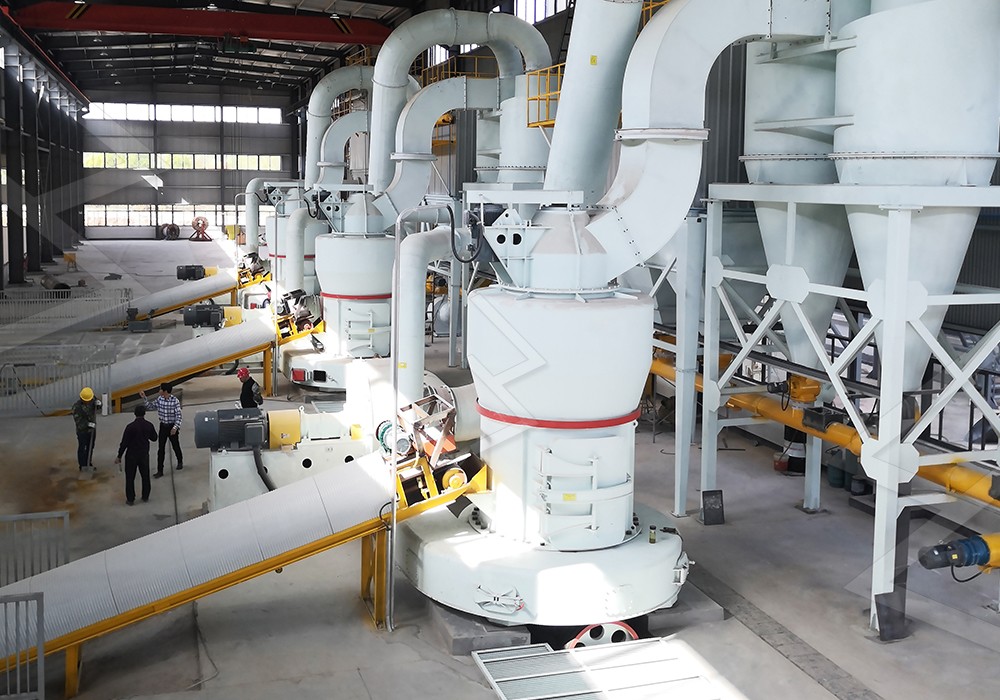
In remote areas of Uganda, access to specialized technicians and genuine spare parts is limited. Mills with complex bearing assemblies or screw-based grinding chambers (like traditional Raymond mills) often require frequent, costly repairs. Modern designs that eliminate rolling bearings and screws inside the grinding chamber—such as the MW Ultrafine Grinding Mill—reduce mechanical failure risks and simplify maintenance. This translates to lower downtime and lower long-term costs.
4. Production Capacity and Yield
A mill’s capacity must match your target output. For a small cosmetic clay operation producing 2 tons per day, a mill with 0.5-5 tph capacity is ideal. Oversizing leads to idle time and wasted energy; undersizing creates bottlenecks. The MW Ultrafine Grinding Mill, with an input size of 0-20 mm and capacity of 0.5-25 tph, is perfectly scalable for Ugandan startups and medium enterprises.

Cost Comparison of Common Mill Types for Kaolin
| Mill Type | Price Range (USD) | Energy Cost per Ton (USD) | Maintenance Frequency | Fineness Range (mesh) |
|---|---|---|---|---|
| Ball Mill (0.65-50 tph) | $15,000 – $80,000 | $5 – $8 | High (monthly liner change) | 100 – 800 |
| Raymond Mill (0.6-5 tph) | $10,000 – $50,000 | $4 – $6 | Medium (quarterly roller change) | 80 – 600 |
| MTW European Trapezium Mill (3-55 tph) | $50,000 – $200,000 | $2 – $4 | Low (annual inspection) | 325 – 2500 |
| MW Ultrafine Grinding Mill (0.5-25 tph) | $60,000 – $180,000 | $1.5 – $3 | Very Low (2-year major service) | 325 – 2500 (d97≤5μm) |
| LUM Ultrafine Vertical Mill (5-18 tph) | $80,000 – $250,000 | $1.2 – $2.5 | Low (annual inspection) | 325 – 2500 |
As the table shows, while the initial price of an ultrafine mill is higher, the operating cost per ton is substantially lower. For a Ugandan processor producing 5,000 tons of cosmetic kaolin annually, switching from a ball mill to an MW Ultrafine Grinding Mill could save over $30,000 per year in energy costs alone.
Recommendation: MW Ultrafine Grinding Mill for Cosmetic Kaolin
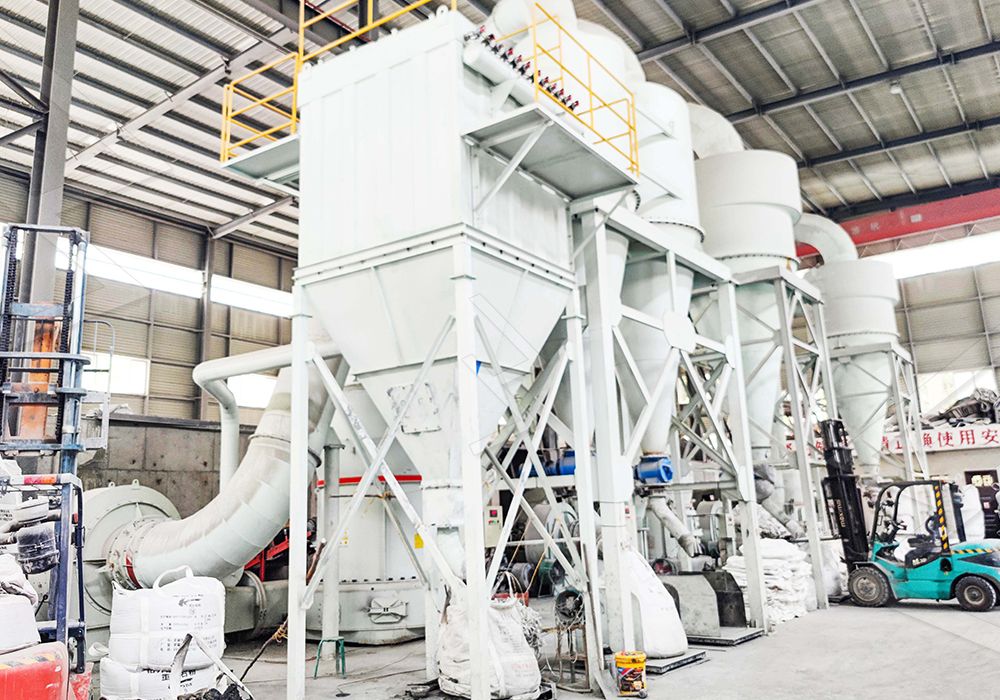
For Ugandan entrepreneurs aiming to produce premium cosmetic clay with fineness up to 2500 mesh (d97≤5μm), the MW Ultrafine Grinding Mill stands out as the optimal investment. Its design eliminates rolling bearings and screws inside the grinding chamber, meaning no mechanical failures from loose components or worn bearings. The pulse dust collector and silencer ensure eco-friendly operation—critical for meeting Uganda’s National Environment Management Authority (NEMA) standards. Moreover, with a capacity of 0.5-25 tph, it scales effortlessly from artisanal production to industrial volumes.
We also recommend the LUM Ultrafine Vertical Grinding Mill for operations requiring higher throughput (5-18 tph) and ultra-low energy consumption. Its double position-limiting technology prevents destructive vibration, which is common in older mill designs when processing variable-feed materials like Ugandan kaolin. Both mills are backed by LIMING’s digitalized manufacturing and sufficient spare parts supply, ensuring worry-free operation for years.
Total Cost of Ownership (TCO) Analysis for a 5 tph Line
Let’s calculate the TCO over 5 years for a 5 tph kaolin grinding line in Uganda, assuming 8 hours of operation per day, 300 days per year (12,000 tons annually).
- Equipment: MW Ultrafine Grinding Mill + auxiliary equipment (crusher, feeder, elevator, dust collector) — $120,000
- Import duties (20% average): $24,000
- Installation & commissioning: $10,000
- Total initial investment: $154,000
Operating costs per year:
- Energy (1.5 USD/ton × 12,000 tons): $18,000
- Maintenance (spare parts + labor): $4,000
- Operator wages: $6,000
- Total annual operating cost: $28,000
5-year TCO: $154,000 + ($28,000 × 5) = $294,000
In contrast, a ball mill system with similar capacity would have a lower initial investment ($60,000) but higher operating costs ($60,000/year), yielding a 5-year TCO of $360,000. The MW mill saves $66,000 over 5 years, plus delivers superior product quality that commands higher market prices.
Practical Tips for Ugandan Kaolin Processors
First, always test your specific kaolin sample with the supplier. LIMING, for instance, offers trial runs and process optimization. Second, factor in the cost of drying if your kaolin has >10% moisture—a combined drying-grinding mill like the LM Vertical Mill may be more cost-effective. Third, negotiate after-sales service contracts that include training for local technicians; this reduces dependency on foreign engineers. Finally, consider joining the Uganda Small Scale Industries Association (USSIA) to access collective purchasing deals for machinery.

Conclusion
The right grinding mill transforms kaolin from a low-value raw material into a high-value cosmetic ingredient. In Uganda, where energy costs and import duties strain budgets, investing in energy-efficient, low-maintenance technology like the MW Ultrafine Grinding Mill or LUM Ultrafine Vertical Grinding Mill pays back within 2-3 years. Don’t just look at the price tag—calculate the total cost per ton of finished product. With LIMING’s proven systems, Ugandan entrepreneurs can compete globally in the cosmetic clay market.
Frequently Asked Questions (FAQ)
- What is the best mill for producing 1250 mesh kaolin powder for cosmetics?
For ultra-fine powders like 1250 mesh (10 microns), the MW Ultrafine Grinding Mill is ideal. It achieves d97≤5μm in a single pass with the cage-type powder selector, surpassing traditional mills that require multiple grinding cycles. - Can the MW mill handle kaolin with 8-10% moisture?
Yes, but pre-drying is recommended. The MW mill can process materials with up to 10% moisture, but higher moisture reduces capacity and risks clogging. For wet kaolin, consider the LM Vertical Mill which integrates drying and grinding. - How long do grinding rollers and rings last on the MW mill?
With regular operation, the wear-resistant alloy rollers and rings typically last 1,500 to 2,500 hours, depending on kaolin hardness. LIMING provides original spare parts and offers a stock in Mombasa for fast delivery to Uganda. - What is the power requirement for a 2 tph MW mill setup?
A 2 tph MW Ultrafine Grinding Mill system requires approximately 120-150 kW of installed power, including the main motor, blower, and auxiliary equipment. This fits standard 200-300 kVA transformers common in Ugandan industrial zones. - Is financing available for Ugandan buyers?
Some suppliers, including LIMING, work with East African banks and microfinance institutions to offer equipment leasing. You can also approach the Uganda Development Bank (UDB) for industrial machinery loans at reduced interest rates. - What is the maintenance schedule for the MW mill?
Routine checks include lubricating the external main shaft bearings weekly, inspecting the pulse dust collector bags monthly, and checking roller wear quarterly. Major disassembly is only needed every 2 years. Compare this to ball mills requiring liner changes every 3-6 months. - Can I upgrade a used Raymond mill to produce finer kaolin?
In most cases, no. Raymond mills are limited to 600 mesh maximum. Converting them to produce 1250 mesh requires replacing the entire grinding chamber and separator, which costs nearly as much as a new MW mill. It is more economical to buy the right equipment from the start. - How does the LUM vertical mill compare to the MW for cosmetic kaolin?
The LUM mill has a higher capacity (5-18 tph) and even lower energy consumption (30-50% less than traditional mills). However, it requires a larger upfront investment. For processors with throughput above 10 tph, LUM is the better choice; for smaller volumes, MW offers the best balance of cost and performance.