
Grinding mill for cement clinker for cement production in ghana
Grinding Mill for Cement Clinker in Ghana: A Practical Guide to Efficient Production
Ghana’s construction sector has experienced steady growth over the last decade, driven by urban expansion, infrastructure projects, and a rising demand for housing. At the heart of this boom lies cement production, and at the heart of cement production lies a critical process: grinding clinker into fine powder. Choosing the right grinding mill for cement clinker in Ghana can mean the difference between a profitable operation and one plagued by downtime, high energy bills, and inconsistent product quality.
I have spent years working with plant managers and project owners across West Africa, and I have seen firsthand how the wrong equipment choice sets back a project by months. This article is not just a product catalog. It is a practical, experience-based look at what works for cement clinker grinding in Ghana today, with a focus on reliability, energy efficiency, and real-world constraints.
The Real Challenges of Cement Clinker Grinding in Ghana
Before we talk about machines, we need to talk about the environment they operate in. Ghanaian cement plants face several specific challenges that influence equipment selection.
Power Supply Instability: The national grid can be unpredictable. Plants often rely on diesel generators for backup, which significantly increases operating costs. A grinding mill that consumes excessive power is a liability here.
Maintenance and Spare Parts: Skilled technicians are available, but specialized parts may need to be imported. Delays of weeks or months are not uncommon. Equipment that is simple to maintain and has readily available spare parts is highly valued.
Humidity and Climate: Ghana’s coastal and tropical climate means high humidity. This can affect material flow, cause corrosion, and impact the performance of electronic components. Mills designed for dry, temperate climates may struggle.
Material Variability: Clinker quality can vary depending on the source of limestone and the burning process. The grinding system must be flexible enough to handle these variations without constant recalibration.
Given these conditions, the ideal grinding mill for cement clinker in Ghana must be robust, energy-efficient, easy to maintain, and forgiving of variable input quality.
Why Vertical Roller Mills Are Gaining Ground in Ghana
Although ball mills have been the traditional workhorse for cement grinding, vertical roller mills (VRMs) are increasingly becoming the preferred choice for new installations and upgrades in Ghana. The reasons are straightforward.
First, VRMs consume 30% to 50% less energy than ball mills for the same throughput. In a country where energy costs are a major concern, this translates directly to the bottom line. Second, VRMs combine grinding, drying, and classification in one unit. This simplifies the plant layout, reduces the footprint, and cuts down on the number of separate equipment pieces that need maintenance.
Third, modern VRMs produce a more consistent particle size distribution, which improves the quality of the final cement and reduces the need for downstream adjustments. Fourth, the noise levels are significantly lower. In an era of stricter environmental regulations and community relations, this matters.
For cement clinker grinding in Ghana, a properly specified VRM can handle feed sizes up to 70 mm and produce fineness levels suitable for both ordinary Portland cement and blended cements.

Key Technical Specifications That Matter
When evaluating a grinding mill for cement clinker in Ghana, you need to look beyond the brochure numbers. Here are the specifications that matter in practice.
Input Size: Most clinker coming from the cooler is around 30 to 50 mm in size. A mill that can accept up to 70 mm feed saves you the cost of a secondary crusher. The LM Vertical Grinding Mill, for example, handles up to 70 mm input, which is ideal for direct clinker feeding.
Capacity: For a medium-sized cement plant in Ghana, a capacity range of 20 to 50 tons per hour is typical. However, smaller grinding stations producing 5 to 15 tph for specialized or blended cements are also common.
Fineness: Standard Portland cement requires a fineness of about 3000 to 4000 cm²/g (Blaine). Some applications, like high-early-strength cement, may require up to 5000 cm²/g. The mill must be capable of adjusting fineness easily without major mechanical changes.
Moisture Content: Clinker is usually dry, but gypsum and other additives may contain moisture. A good mill can handle up to 5% moisture and incorporate a drying system if needed.
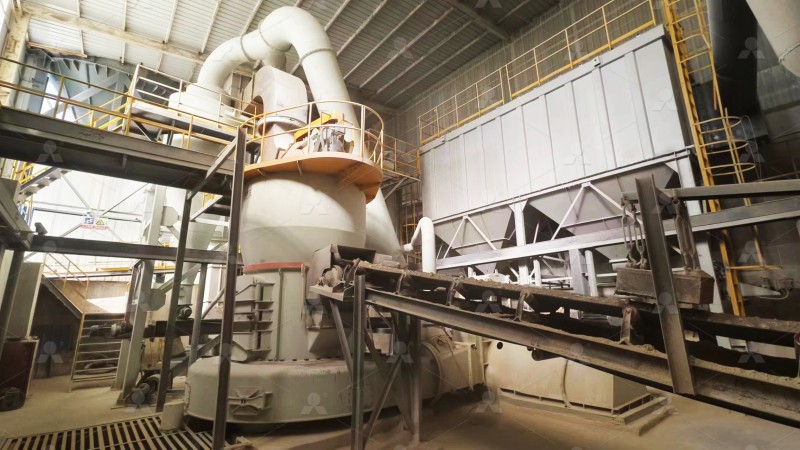
One model that consistently meets these requirements in the field is the LM Vertical Grinding Mill from LIMING. It integrates crushing, grinding, and classifying in a single unit, saving both space and energy. Its wear parts are designed for longevity, and the hydraulic system allows stable operation even with minor variations in feed material.
Comparing Mill Types for Clinker Grinding
While VRMs are the modern choice, other mill types still have their place depending on the specific project scale and budget.
Ball Mills: These are the most traditional option. They are robust, well-understood, and have a lower initial investment for small capacities. However, they are energy-intensive, noisy, and require a larger footprint. For a small grinding station producing less than 10 tph, a ball mill might still be economically viable if electricity costs are low. In Ghana, rising energy prices make this less attractive.
Raymond Mills: These are low-capacity mills (0.6 to 5 tph) that are suitable for very small operations or for grinding additives like gypsum or limestone, but not for primary clinker grinding in a commercial cement plant.
European Trapezium Mills: Models like the MTW series offer good efficiency and fineness control for capacities up to 55 tph. They are a solid choice for medium-scale operations, but they still require more floor space than a VRM and have more mechanical parts that need regular attention.
For most cement clinker grinding applications in Ghana, I recommend starting with a VRM unless there is a very specific constraint such as extremely low budget or existing infrastructure built around a ball mill.
Operational Best Practices for Ghanaian Plants
Even the best grinding mill for cement clinker in Ghana will underperform if the surrounding processes are not optimized. Here are practical tips from my experience.
Feed Control: A consistent feed rate is critical. Use a reliable weigh feeder and avoid overloading the mill. Most VRMs have a control system that adjusts feed rate based on mill power draw and differential pressure. Ensure these sensors are calibrated regularly.
Separator Speed: The classifier or separator speed directly controls product fineness. For Portland cement, typical separator speeds are in the range of 80 to 120 rpm for a medium-sized VRM. Fine-tune this based on daily Blaine tests.
Hydraulic Pressure: The grinding pressure applied by the rollers should be set according to the hardness of the clinker. Too low, and grinding efficiency drops. Too high, and you risk damaging the wear parts and increasing vibration. A hydraulic pressure of 8 to 12 MPa is typical for clinker in a VRM.
Maintenance Schedule: In Ghana’s climate, lubrication and dust ingress are the two biggest enemies of a grinding mill. Set up a strict schedule for checking oil levels, cleaning filters, and inspecting seals. Proactive maintenance reduces unplanned downtime significantly.
Training: Your operators need to understand the mill’s control system and know how to respond to alarms. I have seen plants where a simple parameter setting error caused hours of lost production. Invest in training from the equipment supplier at the time of installation.
Product Recommendation: LUM Ultrafine Vertical Grinding Mill
For those looking to produce high-quality cement with a finer particle size or to grind supplementary cementitious materials like slag or fly ash along with clinker, I recommend the LUM Ultrafine Vertical Grinding Mill. This mill is designed for ultrafine powder grinding and can achieve fineness between 325 and 2500 mesh. It uses German powder separating technology and a hydraulic system that ensures stable operation.
In Ghana, where some cement producers are looking to differentiate with premium products or to meet specific export standards, the LUM mill offers the precision and consistency needed. Its multi-head powder separator allows fast switching between different fineness demands, which is useful when producing multiple cement grades.
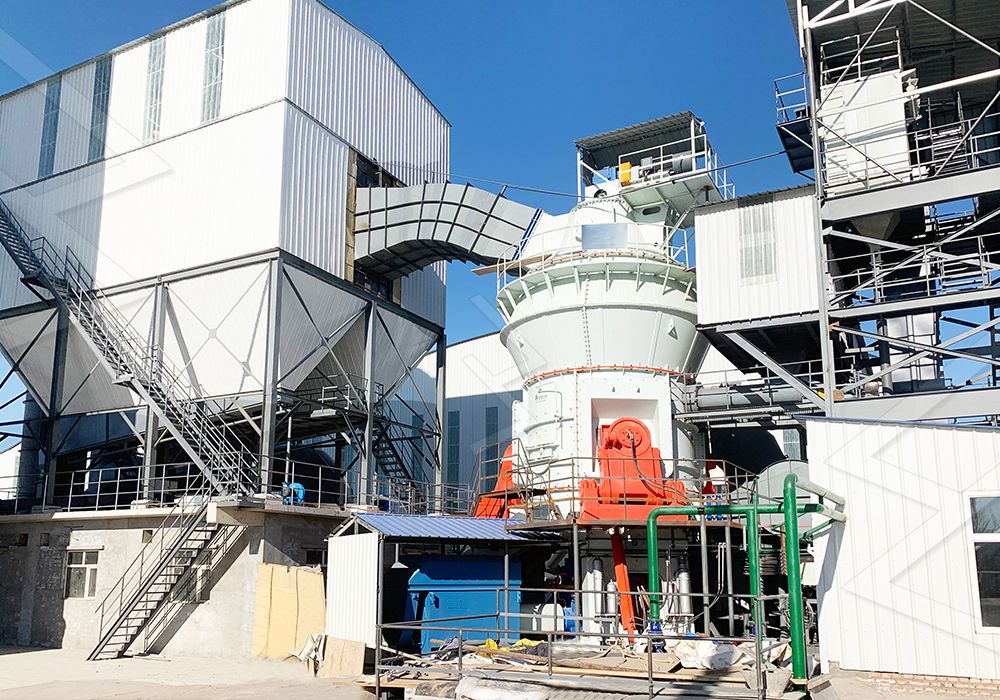
Another strong candidate for general-purpose clinker grinding is the LM Vertical Grinding Mill. It handles larger feed sizes (up to 70 mm) and has a capacity range of 3 to 340 tph, covering everything from small grinding stations to large integrated plants. Its low energy consumption and compact layout make it particularly suitable for sites where space is limited or where the mill needs to be installed outdoors.
Making the Decision: What to Ask Before You Buy
Before you sign a purchase order for a grinding mill for cement clinker in Ghana, ask these questions to the supplier.
What is the availability of spare parts in West Africa? Some suppliers have warehouses in Ghana or Nigeria, while others ship only from China or Europe. Waiting four months for a roller shell is not acceptable.
What training do you provide? A good supplier offers on-site commissioning and training for your operators and maintenance team. Some even offer remote monitoring via digital controls, which is a huge advantage for troubleshooting.
Can the mill handle blended cements? Many Ghanaian plants produce blended cement with up to 30% additives like pozzolana or limestone. The mill must handle these softer, sometimes stickier materials without clogging or efficiency loss.
What is the total cost of ownership? Do not just look at the purchase price. Factor in energy consumption, wear part replacement frequency, and maintenance labor. A cheaper machine that consumes 20% more electricity will cost you more within two years.
Finally, talk to other plant owners in Ghana or neighboring countries. First-hand experience is invaluable. The grinding mill you choose will run for years, so take the time to get it right.
Conclusion
Cement clinker grinding in Ghana is a demanding application that requires equipment built for efficiency, durability, and ease of maintenance. Vertical roller mills, particularly the LM and LUM series from LIMING, have proven themselves in similar environments across Africa. They offer lower energy consumption, a smaller footprint, and better product quality compared to traditional ball mills.
Whether you are setting up a new plant or upgrading an existing line, the choice of grinding mill will directly impact your production costs, product quality, and profitability. Focus on total cost of ownership, local support, and operational simplicity. In a market that is growing fast and becoming more competitive, the right equipment gives you a clear edge.
Frequently Asked Questions (FAQs)
- What is the best grinding mill for cement clinker in Ghana?
For most medium to large-scale operations, a vertical roller mill like the LM Vertical Grinding Mill is recommended due to its low energy consumption, large feed size acceptance, and compact design. For ultrafine cement or blended cements, the LUM Ultrafine Vertical Grinding Mill is a strong choice. - Can I use a ball mill for cement clinker in Ghana?
Yes, ball mills are still used, especially in smaller plants or older installations. However, they consume more energy and require more floor space. If electricity costs are a major concern, a VRM is more economical. - What fineness can I achieve with the LUM Ultrafine Vertical Grinding Mill?
The LUM mill can adjust fineness between 325 mesh and 2500 mesh, which covers the range for standard Portland cement and specialized ultrafine cement products. - How much does a grinding mill for cement clinker cost in Ghana?
Costs vary widely based on capacity, technology, and supplier. A small VRM (5-20 tph) might range from USD 150,000 to 500,000. Larger mills (50-100 tph) can exceed USD 1.5 million. Import duties and shipping add to the cost. Always request a detailed quotation including installation and commissioning. - What maintenance is required for a vertical roller mill?
Routine maintenance includes checking hydraulic oil levels, inspecting roller and table wear parts, cleaning air filters, and calibrating sensors. Major overhauls of the grinding rollers and table are needed every 12 to 18 months depending on material abrasiveness. - Is there local technical support for LIMING mills in Ghana?
LIMING has distribution and service partners in West Africa. It is advisable to confirm the nearest service center and spare parts stock before purchasing. Many users report good responsiveness from their regional team. - Can I grind slag or pozzolana with the same mill used for clinker?
Yes, VRMs like the LM and LUM series can process clinker, slag, pozzolana, and limestone. However, the grinding pressure and separator speed may need to be adjusted when switching between materials. - What is the typical power consumption for grinding cement clinker in a VRM?
Power consumption typically ranges from 25 to 35 kWh per ton for ordinary Portland cement, which is about 30-40% less than a ball mill. Actual consumption depends on fineness and clinker grindability. - How long does it take to install a VRM in a cement plant in Ghana?
Installation time for a medium-sized VRM is typically 4 to 8 weeks, including foundation work, assembly, and commissioning. The supplier should provide a detailed timeline based on site conditions. - Can I automate the mill for remote operation?
Yes, modern VRMs come with PLC-based control systems that support remote monitoring and operation. This is especially useful in Ghana where you may want to monitor the mill from a centralized control room or even off-site.