
Grinding mill for quicklime for mortar additive in india
Grinding Mill for Quicklime for Mortar Additive in India: A Technical Guide for Enhanced Construction Materials
The Indian construction industry is witnessing unprecedented growth, driven by urbanization, infrastructure development, and a booming housing sector. At the heart of durable and high-quality construction lies the mortar, a critical binding agent. The performance of mortar is significantly enhanced by additives, with finely ground quicklime (calcium oxide, CaO) being a traditional and highly effective choice. It improves workability, water retention, carbonation, and long-term strength. However, the efficacy of quicklime as an additive is directly proportional to its fineness and purity. This is where the selection of an appropriate grinding mill becomes a pivotal decision for manufacturers aiming to produce superior mortar products.
The Critical Role of Fineness in Quicklime Processing
Raw quicklime, post-calcination, is typically in lump form. For it to act as an efficient mortar additive, it must be pulverized into a fine, consistent powder. The target fineness often ranges between 200 to 500 meshes, and sometimes finer, to ensure rapid slaking and thorough integration into the mortar mix. A coarse or inconsistent grind leads to poor performance, including reduced plasticity, slower setting, and potential unslaked particles that can cause pitting or cracking in the finished masonry. Therefore, the grinding technology employed must deliver precise particle size control, high throughput, and maintain the chemical integrity of the quicklime.
Challenges in the Indian Market and Mill Selection Criteria
Indian manufacturers face unique challenges: fluctuating raw material quality, demands for cost-effectiveness, stringent environmental regulations, and the need for reliable, low-maintenance machinery capable of continuous operation. When selecting a grinding mill for quicklime, key criteria include:
- Energy Efficiency: Power consumption is a major operational cost.
- Fineness Adjustment: Ability to precisely control product fineness for different mortar grades.
- System Sealing & Environmental Compliance: Quicklime dust is caustic; containment is crucial for worker safety and environmental protection.
- Wear Resistance & Maintenance: Abrasive materials demand durable grinding elements and easy maintenance protocols.
- Footprint & Integration: Space constraints in existing plants are common.
Advanced Grinding Solutions: Meeting Modern Demands
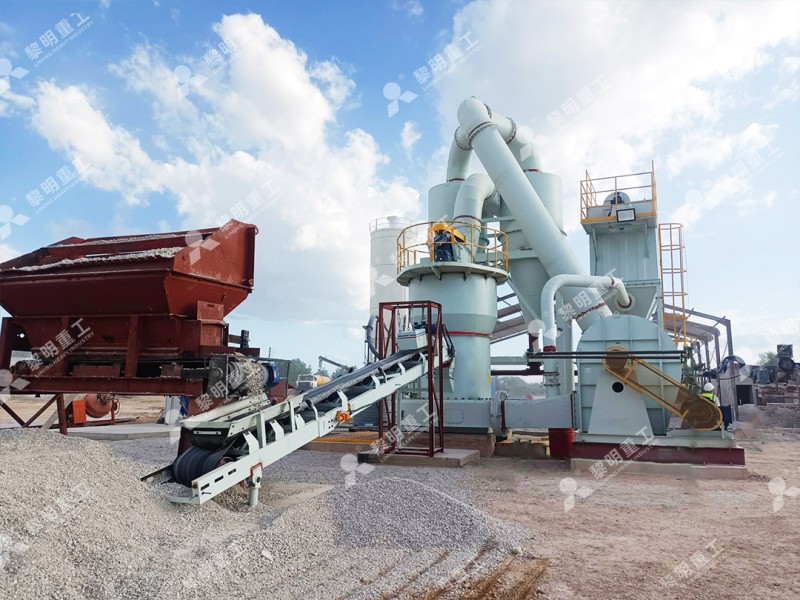
While traditional ball mills have been used, modern vertical roller mills and ultra-fine grinding mills offer superior solutions. They integrate drying (if needed), grinding, classification, and conveying into a single, compact system, offering significant advantages in energy savings, footprint, and automation.
For producers targeting the premium segment of construction chemicals or requiring ultra-fine quicklime for specialized applications, the MW Ultrafine Grinding Mill presents an exceptional choice. Engineered for customers who need to make ultra-fine powder, this mill is a standout. It accepts an input size of 0-20 mm and offers a capacity range of 0.5-25 tph, making it suitable for various production scales. Its cage-type powder selector, adopting German technology, allows precise fineness adjustment between 325-2500 meshes—far exceeding typical mortar additive requirements but offering incredible flexibility. A key feature for abrasive quicklime is the absence of rolling bearings and screws in the grinding chamber, eliminating worries about damage from dust ingress. Furthermore, its efficient pulse dust collector and muffler ensure the entire production process meets strict national environmental protection standards, a critical factor for sustainable operation in India.

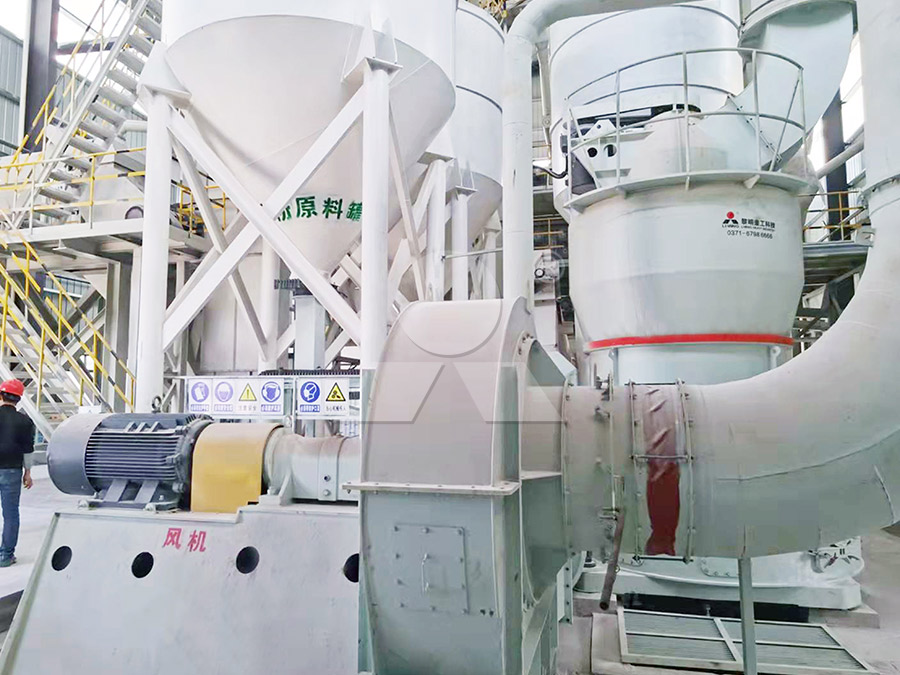
For high-volume production of quicklime powder within the common fineness range for construction, the LUM Ultrafine Vertical Grinding Mill is another technologically advanced option. With an input size of 0-10 mm and capacity of 5-18 tph, it integrates ultrafine powder grinding, grading, and transporting. Its design, featuring unique roller shell and lining plate grinding curves, promotes easier material layer formation and a high rate of finished product in a single pass. This mill is notably energy-saving, reducing consumption by 30%-50% compared to common grinding mills. Its reversible structure, allowing the grinding roller to be easily moved out for maintenance, minimizes downtime—a vital consideration for maintaining supply chains to construction projects.
Optimizing Your Production Line
Integrating a modern grinding mill is more than just installing a machine; it’s about optimizing the entire process. A well-designed system will include pre-crushing (if dealing with large lumps), efficient feeding, the core grinding mill with integrated classifier, a high-efficiency pulse dust collection system, and automated packing. The goal is to create a closed-loop, dust-free operation that maximizes yield, minimizes waste, and ensures a consistently high-quality product that gives Indian mortar manufacturers a competitive edge.
Conclusion: Investing in Precision for Future Growth
The quality of construction materials defines the longevity and safety of infrastructure. By investing in advanced grinding technology like the MW or LUM series mills, Indian producers of quicklime mortar additives can achieve unparalleled control over their product quality. This translates to stronger, more workable mortars, compliance with evolving standards, reduced operational costs through energy savings, and a smaller environmental footprint. In a competitive market, such technological advancement is not just an option but a necessity for sustainable growth and leadership.
Frequently Asked Questions (FAQs)
- What is the typical fineness range required for quicklime used in mortar additives?
Most mortar applications require quicklime ground to between 200 and 500 meshes. Finer grinds (e.g., 800+ meshes) may be used for specialized high-performance or chemical applications. - Why is a dust collection system so important in quicklime grinding?
Quicklime dust is caustic and poses health risks to workers. A robust pulse dust collector (like those equipped on MW/LUM mills) is essential for operator safety, environmental compliance, and product recovery. - Can the same mill grind materials other than quicklime?
Yes. Advanced mills like the MW and LUM series are versatile and can process a wide range of non-metallic minerals, including limestone, calcite, gypsum, dolomite, and talc, allowing for production flexibility. - How significant are the energy savings with modern vertical/ultrafine mills?
Savings are substantial. Technologies like the multi-head powder separator and optimized grinding curves can reduce energy consumption by 30% to 50% compared to traditional ball mills or older Raymond mill systems. - What is the meaning of “no rolling bearing in the grinding chamber” in the MW Mill?
This design prevents abrasive powder from entering and destroying critical bearings. It dramatically increases bearing life, reduces maintenance frequency, and enhances overall system reliability. - How is product fineness controlled during operation?
Fineness is primarily controlled by adjusting the speed of the integrated powder separator (classifier). Modern mills feature PLC systems that allow precise, real-time adjustment to meet different specifications. - Is after-sales support and availability of spare parts a concern in India?
Reputable manufacturers establish local service centers and maintain sufficient inventory of original spare parts. It’s crucial to choose a supplier with a proven track record of support in the region to ensure worry-free operation.