
Grinding machine price & cost analysis for quicklime for mortar additive in thailand
Grinding Machine Price & Cost Analysis for Quicklime for Mortar Additive in Thailand
The construction industry in Thailand, particularly the mortar and plaster segment, relies heavily on high-quality quicklime (calcium oxide) as a key additive to improve workability, water retention, and long-term durability. Producing the precise, fine powder required for modern mortar formulations demands efficient and reliable grinding technology. For manufacturers and processors in Thailand, selecting the right grinding equipment involves a detailed analysis not just of the initial machine price, but of the total operational cost, which includes energy consumption, maintenance, spare parts availability, and final product quality. This article breaks down the key cost factors and explores optimal technical solutions for the Thai market.
Understanding the Quicklime Grinding Requirements
Quicklime, derived from calcined limestone, must be ground to a specific fineness—typically ranging from 200 to 1000 meshes—to react effectively in mortar. The grinding process must manage the material’s slightly abrasive nature and the need for consistent particle size distribution. In Thailand’s competitive market, where energy costs and environmental regulations are significant concerns, the choice of mill directly impacts profitability. Traditional ball mills, while having a lower upfront cost, often incur higher energy bills and produce a broader particle size range. Modern vertical roller mills and ultra-fine grinding systems offer superior efficiency but require a deeper initial investment.

Key Cost Components in Grinding Machine Investment
A comprehensive cost analysis extends far beyond the invoice price. The main components include:
- Capital Expenditure (CAPEX): The purchase price of the grinding mill, auxiliary equipment (crusher, feeder, dust collector), installation, and commissioning.
- Operational Expenditure (OPEX): This is the recurring cost center. Energy consumption is the most significant, often constituting 40-60% of the total operating cost. Mills with higher grinding efficiency directly reduce this burden. Wear part consumption (rollers, rings, liners) depends on material abrasiveness and machine design. Maintenance labor and downtime costs are critical; machines designed for easy access and servicing minimize production losses.
- Product Quality & Yield: A mill that produces a higher percentage of in-spec powder on the first pass increases yield and reduces waste. Consistent fineness ensures the quality of the final mortar additive.
- Environmental Compliance: Thai regulations mandate controlled dust and noise emissions. Investing in a mill with an integrated, efficient pulse dust collection system avoids future fines and additional filtration costs.
Technical Solutions for the Thai Market: Balancing Performance and Cost
For processors aiming for high-value, ultra-fine quicklime powder (325-2500 meshes) for specialized mortar applications, advanced grinding technology is non-negotiable. In this segment, the MW Ultrafine Grinding Mill presents a compelling case. Its design directly addresses major OPEX factors. The newly designed grinding curves of the roller and ring enhance efficiency, offering a production capacity reported to be 40% higher than some jet mills while reducing system energy consumption by up to 70%. For a Thai plant operating continuously, this translates to substantial monthly savings on electricity.
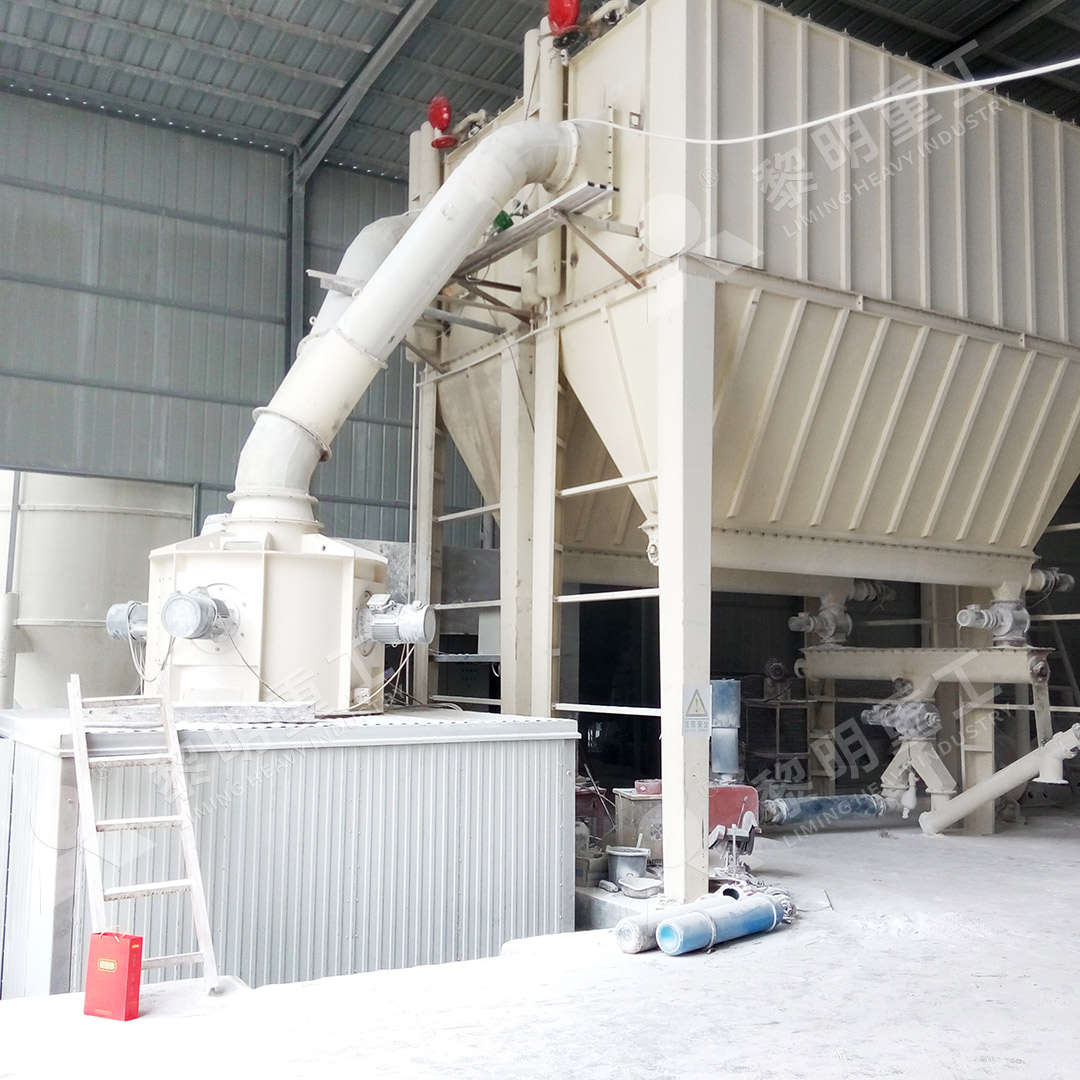
Furthermore, its cage-type powder selector allows precise fineness adjustment between 325-2500 meshes, crucial for meeting different mortar specifications. A critical feature for minimizing downtime in Thailand’s humid climate is the absence of rolling bearings and screws in the grinding chamber, eliminating common failure points and concerns about seal damage. The externally accessible lubricating device supports 24-hour operation, a key advantage for meeting tight production schedules.
Considering Higher Capacity and Vertical Integration
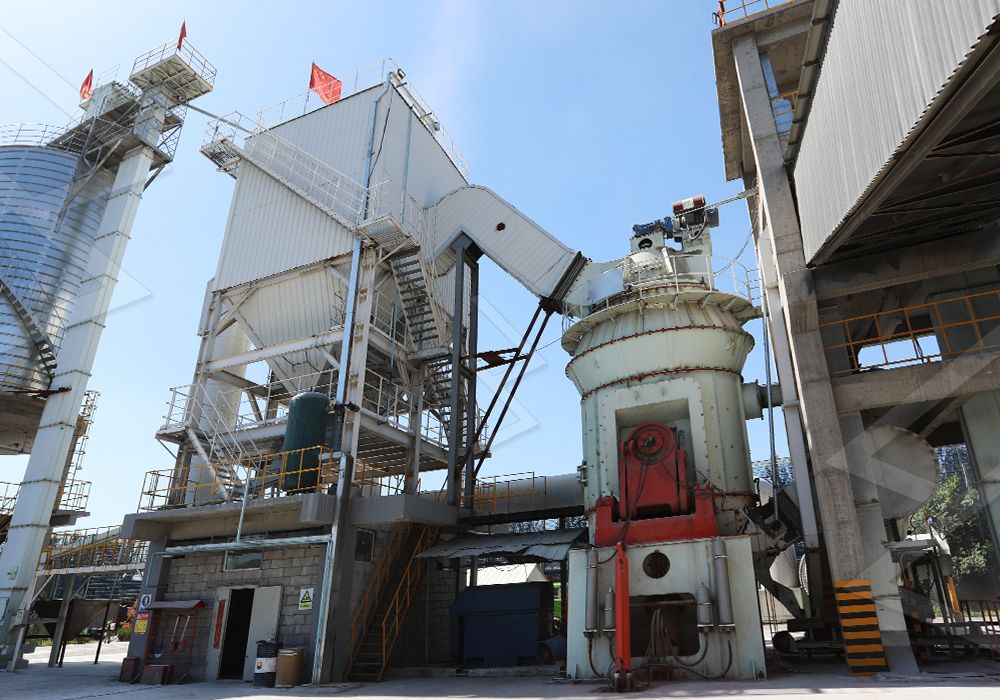
For larger-scale operations or plants that also process raw limestone before calcination, a vertical grinding mill that integrates multiple functions is worth considering. The LM Vertical Grinding Mill integrates crushing, drying, grinding, and classifying in a single unit. Its compact footprint reduces construction costs, an important factor in Thailand. It consumes 30%-40% less energy than a ball mill and features a short material retention time, which reduces over-grinding and ensures lower iron content in the final quicklime powder—a factor critical for maintaining the whiteness and purity required in certain applications.
Conclusion: A Strategic Investment Perspective
For Thai businesses producing quicklime for mortar additives, the grinding machine should be viewed as a strategic asset, not a mere commodity. A lower-priced, less efficient mill inevitably leads to higher long-term costs through energy waste, frequent maintenance, and inconsistent product quality. A detailed Total Cost of Ownership (TCO) analysis over a 5-year period will typically favor technologically advanced mills like the MW Ultrafine Grinding Mill for ultra-fine production or the LM Vertical Mill for high-capacity, integrated processing. The initial higher investment is offset by dramatically lower operating costs, higher product value, and reliability that safeguards production output. Partnering with a manufacturer that provides comprehensive technical support and genuine spare parts in the region, such as LIMING, further ensures worry-free operation and protects the investment’s value over its entire lifecycle.
Frequently Asked Questions (FAQs)
- What is the typical energy consumption difference between a traditional ball mill and the MW Ultrafine Grinding Mill for quicklime?
The MW Mill’s system energy consumption can be as low as 30% of that of a comparable jet mill and significantly lower than a ball mill due to its efficient grinding curve and design, leading to major cost savings. - How does the fineness adjustment work on your mills for different mortar grades?
Our mills, like the MW series, feature an advanced cage-type powder selector. By adjusting the selector’s speed, operators can precisely control product fineness from 325 to 2500 meshes to meet various mortar additive specifications. - Are spare parts readily available in Thailand for LIMING grinding mills?
Yes. As a manufacturer covering production and sales, we maintain a sufficient supply chain for original spare parts and offer local technical services to ensure minimal downtime for our customers in Thailand. - What are the main advantages of a vertical mill (like the LM series) for quicklime processing?
The LM Vertical Mill offers lower comprehensive investment (compact layout), 30-40% energy savings, integrated drying/grinding, and low iron contamination due to non-contact grinding rolls, ensuring product purity. - How do your mills address environmental regulations concerning dust in Thailand?
Our grinding systems, including the MW and LM mills, are equipped with high-efficiency pulse dust collectors and silencers. They operate under negative pressure, ensuring no dust spillage and keeping noise levels low, fully complying with national environmental standards. - What is the maximum feed size your mills can handle for quicklime chunks?
This varies by model. For instance, the MW Ultrafine Grinding Mill accepts input up to 20mm, while the LM Vertical Mill can handle material up to 70mm, often integrating the primary crushing stage. - Can the grinding mill system be automated for easier operation?
Absolutely. Our mills can be equipped with PLC control systems and expert-level automatic controls, allowing for remote monitoring, precise parameter adjustment (like grinding pressure), and stable, consistent output with minimal manual intervention.