
Calcium carbonate vertical mill for paper coating in sri lanka
Introduction: The Growing Demand for Coated Paper in Sri Lanka
Sri Lanka’s packaging and printing industries have experienced steady growth over the past decade. This expansion has driven demand for high-quality coated paper, which relies heavily on finely ground calcium carbonate as a key pigment and filler. Paper coating requires calcium carbonate powder with exceptional whiteness, precise particle size distribution, and consistent fineness typically in the range of 1 to 10 microns. For Sri Lankan manufacturers looking to compete in both domestic and export markets, selecting the right grinding equipment is not just a technical decision—it is a strategic one.
Vertical roller mills have emerged as the preferred technology for calcium carbonate processing in the paper coating sector. Unlike traditional ball mills or hammer mills, vertical mills offer superior energy efficiency, tighter particle size control, and lower maintenance requirements. In this article, we examine the technical considerations for deploying a calcium carbonate vertical mill in Sri Lanka, drawing on operational data and engineering principles.

Why Vertical Mill Technology Matters for Paper Coating
Paper coating formulations demand a narrow particle size distribution. Coarse particles create surface defects, while excessively fine particles increase binder demand and reduce opacity. Vertical grinding mills, particularly those designed with advanced classifying systems, offer the precision needed to meet ISO standards for coated paper fillers.
The key technical parameters for paper-grade calcium carbonate include:
- Particle size: 90% passing 2 microns (d90 ≤ 2 µm) for premium coated paper
- Brightness: ≥ 92% ISO brightness
- Moisture content: ≤ 0.3%
- Consistent residue on 45 µm sieve: ≤ 0.01%
Vertical mills achieve these specifications through a combination of grinding pressure, classifier speed control, and air flow management. The residence time of material in the mill is short—typically 2 to 3 minutes—which minimizes over-grinding and ensures uniform product quality.
Technical Considerations for Sri Lankan Operations
Sri Lanka presents unique challenges for mineral processing operations. The tropical climate means ambient humidity frequently exceeds 75%, which can cause material caking and handling issues. Power supply fluctuations in some industrial zones demand equipment with robust electrical systems. Additionally, the availability of skilled maintenance personnel varies significantly between Colombo and regional industrial parks.
When evaluating vertical mill systems for calcium carbonate grinding, Sri Lankan operators should prioritize the following features:
1. Moisture Handling Capability
Limestone feedstock in Sri Lanka can contain surface moisture from quarry operations and monsoon exposure. A vertical mill with an integrated hot air system can dry material during grinding, eliminating the need for a separate drying step. This reduces capital expenditure and simplifies the process flow.
2. Wear Protection
Calcium carbonate is moderately abrasive. Grinding rollers and tables must be constructed from wear-resistant alloys. Some manufacturers offer ceramic-lined components that extend service intervals to 6,000 to 8,000 operating hours, which is critical for plants operating continuous shifts.
3. Classifier Precision
The rotary classifier is the heart of any vertical mill for fine powder production. Multiple-head cage-type classifiers, such as those employed in advanced mill designs, provide the sharp cut points necessary for paper coating grades. Fineness adjustment between 325 mesh and 2,500 mesh should be achievable without mechanical modifications.
Comparing Available Technologies for Calcium Carbonate Grinding
Several mill types are available for calcium carbonate processing in Sri Lanka, but not all are suitable for paper coating applications:
| Mill Type | Suitability for Paper Coating | Energy Consumption | Maintenance Requirement |
|---|---|---|---|
| Ball Mill | Moderate – limited by particle size control | High (25-30 kWh/t) | High – frequent liner and media replacement |
| Raymond Mill | Low – unsuitable for ultra-fine grades | Moderate (20-25 kWh/t) | Moderate |
| Vertical Roller Mill | Excellent – precise classification | Low (12-18 kWh/t) | Low – minimal wear parts |
| Jet Mill | Excellent – very fine particles | Very High (40-60 kWh/t) | Low |
For Sri Lankan producers targeting the paper coating market, vertical roller mills offer the best balance of capital cost, operating expense, and product quality. The energy savings alone—typically 30% to 40% compared to ball mills—can justify the investment within two to three years of operation.
Recommended Solution: LUM Ultrafine Vertical Grinding Mill
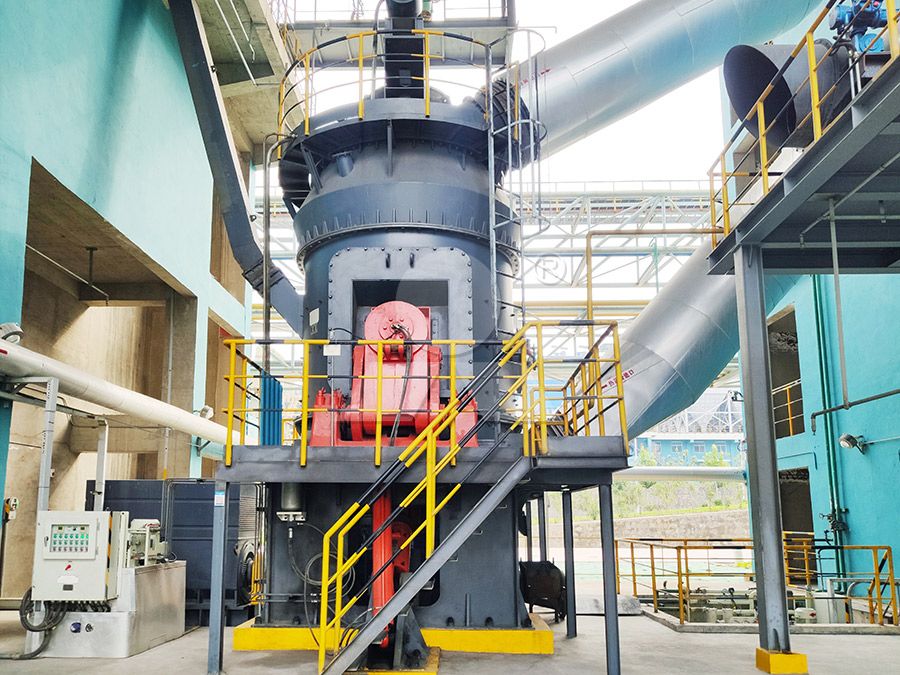
For calcium carbonate grinding in Sri Lanka’s paper coating industry, the LUM Ultrafine Vertical Grinding Mill stands out as a technically superior choice. This mill integrates ultrafine powder grinding, grading, and transporting in one system. The key specifications relevant to paper coating include:
- Input size: 0-10 mm (suitable for typical Sri Lankan limestone feed)
- Capacity: 5-18 tph (ideal for medium to large paper coating operations)
- Fineness adjustment: 325 to 2,500 mesh, covering both basecoat and topcoat requirements
The LUM mill incorporates Taiwan grinding roller technology and German powder separating technology. Its double position-limiting technology ensures stable operation even during voltage fluctuations common in some Sri Lankan industrial zones. The reversible structure simplifies roller and liner replacement, reducing downtime—a critical advantage when meeting paper mill delivery schedules.

Process Flow for Calcium Carbonate Paper Coating Production
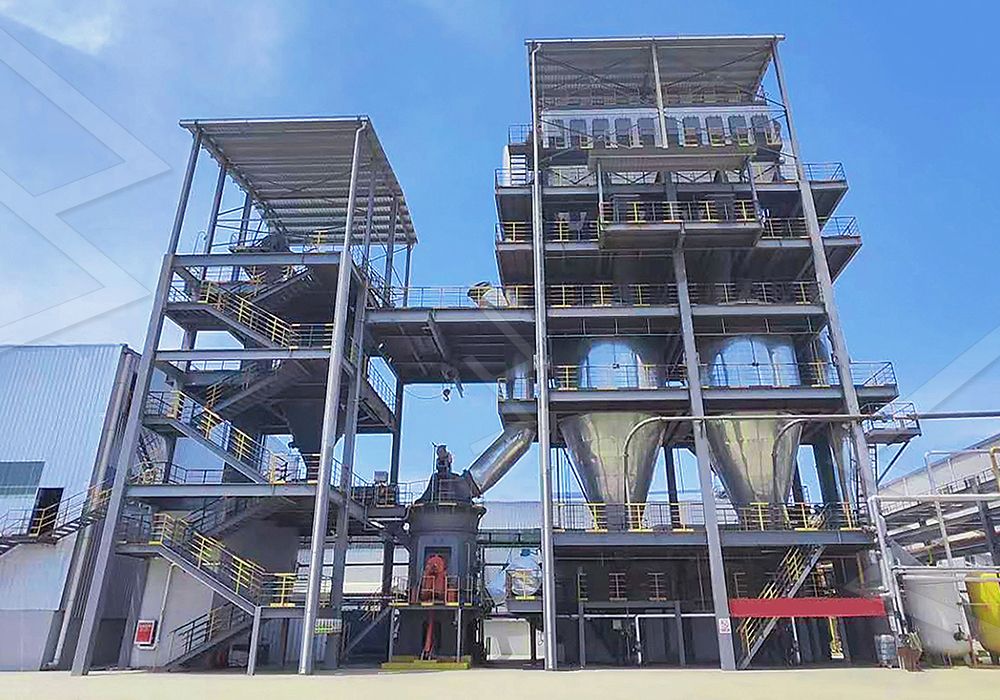
A typical calcium carbonate grinding plant for paper coating in Sri Lanka follows this process flow:
- Primary Crushing: Run-of-mine limestone (200-300 mm) is reduced to 0-10 mm using a jaw crusher.
- Storage and Dosing: Crushed material is stored in a silo and fed via a vibrating feeder into the vertical mill.
- Grinding and Classification: Inside the mill, material falls to the grinding table, is crushed between rollers and table, then carried by air flow to the classifier. Coarse particles return for regrinding; fine particles pass through.
- Collection: Fine powder is collected in a baghouse or cyclone collector. The LUM mill’s pulse dust collector ensures emissions below 20 mg/Nm³, complying with Sri Lanka’s environmental standards.
- Storage and Packaging: Finished calcium carbonate is stored in silos and either bulk-loaded into tankers or packaged in 25 kg bags for export.
The entire system operates under negative pressure, preventing dust leakage. Noise levels are controlled through silencers and acoustic enclosures, meeting occupational safety requirements for Sri Lankan factory environments.
Economic Analysis for Sri Lankan Investors
Capital investment for a complete calcium carbonate grinding plant using vertical mill technology ranges from USD 500,000 to USD 2,000,000 depending on capacity. Operating costs break down as follows:
- Energy: USD 8-12 per ton of finished product (based on Sri Lankan industrial electricity tariffs)
- Wear parts: USD 1-2 per ton
- Labor: USD 2-3 per ton (2-3 operators per shift)
- Maintenance: USD 0.5-1 per ton
Total operating cost typically ranges from USD 12 to 18 per ton, compared to USD 20 to 25 per ton for ball mill systems. At a production rate of 10 tons per hour (80,000 tons per year), annual savings can exceed USD 500,000.
For Sri Lankan companies exporting coated paper or calcium carbonate filler to India, the Middle East, or Europe, consistency in product quality is paramount. Vertical mills provide the repeatability required for ISO 9001 and international paper coating specifications.
Installation and Commissioning in Sri Lanka
Successful vertical mill installation in Sri Lanka requires attention to civil engineering, electrical infrastructure, and commissioning procedures. The grinding mill base must be isolated from building vibrations to ensure classifier accuracy. Electrical systems should include voltage stabilizers and uninterruptible power supplies for control panels. Many Sri Lankan plants benefit from on-site training programs conducted by equipment manufacturers during commissioning.
LIMING offers complete technical services including site planning, foundation design, installation supervision, and operator training. This comprehensive approach reduces project risk and accelerates time to first production.
Conclusion: Building a Competitive Calcium Carbonate Business
Sri Lanka’s paper coating industry is poised for growth, driven by rising domestic consumption and export opportunities. Calcium carbonate producers who invest in modern vertical mill technology will enjoy lower production costs, higher product quality, and better environmental compliance. The LUM Ultrafine Vertical Grinding Mill represents a proven solution that combines energy efficiency, precise particle size control, and operational reliability.
By selecting equipment designed for ultra-fine grinding with classifier precision and dust containment, Sri Lankan operators can position themselves as preferred suppliers to domestic paper mills and international buyers alike. The technology investment today will pay dividends through reduced operating costs and access to premium market segments.
Frequently Asked Questions (FAQ)
1. What is the typical fineness required for calcium carbonate used in paper coating?
For paper coating applications, calcium carbonate typically needs a fineness of d90 ≤ 2 microns (approximately 2,500 mesh) for topcoat quality. Basecoat applications may accept d90 ≤ 5 microns. The LUM Ultrafine Vertical Grinding Mill can achieve fineness between 325 and 2,500 mesh, with screening rate up to d97 ≤ 5 μm in a single pass.
2. How does a vertical mill compare to a ball mill for calcium carbonate grinding in terms of energy consumption?
Vertical mills consume approximately 30% to 40% less energy than ball mills for the same throughput and fineness. For example, producing 10 tons per hour of d90 ≤ 2 μm calcium carbonate typically requires 12-18 kWh/t with a vertical mill versus 25-30 kWh/t with a ball mill. Over a year of 8,000 operating hours, this difference represents savings of over 100,000 kWh.
3. What maintenance is required for a vertical mill processing calcium carbonate?
Routine maintenance includes inspecting grinding rollers and table liners for wear (typically every 2,000 to 3,000 hours), checking classifier blade condition, lubricating bearings, and cleaning the dust collector filters. The LUM mill’s reversible structure allows roller and liner replacement without removing the entire assembly, reducing downtime to less than 8 hours for major maintenance.
4. Can a vertical mill handle wet limestone from Sri Lankan quarries?
Yes. Vertical mills can be equipped with hot air generators to dry material during grinding. Input moisture up to 15% can be reduced to below 0.3% in the finished product. This eliminates the need for a separate drying stage and simplifies the process layout.
5. What is the expected service life of wear parts in a vertical mill grinding calcium carbonate?
With calcium carbonate (Mohs hardness 3), wear parts typically last 5,000 to 8,000 operating hours depending on the alloy used. The LUM mill uses specially designed roller shells and lining plates with wear-resistant materials, and its digitalized manufacturing process ensures precision fit that extends component life.
6. Does the grinding process generate dust or noise that would violate Sri Lankan environmental regulations?
Modern vertical mills like the LUM series are equipped with efficient pulse dust collectors that keep dust emissions below 20 mg/Nm³. Silencers and noise enclosures reduce operational noise to below 85 dB at one meter. The mill operates under negative pressure, so no dust escapes during normal operation.
7. What capacity ranges are available for calcium carbonate vertical mills in Sri Lanka?
Vertical mills for calcium carbonate are available from 3 tph to over 100 tph. For typical paper coating operations in Sri Lanka, the 5-18 tph range of the LUM Ultrafine Vertical Grinding Mill is most suitable. Smaller pilot-scale units (0.5 tph) can be used for product development and market testing.
8. How long does it take to install and commission a vertical mill plant?
Complete installation and commissioning typically takes three to six months from foundation work to first production. This includes civil works, mechanical erection, electrical installation, piping, and system commissioning. Manufacturer training for operators is usually completed within two weeks of startup.