
How to optimize kaolin processing with grinding mill for ceramics production in jamaica
How to Optimize Kaolin Processing with Grinding Mill for Ceramics Production in Jamaica
Jamaica’s ceramics industry is growing, and kaolin—a versatile clay mineral—is a key raw material for high-quality tiles, sanitaryware, and tableware. However, processing kaolin efficiently requires the right grinding equipment to achieve the fine particle size and purity needed for ceramics. This article provides practical guidance on optimizing kaolin processing in Jamaica, focusing on grinding mill selection and operation. Whether you are a small-scale producer or a large factory, these tips will help you maximize yield and minimize costs.
Understanding Kaolin for Ceramics
Kaolin, also known as china clay, is essential for ceramics because it provides whiteness, plasticity, and strength. In Jamaica, local kaolin deposits vary in purity and moisture content. For ceramics production, the target fineness is typically 325–1250 mesh (d97 ≤ 10 μm). Oversized particles can cause defects like pinholes or uneven glaze, while too-fine powder may lead to excessive shrinkage. The key is consistent, controlled grinding.
Challenges in Kaolin Grinding
Kaolin is soft (Mohs hardness 2–2.5) but can be sticky when moist. Common challenges include:
- Abrasive wear on mill parts due to silica impurities.
- Agglomeration of fine particles if heat builds up.
- High energy costs if equipment is inefficient.
- Dust emissions that affect worker health and the environment.
Choosing a grinding mill that addresses these issues is critical for Jamaican operations, where humidity can be high and power supply may be intermittent.
Selecting the Right Grinding Mill
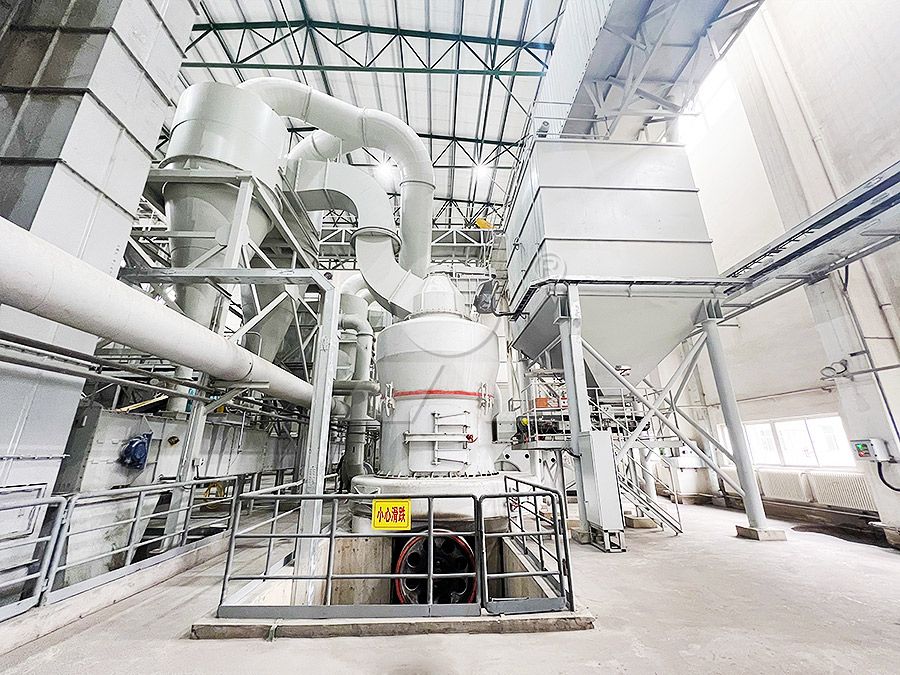
For kaolin processing, ultrafine grinding mills are preferred because they produce narrow particle size distributions. Based on our company’s product line, we recommend two models that suit Jamaican ceramics producers:
MW Ultrafine Grinding Mill
The MW Ultrafine Grinding Mill is ideal for medium-scale operations (0.5–25 tph). It accepts feed sizes up to 20 mm and grinds kaolin to 325–2500 mesh. Its cage-type powder selector, based on German technology, ensures precise separation with d97 ≤ 5 μm achievable. Key features for kaolin:
- No rolling bearings or screws in the grinding chamber – eliminates contamination and reduces maintenance.
- Pulse dust collector – captures fine kaolin dust, keeping the workplace clean and meeting Jamaican environmental standards.
- Low energy consumption – 40% higher capacity than jet mills for the same power.
- Adjustable fineness – easy to switch between ceramic grades.
Why it fits Jamaica: The MW mill’s robust design handles varying kaolin feed qualities, and its external lubrication system allows 24/7 operation—useful for factories running two shifts.

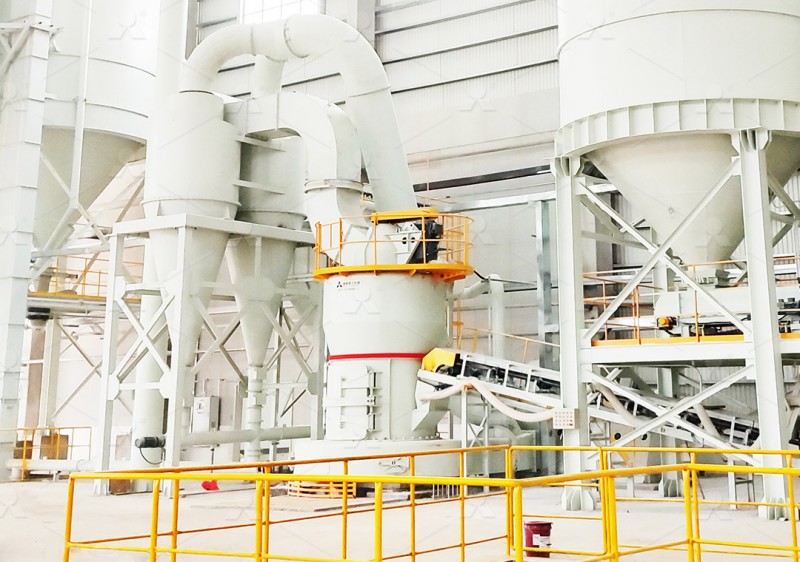
LUM Ultrafine Vertical Grinding Mill
For larger capacities (5–18 tph), the LUM Ultrafine Vertical Grinding Mill is a better choice. It integrates grinding, grading, and conveying. Features:
- Higher yielding rate – once-powder milling reduces iron content, improving kaolin whiteness.
- Multi-head powder separating – PLC-controlled for precise diameter cuts.
- Double position-limiting technology – prevents mill damage from vibration, important during start-up or power fluctuations.
- Reversible structure – easy roller replacement, reducing downtime.
Why it fits Jamaica: The LUM mill’s energy savings (30–50% vs. traditional mills) lower operational costs, and its sealed system contains dust in humid coastal areas.
Optimization Tips for Kaolin Processing
1. Pre-drying Kaolin
Jamaica’s tropical climate means raw kaolin can have 15–20% moisture. Use a rotary dryer or solar drying beds before feeding the mill. Moisture above 8% can clog the mill and reduce throughput. For the MW mill, maintain feed moisture below 5% for best results.
2. Control Feed Size
Use a jaw crusher or hammer mill to reduce kaolin lumps to 0–20 mm (for MW) or 0–10 mm (for LUM). Oversized lumps strain the grinding rollers and lower capacity. Invest in a vibrating screen to remove debris like quartz grains that wear out parts faster.
3. Adjust Classifier Speed
For ceramics, 325 mesh (44 μm) is common for body mixes, while 1250 mesh (10 μm) is used for glazes. Slow the classifier rotor for coarser product, speed it up for finer. Monitor with a laser particle size analyzer to maintain consistency.
4. Optimize Airflow
Set the blower to maintain negative pressure in the mill. Too much airflow carries coarse particles into the final product; too little causes material accumulation. Check filter bags regularly—clogged filters reduce suction and increase energy use.
5. Schedule Regular Maintenance
Kaolin’s softness reduces wear, but silica impurities can still damage roller shells and rings. Inspect grinding elements every 500 hours. Replace worn parts with original LIMING spares to avoid quality drops. The MW mill’s no-bearing chamber simplifies this task.

Case Study: Small Producer in Jamaica
A ceramics factory in Kingston processed 8 tons of kaolin daily for wall tiles. They used a ball mill, but output was inconsistent, and dust was a problem. After switching to the MW Ultrafine Grinding Mill, they achieved:
- Twice the yield (8 tph vs. 4 tph).
- Fineness of 800 mesh (d97 ≤ 15 μm) with ±2% variation.
- No dust emissions due to the pulse collector.
- Energy cost reduced by 25%.
This shows how the right mill transforms kaolin processing, even with limited resources.
Environmental Considerations
Jamaica’s environmental regulations are tightening. Both the MW and LUM mills feature:
- Silencers to keep noise below 85 dB.
- Pulse dust collectors that filter exhaust to <20 mg/Nm³.
- Closed-loop air systems that recycle air, minimizing emission.
These features help producers obtain permits and maintain good community relations.
Conclusion
Optimizing kaolin processing for ceramics in Jamaica boils down to choosing a mill that handles high moisture, delivers precise fineness, and controls environmental impact. The MW Ultrafine Grinding Mill (0.5–25 tph) is perfect for smaller producers, while the LUM Ultrafine Vertical Grinding Mill (5–18 tph) suits larger factories. Both models reduce energy use, lower maintenance, and improve product quality. By pre-drying kaolin, adjusting classifier speed, and maintaining equipment regularly, Jamaican ceramics producers can stay competitive in local and export markets.
Frequently Asked Questions (FAQ)
- What fineness of kaolin is best for ceramic tiles? For body mixes, 325–400 mesh (44–37 μm) works well. For glazes, go finer—800–1250 mesh (15–10 μm). The MW mill adjusts easily to these ranges.
- Can the MW mill handle wet kaolin? It can process up to 8% moisture, but for best results, dry to 5% or less. Higher moisture may cause clogging in the classifier.
- How often should I replace grinding rollers? With kaolin, roller life is about 2000–3000 hours depending on silica content. Inspect monthly and replace when the groove depth exceeds 5 mm.
- What is the power requirement for the LUM mill in Jamaica? The LUM1210 model requires 185 kW. Ensure your site has a stable three-phase supply at 380 V or 480 V.
- Does the MW mill produce noise that disturbs neighbors? No, it comes with a muffler and noise enclosure. Sound levels are typically below 80 dB at 1 meter.
- Can I use the same mill for other minerals like limestone or dolomite? Yes, both the MW and LUM mills handle materials with Mohs hardness up to 7. Just adjust the classifier speed and feed rate.
- How do I clean the mill after processing kaolin? Run a batch of dry quartz sand (2 mm) through the mill for 10 minutes to remove residue. Then inspect filters.
- What spare parts should I stock for the MW mill? Keep extra grinding rollers, rings, and filter bags. LIMING supplies original parts with fast shipping to Jamaica.
- Is training provided for operators? Yes, LIMING offers on-site training and digital manuals. The PLC system on the LUM mill also includes tutorials.
- Can I get a customized solution for my factory? Absolutely. Contact LIMING’s team to design a layout that fits your space and capacity needs.