
How to optimize clay processing with raymond mill for absorbent in suriname
Introduction: The Challenge of Clay Processing in Suriname
Suriname, with its rich natural resources and growing industrial sector, presents unique opportunities for processing local clay into high-value absorbent products. The country’s kaolin and bentonite deposits are particularly suitable for manufacturing absorbents used in pet litter, oil spill cleanup, and industrial moisture control. However, achieving optimal clay processing requires careful selection of grinding equipment and operational parameters. Traditional Raymond mills have been the workhorses of this industry, but modern optimization techniques can significantly improve efficiency, product quality, and energy consumption.
This article provides practical guidance on how to optimize clay processing using Raymond mill technology, specifically tailored for Suriname’s operational conditions and raw material characteristics. Whether you are establishing a new plant or upgrading an existing one, these strategies will help you maximize your investment and produce superior absorbent products.
Understanding Clay Characteristics for Absorbent Production
Before diving into mill optimization, it is crucial to understand the raw material. Clays used for absorbents typically contain montmorillonite, kaolinite, or attapulgite. These minerals have high surface area and cation exchange capacity, but their grinding behavior varies:
- Bentonite: Swells when wet, requires careful moisture control during grinding.
- Kaolin: More abrasive, benefits from wear-resistant components.
- Mixed clays: Common in Suriname, need balanced grinding parameters.
Proper characterization of your clay’s hardness, moisture content, and particle size distribution will guide the selection of mill settings. For absorbent applications, target fineness typically ranges from 100 to 325 mesh (150-45 microns), balancing absorption capacity with flowability.
Raymond Mill Configuration: Getting the Basics Right
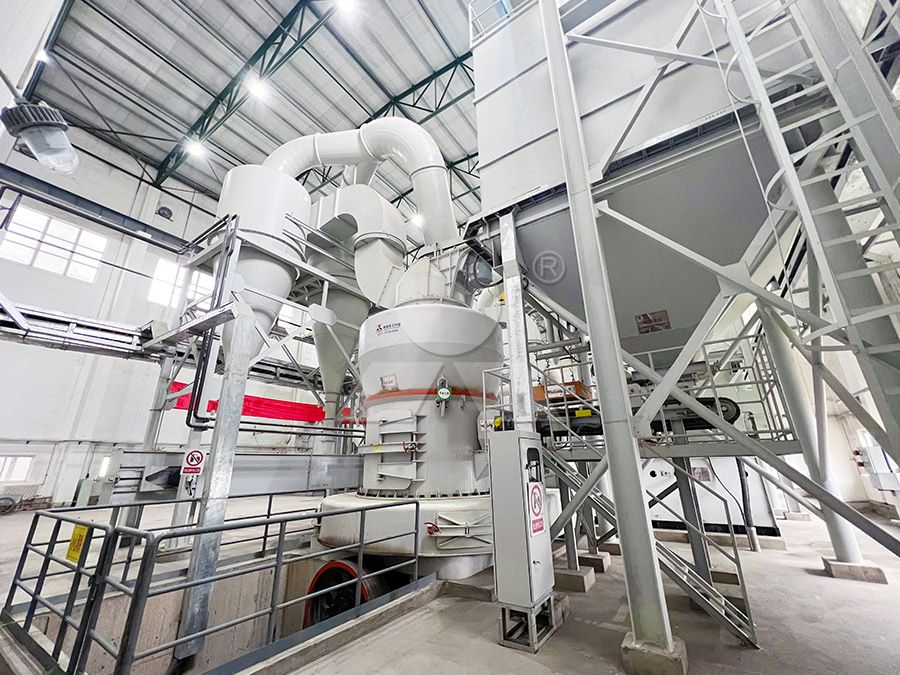
The classic Raymond mill remains a cost-effective solution for clay processing, but modern upgrades make a substantial difference. Key components to optimize include:
- Grinding roller and ring: Use high-chrome or composite materials for abrasive Suriname clays.
- Blower and air system: Ensure adequate airflow to transport fines without losing coarse material.
- Classifier: Adjustable rotary classifier improves product uniformity.
- Dust collection: Pulse-jet filters are essential for environmental compliance and product recovery.
For higher capacity and finer products, upgrading to an advanced mill can yield better returns. Our MW Ultrafine Grinding Mill is designed for customers who need ultra-fine powder with adjustable fineness between 325-2500 mesh. It features a German-technology cage-type powder selector and efficient pulse dust collector, making it ideal for premium absorbent grades. The MW mill can process 0.5-25 tph with input size up to 20 mm, and its energy consumption is only 30%% of jet mills while yielding 40%% higher production.

Moisture Control: The Hidden Variable
Suriname’s tropical climate means clay often arrives at the mill with moisture content ranging from 15%% to 30%%. Excessive moisture leads to clogging, reduced grinding efficiency, and product caking. Strategies to manage moisture include:
- Pre-drying: Use a rotary dryer or solar drying beds to reduce moisture below 8%% before milling.
- In-mill drying: Introduce hot air into the grinding chamber; Raymond mills with air-swept design can handle this effectively.
- Additive use: Small amounts of quicklime or calcium oxide can chemically bind moisture during grinding.
Monitor moisture closely with online sensors, as fluctuations directly impact product quality and mill throughput.
Grinding Circuit Optimization: Fine-Tuning for Absorbent Quality
Optimization is not a one-time event but a continuous process. Key parameters to adjust include:
- Feed rate: Maintain stable feed to prevent mill surging. Use variable-speed feeders for precise control.
- Classifier speed: Higher RPM produces finer powder but reduces capacity. For absorbents, find the sweet spot where absorption meets flow.
- Grinding pressure: Adjust spring pressure or hydraulic system to match clay hardness without over-grinding.
- Air flow: Optimize blower speed to balance material transport and classification efficiency.
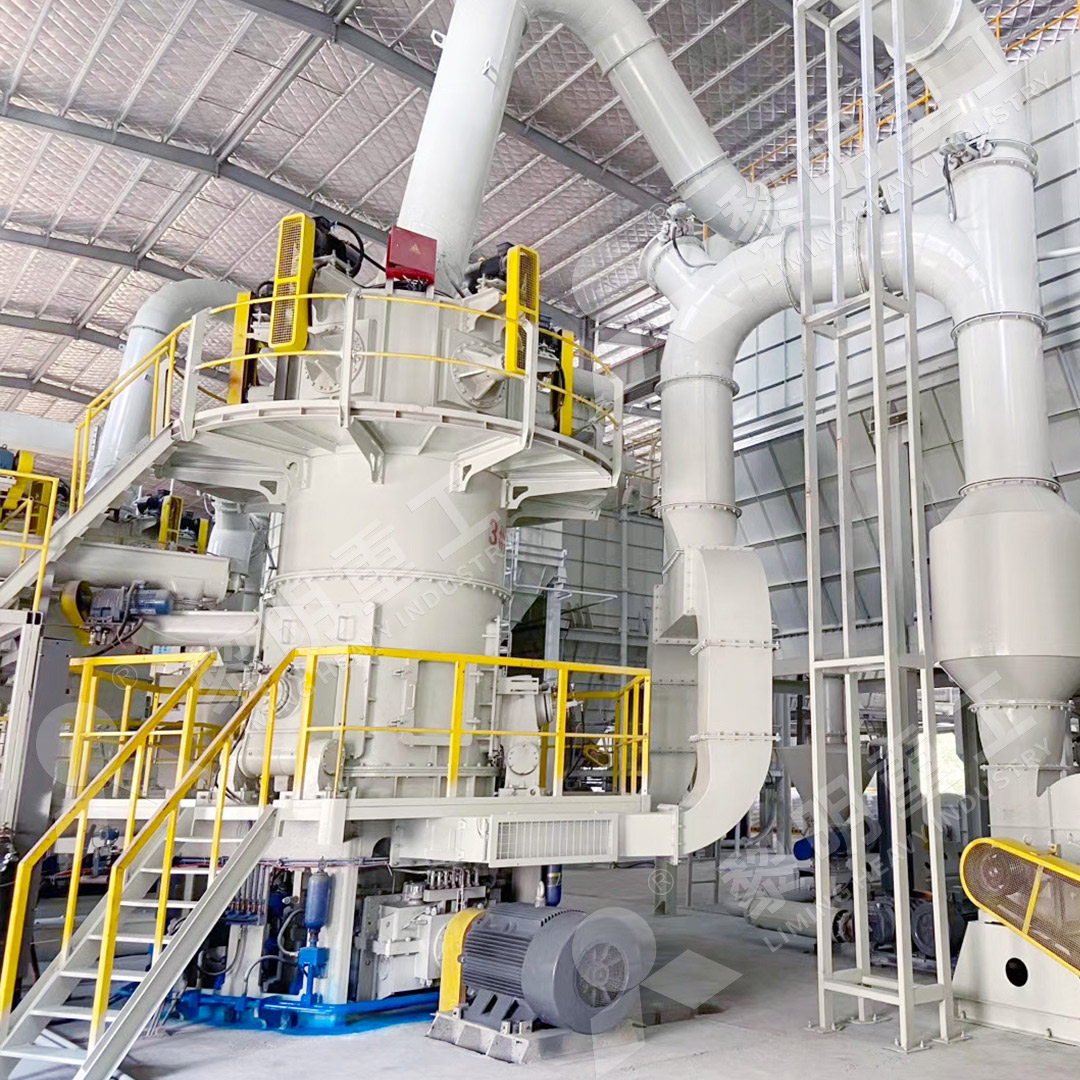
Our LUM Ultrafine Vertical Grinding Mill offers advanced multi-head powder separating technology with PLC control, allowing precise adjustment of grinding pressure and rotation speed. Its double position-limiting technology prevents roller-table collision, ensuring stable operation even with variable feed. The LUM mill reduces energy consumption by 30-50%% compared to common mills, and its reversible design simplifies maintenance—critical for remote Suriname operations.
Maintenance and Wear Management
Abrasiveness of clay, especially kaolin, accelerates wear on grinding elements. Implement these practices to extend equipment life:
- Regular inspection: Check roller shells, ring, and classifier blades weekly.
- Hardfacing: Rebuild worn surfaces using welding techniques.
- Lubrication: Follow manufacturer schedules for bearings and gearboxes. Raymond mills with external lubrication systems allow continuous operation.
- Spare parts inventory: Maintain stock of critical components like grinding rollers and liners to minimize downtime in remote areas.
LIMING provides sufficient supply of original spare parts and technical services to ensure worry-free operation, backed by our own production and sales network.
Environmental and Economic Considerations
Suriname’s environmental regulations are becoming stricter. Modern Raymond mill systems with efficient pulse dust collectors and silencers meet national standards while reducing product loss. Noise levels can be further controlled with enclosure and muffler installations. Economically, the key metric is cost per ton of finished product. By optimizing throughput, energy consumption, and maintenance costs, you can achieve competitive pricing in the absorbent market.
Conclusion: Path to Higher Efficiency
Optimizing clay processing with Raymond mill technology in Suriname requires a holistic approach: understanding your clay, correctly setting up the mill, controlling moisture, and continuously fine-tuning operations. Investing in advanced mills like the MW Ultrafine or LUM Vertical models from LIMING can provide the edge needed to produce high-quality absorbents efficiently. With proper maintenance and environmental compliance, your operation can thrive in Suriname’s growing industrial landscape.

Frequently Asked Questions (FAQ)
- Q: What is the ideal feed size for Raymond mill when processing clay?
A: For standard Raymond mills, feed size should be below 25 mm. Pre-crushing with a jaw crusher is recommended for larger lumps. - Q: How do I prevent clogging when grinding wet clay?
A: Reduce moisture below 8%% through pre-drying, or use hot air in the mill. Adding 1-2%% quicklime can also help. - Q: What fineness range is best for absorbent clay products?
A: Typically 100-325 mesh (150-45 microns). Finer powders increase absorption but may reduce flowability. Testing with your specific clay is advised. - Q: Can Raymond mill handle abrasive clays like kaolin?
A: Yes, but use high-chrome or composite grinding rollers and rings, and inspect wear parts regularly. Our MW and LUM mills offer enhanced durability. - Q: How often should I replace grinding rollers?
A: Depending on clay abrasiveness and hours of operation, typically every 6-12 months. Hardfacing can extend life by 30-50%%. - Q: What is the energy consumption for grinding clay with Raymond mill?
A: Typical range is 15-25 kWh per ton, but this varies with fineness and moisture. LUM mill can reduce this by 30-50%%. - Q: Can Raymond mill produce powder for both pet litter and industrial absorbents?
A: Yes. Adjust classifier speed and feed rate to achieve desired particle size distribution. Dual production lines may be needed for different grades. - Q: Is dust collection mandatory for environmental compliance in Suriname?
A: Yes. All new installations should include pulse-jet dust collectors. Our MW mill comes equipped with an efficient dust removal system.