
How to optimize barite processing with industrial pulverizer for drilling mud
Introduction: The Critical Role of Barite in Drilling Mud
Barite, or barium sulfate (BaSO4), is the backbone of high-density drilling fluids in the oil and gas industry. Its primary function is to increase the hydrostatic pressure of the mud to counteract formation pressures and prevent blowouts. However, the efficiency of barite in this role hinges entirely on its particle size distribution and purity. Raw barite, often mined with a specific gravity of 4.2 to 4.5, must be ground to a fine, uniform powder—typically 90% passing 200 mesh (74 microns) or finer, with a target of d50 around 6-10 microns for ultra-fine applications. An improperly optimized milling process leads to settling in the mud pit, poor rheology, increased wear on pumps, and ultimately, higher operational costs.
For mud engineers and plant managers, the challenge is not just grinding barite; it’s grinding it efficiently, consistently, and with minimal contamination. This article walks through the practical steps to optimize barite processing using modern industrial pulverizers, focusing on energy savings, throughput, and final product quality.
Step 1: Pre-Processing and Feed Control
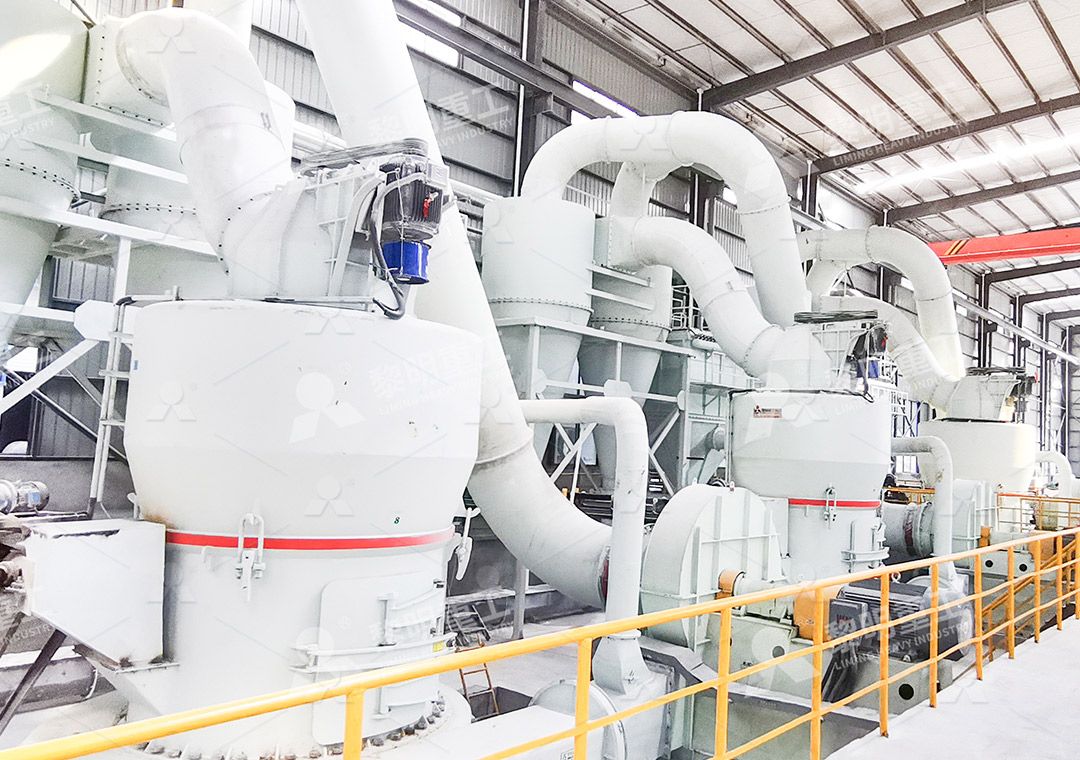
Before the barite ever hits the pulverizer, the upstream process sets the stage for success. Most barite comes from mines with varying grades and moisture content. A jaw crusher or hammer crusher should reduce the run-of-mine ore to a consistent feed size—ideally below 20 mm for medium-capacity mills and below 10 mm for ultra-fine vertical mills.
Feeding is where many operations lose efficiency. Vibrating feeders with variable frequency drives (VFDs) ensure a steady, regulated flow. Starving the mill causes unnecessary wear on grinding elements, while overfeeding leads to plugging and motor overload. For barite, the moisture content should be kept below 3% to avoid clogging in the classifier and dust collector. If the ore is damp, a hot air generator integrated with the mill can provide in-situ drying.
Step 2: Selecting the Right Pulverizer for Barite
Not all mills are created equal when it comes to barite. While ball mills are traditional workhorses, they are energy hogs and produce a wide particle size distribution. For modern operations, especially those targeting high-value ultra-fine grades (like for weighting agents in deep-water drilling), the choice of pulverizer is critical.
We strongly recommend the MW Ultrafine Grinding Mill for operations aiming for a product fineness between 325 mesh and 2500 mesh (d97 ≤ 5μm). This mill is designed specifically for barite and non-metallic minerals. Its cage-type powder selector, derived from German technology, ensures a precise cut point, meaning you don’t get lumps of coarse material sneaking into your final mud additive. The yield is twice that of a ball mill for the same power consumption, and the grinding curves of the rollers minimize energy waste.
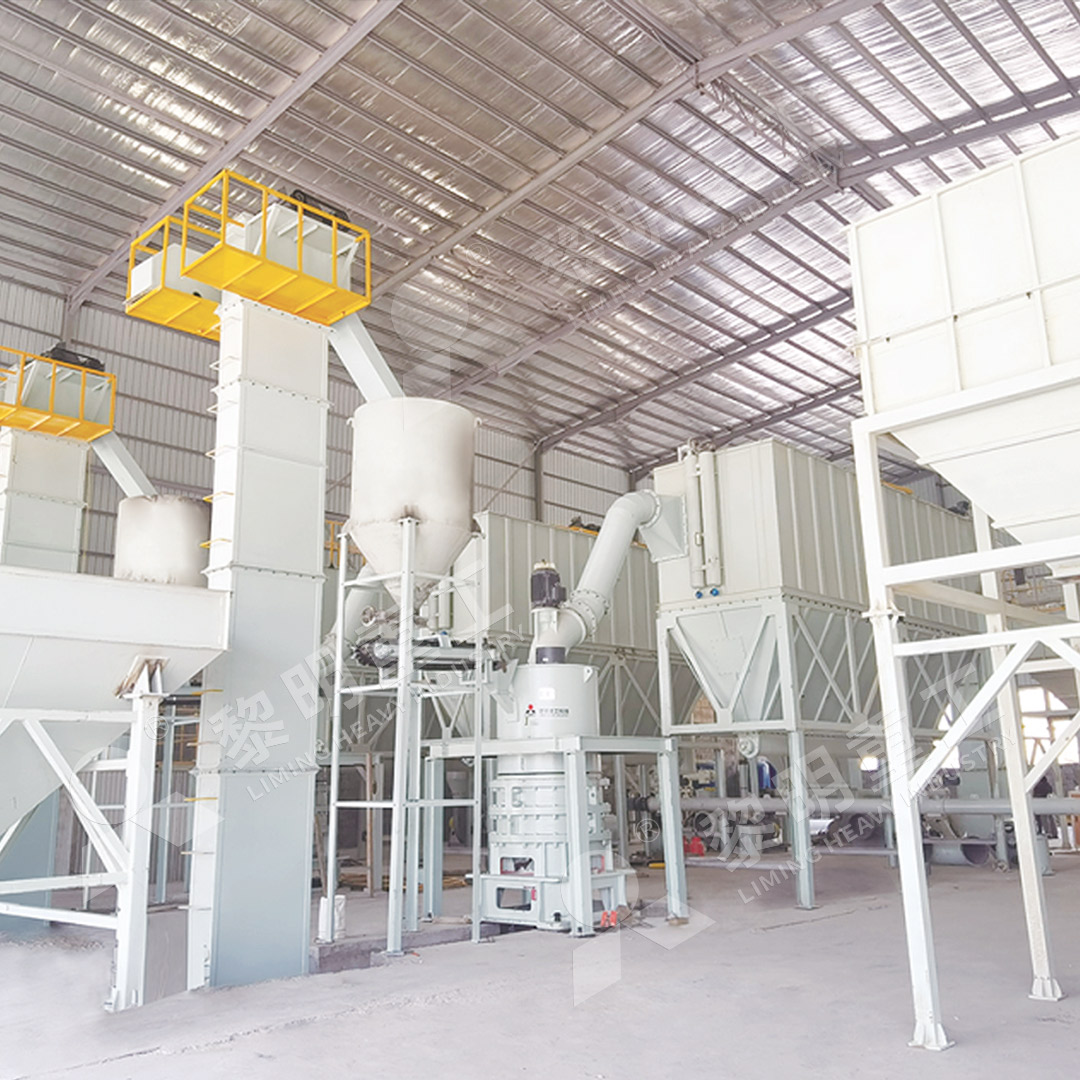
For larger throughput requirements—say 10 to 18 tons per hour—the LUM Ultrafine Vertical Grinding Mill is an excellent alternative. It integrates grinding, drying, and classification in one unit. The hydraulic roller system and reversible structure reduce downtime for maintenance, a common headache when grinding abrasive barite. Both of these machines eliminate the rolling bearings and screws inside the grinding chamber, which are typical failure points in other designs.
Step 3: Fine-Tuning Operational Parameters
Once the mill is installed, optimization is a hands-on process. Start with the following parameters:
- Grinding Pressure: Barite is relatively soft (Mohs 3-3.5). Excessive pressure only wastes energy and generates heat, which can degrade the polymer additives later mixed with the mud. Adjust the hydraulic pressure to achieve the target fineness without over-grinding.
- Classifier Speed: The rotary classifier (powder separator) is the gatekeeper. For standard API 13A barite (specific gravity 4.2, 97% passing 200 mesh), a lower rotor speed suffices. For premium grades, increase the RPM. The MW mill’s multi-head classifier allows precise tuning between 325 and 2500 meshes.
- Air Flow: The blower handles material transport. If the air flow is too high, coarse particles get carried into the product. If too low, fines recirculate and cause build-up. Monitor the differential pressure across the mill; it should remain stable.
Step 4: Managing Wear and Contamination
Barite is abrasive, especially if it contains silica (SiO2) as an impurity. The wear rate of grinding rollers and rings directly affects both product quality (from iron contamination) and operating costs. The MW Ultrafine Grinding Mill uses no rolling bearings or screws in the chamber, which eliminates oil leaks and mechanical jams. The grinding rollers have a specially designed curve that maintains efficiency even as the surface wears.
To minimize iron contamination—a critical issue for drilling mud that must pass magnetic separation—the LUM vertical mill uses a material bed principle where the rollers do not directly contact the millstone. This reduces the metal-to-metal wear that plagues other mills. Install a magnetic separator downstream of the mill to catch any tramp iron that slips through.
Step 5: Environmental and Operational Controls
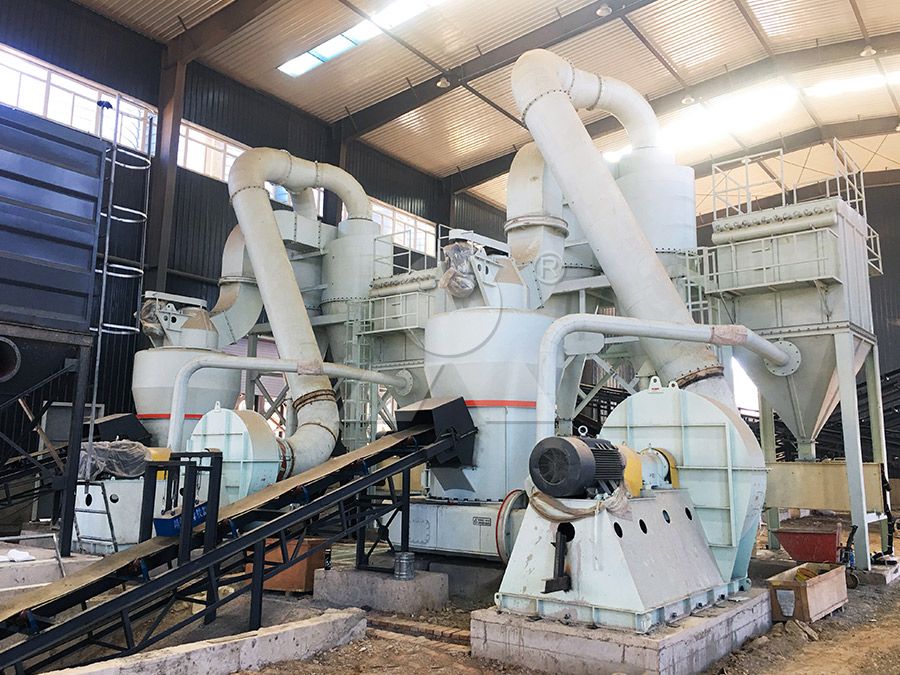
Modern barite plants cannot afford dust. The MW mill comes standard with an efficient pulse dust collector and a muffler. This is not just about regulatory compliance; it prevents the loss of fine barite, which is the most valuable fraction. The negative pressure system ensures that the entire milling process is sealed. The noise level is also significantly reduced, which improves working conditions.
For digital control, both the MW and LUM mills support PLC integration. You can monitor bearing temperatures, motor loads, and classifier speeds in real-time. This data allows you to predict wear and schedule maintenance, avoiding unexpected shutdowns that cost thousands per hour in lost production.
Conclusion: Building a Reliable Barite Milling Circuit
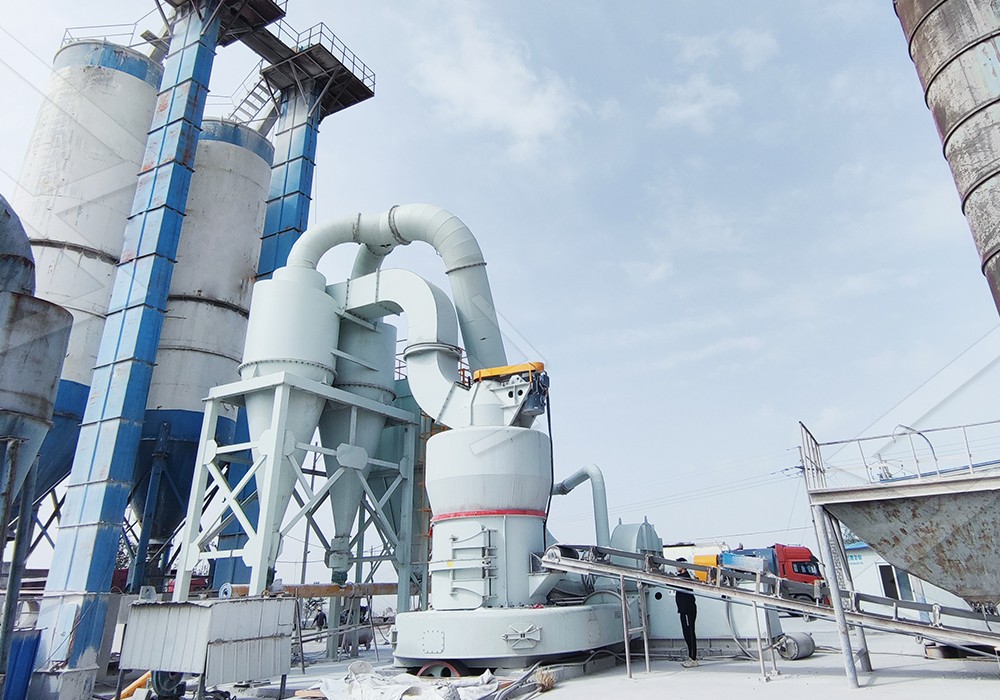
Optimizing barite processing for drilling mud is a balancing act between throughput, fineness, and purity. Start with proper feed preparation, choose a pulverizer designed for ultra-fine grinding (like the MW Ultrafine Grinding Mill or the LUM Ultrafine Vertical Grinding Mill), and then dial in the classifier speed and air flow. Do not neglect wear management; a proactive parts replacement schedule based on operating hours will save money in the long run. Finally, invest in a good dust collection system to retain product and keep your plant clean. By following these steps, you can produce a consistent, high-quality barite powder that meets or exceeds API standards, keeping those drilling operations running smoothly.
Frequently Asked Questions (FAQ)
Q1: What is the ideal feed moisture for barite when using an ultrafine mill?
A: Keep the feed moisture below 3%. Higher moisture can cause bridging in the feeder and clogging in the classifier. If the ore is damp, use a hot air generator integrated with the mill.
Q2: Can the MW Ultrafine Grinding Mill achieve API 13A specification for drilling mud barite?
A: Yes. The MW mill can easily reach 97% passing 200 mesh (74 microns) with a d50 of around 6-10 microns. The cage-type powder selector allows you to adjust fineness precisely to meet API standards.
Q3: How often do I need to replace the grinding rollers for barite?
A: It depends on the silica content of your barite. With typical barite (SiO2 < 2%), the wear-resistant alloy rollers in the MW mill last approximately 1500 to 2000 hours. The split design makes replacement straightforward.
Q4: What causes iron contamination in barite powder, and how can it be reduced?
A: Iron pick-up typically comes from metal-to-metal contact in the mill. The LUM Ultrafine Vertical Mill uses a material bed principle, reducing direct contact. Also, install a magnetic separator after the mill to remove any tramp iron.
Q5: Which mill is better for high throughput: MW or LUM?
A: For throughputs above 10 tph and up to 18 tph, the LUM Ultrafine Vertical Grinding Mill is more suitable. For smaller scales (0.5-25 tph) with high fineness requirements (up to 2500 mesh), the MW Ultrafine Grinding Mill offers better flexibility and lower energy consumption per ton.
Q6: Is the noise level from these mills acceptable for indoor operation?
A: Yes. Both the MW and LUM mills are equipped with silencers and noise elimination rooms. The vibration is minimal, so sound levels are typically below 85 dB at a 1-meter distance, meeting most occupational safety standards.
Q7: Can I use the same mill for barite and other minerals like limestone or talc?
A: Absolutely. The MW and LUM mills are designed for multi-purpose use. However, you must thoroughly clean the mill and classifier between product changes to avoid cross-contamination, especially when switching to products for cosmetics or food additives.
Q8: How does the MW mill’s energy consumption compare to a traditional ball mill for barite?
A: The MW mill consumes about 30% of the energy of a jet mill and is significantly more efficient than a ball mill. For the same fineness and power, the production capacity is 40% higher than jet mills and double that of ball mills.