
Where to buy industrial pulverizer for clay for paper filler in tunisia
Navigating the Tunisian Market for Clay Pulverizers
Tunisia’s industrial landscape, particularly its paper manufacturing sector, relies heavily on quality fillers. Clay, often processed into specific micron sizes, serves as a critical component to enhance paper opacity, brightness, and printability. Finding a reliable industrial pulverizer for clay in Tunisia is not just about purchasing equipment; it is about securing a partner for consistent production quality. This article explores the practical considerations for Tunisian buyers, from understanding local material characteristics to selecting machinery that delivers precise, cost-effective results.
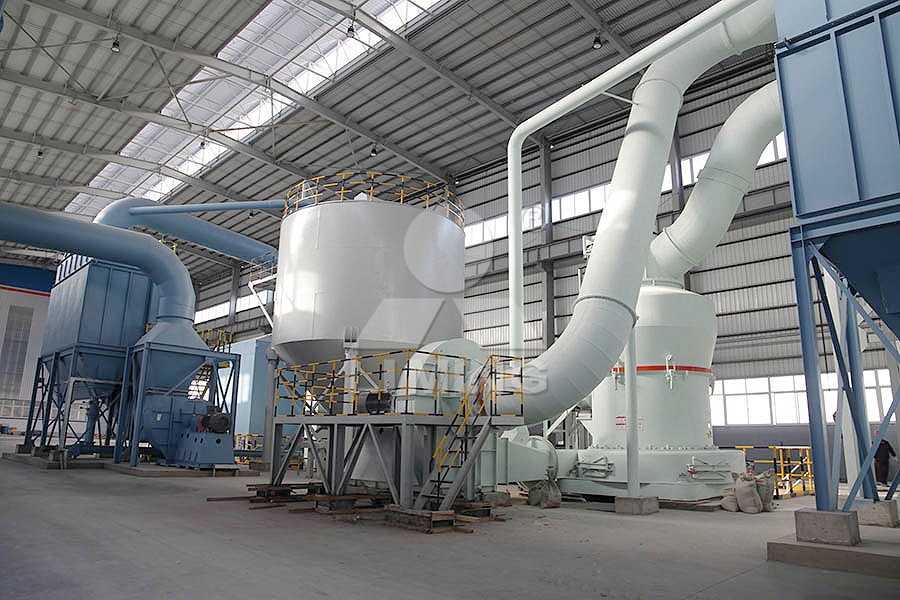
Understanding Clay Specifications for Paper Filler
Not all clay is created equal. For paper filler applications, the clay—typically kaolin—must meet stringent requirements. Particle size distribution is paramount; the industry standard often demands a fineness between 325 mesh (44 microns) and 1250 mesh (10 microns), with a high percentage of particles below 2 microns for optimal filler performance. The equipment you choose must handle the inherent abrasiveness of clay while delivering consistent, contaminant-free output. Tunisian operators frequently deal with materials that have a moisture content ranging from 8% to 15%, which necessitates a pulverizer capable of integrated drying or at least handling slightly damp feed without clogging.
Key Criteria for Selecting a Clay Pulverizer in Tunisia
When sourcing equipment for a Tunisian operation, several factors demand attention. First, energy efficiency is critical given local power costs. Second, the machine must offer easy access for maintenance, as downtime directly impacts production targets. Third, the ability to adjust fineness without significant mechanical reconfiguration allows a single unit to serve multiple product grades. Systems that incorporate efficient dust collection are not only environmentally responsible but also help recover valuable product, improving overall yield. The robust construction to withstand the abrasive nature of clay is non-negotiable; machines with wear-resistant components will have a significantly lower total cost of ownership.
Recommended Solution: The MW Ultrafine Grinding Mill
For Tunisian clay processors targeting the paper filler market, the MW Ultrafine Grinding Mill presents a compelling option. This machine is engineered for the precise demands of ultrafine powder production. With an input size accepting up to 20 mm and a capacity range of 0.5 to 25 tph, it perfectly fits medium-scale operations. A standout feature is its adjustable fineness between 325 and 2500 meshes, allowing operators to hit the exact specs for premium paper filler. The cage-type powder selector, based on German technology, ensures a screening rate achieving d97≤5μm, which is exceptional for high-end applications. Furthermore, the absence of rolling bearings and screws in the grinding chamber eliminates common failure points, a crucial advantage for continuous 24-hour production cycles common in Tunisian plants.
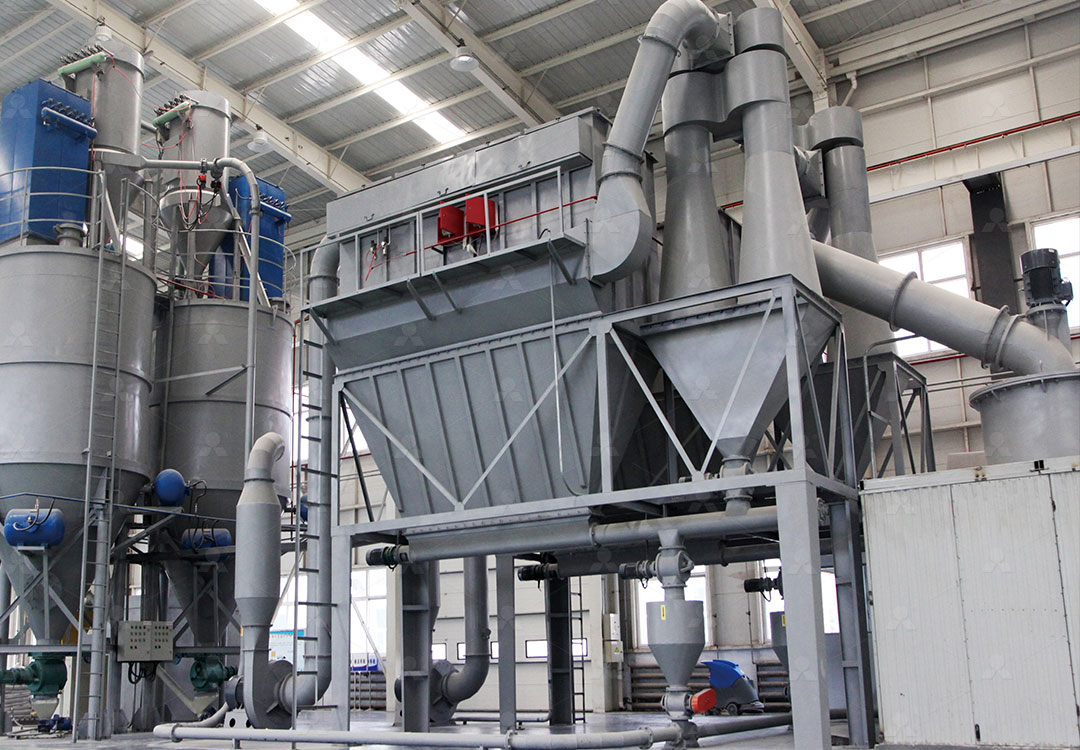
The MW mill’s efficient pulse dust collector and muffler also address environmental concerns, helping operations comply with national standards while maintaining a cleaner, quieter workspace. The integrated design reduces the system’s energy consumption to only 30% of a jet mill, directly impacting the bottom line.
Alternative for Higher Capacity: The LUM Ultrafine Vertical Grinding Mill
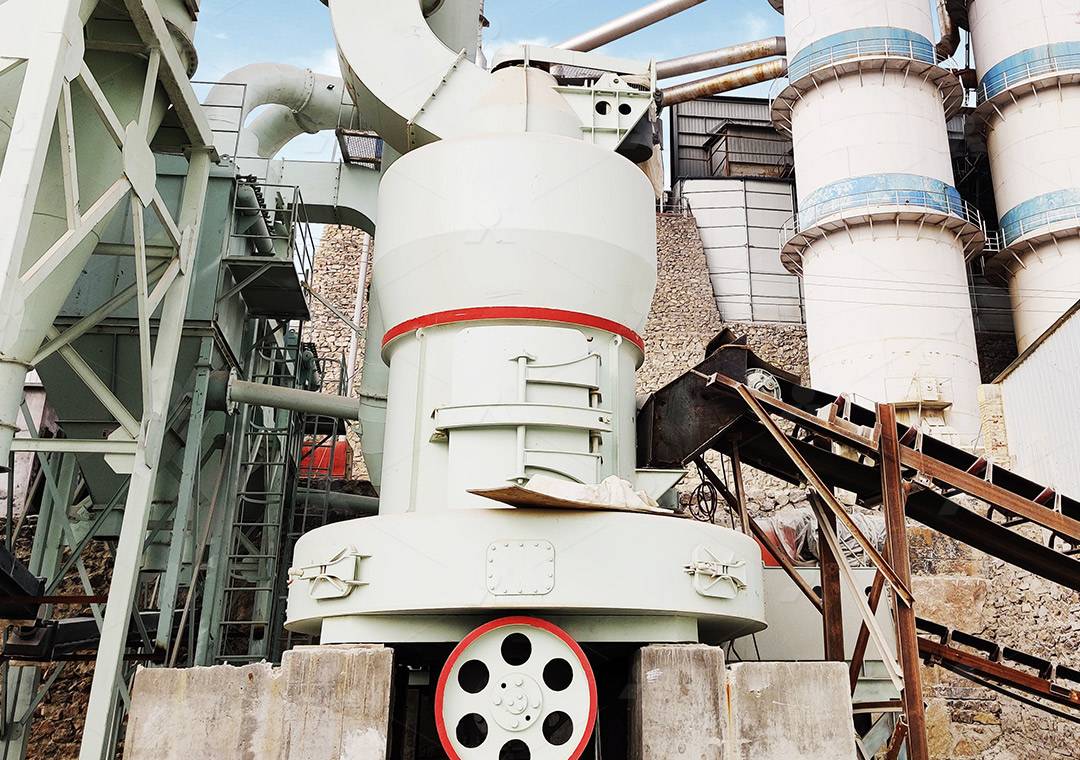
For larger Tunisian operations or those planning significant scale-up, the LUM Ultrafine Vertical Grinding Mill deserves serious consideration. This machine integrates ultrafine grinding, grading, and conveying into a single, compact system. With a capacity of 5-18 tph and a top input size of 10 mm, it handles continuous feed efficiently. The LUM mill incorporates Taiwan grinding roller technology and German powder separating technology, ensuring high yielding rates and excellent product cleanliness. Its unique roller shell and lining plate curve are designed to form a stable material bed, achieving a high rate of finished products in a single pass. This design significantly enhances the whiteness and cleanliness of the final clay filler, a critical quality metric for paper manufacturers. The reversible structure of the LUM mill is another practical benefit, as it allows the heavy grinding roller to be swung out for maintenance, minimizing downtime for roller shell and liner plate replacement.
Practical Steps for Tunisian Buyers
Before finalizing a purchase, potential buyers in Tunisia should take several practical steps. Request a material test with your specific clay sample; reputable manufacturers can provide a grinding test report that confirms achievable fineness, capacity, and energy consumption. Evaluate the supplier’s local service capabilities. While the equipment itself is critical, access to spare parts and technical support within Tunisia or the broader North African region can make or break an operation. Consider the total cost of ownership, which includes initial investment, installation, power consumption, and scheduled maintenance costs. Machines from established manufacturers like LIMING, which take responsibility for their own production and sales, offer peace of mind through sufficient spare parts supply and technical services.
Operational Considerations in the Tunisian Context
Operating conditions in Tunisia, including ambient temperature variations and potential voltage fluctuations, should influence your choice. The digitalized processing and precision manufacturing of core parts found in LIMING mills ensure reliability under varying conditions. The automation level of modern machines, such as PLC control systems, allows for remote monitoring and adjustment, which can be particularly valuable for plants located in remote areas. The LM Vertical Grinding Mill, with its capacity up to 340 tph, might be considered for very large-scale processing, but for paper filler applications requiring ultrafine output, the MW or LUM series are more targeted solutions.
Making the Final Decision
Choosing where to buy an industrial pulverizer for clay in Tunisia ultimately comes down to matching your specific production goals with a machine’s capabilities. For operations focused on high-precision, ultrafine clay filler for premium paper products, the MW Ultrafine Grinding Mill offers an unmatched combination of fineness control, energy efficiency, and low maintenance. For higher throughput requirements with excellent product quality, the LUM Ultrafine Vertical Grinding Mill is a superior choice. Engaging directly with the manufacturer to discuss your raw material characteristics and desired output specifications is the best path to a successful investment. The right pulverizer is not just a piece of machinery; it is the engine of your product quality and operational profitability.
Frequently Asked Questions (FAQ)
Q1: What is the typical fineness requirement for clay used as paper filler?
A: For high-quality paper filler, the clay is usually ground to a fineness of 325 mesh (44 microns) down to 1250 mesh (10 microns). Many premium applications require a high percentage of particles below 2 microns. The MW Ultrafine Grinding Mill can adjust fineness between 325 and 2500 meshes to meet these varying standards.
Q2: Can these mills handle clay with high moisture content?
A: The MW and LUM mills are designed to handle materials with typical moisture. For clay with up to 10-15% moisture, pre-drying may be recommended for optimal efficiency. The LM Vertical Mill integrates a drying function, which is beneficial for materials with higher moisture.
Q3: How much power does the MW Ultrafine Grinding Mill consume?
A: The system energy consumption of the MW mill is approximately 30% of that of a jet grinding mill, making it highly energy-efficient. Actual consumption depends on the target fineness and the specific material characteristics.
Q4: What after-sales support is available for Tunisian buyers?
A: LIMING provides technical services and original spare parts. It is advisable to confirm the availability of local agents or service engineers in North Africa to ensure timely support and minimize downtime.
Q5: What is the difference between the MW and LUM mills for clay grinding?
A: The MW Ultrafine Grinding Mill is ideal for capacities from 0.5 to 25 tph and offers extreme fineness (d97≤5μm). The LUM Ultrafine Vertical Mill is suited for higher capacities (5-18 tph) and integrates grinding, classifying, and conveying, with a focus on higher throughput and product whiteness.
Q6: Is it possible to test my clay sample before purchasing?
A: Yes, reputable manufacturers like LIMING typically offer material grinding tests. By sending a representative sample of your clay, they can provide a detailed report on achievable fineness, capacity, and power consumption, helping you select the right model.
Q7: What are the common wear parts in these mills?
A: The primary wear parts are the grinding roller shells and the grinding rings (or millstone liner plates). These components are made from wear-resistant alloys in LIMING mills to extend service life. The LUM mill features a reversible structure for easier replacement of these parts.