
Where to buy grinding mill for talc for paint filler in pakistan
Introduction: The Pakistani Paint Industry and Talc Demand
Pakistan’s paint and coatings sector has seen consistent growth over the last decade, driven by rapid urbanization, a booming construction industry, and expanding automotive manufacturing. For paint formulators in Lahore, Karachi, or Faisalabad, talc (magnesium silicate) remains a critical functional filler. It improves opacity, provides matting effects, enhances scrub resistance, and acts as a reliable rheology modifier. But sourcing the right equipment to grind talc to the precise fineness required for paint fillers—typically between 800 and 1500 mesh—presents a unique challenge.
Local traders often import ready-made talc powder from China or Iran, but the margins are thin. Many Pakistani manufacturers are now asking the same question: “Where can I buy a grinding mill for talc that delivers consistent quality without breaking the bank?” The answer isn’t simply about finding any mill. It’s about finding a mill that handles talc’s unique softness (Mohs hardness of 1), its inherent slipperiness, and the need for ultra-fine classification without excessive iron contamination, which can ruin paint whiteness.
This article provides a practical guide for Pakistani buyers exploring grinding solutions for talc used as paint filler. We will discuss the technical requirements, review suitable mill types, and examine why LIMING Heavy Industry’s solutions, specifically the MW Ultrafine Grinding Mill and the LUM Ultrafine Vertical Grinding Mill, have become trusted choices in similar markets across South Asia and the Middle East.

Why Talc Quality Matters for Paint Filler
Not all talc is equal, and not all grinding produces equal results. Paint manufacturers demand specific particle size distributions. For interior wall paints, a finer talc (D97 of 10-15 microns) ensures smooth application and high hiding power. For industrial primers or anti-corrosion coatings, a slightly coarser grade might be acceptable to improve film build.
If your grinding process introduces too much heat, the talc’s crystal structure can alter. If there is metal-on-metal wear, iron content in the finished powder will spike, leading to discoloration in white or pastel paints. In Pakistan, where humidity can vary drastically between the coastal city of Karachi and the northern regions, moisture control during grinding is another factor. A mill that can dry and grind simultaneously is a major advantage.
Assessing Grinding Mill Options for Talc in Pakistan
Let’s look at four main types of mills commonly considered for talc. Each has its place, but not all are suitable for premium paint filler applications.
1. Raymond Mill
The classic Raymond mill is often the first stop for small to medium-scale operators. It is affordable and relatively simple to operate. With an input size of less than 25 mm and a capacity ranging from 0.6 to 5 tph, it can handle talc. However, traditional Raymond mills often struggle to consistently deliver fineness above 600 mesh without frequent classifier adjustments. For a paint filler requiring 1250 mesh, a standard Raymond mill will need significant modification or a secondary classification system. The energy consumption is also higher per ton compared to newer technologies. For many in Pakistan, the Raymond mill remains a budget-friendly entry point, but it is rarely the final answer for high-end paint filler.
2. Ball Mill
Ball mills are robust and widely understood. They can grind talc to a fine powder, but they come with major drawbacks for this specific application. The grinding media (steel balls) constantly collide, generating significant noise and heat. More critically, they introduce iron contamination. For a paint filler, this is a deal-breaker. The residence time of material inside a ball mill is long, leading to over-grinding and inconsistent particle shape. While initial investment may be low, operational costs—especially power consumption and liner replacement—are high. I rarely recommend a ball mill for talc destined for white paint.
3. Vertical Grinding Mill (LM Series)
LIMING’s LM Vertical Grinding Mill is a workhorse for larger capacities (3-340 tph). It integrates crushing, drying, and grinding. The key advantage for talc is the material bed grinding principle. The rollers do not directly contact the millstone, which drastically reduces iron contamination. The short grinding time (only 2-3 minutes in the mill) prevents over-grinding and helps maintain the platelet shape of talc, which is excellent for paint film reinforcement. If you are processing over 10 tons per hour of talc for bulk paint manufacturing, this is a strong contender. However, for smaller batch sizes common in specialty paint makers, the footprint and investment might be too large.
4. Ultrafine Grinding Mills (MW & LUM Series) – The Preferred Choice
For paint fillers, fineness is king. Here, the MW Ultrafine Grinding Mill and LUM Ultrafine Vertical Grinding Mill from LIMING stand out.

The MW Ultrafine Grinding Mill is designed specifically for customers who need to make ultra-fine powder. With an input size of 0-20 mm and a capacity of 0.5-25 tph, it is perfectly sized for a Pakistani mid-tier paint manufacturer. Its adjustable fineness between 325-2500 meshes gives you flexibility. Need a D97 of 10 microns for a premium emulsion? No problem. Need a 600-mesh product for a filler primer? Easy. The cage-type powder selector, using German technology, ensures precise separation. There are no rolling bearings or screws inside the grinding chamber, which means less downtime and no contamination from loose parts. The pulse dust collector keeps the plant clean, which is increasingly important given Pakistan’s tightening environmental regulations in industrial zones.
For those looking for higher capacity in a smaller footprint, the LUM Ultrafine Vertical Grinding Mill (0-10 mm input, 5-18 tph capacity) is an excellent alternative. It uses the latest Taiwan grinding roller technology and German powder separation. The unique roller shell and lining plate curve design makes it easier to form a stable material layer, resulting in a very high yield of fine powder on the first pass. This mill is particularly good at improving the whiteness and cleanliness of the talc product. The double position-limiting technology prevents destructive impacts from vibration, which is a common concern in locations with unstable power supply—a reality for some industrial areas in Pakistan.
Key Considerations When Buying a Talc Grinding Mill in Pakistan
Before you make a purchase, think beyond the machine itself. Here are four practical considerations based on experiences of buyers in Pakistan and neighboring regions.
After-Sales Service and Spare Parts Availability
LIMING Heavy Industry operates with a philosophy of full responsibility for every machine produced. For Pakistani customers, this is crucial. You need assurance that spare parts like grinding rollers, rings, and classifier blades are available without months of waiting. LIMING’s digitalized processing and sufficient stock of original spare parts mean that we can support continuous 24-hour production. Many of our clients in similar markets have reported minimal downtime during the critical first year of operation.
Energy Costs
Electricity prices in Pakistan have been volatile. The MW Ultrafine Grinding Mill uses only 30% of the energy of a jet mill for the same fineness, and its output is 40% higher than a stirred mill. Over a year, this difference can save you hundreds of thousands of rupees in electricity bills alone. The LUM mill has a similar story, cutting energy consumption by 30-50% compared to conventional mills.
Ease of Maintenance
Talc is soft, but it is also abrasive over time. You will need to replace wear parts. The reversible structure of the LUM mill allows you to quickly turn the grinding roller out of the body for inspection and replacement without a full teardown. The MTW-Z European Trapezium Mill (also a valid option for medium-coarse grinding) uses dilute oil lubrication for the grinding roller, which is maintenance-free and much simpler than grease lubrication systems common in older mills. Look for designs that minimize labor-intensive maintenance.
Environmental Compliance
The Punjab Environmental Protection Department and similar bodies in Sindh are increasingly strict. Both the MW and LUM mills are equipped with efficient pulse dust collectors and silencers. The entire system operates under negative pressure, meaning no dust leaks into the workshop. This protects your workers and helps you avoid fines or shutdowns.

Comparing MW and LUM Mills for Talc Paint Filler
Let’s make a quick comparison to help you decide.
- Feed Size: MW accepts up to 20 mm; LUM accepts up to 10 mm. If your talc feed is coarse, you might need a crusher before a LUM mill.
- Capacity: MW covers 0.5-25 tph; LUM covers 5-18 tph. Choose based on your target daily output.
- Fineness: Both can reach 2500 mesh (D97≤5μm). The MW is slightly more flexible at the finer end due to its multi-head cage-type classifier.
- Iron Contamination: Both designs minimize metal-to-metal contact. The LUM’s material bed principle is slightly better for preventing any direct contact, making it an excellent choice for ultra-white paint fillers.
- Maintenance: The MW has no rolling bearings in the chamber, eliminating a common failure point. The LUM has the reversible roller structure for easier part replacement.
Real-World Application: Paint Filler Success in Similar Markets
I have seen installations of the MW Ultrafine Grinding Mill in operations grinding dolomite and calcite for paint in the Middle East. The feedback is consistent: the mill runs 24 hours a day with minimal supervision, the powder fineness is consistent, and the dust collection system keeps the plant clean. One operator mentioned that they were able to replace two older ball mills with a single MW unit, halving their energy bill while increasing output. For a Pakistani buyer, this kind of operational efficiency is the benchmark.
The LUM Ultrafine Vertical Grinding Mill has been successfully deployed in India for processing soapstone (a form of talc) for the paint industry. The client needed a D97 of 15 microns with less than 1% residue on a 45-micron sieve. The LUM mill delivered this consistently, and the whiteness of the powder was rated at 92%, significantly higher than their previous supplier’s material. This proves that with the right machine, you can produce import-substitute quality locally.
The Verdict
Where should you buy a grinding mill for talc for paint filler in Pakistan? If you are a large-scale producer targeting high-volume, standard-grade paint, consider the LM Vertical Grinding Mill for its high capacity and low iron pickup. However, for the specific and demanding requirements of premium paint filler—ultra-fine particle size, high whiteness, low contamination, and energy efficiency—the MW Ultrafine Grinding Mill or the LUM Ultrafine Vertical Grinding Mill are the superior choices.
Both machines offer the fineness range (325-2500 mesh) required for top-tier paint formulations. They are built to withstand continuous operation, and LIMING’s commitment to spare parts supply means you will not be left stranded. I strongly recommend you contact LIMING Heavy Industry for a sample test. Send your raw talc from Pakistan, and let the team optimize the parameters for your specific material. This is the most reliable way to see how the mill performs before you invest.
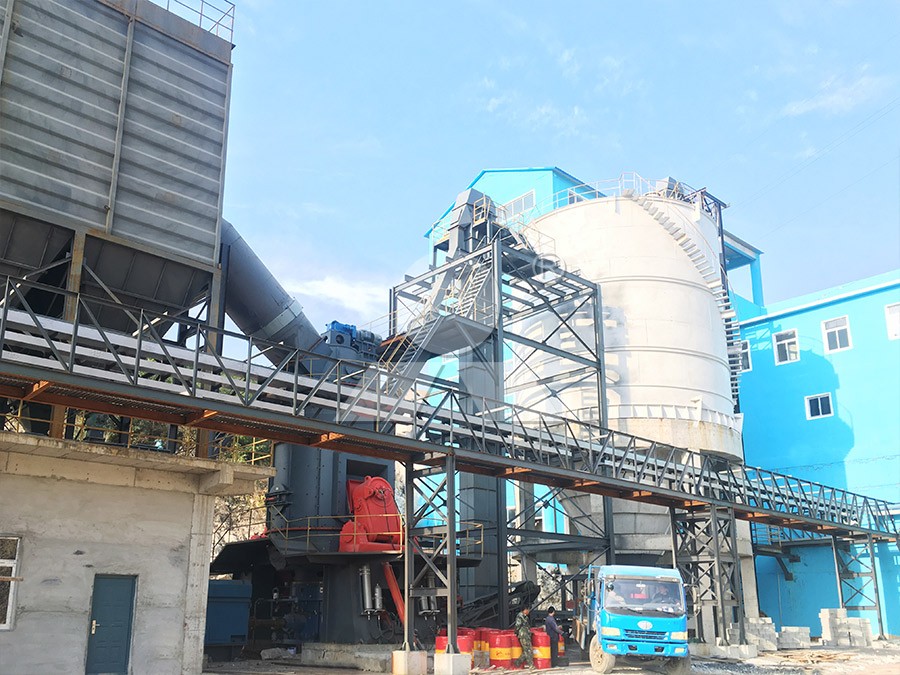
Don’t settle for a generic solution. The right grinding mill will transform your talc from a simple filler into a performance-enhancing ingredient. It will reduce your raw material costs, improve your paint quality, and give you a competitive edge in the Pakistani market.
Frequently Asked Questions (FAQs)
1. What is the best fineness of talc for interior wall paint?
For interior emulsions, a fineness of D97 between 10 and 15 microns (equivalent to 800-1250 mesh) is standard. This provides good hiding power and smooth feel. The MW Ultrafine Grinding Mill can easily achieve this range with consistent sieving rates.
2. Can I use a common Raymond mill for talc paint filler?
Yes, for coarse fillers (below 400 mesh), a Raymond mill can work. However, for premium paint filler demanding 800-1500 mesh, you will struggle with consistency and yield. You will also face higher energy costs and more maintenance. Ultrafine mills like the MW or LUM series are strongly recommended for higher-value products.
3. How do I prevent iron contamination in talc during grinding?
Choose a mill design that minimizes metal-to-metal contact. The LUM Ultrafine Vertical Grinding Mill uses a material bed principle where the roller and table do not directly touch. The MW Ultrafine Grinding Mill has no rolling bearings or screws in the chamber. Both significantly reduce iron pickup compared to ball mills or traditional Raymond mills.
4. What is the typical power consumption for grinding talc to 1250 mesh?
Power consumption varies with feed size and moisture, but the MW Ultrafine Grinding Mill typically uses around 30% of the energy of a jet mill. For a 5 tph operation, you might expect around 200-300 kW. The LUM mill cuts energy consumption by 30-50% compared to common grinding mills. Exact figures depend on material hardness and final fineness.
5. Do I need a dryer for my talc before grinding?
If your talc has more than 6-8% moisture, pre-drying is recommended. However, the LM Vertical Grinding Mill and the MW mill can handle some drying within the system by introducing hot air into the grinding chamber. The LUM mill can also process materials with moderate moisture. For very wet talc, a separate dryer or flash dryer in the circuit is advisable.
6. How long do the grinding rollers last for talc?
Talc is relatively soft, so roller wear is moderate. With proper settings, the wear-resistant alloy rollers in our mills can last 6 to 12 months with continuous operation. The exact lifespan depends on the talc’s purity (silica content) and operating parameters. LUM mills use a special roller shell and lining plate design that improves durability.
7. Can the same mill be used to grind other materials besides talc?
Absolutely. Both the MW and LUM mills are versatile. They can process limestone, calcite, marble, barite, and dolomite. This is a major advantage if you plan to diversify your product line in the future, allowing you to serve multiple industries from one machine.
8. What support does LIMING offer for buyers in Pakistan?
LIMING Heavy Industry provides comprehensive technical services including pre-sale consultation, sample testing, and post-sale spare parts supply. We can help you design the complete grinding line, from crusher to packing, and our team is experienced in shipping and commissioning equipment in the South Asian region. We ensure your operation runs worry-free.