
Where to buy grinding mill for dolomite for soil conditioner
Why Dolomite Grinding Matters for Soil Health
If you are in the business of soil conditioning, you already know that dolomite is not just another rock. It is a critical input for correcting soil pH and supplying essential magnesium and calcium. But the effectiveness of your soil conditioner depends heavily on the fineness and consistency of the dolomite powder you produce. Coarse particles take too long to break down in the soil, while ultra-fine dust can be wasteful and hard to handle. This is where choosing the right grinding mill becomes a business decision that affects both your production cost and your product quality.
Farmers and agronomists increasingly demand a product that can deliver rapid pH adjustment without burning roots. A properly ground dolomite powder with a particle size between 200 and 800 mesh is ideal for most agricultural applications. However, if you are targeting specialized markets like organic farming or high-value horticulture, you may need fineness up to 1250 mesh or even finer. The question is not just where to buy a grinding mill, but which type of mill can consistently produce the specifications you need without driving your energy costs through the roof.
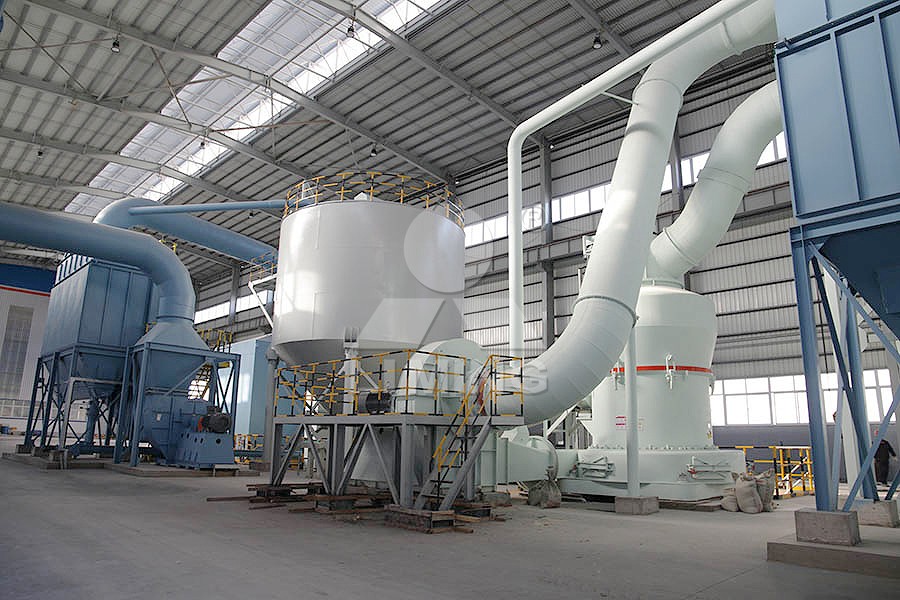
Key Considerations Before Purchasing a Dolomite Grinding Mill
Before you start contacting suppliers, you need to have a clear picture of your production requirements. Here are the main factors that will influence your choice:
- Feed Size: What is the maximum size of your raw dolomite? If you are feeding directly from a quarry crusher, you might need a mill that accepts up to 50 mm feed. If you pre-crush your material, a mill with a 10-20 mm feed size could be more economical.
- Capacity: How many tons per hour do you need? Small operations might be fine with 0.5-5 tph, while larger commercial plants often require 10-20 tph or more.
- Target Fineness: Agricultural soil conditioners typically need 80% passing 200 mesh to 325 mesh. However, premium products for golf courses or greenhouses might require d97 at 10-20 microns.
- Moisture Content: Dolomite can sometimes arrive with surface moisture. If your material is damp, you need a mill that can handle drying during the grinding process.
- Energy Efficiency: Grinding is energy-intensive. A mill that saves 30-50% on power consumption can pay for itself within a year.
Types of Grinding Mills Suitable for Dolomite
Not all grinding mills are created equal when it comes to processing dolomite for soil conditioner. Here is a breakdown of the most common options and their pros and cons.
Ultrafine Grinding Mills
If your goal is to produce high-value, ultra-fine dolomite powder for specialty soil conditioners, an ultrafine mill is your best bet. These mills can achieve fineness down to 2500 mesh (5 microns) while maintaining reasonable throughput. The key advantage is the ability to produce a narrow particle size distribution, which means every grain of your soil conditioner works predictably. Many ultrafine mills now come equipped with efficient pulse dust collectors and silencers, making them compliant with strict environmental regulations.
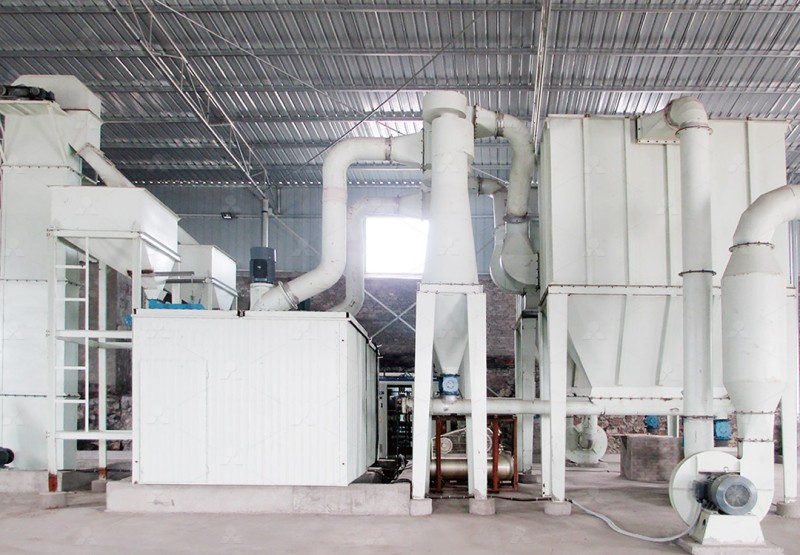
One standout option in this category is the MW Ultrafine Grinding Mill. It accepts feed sizes up to 20 mm and delivers a capacity range of 0.5 to 25 tph, making it flexible enough for both small pilot plants and full-scale production. The mill features newly designed grinding curves that boost production capacity by 40% compared to jet mills, while consuming only 30% of the energy. More importantly for soil conditioner producers, the powder selector allows you to adjust fineness between 325 and 2500 mesh with a screening rate achieving d97 ≤ 5 μm. The absence of rolling bearings and screws in the grinding chamber means less downtime for maintenance, which is crucial when you are running continuous shifts to meet seasonal agricultural demand.
Vertical Roller Mills
Vertical roller mills are another excellent choice for dolomite grinding, especially when you need high capacity and low energy consumption. They integrate crushing, drying, grinding, and classifying into one unit, which simplifies your plant layout and reduces capital investment. The compact footprint is a major advantage if you are working with limited space. These mills are known for their ability to handle larger feed sizes while maintaining stable operation.
For producers looking to scale up, the LUM Ultrafine Vertical Grinding Mill deserves serious consideration. It combines Taiwan grinding roller technology with German powder separating technology to deliver consistent ultrafine powder. With input sizes up to 10 mm and capacities from 5 to 18 tph, it is ideal for medium to large soil conditioner plants. The double position-limiting technology prevents destructive impacts from machine vibration, which is a common issue when grinding hard dolomite. The reversible structure makes roller replacement quick, reducing shutdown losses during peak production seasons. This mill can reduce energy consumption by 30-50% compared to common grinding mills, which translates directly to lower operating costs per ton of soil conditioner produced.
Ball Mills and Raymond Mills
Traditional ball mills and Raymond mills are still used in some operations due to their lower initial investment. However, they generally consume more energy and produce a wider particle size distribution. For soil conditioner applications where consistency matters, these older technologies often require additional classifying equipment to meet modern quality standards. They can be a viable option for small-scale producers who prioritize upfront cost over long-term efficiency.
How to Choose Between MW and LUM for Your Soil Conditioner Plant
The decision between the MW Ultrafine Grinding Mill and the LUM Ultrafine Vertical Grinding Mill ultimately comes down to your specific production goals:
- If you need maximum flexibility in fineness adjustment (from 325 to 2500 mesh) and plan to produce multiple grades of soil conditioner from the same line, the MW mill offers easy fineness control and a proven track record for dolomite.
- If your priority is minimizing energy costs and floor space, while maintaining ultrafine output, the LUM vertical mill provides better integration and lower power consumption per ton. It also handles slightly larger feed sizes if you want to simplify your pre-crushing stage.
- For operations targeting the premium organic or specialty crop market, where ultra-high fineness (d97 < 10 microns) commands a price premium, the MW series is purpose-built for this niche.

Practical Tips for Sourcing Your Grinding Mill
Once you have identified the type of mill you need, follow these steps to ensure a smooth purchasing process:
- Test Your Material: Send a 50-100 kg sample of your raw dolomite to the manufacturer for a grinding test. This will confirm the actual capacity and fineness achievable with your specific ore, as hardness and composition can vary between quarries.
- Check Spare Parts Availability: A mill is only as good as its supply chain for wear parts. Grinding rollers and rings are consumables that need regular replacement. Make sure the supplier stocks these parts or can ship them quickly. Liming Heavy Industry maintains sufficient supply of original spare parts for all their mills, ensuring worry-free operation.
- Evaluate After-Sales Support: Look for a manufacturer that offers on-site installation supervision and technical training for your operators. The best machine in the world will underperform if your team does not know how to optimize settings for different soil conditioner specifications.
- Consider Automation: Modern mills with PLC control systems allow you to adjust fineness and capacity with a few button presses. This is invaluable when you need to switch between different soil conditioner grades during the same day.
- Environmental Compliance: Check that the mill meets your local emission standards. Dolomite grinding creates fine dust that can be a health hazard. Both the MW and LUM series come with efficient pulse dust collectors that keep the workplace clean.
Final Thoughts on Your Purchase Decision
Buying a grinding mill for dolomite soil conditioner is not a one-size-fits-all decision. The right choice depends on your target market, production volume, and budget. If you are just starting out, the MW Ultrafine Grinding Mill offers a low-risk entry point with room to grow. For established producers looking to cut costs and increase throughput, the LUM Ultrafine Vertical Grinding Mill represents the next step in efficiency.
Whichever path you choose, remember that the quality of your soil conditioner is directly tied to the quality of your grinding equipment. A mill that delivers consistent particle size will earn you repeat customers and a reputation for reliability. Do not hesitate to ask manufacturers for references from other soil conditioner producers, and visit an existing installation if possible. Seeing the equipment in action is worth a thousand pages of brochures.
Frequently Asked Questions
- What fineness is recommended for dolomite soil conditioner? Most agricultural applications require 80% passing 200 mesh (74 microns). For faster soil response, many manufacturers target 325 mesh (44 microns). Specialty products may require fineness down to 600-1250 mesh.
- Can I use the same mill for both dolomite and limestone? Yes, most mills designed for dolomite can also process limestone, calcite, marble, and similar materials with hardness below 7 on the Mohs scale. However, you may need to adjust classifier speed and grinding pressure for each material.
- What is the typical power consumption for grinding dolomite to 325 mesh? For an ultrafine vertical mill, expect 30-50 kWh per ton. Traditional ball mills may consume 60-80 kWh per ton for the same fineness. The exact figure depends on feed size and moisture.
- How often do grinding rollers need replacement? With wear-resistant alloy components, grinding rollers typically last 800-1200 hours of operation when processing dolomite. The exact lifespan depends on the silica content of your material and the hardness of the rollers.
- Do I need a dryer before the mill if my dolomite contains moisture? For most vertical mills, you can combine drying and grinding if the moisture content is below 6-8%. Higher moisture may require a separate drying step or a mill with a dedicated hot air system.
- What is the lead time for ordering a custom grinding mill? Standard models typically ship within 30-45 days after order confirmation. Custom configurations with special voltage requirements or automation packages may take 60-90 days.
- Can the mill produce multiple grades of soil conditioner in one shift? Yes, modern mills with adjustable classifiers allow you to change fineness settings in minutes. You can produce coarse material for bulk blending in the morning and fine powder for retail bags in the afternoon.
- Is it possible to automate the entire grinding process? Absolutely. Both the MW and LUM series can be integrated with PLC systems that monitor feed rate, mill load, classifier speed, and product fineness in real time, requiring minimal operator intervention.