
Where to buy grinding machine for carbon black for ink production
Understanding the grinding requirements for carbon black in ink manufacturing
When you are searching for a grinding machine for carbon black intended for ink production, you are not just looking for any mill. You need equipment that delivers ultra-fine particle sizes, consistent quality, and high throughput while keeping contamination risks low. Carbon black is notoriously difficult to grind due to its abrasive nature and tendency to agglomerate. The ink industry demands fineness levels typically between 325 and 2500 mesh, and any deviation can affect color strength, dispersion, and print quality. So, where do you start?
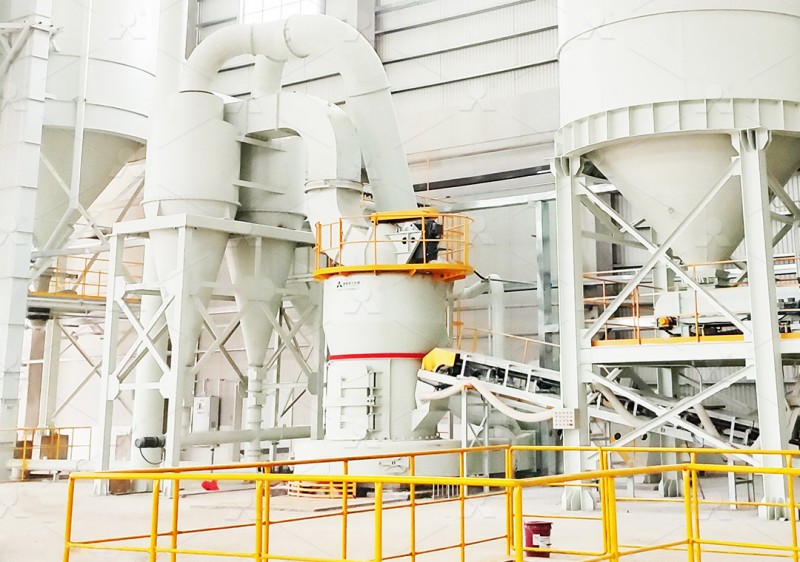
Key factors to consider before purchasing a carbon black grinding mill
First, evaluate your production scale. Are you running a small laboratory batch or a full industrial line? The capacity range matters a lot. For carbon black processing, you also need to consider the input size of your raw material. Most pre-crushed carbon black falls within 0-20 mm, which is ideal for many modern grinding mills. Next, look at the grinding mechanism. Traditional ball mills can work, but they often lead to high iron contamination and energy waste. Jet mills offer fineness but at a steep energy cost. The best option for ink-grade carbon black is often an ultrafine vertical or roller mill that uses a combination of compression and attrition with minimal metal-to-metal contact.
Another critical factor is the powder classification system. A high-precision separator ensures that only particles within your target range leave the mill. If the separator is poor, you will get either coarse particles that ruin ink smoothness or excessive fine dust that causes handling issues. Look for mills with multi-head cage-type separators or German-engineered classifying technology. Dust control is non-negotiable in carbon black grinding. The material is light, black, and stains everything. A mill equipped with a pulse dust collector and a closed-loop system will keep your workspace clean and compliant with environmental regulations.
Why the MW Ultrafine Grinding Mill stands out for carbon black ink applications
Let us talk about a specific solution that many ink producers have adopted successfully. The MW Ultrafine Grinding Mill from LIMING is designed exactly for this kind of demanding task. It accepts input sizes up to 20 mm and delivers a capacity ranging from 0.5 to 25 tons per hour. That covers everything from pilot plants to mid-scale commercial production. The mill uses a unique multi-turnplate design with rollers that rotate against grinding rings. This creates a cascading grinding action that breaks down carbon black agglomerates efficiently without excessive heat generation, which is crucial because heat can degrade the carbon black surface chemistry and affect ink performance.
One of the biggest headaches in carbon black grinding is bearing failure. The dust gets into everything and destroys conventional bearings quickly. The MW mill has no rolling bearings or screws inside the grinding chamber. The lubricating system is external, so you can grease the main shaft without stopping production. That means 24-hour continuous operation with fewer maintenance interruptions. The fineness adjustment range of 325 to 2500 mesh gives you full control over your final product. If you need d97 ≤ 5μm for high-gloss ink, this mill can achieve it in a single pass.

Recommended product: MW Ultrafine Grinding Mill – Ideal for carbon black grinding where ultra-fine fineness (325-2500 mesh) and high purity are required. Its 40% higher capacity than jet mills and energy consumption at only 30% of a jet mill make it a cost-effective workhorse for ink producers.
Another strong contender: LUM Ultrafine Vertical Grinding Mill
If your production line requires a larger throughput in a more compact footprint, consider the LUM Ultrafine Vertical Grinding Mill. It handles input sizes up to 10 mm and delivers 5 to 18 tons per hour. This mill uses Taiwan grinding roller technology combined with German powder separation. The key advantage for carbon black is the double position-limiting technology. It prevents the grinding roller from smashing directly into the millstone, which avoids metal contamination and vibration issues. The reversible structure allows you to swing the roller out of the body for maintenance, cutting downtime significantly. Energy savings run 30% to 50% compared to traditional mills. For ink manufacturers who value whiteness and cleanliness in their carbon black grades, the LUM mill minimizes iron pickup and ensures consistent product quality.
Also recommended: LUM Ultrafine Vertical Grinding Mill – Best suited for medium to large-scale ink production where space is limited and energy efficiency is a top priority. Its advanced classification system delivers precise particle size distribution essential for premium inks.
Practical purchasing tips: where to buy and what to ask
Now, you know what kind of machine you need. The next question is: where to buy a grinding machine for carbon black for ink production? Direct from the manufacturer is usually the best route. Companies like LIMING Heavy Industry offer not only the equipment but also complete systems including feeders, classifiers, dust collectors, and control panels. When you contact a supplier, ask for a test grinding report using your specific carbon black feedstock. A reputable manufacturer will run a sample through their mill and provide you with particle size analysis, throughput data, and energy consumption figures.
Also, inquire about spare parts availability. Carbon black is abrasive, and even the best mills need periodic replacement of grinding rollers, rings, and liners. A supplier with sufficient spare parts inventory and global shipping capability will save you months of downtime. Check for digitalized processing in manufacturing. Mills produced with numerical control machine tools have tighter tolerances and longer service life. Finally, ask about the warranty and technical support. You want a partner who can help with installation, commissioning, and troubleshooting, not just a box shipper.
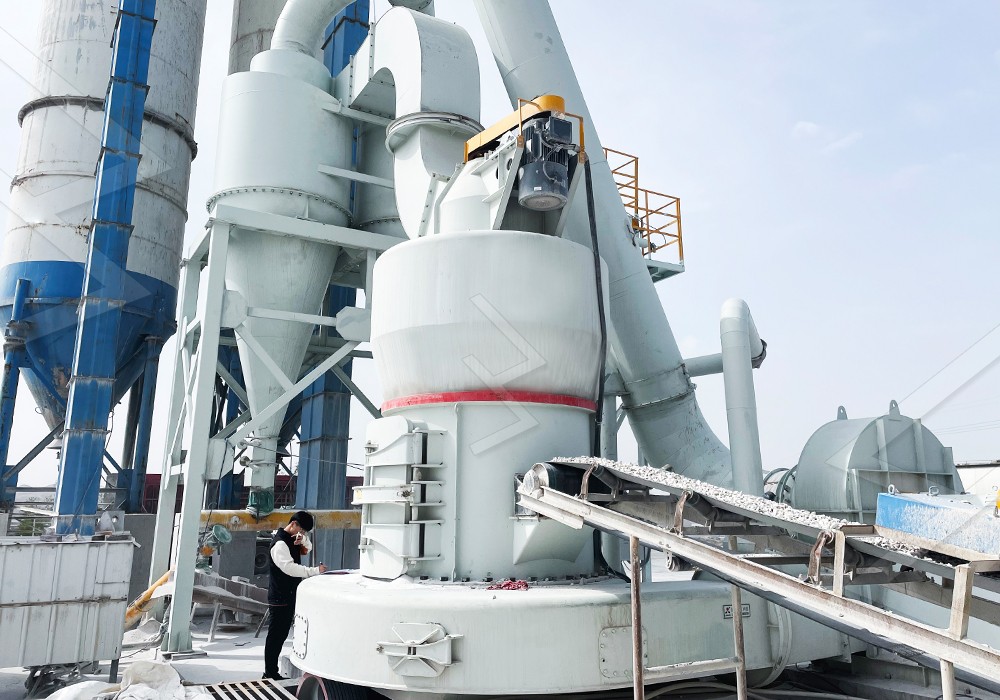
Comparing grinding technologies for carbon black in one glance
Ball mills are cheap upfront but expensive to run. Jet mills give you fineness but consume enormous power. Traditional Raymond mills are simple but limited in capacity and fineness. The MW and LUM series represent the sweet spot: reasonable initial investment, low operating costs, and the ability to hit the tight particle size specifications required for high-quality ink. The MW mill, in particular, excels in applications where you need to switch between different carbon black grades frequently because its fineness adjustment is straightforward and the cleaning between batches is manageable due to the open grinding chamber design without internal screws or bearings that trap material.
Another aspect often overlooked is noise pollution. A carbon black grinding facility can become a nightmare for workers if the mill is loud. Both the MW and LUM mills come with silencers and noise reduction features. The MW unit includes a muffler system that brings noise levels down significantly. The LUM mill operates under negative pressure, which inherently reduces airborne noise. These features might not be the first thing on your checklist, but they matter for long-term operational sustainability and worker safety compliance.
Final thoughts on selecting your carbon black grinding solution
Choosing the right grinding machine for carbon black in ink production is a strategic decision that impacts your product quality, production efficiency, and bottom line. Do not rush it. Start by clarifying your target fineness, required throughput, and acceptable contamination levels. Then, evaluate mills based on their grinding mechanism, classification accuracy, dust control, and maintenance requirements. The MW Ultrafine Grinding Mill and LUM Ultrafine Vertical Grinding Mill from LIMING are proven performers in this niche. They offer the flexibility, efficiency, and reliability that ink manufacturers need to stay competitive. Contact LIMING directly for a customized proposal based on your specific carbon black feedstock and production goals. They have decades of experience and a global support network that can help you get the right machine installed and running quickly.

Frequently Asked Questions (FAQ)
- Q: What is the ideal fineness for carbon black used in ink? A: For most ink applications, carbon black should be ground to 325 mesh up to 2500 mesh. High-gloss inks require d97 ≤ 5μm. The MW Ultrafine Grinding Mill can achieve this easily.
- Q: Can I use a ball mill to grind carbon black for ink? A: You can, but ball mills have high energy consumption and often introduce iron contamination. They also produce a wider particle size distribution. Ultrafine vertical or roller mills are more suitable.
- Q: How do I prevent carbon black dust from polluting my workshop? A: Choose a mill equipped with a pulse dust collector and a closed-loop negative pressure system. Both the MW and LUM mills have these features built-in.
- Q: What is the typical maintenance frequency for a carbon black grinding mill? A: With the MW mill, since there are no bearings or screws in the grinding chamber, maintenance intervals are longer. Rollers and rings typically last 6 to 12 months depending on feed abrasiveness. The external lubrication system allows greasing without stopping the machine.
- Q: Is it possible to grind carbon black and other materials like limestone or barite in the same mill? A: Yes, the MW and LUM mills can process a wide range of materials. However, thorough cleaning between different products is recommended to avoid cross-contamination. The MW mill’s design makes this easier due to fewer internal obstructions.
- Q: What capacity range is available for small-scale ink producers? A: The MW Ultrafine Grinding Mill starts at 0.5 tph, which is suitable for pilot plants and small production runs. The LUM mill starts at 5 tph for larger operations.
- Q: Does LIMING provide spare parts and technical support internationally? A: Yes, LIMING has a global network of service centers and maintains a sufficient supply of original spare parts for all their mills. They offer technical services and warranty support worldwide.
- Q: How does the energy consumption of the MW mill compare to a jet mill? A: The MW mill consumes only about 30% of the energy of a jet mill while delivering the same or better fineness. This makes it significantly more cost-effective for carbon black grinding.