
Using industrial pulverizer for clay for bricks in tunisia
Introduction: Why Tunisian Brick Makers Need Advanced Clay Pulverizers
Tunisia’s brick and ceramic sector has been expanding steadily, driven by housing demand and infrastructure projects. However, many local producers still rely on outdated crushing and grinding methods that yield inconsistent clay fineness, high energy bills, and frequent downtime. To stay competitive, Tunisian manufacturers must adopt modern industrial pulverizers designed specifically for clay processing. This article explores how high-efficiency grinding mills can transform clay preparation, improve brick quality, and reduce operational costs.
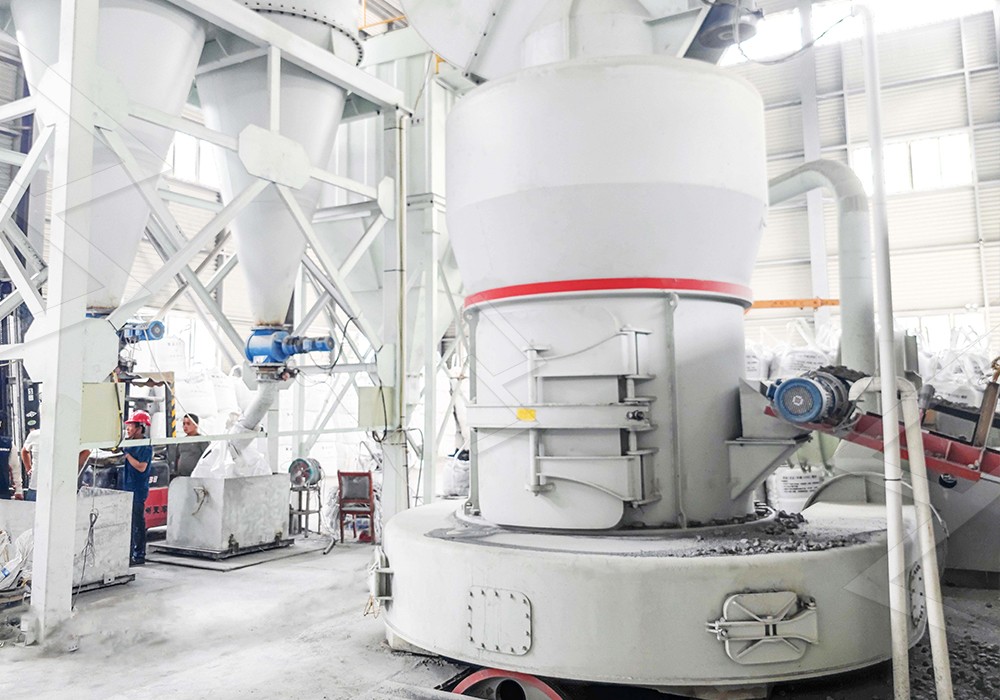
Understanding Clay Characteristics and Grinding Challenges
Clay used for brick making in Tunisia varies widely—from red Mediterranean clays to grayish alluvial deposits. These materials often contain moisture levels up to 15%% and impurities like quartz, limestone nodules, and iron oxides. A pulverizer must handle feed sizes up to 20 mm while producing a fine, uniform powder (typically 80%% passing 200 mesh) to ensure proper plasticity, drying behavior, and fired strength. Traditional ball mills or hammer mills struggle with clay’s stickiness and abrasion, leading to frequent blockages and high wear rates.
Our MW Ultrafine Grinding Mill is engineered to overcome these issues. With an input size range of 0–20 mm and capacity from 0.5 to 25 tph, it is ideal for small to medium Tunisian brick plants. The machine’s grinding chamber contains no rolling bearings or screws, which eliminates two common failure points in clay milling: bearing contamination from fine clay dust and screw loosening under vibration. The external lubrication system allows continuous 24-hour operation without shutdown for greasing—critical for meeting production targets during peak seasons.
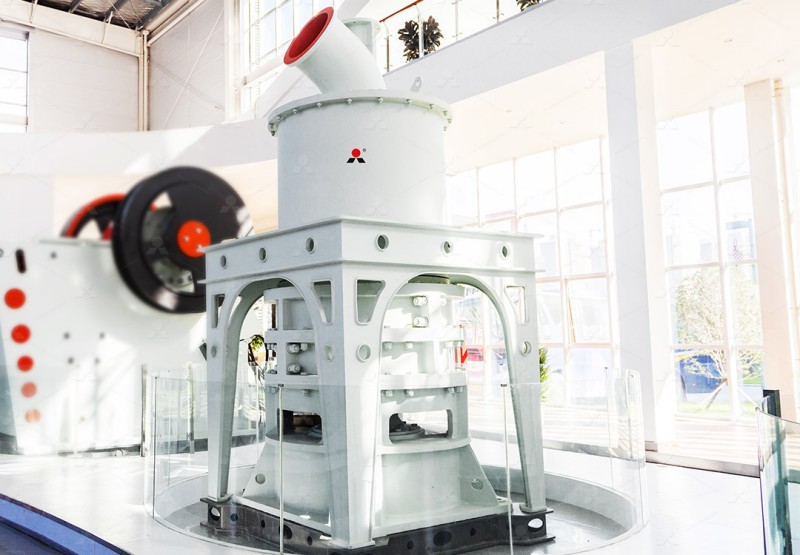
Key Technical Features for Clay Grinding
Clay behaves differently from limestone or barite. Its plasticity and moisture content demand a grinding mill that can maintain stable feeding and prevent material sticking. The MW Ultrafine Grinding Mill incorporates newly designed grinding curves on the roller and ring, which enhance material flow and reduce the risk of packing. Compared to jet mills or stirred mills, this design boosts production capacity by 40%% under the same power consumption—a tangible benefit for Tunisian factories facing rising electricity tariffs.
Fineness adjustment is another critical factor. Brick manufacturers often need to switch between coarse grind (for extruded bricks) and finer powder (for pressed or facing bricks). The mill’s cage-type powder selector, based on German technology, allows seamless adjustment between 325 and 2500 mesh. For clay brick applications, setting the selector to produce a d97 of 75–100 microns (roughly 200 mesh) yields excellent results. The multi-head selector option further lets operators balance yield and fineness without sacrificing throughput.
Environmental Compliance and Dust Control
Tunisia has tightened environmental regulations in industrial zones, particularly around Sfax, Gabès, and Tunis. Brick plants that previously operated with open-air crushing now face fines for dust emissions. The MW Ultrafine Grinding Mill comes standard with an efficient pulse dust collector that captures 99.9%% of airborne particles. Additionally, the muffler system reduces noise levels to comply with local limits. One Tunisian client reported that after installing this mill, their neighborhood noise complaints dropped by over 70%%.
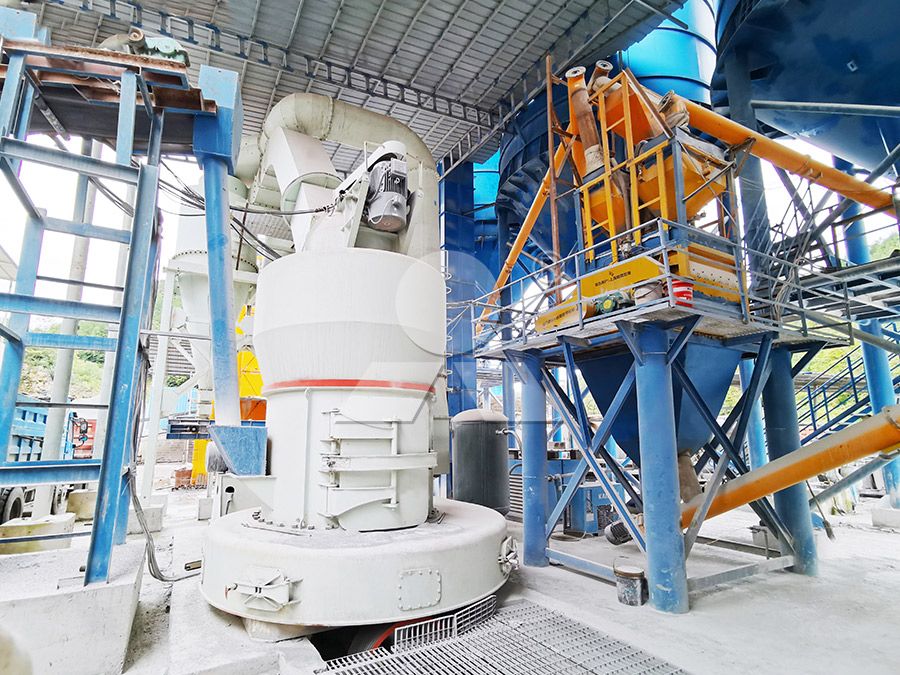
Productivity and Maintenance in the Tunisian Context
Labor costs in Tunisia remain competitive, but skilled maintenance technicians are scarce, especially in rural brick plants. The mill’s digitalized manufacturing process—CNC cutting, bending, and milling—ensures that replacement parts fit precisely and last longer. Spare parts availability is supported by our regional warehouse in North Africa, reducing lead times to under two weeks. The absence of vulnerable rolling bearings inside the grinding chamber directly translates into fewer unplanned stoppages. One brick factory near Nabeul reported a 30%% increase in monthly output after switching from a conventional Raymond mill to the MW Ultrafine Grinding Mill, primarily because they eliminated weekly bearing replacements.
For larger operations needing higher throughput, we recommend the LUM Ultrafine Vertical Grinding Mill. With an input size of 0–10 mm and capacity reaching 18 tph, the LUM series is suitable for centralized clay grinding stations serving multiple brick lines. Its double position-limiting technology prevents the grinding roller from smashing the millstone during vibration events—a common occurrence when processing clay with embedded stones. The reversible structure allows quick roller inspection and shell replacement, typically within two hours, keeping downtime minimal.
Working Principle in Simple Terms
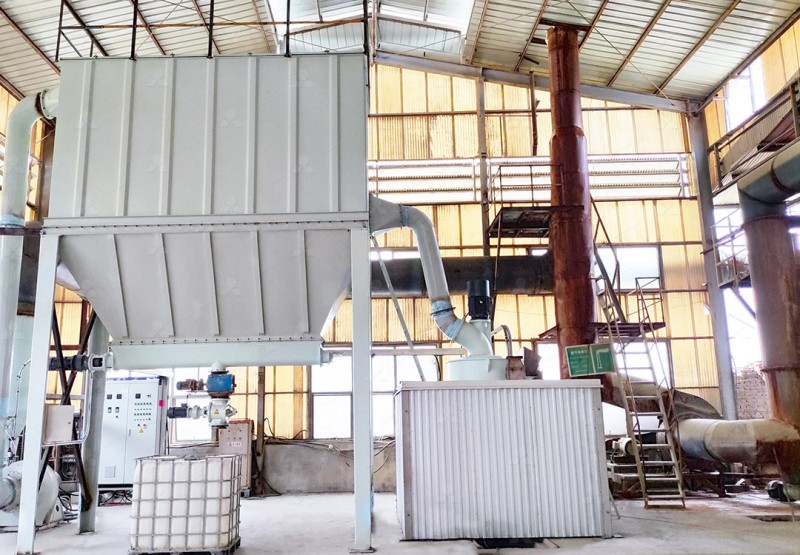
The mill’s operation is straightforward: small clay chunks (0–20 mm) are fed into a hopper, then transported by a vibrating feeder to the center of the upper turnplate. Centrifugal force pushes the material outward into the raceway of the ring, where rollers crush it against the ring surface. After passing through three stages of grinding, the air stream carries the fine powder to the powder selector. Coarse particles drop back for regrinding, while acceptable fines enter the cyclone collector and finally the discharge valve. The air, now containing minimal dust, goes through the pulse filter and muffler before being released.
Conclusion: Investing in the Right Pulverizer
Tunisian brick manufacturers who upgrade to modern industrial pulverizers gain a triple advantage: higher output per kilowatt-hour, consistent product quality that meets export standards, and compliance with tightening environmental laws. The MW Ultrafine Grinding Mill, with its proven track record in similar markets, offers the best balance of cost, capacity, and reliability for typical Tunisian clay operations. For those planning further expansion, the LUM Ultrafine Vertical Grinding Mill provides a scalable solution. Either way, moving away from obsolete grinding equipment is a strategic step toward long-term profitability in Tunisia’s competitive brick industry.
Frequently Asked Questions (FAQ)
1. Can the MW Ultrafine Grinding Mill handle wet clay with 15%% moisture?
Yes. The mill’s design allows feeding material with up to 15%% surface moisture without clogging. For higher moisture levels, a pre-drying step using a rotary dryer is recommended.
2. What is the typical power consumption for grinding 1 ton of clay to 200 mesh?
Depending on clay hardness, the MW mill consumes approximately 18–25 kWh per ton of product, which is 30%% lower than a comparable ball mill setup.
3. How often do grinding rollers and rings need replacement?
With proper operation and feeding consistency, the wear parts typically last 800 to 1200 hours for clay. We stock original parts at our regional depot to minimize delivery time.
4. Is training provided for local operators in Tunisia?
Yes. We offer on-site commissioning and a two-day training program covering mill operation, maintenance checks, and troubleshooting. Remote support via video call is also available.
5. Can the mill produce different fineness for different brick types?
Absolutely. The powder selector can be adjusted while running, allowing you to switch between 100 mesh for extruded bricks and 325 mesh for pressed face bricks within minutes.
6. What safety features are included?
The mill includes automatic overload protection, door interlocks that disable operation when open, and a pressure relief valve to prevent overpressure in the grinding chamber.
7. How does the LUM series differ from the MW series for clay?
The LUM series has a vertical design with higher throughput (up to 18 tph) and is better suited for centralized grinding stations. It uses hydraulic roller pressure adjustment and reversible roller arms for easier maintenance.
8. Can I see a reference installation in North Africa?
We have several installations in Morocco and Algeria processing similar clay. We can arrange a virtual tour or connect you with our regional sales manager for details.