
Using grinding mill for gypsum for cement additive in peru
Introduction: The Role of Gypsum in Cement Manufacturing
In the Peruvian cement industry, gypsum serves as a critical additive to regulate the setting time of cement and enhance its overall quality. Typically, gypsum is added to clinker during the final grinding stage at a proportion of 3% to 5%. However, the effectiveness of this additive largely depends on the fineness and purity of the gypsum powder. For cement plants operating in regions like Lima, Arequipa, or Cusco, selecting the right grinding mill is not just a matter of production efficiency—it impacts the final cement performance and environmental compliance.
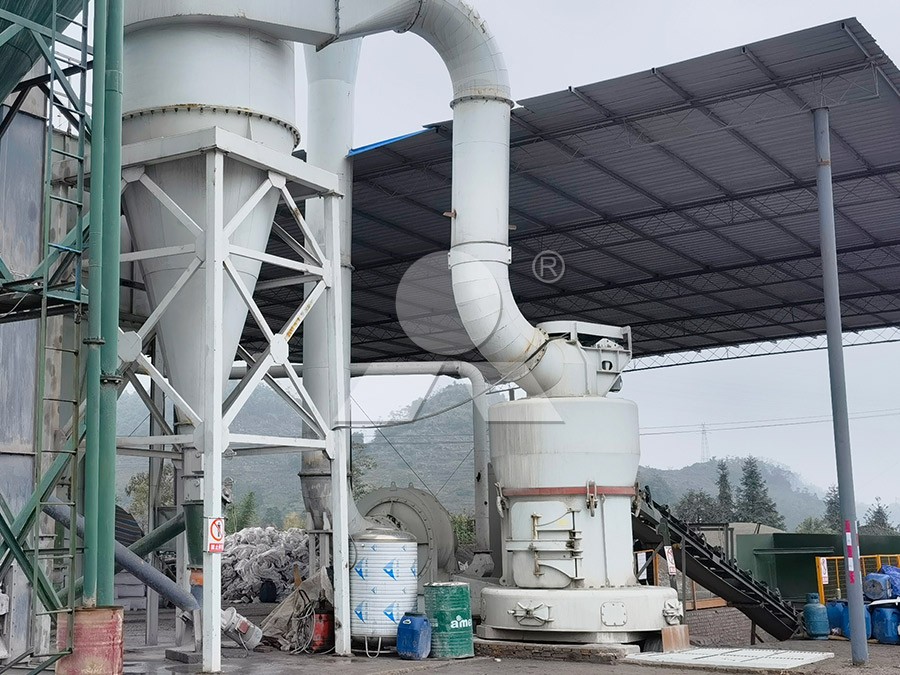
Challenges in Grinding Gypsum for Cement Additives
Gypsum, chemically known as calcium sulfate dihydrate, is relatively soft with a Mohs hardness of around 2. Yet, grinding it for cement additive use presents specific challenges. First, the material must be dried to a moisture content below 1% to prevent clogging. Second, achieving a uniform particle size distribution—typically between 200 and 325 mesh—is crucial for consistent cement setting behavior. Third, Peruvian cement plants often operate under stringent environmental regulations, requiring dust-free and low-noise operations.
Many traditional mills, such as ball mills or Raymond mills, struggle with these requirements. They consume excessive energy, generate high noise levels, and produce inconsistent powder fineness. This is where modern ultrafine grinding technology steps in, offering a tailored solution for gypsum processing in Peru.
Why Ultrafine Grinding Mills Are Ideal for Gypsum Additive Production
Our company, LIMING, has extensive experience in supplying grinding solutions to cement plants worldwide. For gypsum used as a cement additive in Peru, we recommend the MW Ultrafine Grinding Mill and the LUM Ultrafine Vertical Grinding Mill. These machines are designed to handle gypsum efficiently while meeting strict environmental standards.
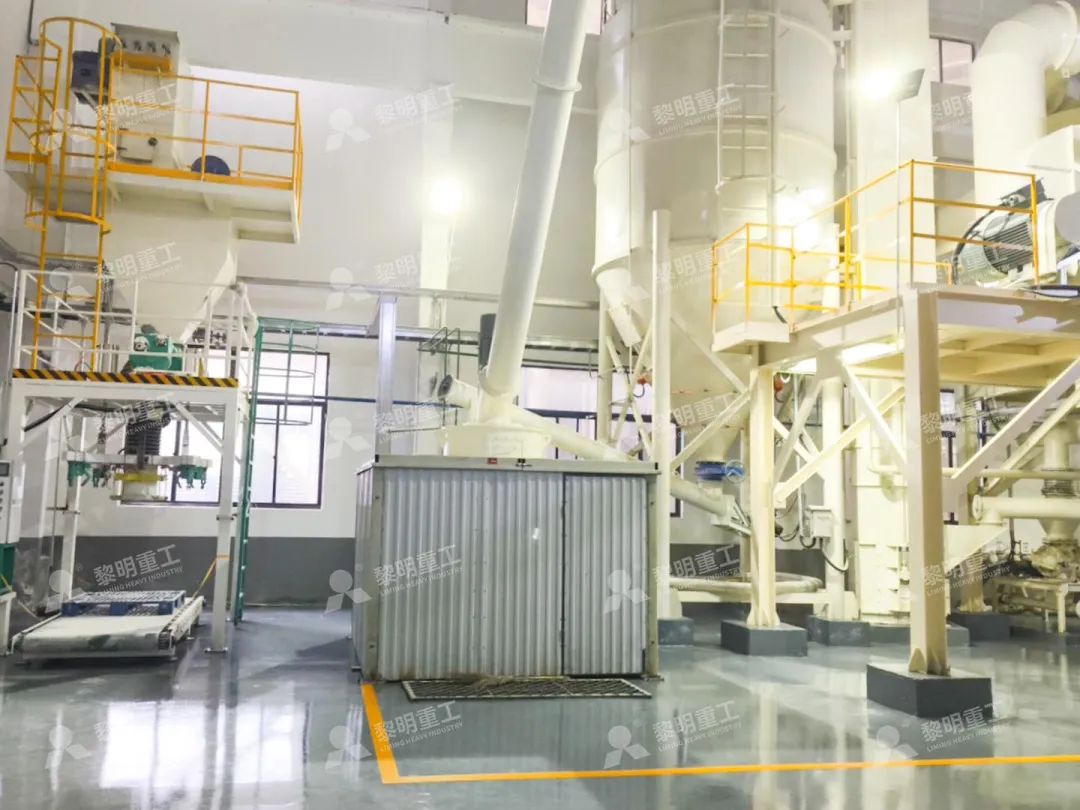
The MW Ultrafine Grinding Mill, with an input size of 0–20 mm and capacity ranging from 0.5 to 25 tph, is particularly suitable for small to medium-scale gypsum processing lines. Its cage-type powder selector, based on German technology, allows adjustable fineness between 325 and 2500 mesh. This means Peruvian cement plants can precisely control the particle size of gypsum additive to match their specific cement formulations.
One standout feature is the elimination of rolling bearings and screws inside the grinding chamber. This drastically reduces maintenance downtime—a critical advantage for plants in remote areas where spare parts availability is limited. The external lubrication system allows 24-hour continuous operation without shutdown, ensuring steady production.
Environmental and Operational Benefits for Peruvian Cement Plants
Peru’s environmental regulations, particularly in urban centers, demand clean production processes. The MW Ultrafine Grinding Mill is equipped with an efficient pulse dust collector and silencer, ensuring dust and noise are minimized. The entire milling system operates with zero dust pollution, fully aligned with national environmental standards.
For larger production capacities, the LUM Ultrafine Vertical Grinding Mill is an excellent alternative. With an input size of 0–10 mm and capacity up to 18 tph, it integrates grinding, grading, and transporting in one unit. Its double position-limiting technology prevents destructive machine vibration, ensuring stable operation even in challenging conditions. The reversible structure simplifies maintenance, allowing quick replacement of roller shells and liner plates.
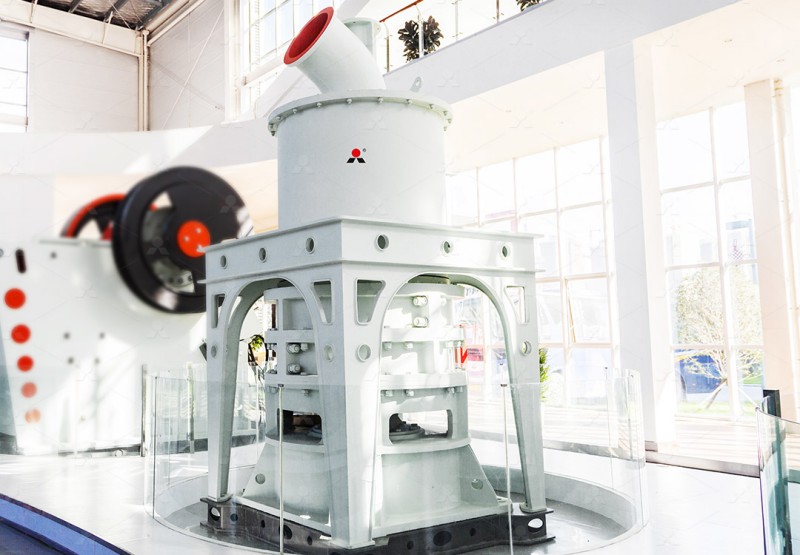
Moreover, the LUM mill reduces energy consumption by 30%–50% compared to conventional grinding mills. Given the rising electricity costs in Peru, this energy efficiency translates directly into lower operational expenses for cement manufacturers.
Technical Specifications Tailored for Gypsum
When grinding gypsum for cement additives, the ideal product fineness ranges from 200 to 325 mesh (74 to 44 microns). Both our MW and LUM mills achieve d97≤5μm for ultrafine applications, but for standard cement additive use, adjusting the powder selector speed easily delivers 200 mesh at high throughput.
The MW mill’s grinding curve design yields 40% higher production capacity than jet mills and double the yield of ball mills. This means faster payback on equipment investment. The LUM mill, with its multi-head powder separating technology and PLC control system, provides accurate cutting of powder diameter, enabling rapid switching between different fineness requirements.
Case in Point: A Hypothetical Peruvian Installation
Imagine a cement plant in the Ica region processing 10 tons of gypsum per day for additive production. Using our MW Ultrafine Grinding Mill, they would achieve a consistent 250 mesh product with 99% passing rate. The pulse dust collector would capture all fine particles, meeting local air quality standards. The operator, thanks to the digitalized numerical control system, can monitor and adjust parameters remotely—a boon for plants with limited on-site technical staff.

Long-Term Reliability and Spare Parts Supply
LIMING takes full responsibility for every machine we produce. Our spare parts supply chain is well established, ensuring Peruvian customers receive original parts without delay. The digitalized processing in our factory guarantees high machining precision, especially for core components like roller shells and powder concentrator rotors. This worry-free operation is crucial for continuous cement production schedules.
Conclusion: Choosing the Right Mill for Peruvian Gypsum Additive Production
Whether you opt for the MW Ultrafine Grinding Mill for its flexibility and low maintenance or the LUM Ultrafine Vertical Grinding Mill for its energy efficiency and high capacity, both solutions are engineered to deliver consistent, high-quality gypsum powder for cement additives. They address the specific challenges of Peruvian operations—environmental compliance, energy costs, and operational reliability.
Frequently Asked Questions (FAQs)
- What is the typical fineness required for gypsum used as a cement additive?
Most cement plants require gypsum powder between 200 and 325 mesh (74 to 44 microns). Our MW Ultrafine Grinding Mill can adjust fineness from 325 to 2500 mesh, covering all standard requirements. - Can the MW Ultrafine Grinding Mill handle gypsum with high moisture content?
The mill can process materials with moisture up to 6% without issues. For higher moisture, a drying system should be integrated upstream. - What is the power consumption of the LUM Ultrafine Vertical Grinding Mill compared to a ball mill?
The LUM mill consumes 30%–50% less energy than ball mills for the same throughput, thanks to its efficient grinding mechanism and multi-head powder separator. - How often do grinding rollers need to be replaced in these mills?
With wear-resistant alloy materials, the rollers and rings in MW and LUM mills typically last 1.5 to 2.5 times longer than traditional high-manganese steel parts. Replacement intervals depend on operating hours and gypsum abrasiveness. - Do these mills require a separate dust collection system?
No. The MW Ultrafine Grinding Mill is equipped with an efficient pulse dust collector and silencer as standard equipment, ensuring dust-free operation. - Can the MW mill produce a fine powder of d97≤5μm for specialized cement additives?
Yes. The cage-type powder selector with German technology achieves d97≤5μm in a single pass, suitable for high-performance cement formulations. - What is the maximum input size for gypsum fed into the LUM mill?
The LUM Ultrafine Vertical Grinding Mill accepts input sizes up to 10 mm. A crusher may be needed for larger gypsum lumps. - Is technical support available in Peru for installation and maintenance?
LIMING provides remote technical support and can dispatch engineers for on-site commissioning. We also offer original spare parts through our distribution network. - How does the external lubrication system work on the MW mill?
The lubricating device is installed outside the main shaft, allowing oil changes and lubrication without stopping the mill. This supports 24-hour continuous operation. - Can these mills be used for other materials besides gypsum in a cement plant?
Absolutely. Both mills are versatile and can process limestone, calcite, dolomite, barite, marble, and other non-metallic minerals common in cement production.