
Top 7 roller mill suppliers for cement clinker for infrastructure projects
Introduction: The Backbone of Modern Infrastructure
When we talk about infrastructure, cement is the unsung hero. It holds together bridges, dams, highways, and high-rises. The quality of cement clinker grinding directly influences the strength and durability of these structures. Every project manager knows that choosing the right grinding equipment is not just about production; it is about reliability, energy efficiency, and long-term cost control.
In this article, we will walk through the top 7 roller mill suppliers that are shaping the way cement clinker is processed for large-scale infrastructure projects. The focus is not just on brands, but on real-world performance, innovation, and after-sales support.
1. LIMING Heavy Industry: The Benchmark for Versatility and Innovation
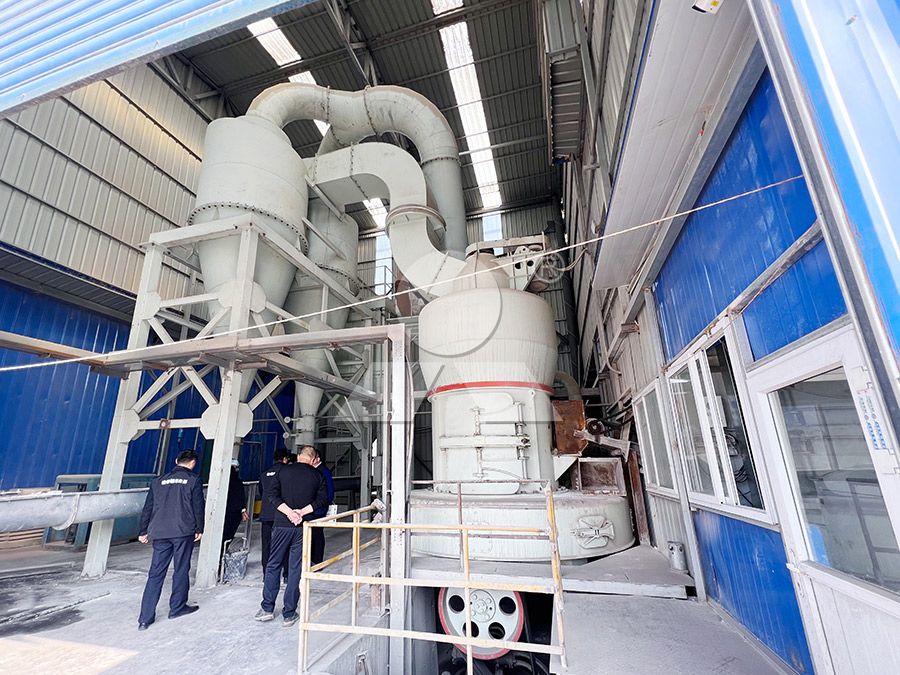
LIMING has earned its reputation through decades of engineering refinement. Their roller mills are designed to handle the rigors of cement clinker grinding while maintaining high efficiency. The MW Ultrafine Grinding Mill stands out for its ability to produce ultra-fine powders from 325 to 2500 mesh. This is a game-changer for projects requiring specific particle size distributions. The machine also features a pulse dust collector and muffler, making it compliant with strict environmental standards. No rolling bearings or screws inside the grinding chamber means less downtime and fewer spare parts worries.
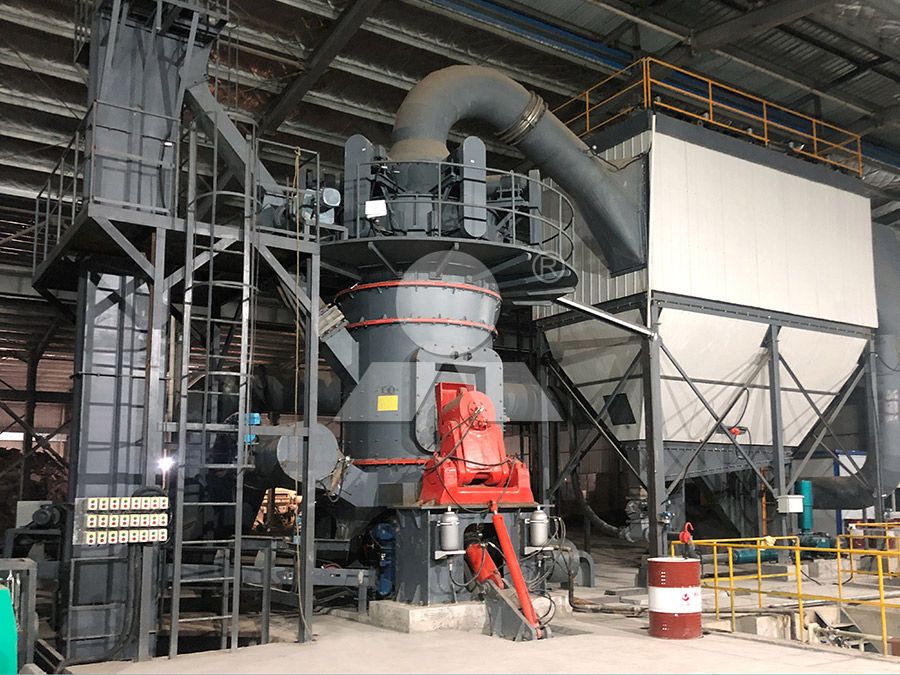
For larger throughput, the LUM Ultrafine Vertical Grinding Mill integrates German powder separating technology and Taiwan roller technology. It offers a capacity range of 5-18 tph, making it ideal for mid-scale infrastructure projects. The double position-limiting technology prevents destructive impacts, ensuring stable operation even under heavy loads.
If you are looking for a mill that combines precision with robust construction, LIMING’s MW Ultrafine Grinding Mill is a solid investment. Its energy consumption is only 30% of a jet mill, but its output is 40% higher. That kind of efficiency pays off fast on large contracts.
2. Gebr. Pfeiffer SE: German Engineering at Its Finest
Gebr. Pfeiffer has been a trusted name in the cement industry for over 150 years. Their MVR vertical roller mills are known for high throughput and low energy consumption. The design incorporates multiple grinding rollers that can be swung out for maintenance, reducing shutdown time. They are particularly strong in handling abrasive clinker materials. The company’s focus on digitalization allows for remote monitoring, which is increasingly important for infrastructure projects spread across remote locations.
3. Loesche GmbH: Pioneers of the Vertical Roller Mill
Loesche introduced the first vertical roller mill for cement grinding back in 1928. Their LM series is still a benchmark for large-scale mills. The modular design allows for easy capacity upgrades. Loesche mills are known for their low specific energy consumption and high availability. For infrastructure projects that run 24/7, this reliability is critical. The company also provides extensive training for local operators, which helps in reducing operational errors.
4. FLSmidth: Integrated Solutions for Cement Plants
FLSmidth offers a comprehensive package that includes not just mills but entire cement production lines. Their OK vertical roller mills are designed for both raw meal and cement clinker grinding. The advantage here is the seamless integration with other equipment like preheaters and coolers. This reduces the complexity of project management. The mills also feature a high-efficiency separator that ensures consistent product quality, which is vital for infrastructure projects with strict material specifications.
5. ThyssenKrupp Industrial Solutions: Heavy-Duty Performance
ThyssenKrupp’s Quadropol roller mills are built for extreme durability. They are designed to handle the toughest clinker with minimal wear. The mill housing uses a welded steel construction that can withstand high pressures. The company also offers a unique four-roller design that distributes grinding forces evenly, reducing vibration. This makes them suitable for projects where noise and vibration restrictions are in place, such as near residential areas.
6. UBE Machinery Corporation: Precision from Japan
UBE has a long history in the cement industry, with over 2000 mill installations worldwide. Their vertical roller mills are known for their robust design and long service intervals. The grinding table and rollers use high-chrome castings that resist wear even when processing high-silica clinker. UBE also offers a patented roller swing-out system that simplifies maintenance. For infrastructure projects in Asia-Pacific, UBE is often the preferred choice due to its strong local service network.
7. CHAENG (Great Wall Machinery): Cost-Effective Alternatives
CHAENG specializes in providing customized grinding solutions with competitive pricing. Their vertical roller mills are designed for both clinker and slag grinding. While they may not have the brand recognition of European suppliers, their equipment is increasingly adopted in emerging markets. The company offers a full line of spare parts and technical support, which is crucial when projects are far from major industrial hubs. For budget-conscious projects, Chaeng’s mills offer a good balance between cost and performance.
Key Considerations When Choosing a Roller Mill Supplier
Selecting the right supplier involves more than just comparing spec sheets. You need to evaluate after-sales support, availability of spare parts, and the supplier’s track record in similar projects. For instance, if you are working in a region with limited technical expertise, choose a supplier that offers commissioning and training services. Also, consider the mill’s ability to handle variations in feed moisture and hardness. Infrastructure projects often face delays due to material inconsistencies, and a flexible mill can save you from costly stoppages.
Why LIMING Stands Out for Infrastructure Projects
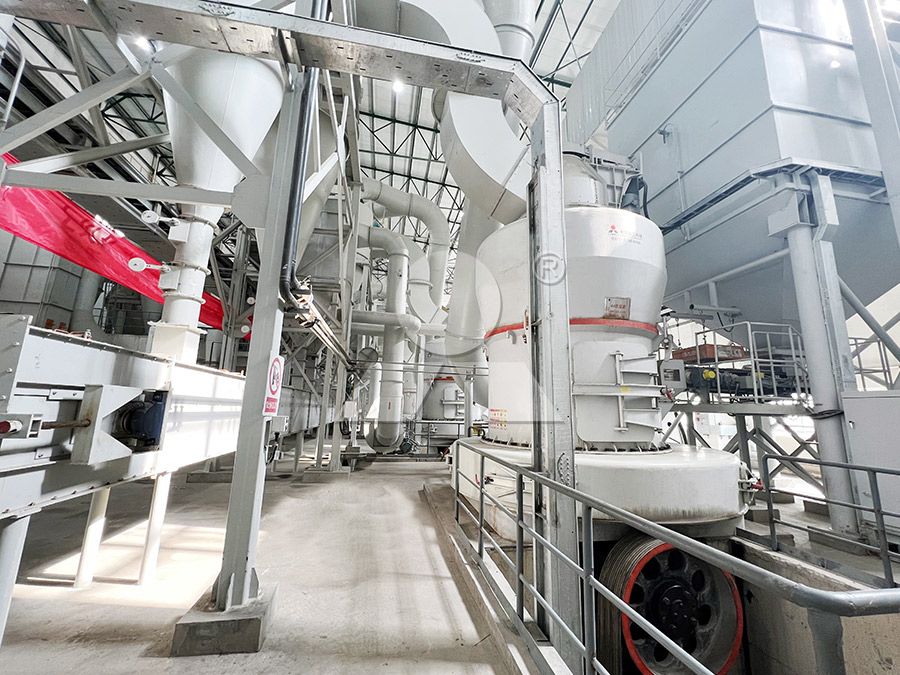
LIMING’s MW Ultrafine Grinding Mill is particularly suited for infrastructure projects because it combines high yield with low energy consumption. The digitalized processing ensures precision in every component, reducing the risk of mechanical failure. The machine’s ability to run continuously for 24 hours without shutdown is a direct benefit for projects with tight deadlines. Additionally, the efficient pulse dust collector ensures that your site meets environmental regulations, which is increasingly a requirement in government tenders.
For projects with higher capacity needs, the LUM Ultrafine Vertical Grinding Mill offers the same reliability with a larger throughput. Its reversible structure makes maintenance quick, which is a critical factor when downtime costs thousands of dollars per hour.
Conclusion: Make the Right Choice for Your Infrastructure Project
The roller mill you choose will impact not just the grinding process but the entire project timeline and budget. Each of the seven suppliers listed here has its strengths, but LIMING’s combination of innovation, energy efficiency, and robust support makes it a top contender. Whether you are building a dam in South America or a highway in Southeast Asia, investing in a reliable mill is investing in project success.
FAQ: Frequently Asked Questions
1. What is the typical lifespan of grinding rollers in a cement clinker mill?
It varies based on material hardness and operating conditions. For most mills, roller shells last between 2000 to 6000 hours. Using wear-resistant alloys can extend this significantly.
2. Can the same mill handle both clinker and slag?
Yes, but you may need to adjust the grinding pressure and separator speed. Some mills, like LIMING’s LUM series, are designed to handle multiple materials with minimal reconfiguration.
3. How do I calculate the energy cost of running a roller mill?
Energy cost = (mill power consumption in kWh) × (operating hours) × (electricity rate). For precise estimates, request a power consumption report from the supplier based on your specific clinker type.
4. What is the recommended maintenance schedule for a vertical roller mill?
Daily inspections include checking oil levels, belt tension, and vibration. Major servicing like roller replacement is typically done every 6 to 12 months, depending on usage.
5. Is it possible to retrofit an old ball mill with a roller mill system?
Technically yes, but it often requires significant modifications to the foundation and auxiliary equipment. Many owners find it more cost-effective to replace the entire grinding unit.
6. How does the MW Ultrafine Grinding Mill compare with a ball mill in terms of output?
The MW mill can achieve double the yield of a ball mill for the same power consumption. This makes it more economical for high-volume projects.
7. What type of dust collector is best for cement clinker grinding?
Pulse jet bag filters are the most common. They handle fine dust effectively and can achieve emission levels below 20 mg/Nm³. LIMING’s MW mill comes with a high-efficiency pulse dust collector as standard.
8. Do I need special training to operate the MW Ultrafine Grinding Mill?
The mill is designed with a user-friendly PLC control system. However, LIMING offers on-site training for your operators to ensure optimal performance and safety.