
Top 7 industrial pulverizer suppliers for gypsum for food additive
Introduction
Selecting the right pulverizer for gypsum intended for food additive production is not a decision to take lightly. The gypsum used in food applications must meet stringent purity and particle size specifications, often requiring grinding to a fineness of 325 to 2500 meshes. This demands equipment that can deliver consistent, ultra-fine powder while maintaining strict control over contamination and operational efficiency. Over the years, I have worked with numerous milling systems, and the market has narrowed down to a handful of suppliers who genuinely understand the nuances of this application. Below, I break down the top seven industrial pulverizer suppliers that have proven their mettle in grinding gypsum for food additives, highlighting what makes each a viable option for serious processors.
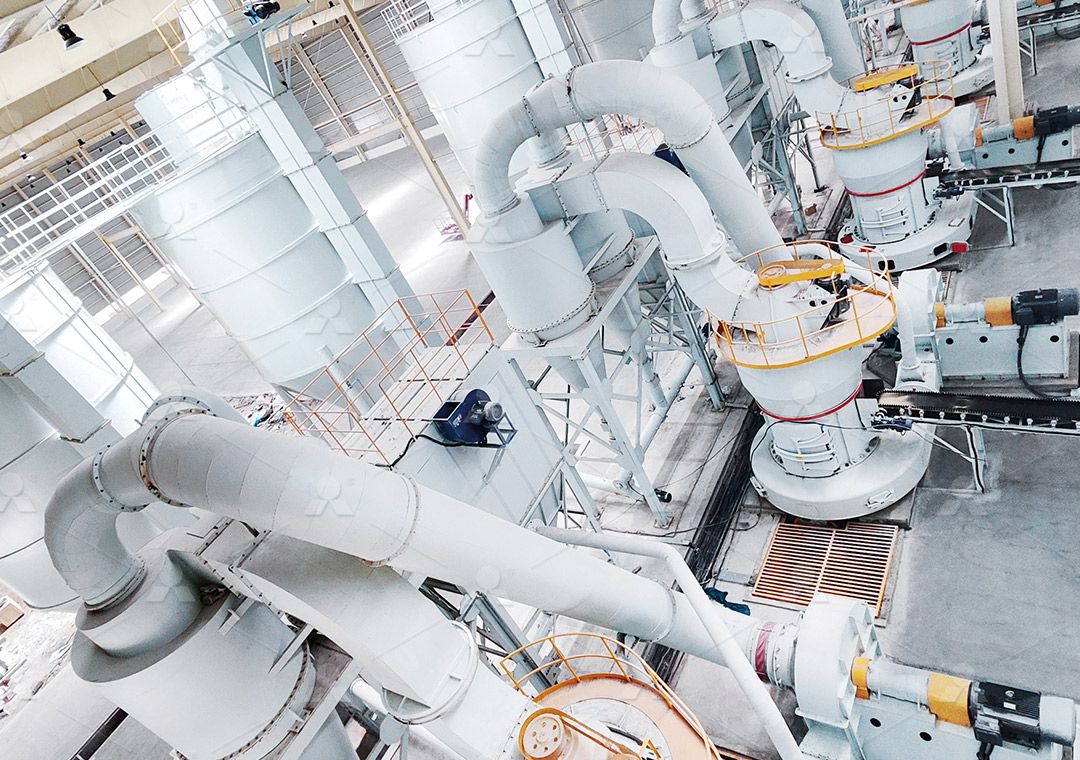
1. Liming Heavy Industry
Liming Heavy Industry stands out for its comprehensive range of grinding mills that cater specifically to the ultra-fine requirements of food-grade gypsum. Their engineering approach focuses on energy efficiency and precise particle control. The MW Ultrafine Grinding Mill is a prime example of this philosophy. It accepts input sizes up to 20 mm and delivers a capacity of 0.5 to 25 tph. The machine’s cage-type powder selector, which incorporates German technology, allows for adjustable fineness between 325 and 2500 meshes, achieving a screening rate of d97 ≤ 5 μm in a single pass. This is critical for food additive applications where uniformity is non-negotiable.
What sets Liming apart is the absence of rolling bearings and screws in the grinding chamber. This design eliminates common failure points like bearing damage or loose screws, reducing downtime significantly. The external lubricating device permits 24-hour continuous operation without shutdown for maintenance. Additionally, the efficient pulse dust collector and muffler ensure that the entire milling process meets environmental standards, preventing dust contamination that could compromise food-grade purity. For processors who prioritize reliability and ultra-fine output, Liming’s solutions are hard to beat.
For operations requiring a larger capacity, the LUM Ultrafine Vertical Grinding Mill is a strong alternative. It handles input sizes up to 10 mm and offers a capacity of 5 to 18 tph. Its design integrates ultra-fine grinding, grading, and transport into a single system. The PLC-controlled multi-head powder separating technology reduces energy consumption by 30% to 50% compared to common mills, while the double position-limiting technology ensures stable operation even under variable feed conditions. If you need consistent, high-quality gypsum powder for food additives, I strongly recommend evaluating the MW Ultrafine Grinding Mill or the LUM Ultrafine Vertical Grinding Mill from Liming.
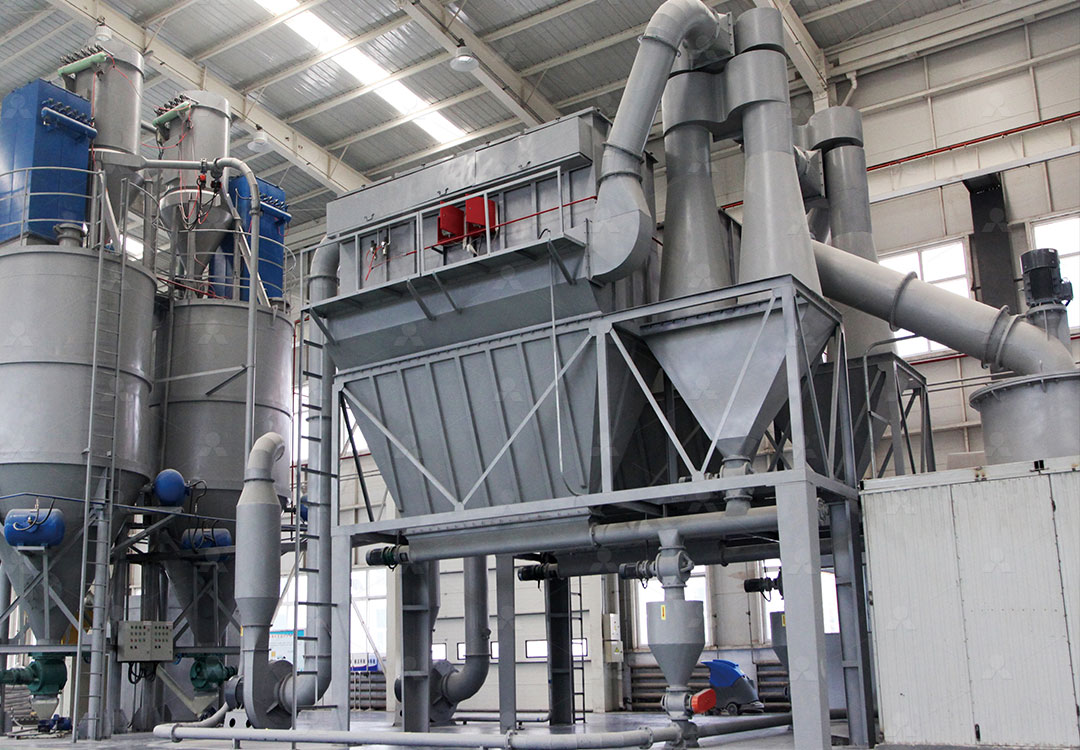
2. Gebr. Pfeiffer SE
Gebr. Pfeiffer is a German manufacturer with decades of experience in vertical roller mills. Their MPS and MVR mills are well-regarded in the gypsum industry for their ability to handle abrasive materials while maintaining product consistency. The MVR mill, in particular, features a modular design that allows for easy maintenance and high availability. For food-grade gypsum, Pfeiffer’s mills can achieve fineness levels suitable for additive applications, though they often require additional classification equipment. Their strength lies in robust construction and long service life, making them a favorite for large-scale operations.
3. Loesche GmbH
Loesche is another German powerhouse that offers vertical roller mills specifically designed for gypsum processing. Their LM series mills are known for low energy consumption and high drying capacity, which is beneficial when feed material has residual moisture. Loesche mills utilize a dynamic classifier that provides precise particle size control, essential for meeting food additive standards. The company also offers comprehensive automation solutions, enabling remote monitoring and adjustment of grinding parameters. For processors who value engineering precision and durability, Loesche is a solid contender.
4. Williams Patent Crusher & Pulverizer Co.
Williams has a long history in the crushing and grinding industry, and their roller mills are frequently used for gypsum processing. The Williams Roller Mill is designed for fine grinding of soft to medium-hard materials, including gypsum. It features a centrifugal grinding action that produces a consistent particle size distribution. For food additive applications, Williams offers options for stainless steel contact surfaces and closed-loop systems to minimize contamination. Their equipment tends to be more rugged and easier to service in-house, appealing to operators who prefer mechanical simplicity.
5. Hosokawa Alpine AG
Hosokawa Alpine is a global leader in powder processing technology, and their UPZ and ZPS mills are commonly used for fine grinding gypsum. The ZPS classifier mill, for instance, combines impact grinding with an integrated classifier, allowing for steep particle size distributions. This is particularly valuable for food additives where oversized particles cannot be tolerated. Hosokawa’s expertise in fine milling is backed by extensive laboratory testing capabilities, helping customers optimize their process before full-scale implementation. Their equipment, however, tends to be more expensive and requires skilled operators.
6. Bradley Pulverizer Company
Bradley Pulverizer specializes in air-swept ring-roller mills, which have been used for gypsum grinding for over a century. The Bradley Hercules mill is known for its ability to produce fine powders with low maintenance requirements. For food-grade applications, Bradley can incorporate ceramic or special alloy grinding elements to reduce iron contamination. Their mills are also designed for easy access to grinding surfaces, simplifying cleaning between product changes. Bradley is a good choice for mid-sized operations that need a balance between cost and performance.
7. C-E Raymond (Combustion Engineering)
Raymond mills, now manufactured by various entities under license, are still widely used in the gypsum industry. The Raymond roller mill is a workhorse that can handle gypsum up to a Mohs hardness of 5. For food additives, older Raymond mills can be retrofitted with modern classifiers and dust collection systems to meet current standards. While not as technologically advanced as newer models, their simplicity and low initial cost make them attractive for small to medium producers operating on tight budgets.
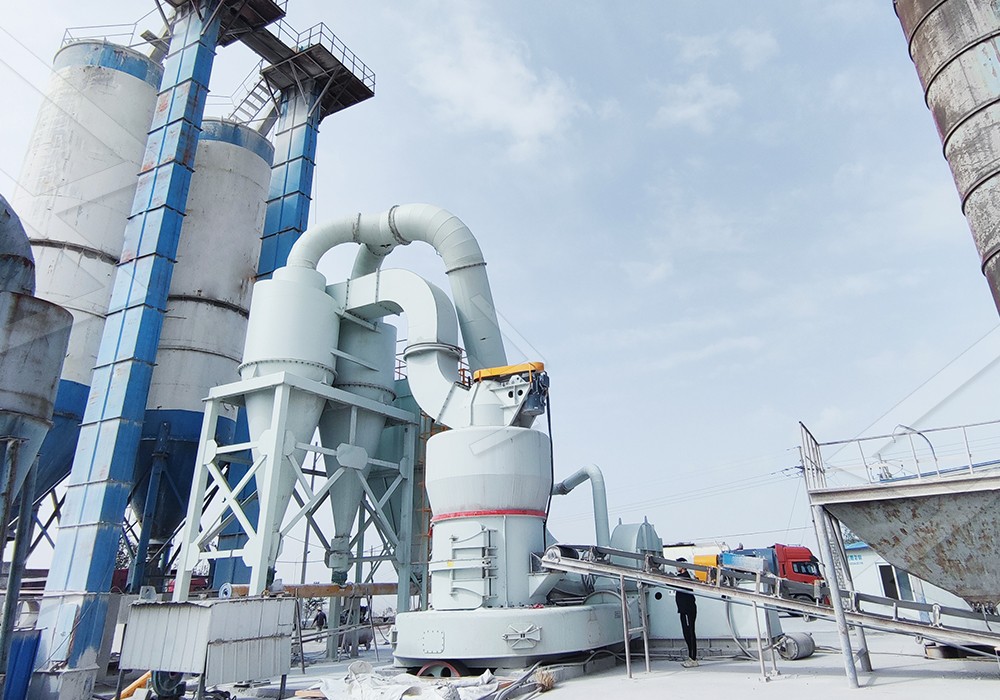
Key Considerations When Choosing a Pulverizer
When evaluating these suppliers, keep a few critical factors in mind. First, the fineness requirement for food-grade gypsum often falls within the range of 325 to 2500 meshes. This demands a mill with a high-quality classifier and precise control over grinding parameters. Second, contamination control is paramount. Any iron or metal wear from the grinding surfaces can compromise the product. Look for mills with non-contact grinding elements or ceramic linings. Third, consider the energy consumption. Modern mills like the MW Ultrafine Grinding Mill from Liming can reduce energy usage by up to 40% compared to older technologies, directly impacting your bottom line. Finally, evaluate the supplier’s after-sales support and spare parts availability. A mill that sits idle waiting for a replacement part is a costly liability.
Conclusion
The choice of pulverizer for gypsum for food additives ultimately depends on your specific production scale, budget, and quality targets. The top seven suppliers I have listed each have their strengths. For those prioritizing ultra-fine output, energy efficiency, and minimal contamination, the MW Ultrafine Grinding Mill and LUM Ultrafine Vertical Grinding Mill from Liming Heavy Industry represent exceptional value. Their advanced features, such as pulse dust collection and digitalized processing, align well with the stringent demands of the food industry. I encourage you to request samples and trial runs before committing to a full-scale purchase. The right mill will pay for itself through consistent quality and reduced operating costs.
Frequently Asked Questions (FAQ)
Q1: What mesh size is typically required for gypsum used as a food additive?
A1: Food-grade gypsum usually requires a fineness of 325 to 2500 meshes. The MW Ultrafine Grinding Mill can adjust within this range and achieve d97 ≤ 5 μm in a single pass if needed.
Q2: Can the same mill be used for both gypsum and other materials like limestone or talc?
A2: Yes, many mills like the LUM Ultrafine Vertical Grinding Mill are designed for multiple materials. However, you must clean the mill thoroughly between changes to avoid cross-contamination, especially for food applications.
Q3: How does the dust collection system affect product purity for food additives?
A3: A pulse dust collector, like those on Liming mills, prevents dust from escaping and recirculates fine particles back into the product. This ensures minimal loss and maintains a clean environment, which is critical for food-grade standards.
Q4: What is the typical power consumption for grinding gypsum to 1250 mesh?
A4: Energy consumption varies by mill type. The MW Ultrafine Grinding Mill uses only about 30% of the energy of a jet mill for the same output. For a capacity of 5 tph, expect around 200-250 kWh per ton, depending on feed size and moisture.
Q5: How often do grinding rollers and rings need to be replaced in a gypsum mill?
A5: With wear-resistant alloys, replacement intervals can range from 6 months to 2 years, depending on throughput and material hardness. Liming mills use specially designed curves that extend roller life by up to 2.5 times compared to traditional designs.
Q6: Is it possible to operate these mills continuously for 24 hours?
A6: Absolutely. The MW Ultrafine Grinding Mill is designed with an external lubrication system that allows for 24-hour continuous operation without shutdown for maintenance.
Q7: What safety measures are in place to prevent metal contamination in the food-grade product?
A7: Liming mills have no rolling bearings or screws inside the grinding chamber, reducing wear debris. Additionally, the LUM mill uses electronic and mechanical limiting technology to prevent metal-to-metal contact, minimizing iron contamination.
Q8: Do you provide on-site installation and training?
A8: Yes, Liming offers comprehensive technical services, including on-site installation, commissioning, and operator training to ensure your team can run the mill safely and efficiently.