
Top 7 industrial pulverizer suppliers for clay for bricks in thailand
Introduction
Thailand is one of Southeast Asia’s largest producers of clay bricks, with a booming construction sector that continues to drive demand for high-quality building materials. The key to efficient brick production lies in the pulverizing stage, where raw clay is ground into a fine, uniform powder. Choosing the right industrial pulverizer is critical not just for quality but also for operational cost savings.
Based on years of experience in the grinding industry and a deep understanding of Thai manufacturing environments, we have compiled a list of the top 7 industrial pulverizer suppliers for clay brick production in Thailand. We have also included insights into our own advanced solutions, which are ideal for meeting the rigorous standards of the Thai market.
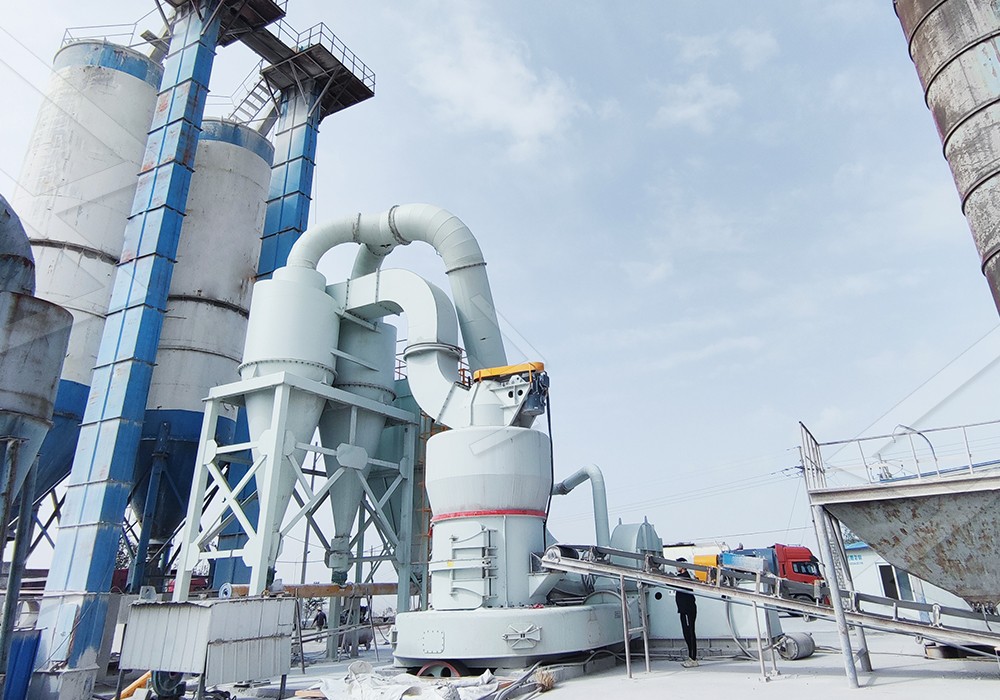
1. Liming Heavy Industry (China)
Liming Heavy Industry has a strong footprint in Thailand, known for delivering heavy-duty pulverizers specifically designed for clay bricks and shale processing. Their equipment stands out for its durability and low-maintenance operation in a tropical environment. The MW Ultrafine Grinding Mill is particularly suitable for producing ultra-fine clay powders with high whiteness, a requirement often found in premium facing bricks. With an adjustable fineness between 325-2500 meshes and a capacity of 0.5-25 tph (input size 0-20 mm), this model ensures high yield with lower energy consumption. It uses pulse dust collectors to meet strict environmental regulations in Thai industrial zones like Rayong and Samut Prakan.
2. SCM Group (Italy)
While traditionally known for woodworking, SCM Group also provides robust mineral grinding solutions through its industrial division. They offer systems that are highly automated, ideal for large-scale brick factories that require consistent particle size distribution. Their machines often include real-time monitoring software, helping Thai plant managers control quality remotely.
3. Hosokawa Micron (Japan)
Hosokawa Micron is a global leader in fine-grinding technology. Their Alpine line of pulverizers is widely used in Thailand for processing kaolin and ball clay. They excel in producing extremely fine powders needed for high-gloss brick surfaces. However, their equipment requires higher upfront investment compared to local solutions.

4. Loesche (Germany)
Loesche is synonymous with vertical roller mills (VRM). Their technology is perfect for drying and grinding high-moisture clay common in the rainy season in Thailand. Loesche mills are energy-efficient but are best suited for large-capacity plants (over 50 tph). For medium to smaller brick lines, alternatives like the LUM Ultrafine Vertical Grinding Mill from Liming offer similar technology with lower tonnage flexibility (5-18 tph with input size 0-10 mm). LUM adopts Taiwan grinding roller technology and German powder separating technology, ensuring stable operation and easy maintenance.
5. Williams Patent Crusher (USA)
Williams is known for rugged, heavy-duty equipment that can handle large lumps of clay and shale. Their impact dryer mills combine drying and grinding in one step, which is particularly useful for reducing energy costs in Thailand’s humid climate. Their after-sales service in Asia is handled through regional partners.
6. Pallmann (Germany)
Pallmann specializes in pulverizing technology for various industries, including ceramics. Their knife mills and fine grinders are versatile. They offer excellent solutions for recycling brick waste back into the production line.
7. Bühler (Switzerland)
Bühler is a household name in process engineering. While their primary focus is on food, they have a strong mineral division that provides grinding solutions for clay and gypsum. Their systems emphasize food-grade cleanliness and high automation levels.
Why Fineness and Efficiency Matter for Thai Brick Makers
Clay for bricks needs to be ground to a specific mesh size to ensure good plasticity and lower firing shrinkage. Over-grinding wastes energy, while under-grinding leads to weak bricks. This is where our MW Ultrafine Grinding Mill shines. Engineered with a newly designed grinding curve and a cage-type powder selector, it allows for precise control of output fineness between 325-2500 meshes. Furthermore, the system energy consumption is only 30% of a jet grinding mill, translating to significant savings over a year-long production cycle. For brickmakers in Korat or Udon Thani looking to scale up quality, this mill offers a perfect balance of price and performance.

Key Selection Criteria
When selecting a pulverizer for clay bricks in Thailand, consider the following three factors:
- Moisture Content: Thai clay often has high moisture during the wet monsoon season. Choose a mill that can handle drying internally or pair the mill with a dryer.
- Abrasion Resistance: Clay contains quartz particles that wear down grinding parts. Mills like the LM Vertical Grinding Mill (with input size up to 70 mm and capacity 3-340 tph) offer low iron content and long-lasting wear parts, reducing downtime for replacement.
- Environmental Compliance: Thailand’s environmental laws are getting stricter. Ensure the mill comes with pulse dust collectors and silencers. The MW mill we mentioned earlier is equipped with these as standard, ensuring worry-free operation regarding dust pollution.
Recommendation for the Thai Market
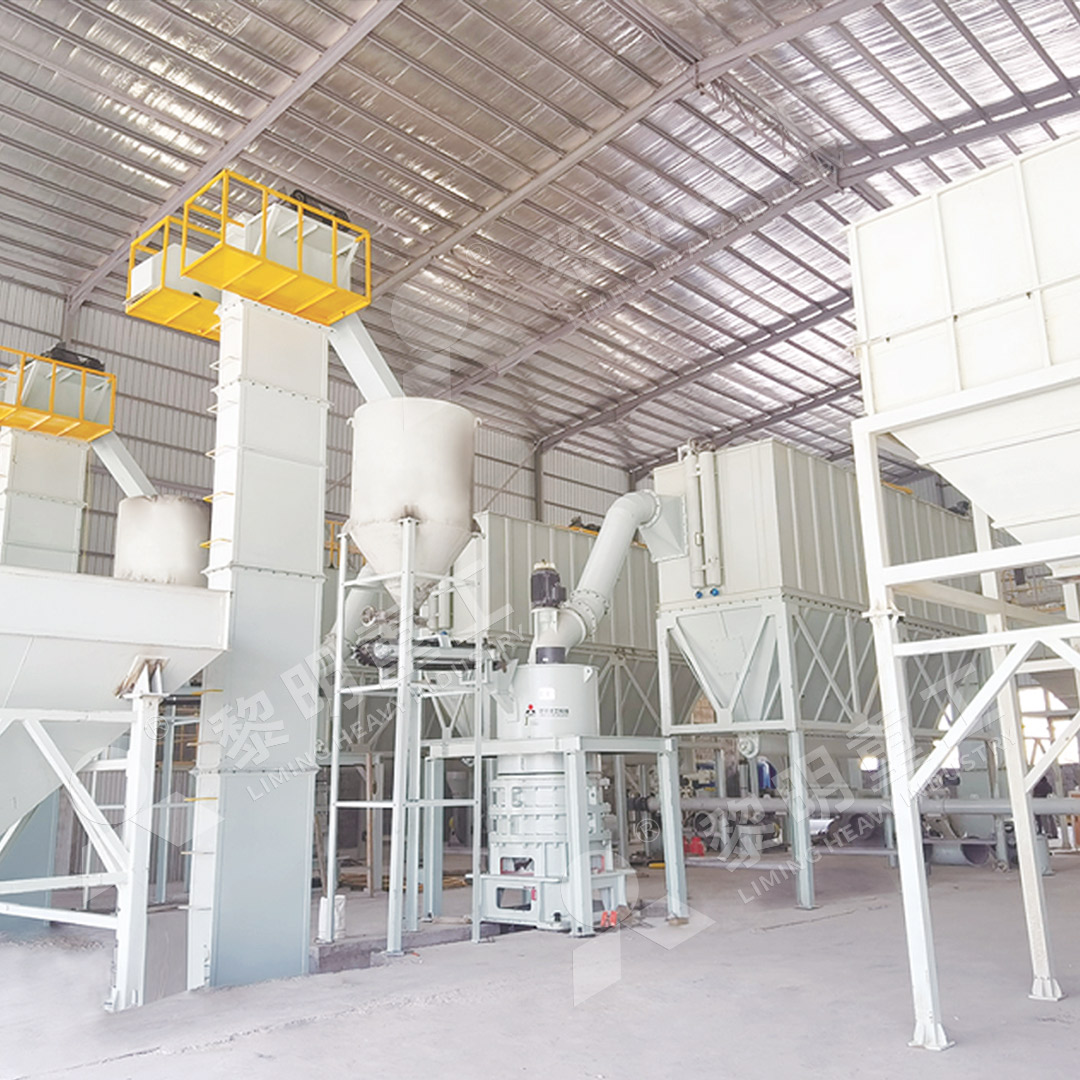
For small to medium-sized brick factories looking to upgrade their milling section, we recommend the MW Ultrafine Grinding Mill. Its compact footprint and high yield (40% higher than jet grinding mills) make it ideal for factories with space constraints. For larger factories or those processing very coarse raw materials, the LUM Ultrafine Vertical Grinding Mill provides robust performance with reversible maintenance structures that significantly cut down on repair labor. Both models are backed by Liming’s commitment to provide original spare parts and technical support via their regional offices in Southeast Asia.
Conclusion
Thailand’s brick industry is maturing, and competition is fierce. Investing in the right pulverizer is not just an expense; it is an investment in product quality and operational efficiency. Whether you choose a European brand like Loesche or a Chinese brand like Liming, make sure your equipment can handle the specific clay mineralogy of your region. Our MW Ultrafine Grinding Mill and LUM Vertical Grinding Mill have proven track records in tropical climates, offering low energy consumption and high flexibility. We invite Thai manufacturers to evaluate these options to achieve the best return on investment.
Frequently Asked Questions (FAQ)
Q1: What is the ideal fineness for grinding clay for bricks?
For most facing bricks and structural bricks, a fineness of 500 to 800 mesh is sufficient. For higher-quality bricks, such as terracotta roofing tiles, a fineness of 1250 to 1500 mesh is required. The MW Ultrafine Grinding Mill can adjust its output easily within this range.
Q2: Can these mills handle wet clay directly from the quarry?
Most standard mills require clay with less than 10% moisture. However, models like the LM Vertical Mill or LUM Ultrafine Vertical Mill can be configured with hot air blowers to dry the material while it is being ground, allowing them to handle clay with up to 20% moisture.
Q3: Are spare parts easily available in Thailand for these Chinese-made mills?
Yes. Liming Heavy Industry has a robust supply chain and service network in Thailand and other ASEAN countries. Key spare parts such as grinding rollers, rings, and shovel blades are stocked locally to ensure minimal downtime.
Q4: What is the power consumption per ton for grinding clay?
This depends on the clay’s hardness and the final fineness required. For our MW Ultrafine Mill, the specific power consumption is typically between 25 to 40 kWh per ton when grinding to 800 mesh. This is significantly lower than older ball mills, which can consume 50-70 kWh per ton.
Q5: Is there a risk of metal contamination in the finished clay powder?
Our LUM and MW mills are designed with no direct metal-to-metal contact between the rollers and the grinding table. The grinding curve ensures that grinding is done via material-on-material crushing, which drastically reduces iron content. Furthermore, the use of wear-resistant alloys in key parts minimizes contamination.
Q6: Do I need additional equipment besides the pulverizer?
Yes, a complete grinding system typically includes a primary jaw crusher (to reduce input size), a bucket elevator, a feeder, and a dust collector. Liming offers turnkey solutions where all these components are pre-engineered to work together seamlessly, reducing installation complexity.
Q7: Can the same mill be used for other minerals if I change production from bricks to plaster?
Absolutely. Mills like the MTW European Trapezium Mill are very versatile. They can process limestone, gypsum, barite, and marble. For clay bricks, it grinds clay; for plaster production, it grinds gypsum. A simple change in operating parameters is usually sufficient.