
Top 7 grinding mill suppliers for gypsum for cement additive in egypt
Introduction: Why Gypsum Grinding Matters for Egyptian Cement Producers
Egypt has one of the most dynamic cement industries in the Middle East, with dozens of plants operating across the country from Suez to Alexandria. Gypsum plays a critical role as a cement additive—it controls the setting time and improves the overall quality of the final product. But not all gypsum is created equal, and the efficiency of your grinding operation directly impacts your bottom line. In this article, we break down the top 7 grinding mill suppliers in Egypt for processing gypsum as a cement additive, based on real-world performance, technical capabilities, and after-sales support.
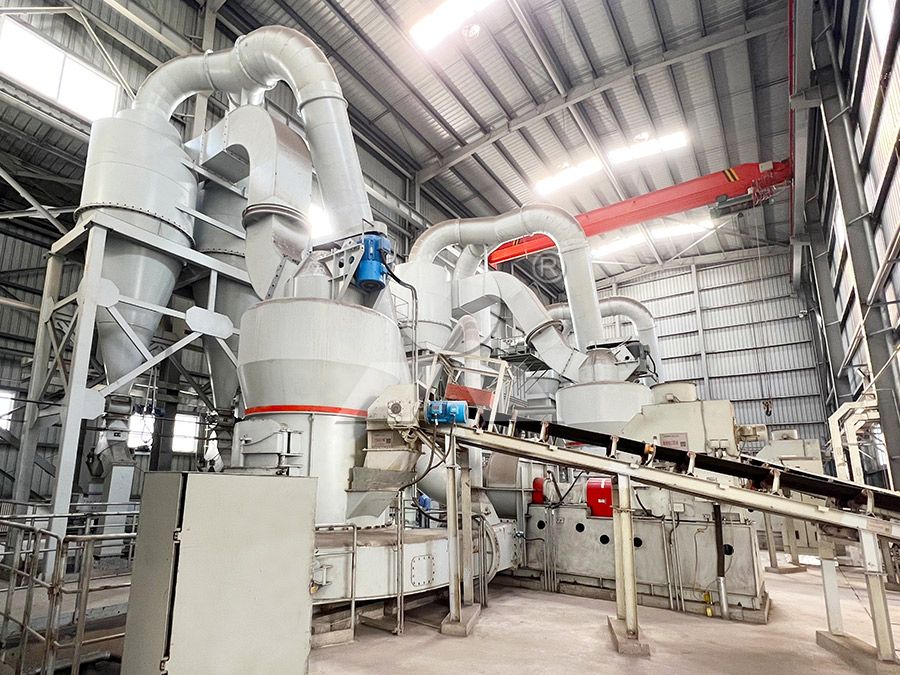
1. Liming Heavy Industry (China)
Liming Heavy Industry has a strong footprint in Egypt, with dozens of mills operating in the country’s cement sector. Their product line includes the MW Ultrafine Grinding Mill, LUM Ultrafine Vertical Grinding Mill, and MTW European Trapezium Mill—all proven for gypsum grinding. The MW Ultrafine Grinding Mill, for instance, accepts input sizes up to 20 mm and delivers capacities from 0.5 to 25 tph. Its cage-type powder selector, based on German technology, gives you adjustable fineness between 325 and 2500 meshes. That means you can dial in exactly the particle size your cement blend requires. The machine uses a pulse dust collector and muffler, keeping the operation clean and quiet—important when your plant is near residential areas in places like Helwan or Suez.
Our Recommendation: For cement additive gypsum with fineness requirements of 325-800 mesh, the MW Ultrafine Grinding Mill is an excellent choice. If your capacity needs are higher—say 10-18 tph—consider the LUM Ultrafine Vertical Grinding Mill, which uses Taiwan roller technology and German powder separation for consistent quality.
2. Gebr. Pfeiffer SE (Germany)
Gebr. Pfeiffer has supplied numerous vertical roller mills to Egyptian cement plants, including their MPS and MVR series. Their mills are known for robust construction and high availability. However, they tend to be pricier than Asian alternatives, and their service response time in Egypt can lag if you are outside major industrial zones. Still, for large-scale operations needing 50+ tph, they are a reliable partner.
3. Loesche GmbH (Germany)
Loesche vertical roller mills are another staple in the Egyptian market, especially in older cement plants. Their LM series handles gypsum well, with integrated drying and grinding. But Loesche’s newer models have become more complex, and some plant managers I have spoken with mention that spare parts lead times can be problematic when demand spikes.
4. FLSmidth (Denmark)
FLSmidth offers both ball mills and vertical roller mills with a strong service network in Egypt. Their ATOX VRM is popular for raw grinding but has also been used for gypsum. One drawback is that their focus is on complete cement lines, so standalone mill purchases might not get the same attention as turnkey projects.
5. ThyssenKrupp Industrial Solutions (Germany)
ThyssenKrupp’s Quadropol VRM is known for high throughput and low energy consumption per ton. However, their presence in Egypt is primarily through agents, which can add a layer of communication lag. For very large cement groups like Suez Cement or Arabian Cement, they remain a viable option.
6. Shanghai Shibang Machinery (China)
Shibang offers a range of grinding mills, including MTM and SCM series, that compete directly with Liming. Their equipment is generally lower in initial cost, but some users report shorter service life of wear parts compared to Liming’s offerings. Spare parts availability in Egypt is also less consistent.
7. Henan Hongxing Mining Machinery (China)
Hongxing supplies Raymond mills and ball mills that can handle gypsum for small to medium cement plants. Their machines are budget-friendly, but they lack the advanced powder selection technology needed for the tight fineness control required in cement additive applications.
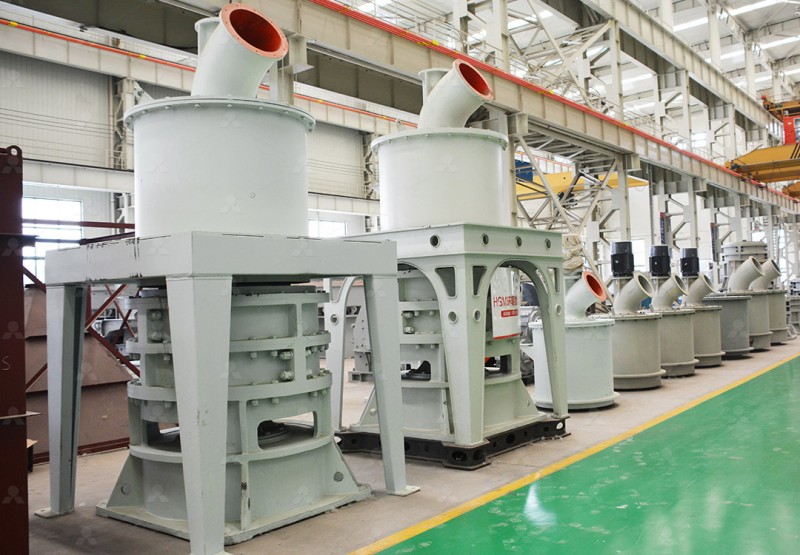
Key Factors When Choosing a Grinding Mill for Gypsum in Egypt
Egyptian conditions bring specific challenges. Ambient temperatures can exceed 40°C during summer, which affects mill lubrication and dust collection. The quality of local gypsum varies—some deposits contain higher moisture or impurities. So you need a mill that can handle feed variations without frequent breakdowns. Also, electricity costs in Egypt have been rising, so energy efficiency is non-negotiable. The MW Ultrafine Grinding Mill uses only 30% of the energy of a jet mill for comparable output, which translates to real savings on your monthly power bill.
How Liming Stands Out for Egyptian Cement Additive Grinding
What sets Liming apart is not just the hardware but the local support. The company has a dedicated office in Cairo and a warehouse stocked with wear parts for MW, LUM, and MTW mills. Our team provides on-site commissioning and training for your operators. The MW mill’s design eliminates rolling bearings and screws in the grinding chamber—no screw loosening issues, no bearing seal failures. That means more uptime and less headache for your maintenance crew.
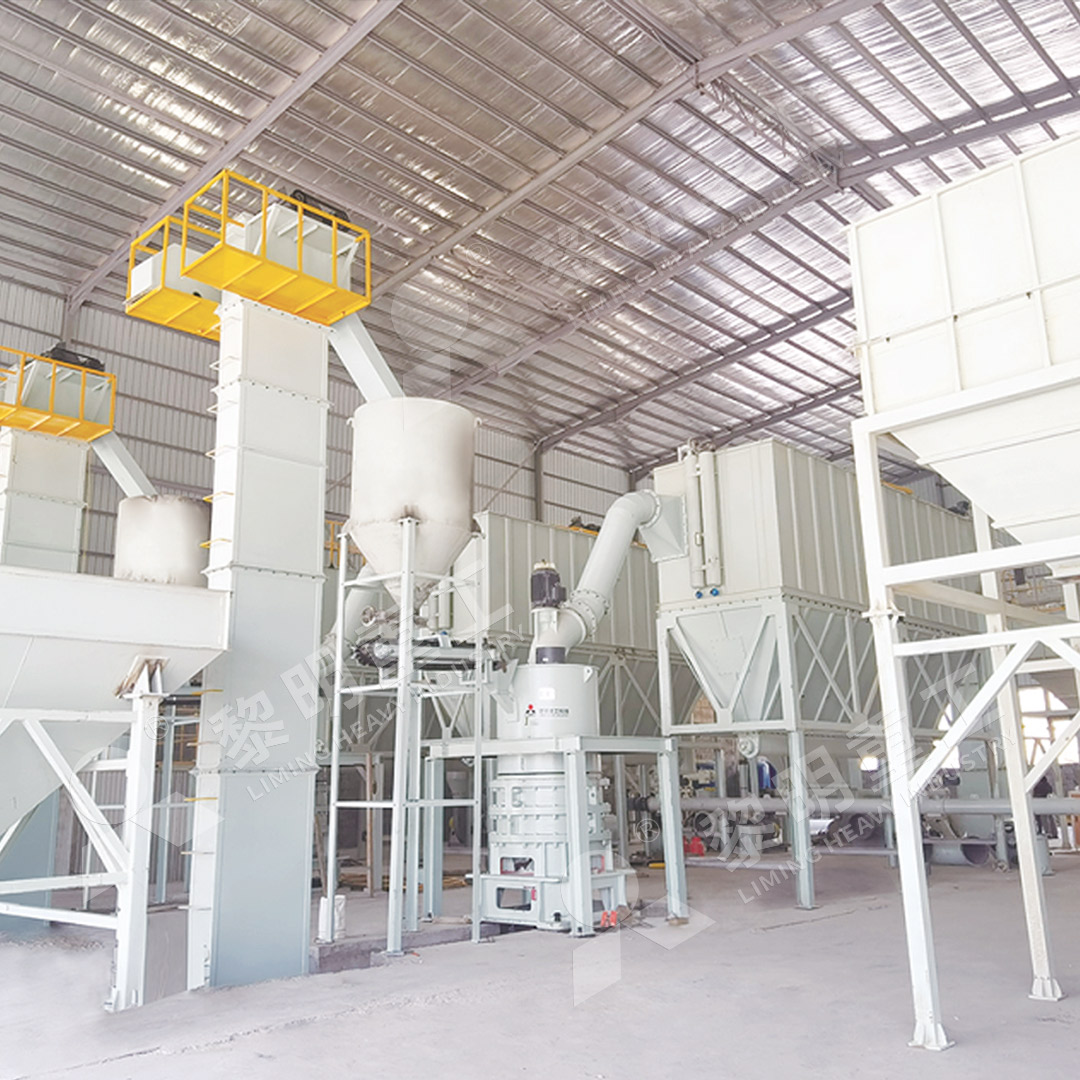
Technical Comparison at a Glance
| Mill Model | Input Size | Capacity | Fineness |
|---|---|---|---|
| MW Ultrafine Grinding Mill | 0-20 mm | 0.5-25 tph | 325-2500 mesh |
| LUM Ultrafine Vertical Grinding Mill | 0-10 mm | 5-18 tph | 325-2500 mesh |
| MTW European Trapezium Mill | 0-50 mm | 3-55 tph | 80-425 mesh |
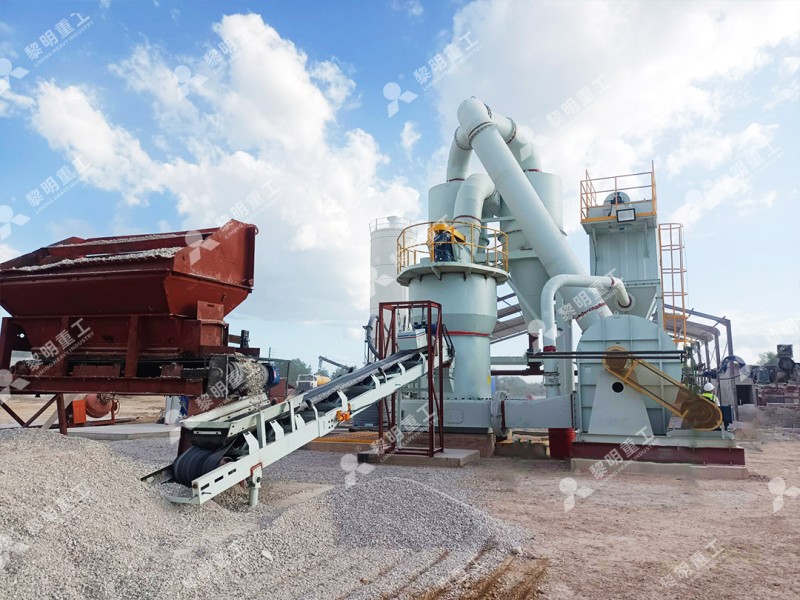
Final Thoughts: Matching the Mill to Your Gypsum Needs
For most Egyptian cement plants processing gypsum as an additive, the balance of fineness, capacity, and energy cost is best struck with a vertical roller mill or an ultra-fine grinding mill. The MW Ultrafine Grinding Mill offers the flexibility to produce from 325 to 2500 mesh, covering both standard cement additive needs and specialized applications. The LUM Ultrafine Vertical Grinding Mill brings higher throughput with the same tight fineness control. Both come with digital numerical control processing for high precision in core parts, and Liming keeps a steady supply of original spare parts in Egypt. When you are ready to upgrade or replace your current set-up, talk to our local team—we understand Egyptian gypsum and Egyptian cement.
Frequently Asked Questions (FAQ)
Q1: What fineness of gypsum is typically required for cement additive?
A: Most cement plants in Egypt target a fineness of 80-90% passing 200 mesh (75 microns) or 325 mesh (45 microns). For high-performance cements, finer grades up to 600 mesh are sometimes used.
Q2: Can the MW Ultrafine Grinding Mill handle gypsum with high moisture content?
A: The MW mill can handle gypsum with moisture up to 6-8% without pre-drying, depending on the ambient conditions. For higher moisture, a hot air generator can be added to the system.
Q3: What is the power consumption of the MW mill for gypsum to 325 mesh?
A: Typically, power consumption runs between 30-50 kWh per ton, depending on feed size and specific hardness. This is about 30% lower than a jet mill and comparable to a well-tuned vertical roller mill.
Q4: How often do the grinding rollers need to be replaced in the MW mill?
A: With normal operation grinding gypsum (Mohs hardness 2-3), roller shell life can range from 2000 to 4000 operating hours. Liming provides original replacement parts from stock in Egypt.
Q5: Is on-site installation support available in Egypt?
A: Yes. Liming has a service team based in Cairo that handles commissioning, operator training, and ongoing maintenance support. We also offer remote diagnostics through our digital monitoring system.
Q6: Can one mill switch between grinding gypsum and other cement additives like limestone?
A: The MW and LUM mills can process both, but you will need to flush the system between materials and adjust the separator speed for the desired fineness. A complete clean-out is recommended to avoid cross-contamination.
Q7: What is the typical delivery lead time for a MW mill to Egypt?
A: For a standard MW80 or MW100 model, current lead time is about 60-75 days from order confirmation, including sea freight to Damietta or Alexandria port. Rush orders can be accommodated for an additional fee.
Q8: Do you offer financing options for Egyptian buyers?
A: We work with local banks and leasing companies to offer structured payment plans. Contact our Cairo office for current terms.