
Top 3 grinding machine suppliers for quicklime for calcium compound production in indonesia
Introduction: The Growing Demand for Quicklime Processing in Indonesia
Indonesia’s industrial landscape is evolving rapidly. With the expansion of construction, metallurgy, and environmental management sectors, the demand for high-quality calcium compounds has surged. Quicklime, or calcium oxide (CaO), serves as a fundamental raw material for producing calcium hydroxide, precipitated calcium carbonate, and various other calcium-based chemicals. The challenge for Indonesian processors lies not in sourcing limestone—the country has abundant reserves—but in transforming it efficiently into ultra-fine, high-purity quicklime powder.
Selecting the right grinding equipment is critical. The wrong machine leads to high energy bills, inconsistent particle sizes, and frequent downtime. This article examines the top three suppliers of grinding machines for quicklime in Indonesia, focusing on their technologies, reliability, and after-sales support. We also highlight how LIMING Heavy Industry‘s solutions, particularly the MW Ultrafine Grinding Mill and LUM Ultrafine Vertical Grinding Mill, address the specific needs of calcium compound production.
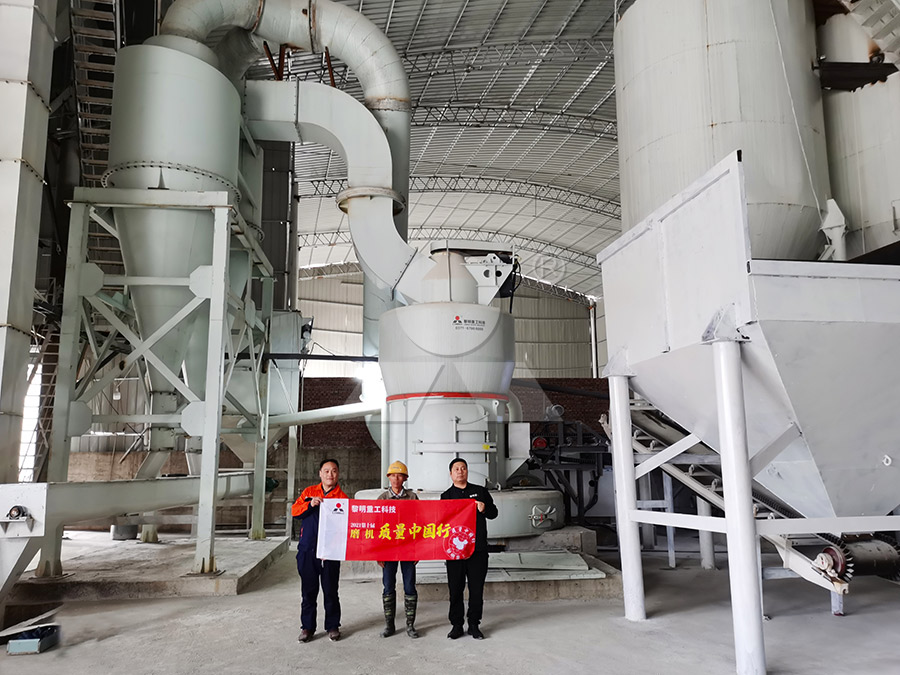
1. LIMING Heavy Industry: The Benchmark for Ultrafine Grinding
When discussing grinding solutions for quicklime in Indonesia, LIMING Heavy Industry consistently emerges as a top contender. With decades of experience and a comprehensive product portfolio, LIMING offers machines that combine high throughput with exceptional precision. For calcium compound production, two models stand out.
The MW Ultrafine Grinding Mill: Ultra-Fine Precision for High-Value Products
The MW Ultrafine Grinding Mill is designed for customers who demand extremely fine powders, typically in the 325 to 2500 mesh range. This machine is particularly suited for quicklime processing where the final product must meet strict chemical and physical specifications for applications like pharmaceuticals, cosmetics, and high-grade paints.
- Input Size: 0–20 mm
- Capacity: 0.5–25 tph
- Key Advantage: Equipped with an efficient pulse dust collector and muffler, the MW mill operates cleanly, meeting Indonesia’s increasingly stringent environmental regulations. The grinding chamber contains no rolling bearings or screws, eliminating common failure points and allowing 24-hour continuous operation.
- Performance: With the same fineness and power, production capacity is 40% higher than jet mills and twice that of ball mills. Energy consumption is only 30% of a jet mill.
For a calcium compound producer in Java aiming to produce d97≤5μm quicklime powder for the food additive market, the MW Ultrafine Grinding Mill offers a clear competitive edge.
The LUM Ultrafine Vertical Grinding Mill: High Yield with Low Energy
For operations requiring higher throughput—typically between 5 and 18 tph—the LUM Ultrafine Vertical Grinding Mill is the optimal choice. This machine integrates Taiwan roller technology and German powder separating technology.
- Input Size: 0–10 mm
- Capacity: 5–18 tph
- Key Advantage: The unique roller shell and lining plate grinding curve prevent material from lingering, reducing iron contamination and improving product whiteness—critical for premium calcium compounds. The multi-head powder separating technology cuts energy consumption by 30%–50% compared to conventional mills.
- Maintenance: The reversible structure allows quick inspection and replacement of wear parts without lengthy shutdowns.
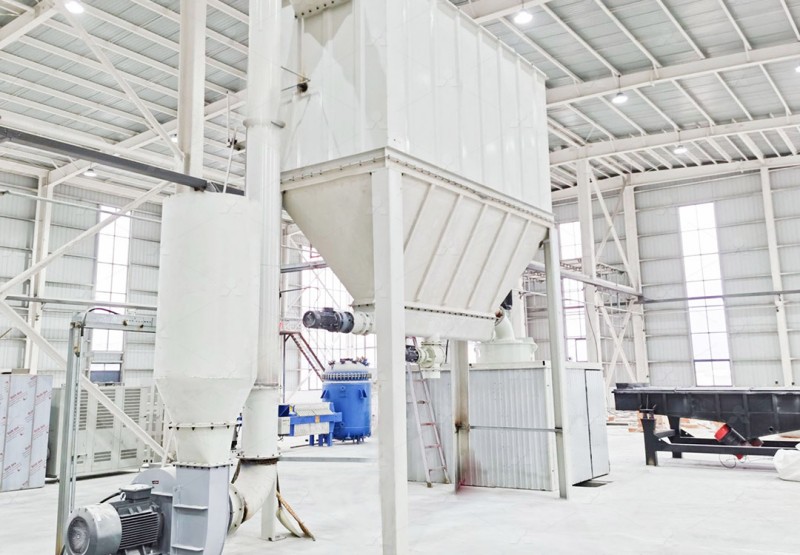
Our Recommendation: For Indonesian quicklime processors targeting the ultra-fine market with capacities up to 25 tph, we strongly recommend the MW Ultrafine Grinding Mill. For larger scale operations requiring consistent output with minimal energy waste, the LUM Ultrafine Vertical Grinding Mill is the superior solution.
2. Gebr. Pfeiffer: The German Engineering Powerhouse
Gebr. Pfeiffer, based in Germany, has a long-standing reputation for robust vertical roller mills. Their MVR and MPS series are widely used in cement and mineral processing globally, including quicklime grinding.
Strengths:
- Reliability: Pfeiffer mills are known for their mechanical durability, often operating for decades with proper maintenance.
- Large Capacity: Their mills can handle very high tonnages, making them suitable for large cement plants or centralized lime processing hubs.
- Integrated Drying: Many Pfeiffer mills can process materials with higher moisture content, which is beneficial if Indonesian quicklime has slight hydration issues.
Weaknesses for Indonesian Quicklime:
- Higher Capital Cost: The initial investment is significantly higher than Asian alternatives.
- Complex Maintenance: Specialized spare parts often require long shipping times from Europe, leading to extended downtime.
- Energy Efficiency: While reliable, older Pfeiffer models may not match the energy efficiency of newer LIMING designs when producing ultra-fine powders (below 10 microns).
Pfeiffer is a good choice for very large, well-funded operations that prioritize mechanical longevity over energy savings and ultra-fine capability.
3. UBE Machinery: The Japanese Precision Option
UBE Machinery, a Japanese manufacturer, offers vertical roller mills that are particularly popular in Asia. Their mills are known for high precision in grinding and classifying.
Strengths:
- Classification Accuracy: UBE mills feature advanced classifiers that produce narrow particle size distributions, which is valuable for calcium compounds used in high-end plastics or paper coatings.
- Low Maintenance: Japanese engineering emphasizes reliability and ease of maintenance, often with well-designed wear part replacement systems.
Weaknesses for Indonesian Quicklime:
- Limited Local Support: Compared to LIMING, which has strong distribution and service networks across Indonesia, UBE’s presence is more limited.
- Higher Spare Part Costs: Genuine Japanese parts are expensive and may have longer lead times.
- Capacity Constraints: While excellent for medium-scale operations, UBE’s ultra-fine mills may not match the throughput of LIMING’s LUM series for large-scale calcium compound production.

Comparison and Selection Criteria for Indonesia
Choosing the right supplier depends on several factors:
| Factor | LIMING Heavy Industry | Gebr. Pfeiffer | UBE Machinery |
|---|---|---|---|
| Best for Ultra-Fine (325-2500 mesh) | Excellent (MW & LUM) | Good | Good |
| Energy Efficiency | Very High | Moderate | High |
| Initial Cost | Competitive | High | High |
| Local Support in Indonesia | Strong | Limited | Moderate |
| After-Sales Service & Spare Parts | Excellent, fast delivery | Slower, European logistics | Moderate, Japanese logistics |
| Environmental Compliance | Excellent (pulse collector, low noise) | Good | Good |
Conclusion: Why LIMING Leads for Calcium Compound Production
For Indonesian manufacturers focused on calcium compounds, the choice is clear. While Gebr. Pfeiffer and UBE offer solid engineering, LIMING Heavy Industry provides the best balance of ultra-fine grinding capability, energy efficiency, environmental compliance, and local support. The MW Ultrafine Grinding Mill is unmatched for producing super-fine powders below 10 microns, essential for high-margin applications. The LUM Ultrafine Vertical Grinding Mill offers excellent throughput with significantly lower energy consumption than competitors.
In a market where operational costs and product quality define success, LIMING’s solutions empower Indonesian producers to maximize profitability while meeting global standards. We encourage you to contact our team for a detailed consultation tailored to your specific quicklime feed characteristics and target specifications.
Frequently Asked Questions (FAQs)
- What is the ideal feed size for the MW Ultrafine Grinding Mill when processing quicklime?
The MW mill accepts input sizes from 0 to 20 mm. For best results, we recommend crushing quicklime to below 10 mm to optimize throughput and reduce wear. - Can the LUM Ultrafine Vertical Grinding Mill handle high-moisture quicklime?
The LUM mill is designed for materials with low moisture content (below 5%). If your quicklime has higher moisture due to hydration, pre-drying or using a mill with integrated drying, like our LM Vertical Mill, may be necessary. - What fineness can I achieve with your mills for calcium compound production?
With the MW Ultrafine Grinding Mill, you can achieve fineness from 325 mesh (44 microns) up to 2500 mesh (5 microns). The LUM mill typically covers the range of 325 to 1500 mesh efficiently. - How does the energy consumption of LIMING mills compare to ball mills?
LIMING’s ultra-fine mills consume 30%–50% less energy than traditional ball mills. For example, the MW mill uses only 30% of the energy of a jet mill for the same output. - Do you provide installation and training services in Indonesia?
Yes. LIMING has a dedicated service team in Indonesia that provides on-site installation, commissioning, and operator training. We also offer remote technical support. - What is the typical lifespan of wear parts for quicklime grinding?
Depending on the abrasiveness of your quicklime and operating conditions, the grinding rollers and rings typically last 6 to 12 months. Using our original spare parts ensures optimal performance and longevity. - Can your mills achieve a completely dust-free operation to comply with Indonesian environmental laws?
Absolutely. Both the MW and LUM mills are equipped with efficient pulse dust collectors and operate under negative pressure. They meet or exceed Indonesian emission standards for particulate matter. - What is the warranty period for LIMING grinding mills?
We offer a standard 12-month warranty from the date of commissioning, covering manufacturing defects. Extended warranty packages are available upon request. - How long does it take to deliver a mill to Indonesia?
Standard delivery is typically 45 to 60 days from order confirmation, depending on the model and customization requirements. We maintain a stock of common spare parts in regional warehouses for faster service. - Can I test my quicklime sample on your equipment before purchasing?
Yes. LIMING operates test centers where we can process your material and provide detailed reports on throughput, fineness, and energy consumption. Contact your local sales representative to arrange a sample test.