
Roller mill price & cost analysis for slag for construction aggregate in vietnam
1. Introduction: The Growing Demand for Slag-Based Construction Aggregate in Vietnam
Vietnam’s construction industry has been experiencing a remarkable boom over the past decade, driven by rapid urbanization, infrastructure projects, and foreign investment. This surge has created an insatiable demand for high-quality construction aggregates. Traditionally, natural sand and crushed stone have been the primary sources. However, environmental concerns, depletion of natural resources, and stricter mining regulations are pushing the industry toward alternative materials. Slag, a byproduct of steel manufacturing, has emerged as a highly viable and sustainable alternative for producing construction aggregate. Processing granulated blast furnace slag (GBFS) or steel slag into fine powder or sand for concrete and road base applications is not only environmentally responsible but also economically attractive. The key to unlocking this potential lies in selecting the right grinding equipment – specifically, a roller mill that can deliver the required fineness, capacity, and energy efficiency without breaking the bank.
2. Understanding the Cost Structure of Slag Grinding
When analyzing the price and operational costs of a roller mill for slag processing in Vietnam, several critical factors come into play. The initial capital expenditure (CAPEX) for the mill itself is just the tip of the iceberg. The real cost analysis revolves around the total cost of ownership (TCO), which includes energy consumption, wear and tear, maintenance downtime, and labor. Slag is known to be highly abrasive due to its high iron content and hardness. A mill that cannot withstand this abrasion will incur high costs in spare parts and maintenance. Furthermore, the moisture content in slag (often ranging from 8% to 15%) requires effective drying capabilities, which adds to the energy bill if not managed efficiently by the mill’s integrated system. In Vietnam, where electricity prices are a significant operational concern, energy efficiency is not a luxury—it is a necessity.
3. The Case for Vertical Roller Mills (VRM) in Slag Applications
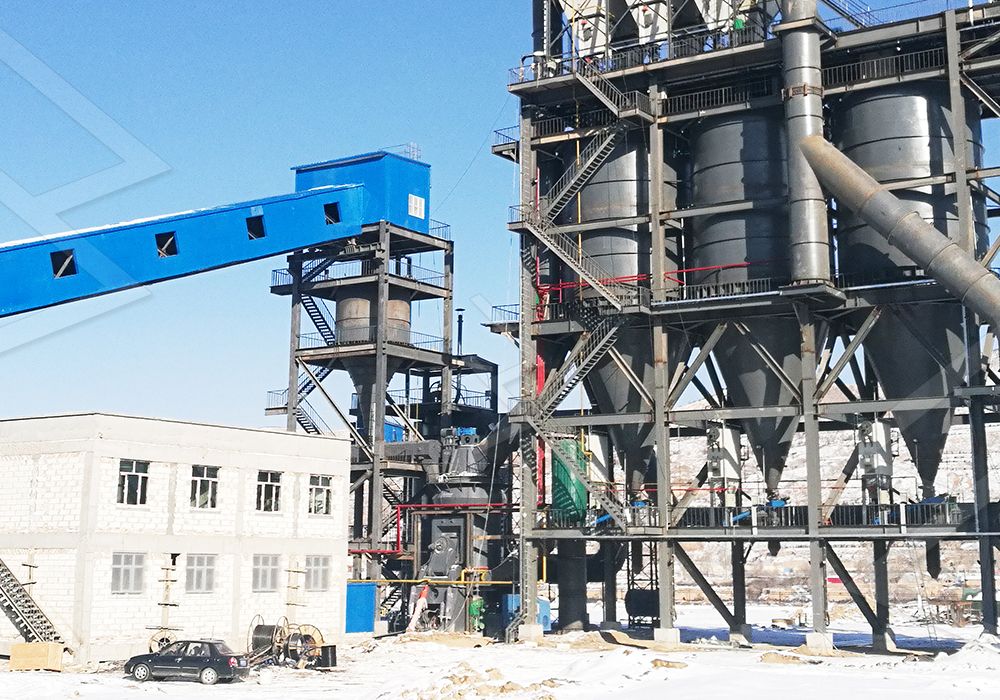
For decades, ball mills were the standard for slag grinding, but they are notoriously inefficient. They consume vast amounts of energy (often 40-50 kWh/t for slag) and produce high noise levels. The modern answer, especially for the Vietnamese market, is the Vertical Roller Mill (VRM). VRMs operate on a completely different principle. The material is ground between a rotating grinding table and stationary or rotating grinding rollers. This design offers several inherent cost advantages. Firstly, the grinding efficiency is significantly higher, as the material bed grinding principle reduces energy waste. Secondly, the built-in hot air swept system allows for simultaneous drying and grinding, which is ideal for slag. Thirdly, the compact design reduces civil engineering costs. For a slag aggregate line in Vietnam requiring a capacity up to 25 tons per hour, our MW Ultrafine Grinding Mill presents an interesting case. While primarily designed for ultra-fine powder (325-2500 mesh), its high-yielding, low-energy consumption profile and wear-resistant design make it a contender for high-value slag powder used as a cement additive or high-grade concrete admixture. For larger throughputs requiring standard aggregate fineness, the LUM Ultrafine Vertical Grinding Mill offers a robust solution. It integrates Taiwan grinding roller technology and German powder separation technology, ensuring high yielding rates with 30%-50% less energy consumption compared to traditional mills. This directly translates to lower cost per ton of finished slag aggregate.
4. Detailed Cost Breakdown: A Hypothetical Vietnamese Scenario
Let us consider a typical scenario for a slag grinding plant in the Ba Ria-Vung Tau province, which is close to steel mills. The goal is to produce 15 tons per hour of slag powder for concrete admixture (fineness of 450 m2/kg).
- Initial Acquisition Cost: A high-quality VRM like the LUM1125 might have a higher initial price tag compared to a traditional ball mill. However, this is misleading. The VRM includes the classifier and drying system in one unit, whereas a ball mill would require a separate classifier, dryer, and bucket elevator. The total system cost and installation footprint are lower for the VRM.
- Energy Costs: At an energy cost of $0.08/kWh in Vietnam, a traditional ball mill consuming 45 kWh/t will cost $3.6 per ton in electricity. A VRM like the LUM series, consuming 28 kWh/t, drops this to $2.24 per ton. Over a year (5000 hours of operation at 15 tph), that is a saving of over $100,000.
- Maintenance Costs: Slag is abrasive. The wear parts (roller shells and table liners) are the primary cost. With advanced materials and the reversible structure of the LUM mill (allowing flipping of wear parts), the lifespan of these parts can be extended by 30-50% compared to standard mills. This reduces the frequency of shutdowns and the cost of importing high-chrome steel parts.
- Drying Costs: If the slag has 10%% moisture, it needs drying. VRMs use the waste heat from clinker cooling or a hot gas generator. The integration within the VRM is more efficient, reducing the fuel consumption for drying by up to 20%% compared to an external dryer.
5. Technical Considerations for Vietnamese Conditions
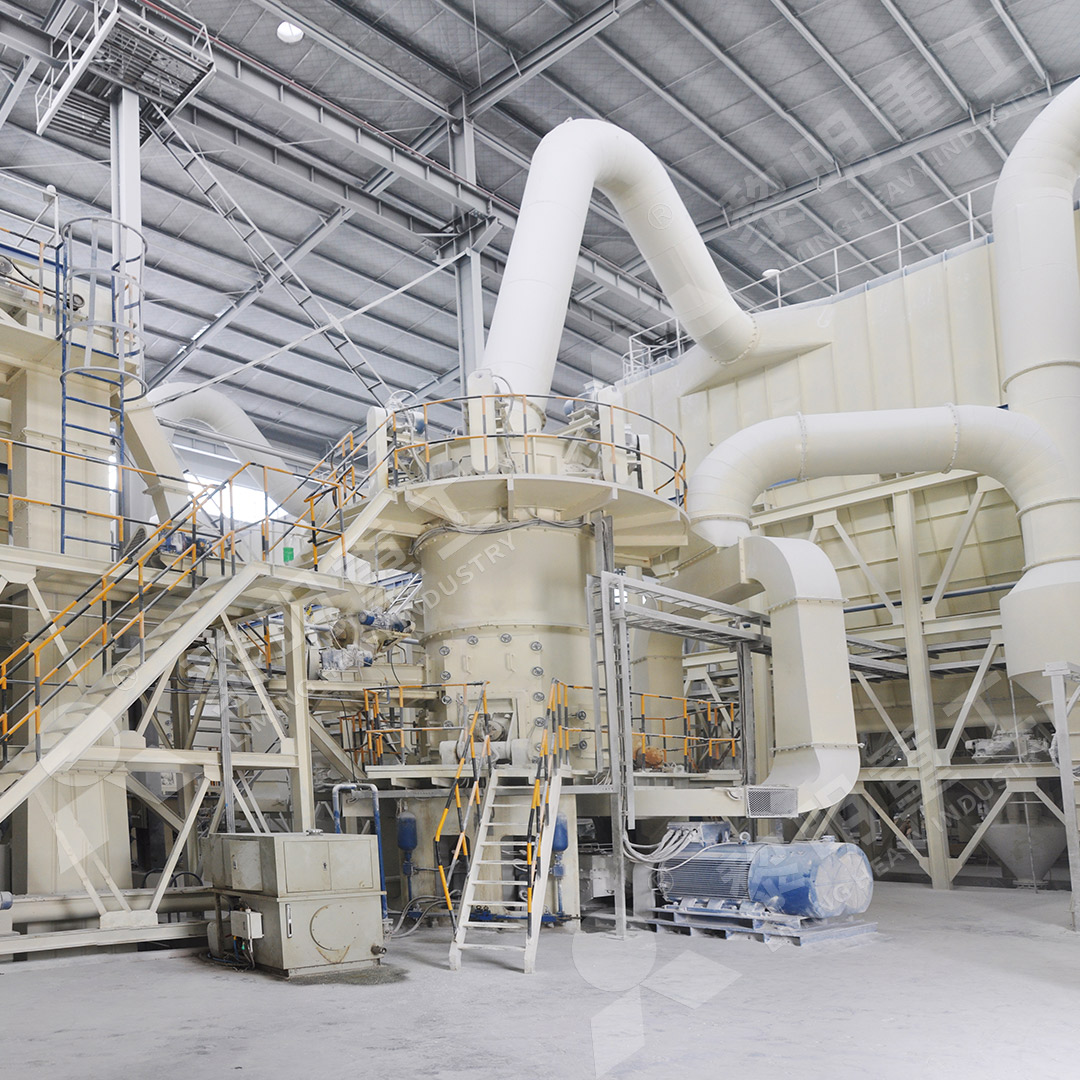
The success of a roller mill in Vietnam hinges on its ability to handle local slag variability. Vietnamese slag can come from different steel-making processes (BOF, EAF) with varying Fe content and grindability. The grinding pressure must be adjustable. The LM Vertical Grinding Mill, with its capacity to handle input sizes up to 70 mm and throughputs up to 340 tph, is the workhorse for large-scale slag cement and aggregate plants. However, for the ultra-fine slag powder market (e.g., slag powder for high-performance concrete), the MW Ultrafine Grinding Mill is unmatched. Its unique design, which eliminates rolling bearings and screws in the grinding chamber, directly addresses the issue of contamination and mechanical failure. This is crucial for producing a clean, high-value slag product. The digitalized processing of these mills also ensures precision, reducing the variability in particle size distribution that can plague cheaper equipment.
6. Conclusion: The Price is Right with the Right Technology
The initial ‘price’ of a roller mill should never be viewed in isolation. In the Vietnamese slag aggregate market, the ‘cost’ of production is what dictates the return on investment. By choosing a technologically advanced vertical roller mill—specifically the LUM or MW series from LIMING—operators in Vietnam can achieve a lower TCO through dramatically reduced energy consumption, higher uptime, and superior product quality. As the market for sustainable construction materials grows, investing in efficient, durable, and eco-friendly technology is not just a cost decision; it is a strategic one. The ability to produce a consistent, high-quality slag aggregate at a lower operational cost will define the market leaders in Vietnam over the next decade.
7. Frequently Asked Questions (FAQ)
- What is the typical price range for a vertical roller mill suitable for slag in Vietnam?
Pricing is highly dependent on capacity and configuration. Generally, a mill for 10-20 tph of slag can range from $300,000 to $800,000. However, we recommend requesting a custom quote based on your specific slag characteristics and target fineness to get an accurate price. - Is it better to use a ball mill or a vertical roller mill for slag grinding to save costs?
For long-term cost savings, a vertical roller mill is significantly better. While the initial investment is higher, the 30-50%% reduction in energy consumption, lower maintenance frequency, and integrated drying capabilities provide a faster payback period and lower total cost of ownership. - Can the MW Ultrafine Grinding Mill handle wet slag directly?
The MW mill can handle materials with some moisture, but for high moisture slag (over 10%%), a hot air drying system must be integrated into the production line. The mill itself is designed to work with hot air swept systems. - What is the lifespan of the wear parts (roller and ring) for grinding slag with these mills?
It depends on the abrasiveness of the slag and the material of the wear parts. With our high-chrome alloy components, customers typically see a lifespan of 4,000 to 8,000 hours of operation for slag grinding. - What fineness is required for slag to be used as a construction aggregate or cement additive in Vietnam?
For cement additive (GBFS), a specific surface area of 400 – 500 m2/kg (Blaine) is standard. For concrete aggregate, it can be coarser, around 0-5mm sand. The LUM and MW mills are precisely designed to adjust fineness between 325 and 2500 mesh to meet these specific national standards. - How does the maintenance of the LUM series roller mill compare to other models?
The LUM series features a unique reversible structure and hydraulic adjustment system. This allows for easy turning out of the grinding roller for inspection and replacement of the roller shell and liner plate without heavy dismantling, significantly reducing maintenance downtime and labor costs. - Is there a risk of iron contamination in the slag powder from the mill?
No. The grinding rollers and table do not come into direct contact in our VRMs, which minimizes mechanical wear and metal-to-metal contact. The LM series specifically boasts a low iron content feature. Furthermore, the slag’s own iron particles are easily removed by magnetic separators placed before or after the mill.