
Roller mill price & cost analysis for gypsum for plaster production in south africa
Roller Mill Price & Cost Analysis for Gypsum Plaster Production in South Africa
South Africa’s gypsum plaster industry is a backbone of construction and interior finishing. From ceiling boards to wall plasters, the demand for high-quality gypsum powder continues to grow. But anyone who runs a plaster production line knows the margin between profit and loss often comes down to one thing: the grinding mill. Choosing the right roller mill is not just about upfront price; it is about total cost of ownership, energy consumption, maintenance downtime, and final product quality. This article provides a detailed, real-world analysis of roller mill price and cost factors for gypsum processing in South Africa, with a focus on practical decision-making for plant managers and investors.
Understanding Gypsum Grinding Requirements
Gypsum for plaster typically requires a fineness of 80 to 325 mesh, with some specialized applications demanding ultrafine powders up to 2500 mesh. The raw gypsum, often coming from mines or synthetic sources like desulfurization plants, contains moisture that must be removed during grinding. In South Africa, electricity costs are high and load shedding is a constant challenge, so energy efficiency is non-negotiable. Additionally, the abrasive nature of gypsum means wear parts need regular replacement, driving up maintenance costs if the mill design is not optimized.
Capital Investment vs Operating Costs
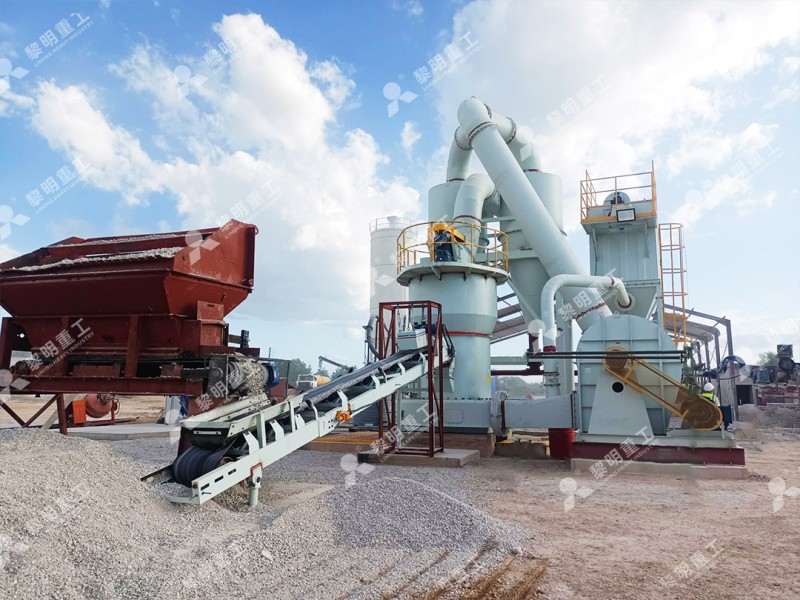
The initial purchase price of a roller mill can vary from around $50,000 for a small Raymond-style mill to over $500,000 for a large vertical grinding mill. But the capital cost is only the beginning. Let’s break down the real costs that affect your bottom line:
- Energy consumption: Grinding is energy-intensive. A mill that consumes 30% less power than a ball mill can save hundreds of thousands of rands annually. For example, MW Ultrafine Grinding Mill uses only 30% of the energy of a jet mill while achieving higher capacity. This is critical in South Africa where industrial electricity tariffs exceed R1.20 per kWh.
- Wear parts replacement: Grinding rollers and rings wear down, especially with gypsum. Mills that use alloy steel or ceramic composite rollers last longer. Traditional Raymond mills need roller and ring changes every 6-12 months, while modern vertical mills with reversible roller shells can double or triple that interval.
- Maintenance labor and downtime: Mills with complex bearing systems or screw fasteners inside the grinding chamber require frequent stops for maintenance. The MW Ultrafine Grinding Mill eliminates rolling bearings and screws in the chamber, meaning less unplanned downtime and lower maintenance costs.
- Environmental compliance: South Africa’s environmental regulations are tightening. Dust emissions must be controlled. Mills equipped with efficient pulse dust collectors, like those in LIMING’s lineup, avoid fines and operational shutdowns.
Comparing Roller Mill Types for Gypsum
Raymond Mill (Traditional)
For small to medium capacity (0.6-5 tph), the classic Raymond mill is low-cost upfront, but its shovel blade cylinder design limits ventilation and increases energy use per ton. It is suitable for simple plaster lines but not for high-fineness or large-scale production.
MTW European Trapezium Mill
With capacities up to 55 tph and fineness down to 325 mesh, this mill uses bevel gear drive and dilute oil lubrication for lower maintenance. It is popular in gypsum plaster plants that need consistent output and moderate energy savings. The cambered air duct reduces resistance, helping cut power bills.
LUM Ultrafine Vertical Grinding Mill
For applications requiring ultrafine gypsum powder (325-2500 mesh), the LUM mill is a game-changer. Its multi-head powder separator ensures precise particle size control, and the double position-limiting technology prevents vibration damage. This mill can process 5-18 tph, making it ideal for premium plaster products.
LM Vertical Grinding Mill
Large-scale plaster plants producing over 50 tph should consider LM vertical mill. It integrates drying, grinding, and classifying in one unit, reducing the footprint and auxiliary equipment costs. The low iron content in the product is a bonus for white plaster.
Our Recommended Solutions for South African Plaster Producers
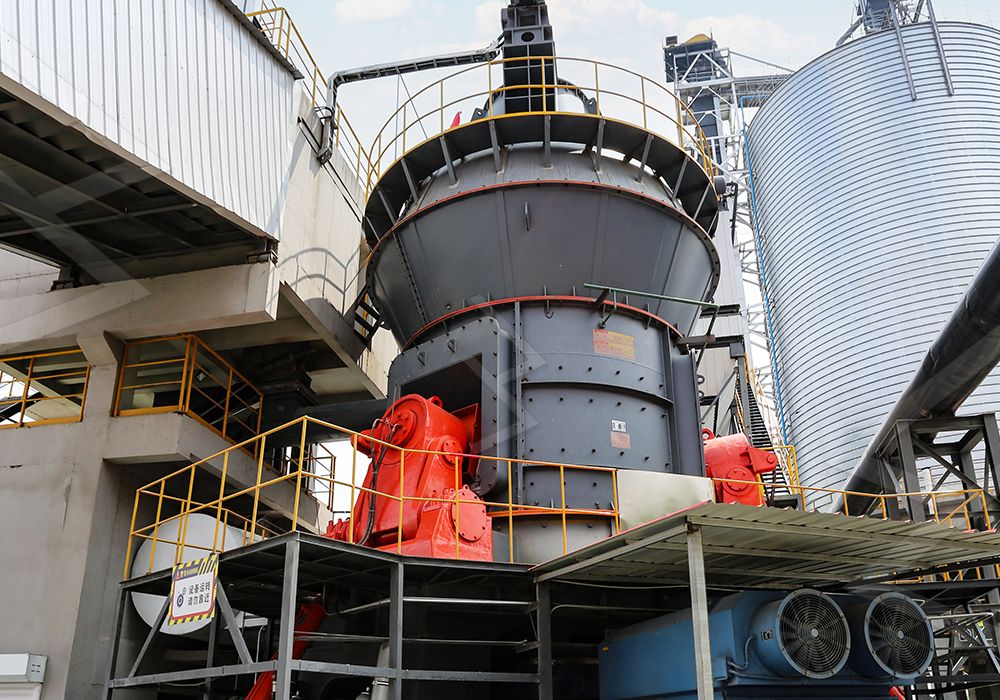
Based on our experience and your specific needs, we strongly recommend the MW Ultrafine Grinding Mill for medium-scale plaster plants (0.5-25 tph) that require high fineness and low energy consumption. This machine is equipped with efficient pulse dust collector and muffler, ensuring compliance with South African environmental standards. Its grinding curves enhance efficiency by 40% over jet mills, and the absence of rolling bearings means fewer breakdowns. For larger operations or those producing ultrafine plaster, the LUM Ultrafine Vertical Grinding Mill offers 5-18 tph capacity with German powder separation technology, delivering consistent d97≤5μm fineness. Both mills come with LIMING’s digitalized manufacturing and sufficient spare parts supply, so you never face prolonged downtime.
Cost Breakdown Example for a 10 tph Gypsum Plaster Line
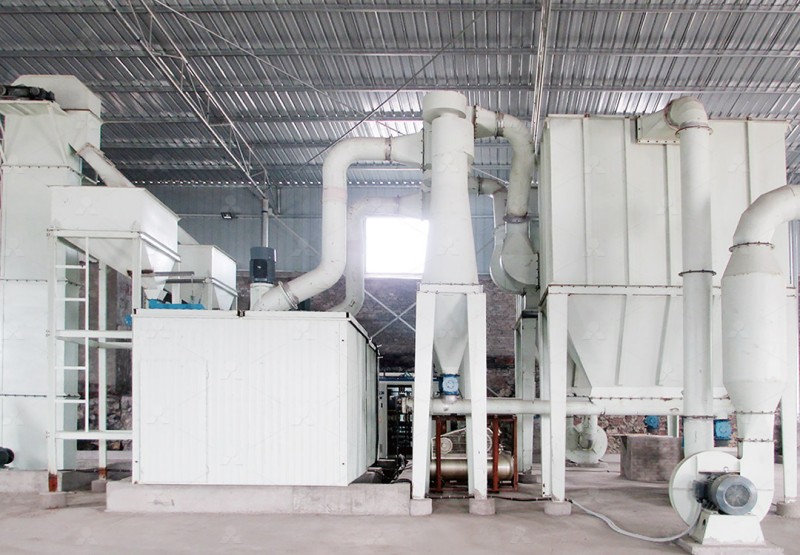
Let’s simulate a typical South African scenario: a plaster producer wants to grind gypsum from 20 mm feed to 200 mesh fineness, at 10 tph, running 16 hours per day, 300 days a year. Using a traditional ball mill, the annual energy cost (at R1.20/kWh) might be around R1.8 million. Switching to the MW Ultrafine Grinding Mill reduces energy consumption by 30-50%, bringing annual energy cost down to approximately R0.9 million. Adding savings from lower wear parts replacement (saving R300,000 per year) and reduced maintenance labor (saving R200,000), the payback period for the higher initial investment is often less than 18 months. Additionally, the pulse dust collector prevents dust penalties that can cost R50,000 per incident.
Factors Specific to South Africa
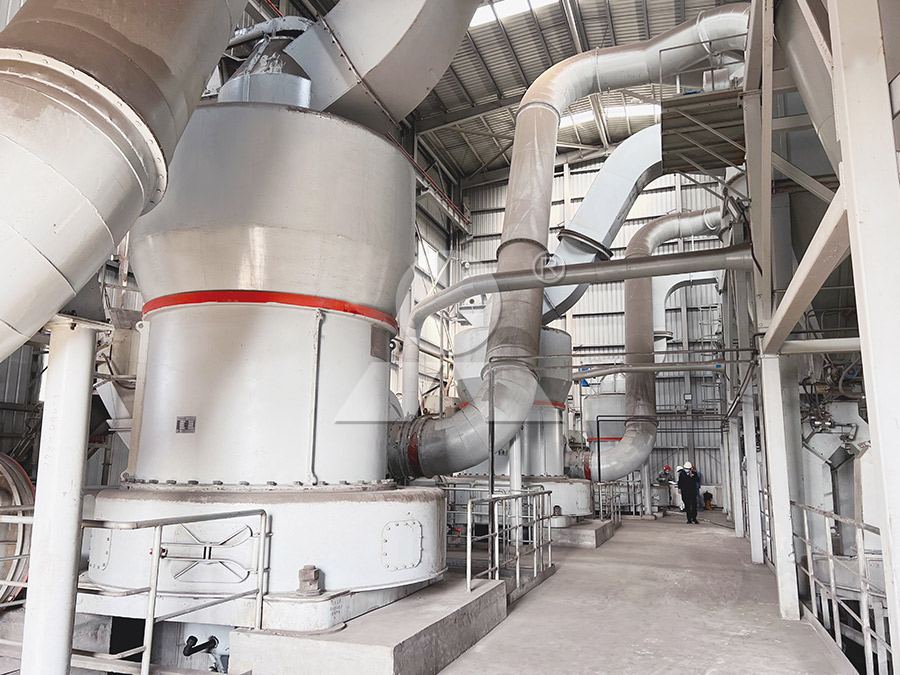
South African gypsum producers face unique challenges. Load shedding forces plants to stop and restart mills frequently. Mills with stable restart characteristics and low vibration are essential. The MW Ultrafine Grinding Mill uses an elastic volute damping structure that absorbs shocks, protecting the machine during power fluctuations. Also, the availability of local spare parts is crucial. LIMING has distributors in South Africa and can deliver original spare parts within weeks, not months. Finally, the dry climate in parts of the country means moisture control in gypsum feed is important; mills with integrated drying capacity (like LM vertical mill) can handle feed moisture up to 15%.
Conclusion
Price is just one element of the equation. For gypsum plaster production in South Africa, the real cost efficiency comes from choosing a mill that balances low energy consumption, minimal maintenance, high fineness, and environmental compliance. The MW Ultrafine Grinding Mill and LUM Ultrafine Vertical Grinding Mill from LIMING represent two excellent options depending on your capacity and fineness needs. We encourage you to contact our team for a personalized cost analysis based on your specific raw material, target output, and budget. Investing in the right roller mill today will pay dividends for years to come.
Frequently Asked Questions (FAQ)
- What is the typical price range of a roller mill for gypsum in South Africa?
Prices vary widely based on capacity and technology. Small Raymond mills start around $50,000, while medium-capacity ultrafine mills like the MW series range from $80,000 to $200,000. Large vertical mills can exceed $400,000. Contact us for a quote tailored to your needs. - How much does it cost to operate an MW Ultrafine Grinding Mill per hour in electricity?
Assuming a 10 tph capacity and 200 kW motor, at R1.20/kWh, hourly electricity cost is about R240. However, compared to a ball mill of similar output, you save around 30-50% due to higher efficiency. - Can the MW mill handle wet gypsum?
Yes, but raw gypsum moisture should be below 10% for optimal performance. Higher moisture may require a drying system upstream. The MW mill itself is not designed for drying; for that, consider the LM vertical mill which integrates drying. - What fineness can I achieve with the LUM mill for plaster?
The LUM mill can adjust fineness from 325 mesh to 2500 mesh. For standard plaster (80-200 mesh), you would run at the coarser end of the range, while for premium or specialty plasters, you can go ultrafine. - How often do I need to replace grinding rollers in these mills?
With proper maintenance, the MW mill’s rollers last 12 to 18 months under continuous gypsum grinding. The LUM mill’s reversible roller shell design can extend service life to 24 months or more, depending on feed abrasiveness. - Do you provide installation and commissioning in South Africa?
Yes, LIMING offers on-site supervision for installation and commissioning. We also provide training for local operators and engineers. Our network in South Africa ensures rapid support. - What is the lead time for ordering an MW Ultrafine Grinding Mill?
Typical lead time is 30 to 45 days from order confirmation, depending on customization. Spare parts can be shipped within 7 to 14 days. - Is the MW mill suitable for other materials besides gypsum?
Absolutely. It handles limestone, calcite, dolomite, barite, marble, talc, coal powder, and more. Its versatility makes it a great investment for multi-product plants.