
Raymond mill for clay for ceramics in philippines
Raymond Mill for Clay Processing in the Philippines: A Comprehensive Guide for Ceramics Manufacturers
The Philippine ceramics industry, renowned for its vibrant tiles, intricate sanitaryware, and diverse pottery, stands at a crucial juncture. Global competition and rising quality standards demand not just artistic vision but also technological precision in raw material preparation. At the heart of this preparation lies a critical process: the fine grinding of clay. For decades, the Raymond mill has been a familiar workhorse in this field. However, evolving industry needs for higher purity, specific particle size distribution, and energy efficiency are pushing manufacturers to evaluate more advanced solutions. This article explores the role of grinding technology in clay processing for ceramics, with a specific focus on the Philippine context, and introduces modern alternatives that can elevate production quality and profitability.
The Critical Role of Clay Grinding in Ceramics Production
Clay is the foundational body of any ceramic product. Its processing directly influences the final product’s strength, plasticity, firing behavior, and surface finish. Inadequate grinding can lead to a host of defects: reduced mechanical strength, poor dimensional stability during firing, surface pinholes, and inconsistent glaze application. The goal is to achieve a homogeneous, ultra-fine powder with a controlled particle size distribution. This ensures uniform water absorption, optimal plasticity for shaping, and a dense, vitrified structure after kiln firing. For Philippine manufacturers supplying both domestic and export markets, consistency in raw material quality is non-negotiable.

Beyond the Traditional: Limitations of Conventional Mills
Traditional Raymond mills and ball mills have served the industry well. They are relatively simple and have a proven track record. However, they come with inherent challenges that can impact a modern ceramics operation:
- Iron Contamination: Mechanical wear of grinding media (rollers, rings, balls) introduces metallic iron into the clay body. This can cause black specking, discoloration (especially in whiteware), and reduced product value—a significant concern for high-quality tile and sanitaryware producers.
- Limited Fineness Control: Achieving consistent, ultra-fine powders (often required below 325 mesh or 45 microns) can be difficult and energy-intensive with older mill designs.
- High Energy Consumption: Inefficient grinding mechanisms and system designs lead to higher operational costs, a critical factor given the Philippines’ energy landscape.
- Large Footprint & Dust: Older systems often occupy valuable factory space and can pose dust control challenges, affecting the working environment and product purity.
The Modern Solution: Advanced Grinding Technology for Superior Clay
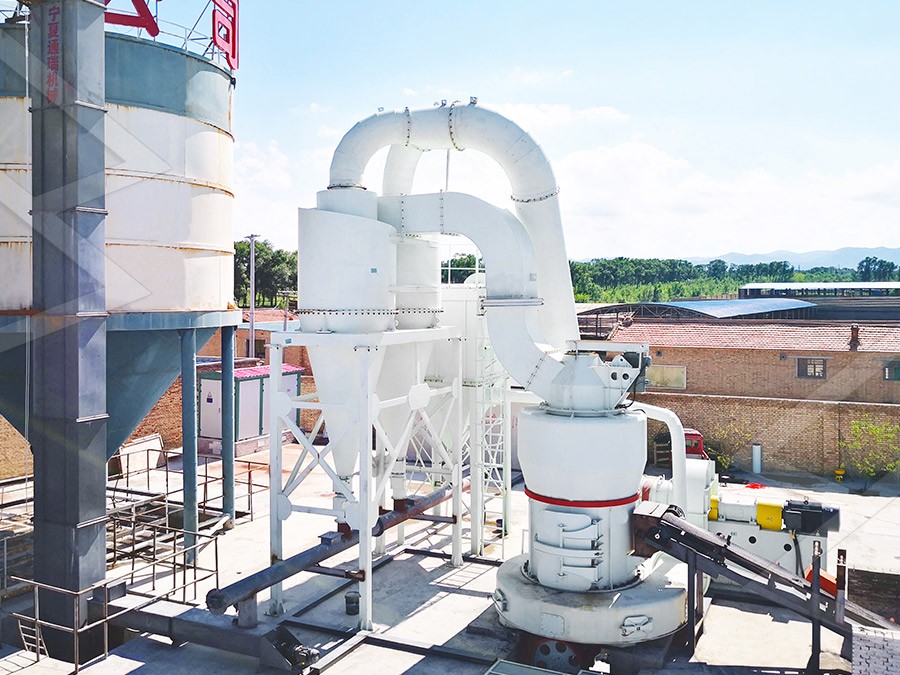
To address these challenges, forward-thinking manufacturers are turning to next-generation grinding mills. These systems are engineered specifically for high-precision, high-efficiency powder production. For Philippine ceramics companies looking to upgrade their clay preparation line, one standout option is the MW Ultrafine Grinding Mill.
This mill is particularly suited for producing the consistent, high-purity clay powders demanded by modern ceramics. Its design directly tackles the pain points of traditional milling:
- Exceptional Purity: A key feature is the absence of rolling bearings and screws within the grinding chamber. This innovative design drastically reduces the risk of iron contamination from mechanical wear, preserving the natural color and quality of the clay. The external lubrication system allows for maintenance without stopping production, ensuring continuous, clean operation.
- Precise Particle Size Control: Equipped with a German-technology, cage-type powder selector, the MW Mill allows precise adjustment of fineness between 325 and 2500 meshes. Ceramics engineers can dial in the exact particle size distribution needed for their specific body formulation, whether for casting slip, pressing powder, or extrudable plastic body.
- Energy Efficiency & High Yield: Its newly designed grinding curves enhance efficiency, offering a production capacity up to 40% higher than some alternative fine grinding mills at the same power level. This translates to lower energy cost per ton of processed clay.
- Eco-Friendly Operation: The integrated efficient pulse dust collector ensures a dust-free workshop, protecting both worker health and product quality. Combined with noise reduction features, the system aligns with increasingly strict environmental and workplace standards.
Integration into the Philippine Ceramics Workflow
Adopting a mill like the MW Ultrafine Grinding Mill fits seamlessly into a typical Philippine clay processing plant. The process often involves: primary crushing of dried raw clay, feeding into the grinding mill (with a typical input size of 0-20 mm, perfectly matching the MW Mill’s specification), classification, and then conveying the fine powder to blending and storage silos. The mill’s capacity range of 0.5 to 25 tph caters to operations of various scales, from specialized pottery workshops to large-scale tile manufacturers. Its compact, integrated design saves valuable floor space—a practical advantage for many production sites.
For operations that also process other ceramic minerals like feldspar, quartz, or dolomite for glaze or body recipes, the mill’s versatility is a major asset. Its ability to handle a wide range of non-metallic minerals makes it a central, multi-purpose piece of equipment in the raw material preparation department.
Another Strong Contender: The LUM Ultrafine Vertical Grinding Mill
For manufacturers seeking ultimate efficiency in a vertical layout, the LUM Ultrafine Vertical Grinding Mill presents a compelling alternative. Integrating grinding, classifying, and conveying, it excels in producing superfine powders. Its unique roller shell and lining plate grinding curve promote stable material layer formation, enabling high rates of finished product in a single pass. This design minimizes over-grinding and reduces iron content, crucial for premium ceramics. The reversible structure with a hydraulic system allows grinding rollers to be easily swung out for maintenance, drastically reducing downtime—a critical factor for continuous production schedules.

Conclusion: Investing in Quality from the Ground Up
The choice of grinding technology is a strategic investment for any ceramics manufacturer in the Philippines. While Raymond mills have their place, the shift towards advanced, ultra-fine grinding solutions like the MW Ultrafine Grinding Mill or the LUM Vertical Mill offers a clear path to enhanced product quality, reduced contamination, lower operating costs, and improved environmental compliance. By ensuring the finest possible start with their raw clay, Philippine ceramics producers can strengthen their market position, meet the most demanding international standards, and create products of exceptional beauty and durability. In an industry where the foundation is everything, the right mill makes all the difference.
Frequently Asked Questions (FAQs)
- What is the main advantage of using an MW Ultrafine Grinding Mill over a traditional ball mill for clay?
The MW Mill significantly reduces iron contamination due to its chamber design without internal rolling bearings/screws. It also offers higher energy efficiency, more precise particle size control, and integrated dust collection, leading to a purer, more consistent clay powder with lower operating costs. - Can these mills handle the varied moisture content of Philippine clay?
The mills are designed for grinding dry materials. Clay typically needs to be dried to a low moisture content (usually below 2-5%) before fine grinding. Some vertical mill models integrate drying functions with hot air, but for standalone grinding, pre-drying is a necessary step. - What particle size (fineness) is needed for different ceramic products?
Requirements vary: Sanitaryware casting slip often needs very fine powder (e.g., 90% below 10 microns). Tile press powder might be coarser (e.g., 99% below 75 microns). The adjustable fineness of the MW Mill (325-2500 mesh) covers this entire spectrum. - How significant are the energy savings with these newer mill designs?
Savings can be substantial. Advanced mills like the MW series can achieve 30-50% lower energy consumption per ton of output compared to some traditional fine grinding systems, due to optimized grinding mechanics and efficient classifiers. - Is the maintenance complex for the MW Mill’s external lubrication system?
No, it’s simplified. The external lubrication allows for checking and adding grease without opening the grinding chamber or stopping the mill, facilitating easier and safer routine maintenance and supporting 24/7 operation. - Are spare parts readily available for these mills in the Philippines?
Reputable manufacturers like LIMING provide global supply chain support and stock critical spare parts. It’s essential to choose a supplier with a strong local or regional service network to ensure worry-free operation and minimal downtime. - Can one mill process both clay and other hard minerals like quartz?
Yes, mills like the MW and LUM are designed for a range of non-metallic minerals. However, wear rates may differ. The grinding elements are made from wear-resistant materials, and the mill’s parameters (pressure, speed) can be adjusted for different material hardness.