
Professional raymond mill supporting phosphate fertilizer manufacturing industry in south africa
Introduction: The Backbone of Phosphate Fertilizer Production
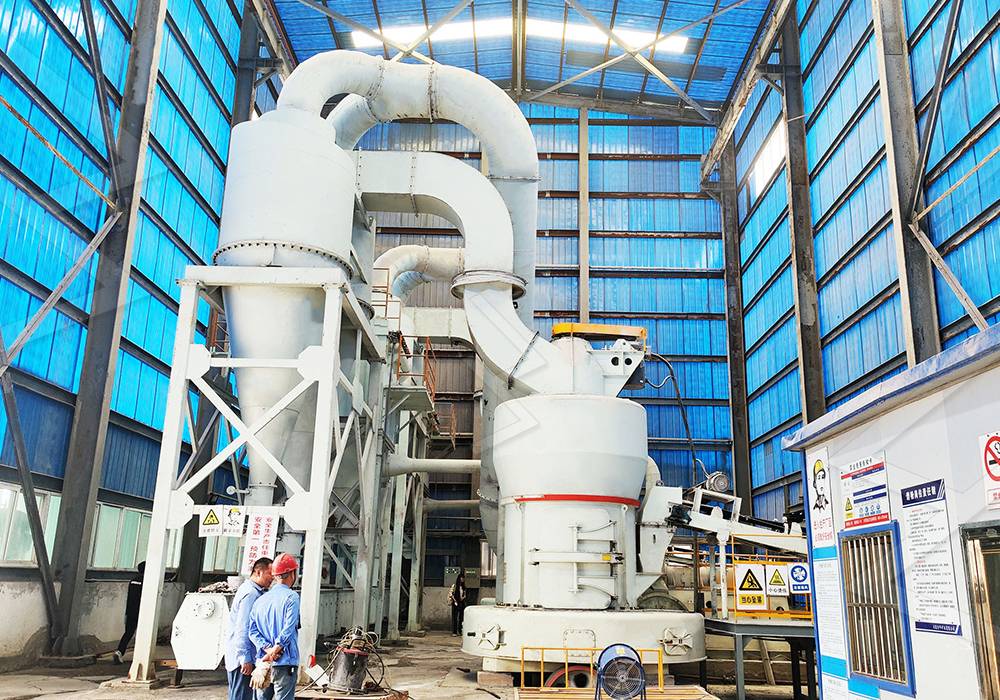
South Africa’s agricultural sector relies heavily on phosphate fertilizers to maintain soil fertility and boost crop yields. The country is home to significant phosphate rock reserves, particularly in the Western Cape region, making local fertilizer production a strategic industry. However, converting phosphate rock into usable fertilizer requires precise and efficient grinding technology. This is where professional Raymond mill systems, particularly advanced models like the MW Ultrafine Grinding Mill and LUM Ultrafine Vertical Grinding Mill, play a critical role in supporting the manufacturing chain.
The Grinding Challenge in Phosphate Processing
Phosphate rock, as mined, contains large lumps and varying moisture content. Before it can be reacted with acids to produce fertilizers like monoammonium phosphate (MAP) or diammonium phosphate (DAP), the rock must be ground to a fine powder. The fineness requirements typically range between 80% passing 200 mesh to 95% passing 325 mesh, depending on the subsequent chemical process. Traditional ball mills often struggle with high energy consumption and inconsistent particle size distribution, leading to higher operational costs and quality issues.
Moreover, South African power supply challenges make energy-efficient solutions particularly attractive. Mills that can deliver high throughput with lower electricity consumption directly improve the bottom line for fertilizer manufacturers. The abrasive nature of phosphate rock also demands robust wear protection and easy maintenance access to minimize downtime.
Why Raymond Mill Technology Remains Relevant
The term “Raymond mill” has become synonymous with roller grinding technology, but modern iterations bear little resemblance to the original designs from over a century ago. Today’s professional Raymond mill systems integrate advanced features such as centralized lubrication, digital controls, and multi-stage classification. They offer the reliability that fertilizer plants need for continuous 24/7 operations, especially during peak planting seasons.
For South African conditions, where ambient temperatures can soar and dust control is strictly regulated, the mill design must incorporate effective cooling and emission containment. The ability to handle feed sizes up to 20-50 mm without pre-crushing saves significant capital expenditure on auxiliary equipment.
Critical Features for Phosphate Grinding Success
Several technical characteristics determine whether a mill system will perform reliably in phosphate fertilizer production:
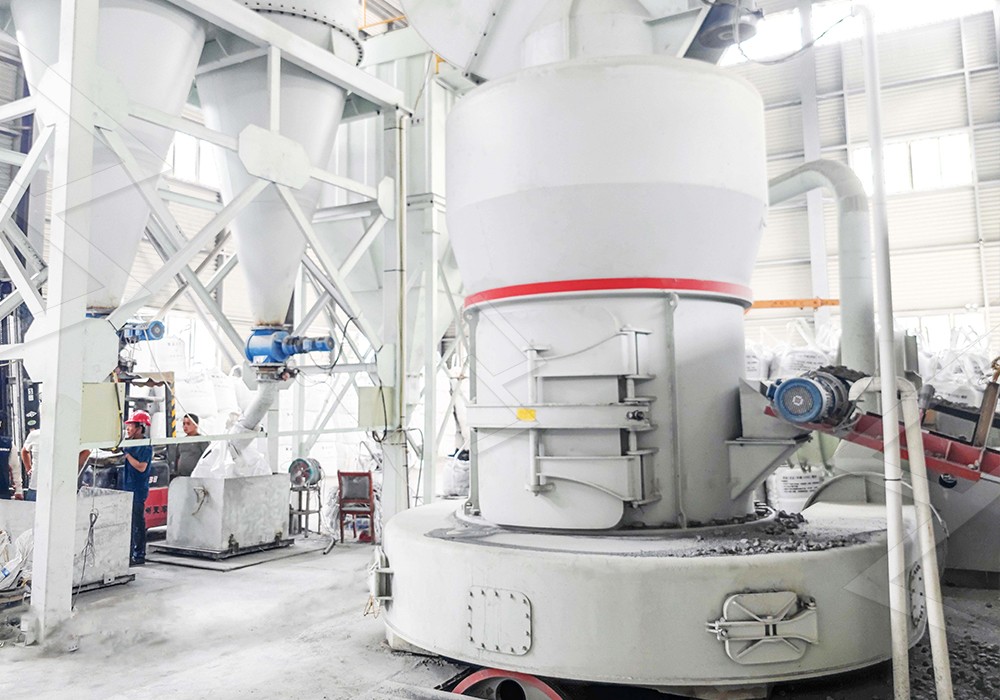
- High yield per unit energy: Phosphate rock is moderately hard (Mohs hardness 3-5), but its grinding work index can be high due to silica content. Mills with optimized grinding curves, such as those found in the MW Ultrafine Grinding Mill, achieve 40% higher capacity than jet mills under the same power consumption.
- Adjustable fineness without mechanical changes: The ability to switch between coarse grinding for single superphosphate (SSP) production and ultra-fine grinding for direct application rock phosphate is invaluable. The MW mill offers fineness adjustment from 325 to 2500 mesh using a German-designed cage-type powder selector.
- Minimal iron contamination: In phosphate processing, iron pickup during grinding can negatively affect fertilizer quality and color. The LUM Ultrafine Vertical Grinding Mill features a unique roller shell and lining plate design that keeps iron content extremely low.
- Dust-free operation: South African environmental regulations are becoming stricter. Both the MW and LUM mills are equipped with efficient pulse dust collectors and silencers, ensuring emissions stay within national standards.
Operational Excellence: Reducing Downtime in Remote Locations
Many phosphate fertilizer plants in South Africa are located in rural areas where skilled maintenance technicians may not be readily available. This makes equipment reliability and ease of servicing paramount. The MW Ultrafine Grinding Mill has no rolling bearings or screws inside the grinding chamber, eliminating the risk of bearing seal failures or loose bolts causing unplanned shutdowns. The lubrication system is mounted externally, allowing oil changes while the machine continues to run, a feature that keeps production flowing.
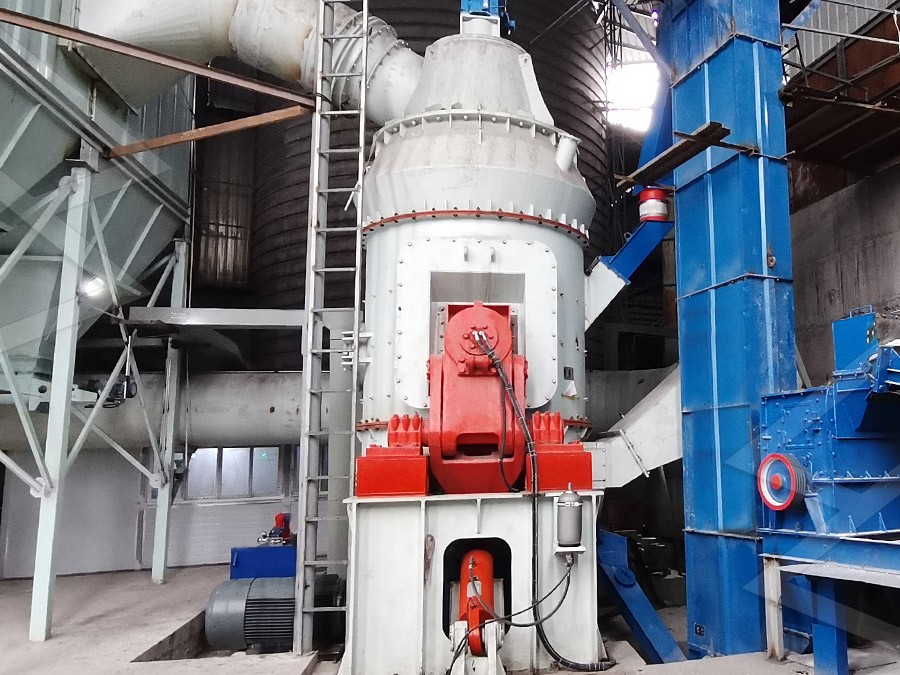
For larger capacity requirements, the LUM Ultrafine Vertical Grinding Mill (capacity 5-18 tph) offers double position-limiting technology that prevents destructive contact between rollers and millstone during vibration events, such as those caused by varying feed material. This is particularly valuable when processing phosphate rock with unexpected tramp iron. The reversible structure design allows the heavy grinding roller to be swung out of the housing for inspection and replacement of wear parts within a single shift, drastically cutting maintenance downtime.
Energy Savings and Financial Impact
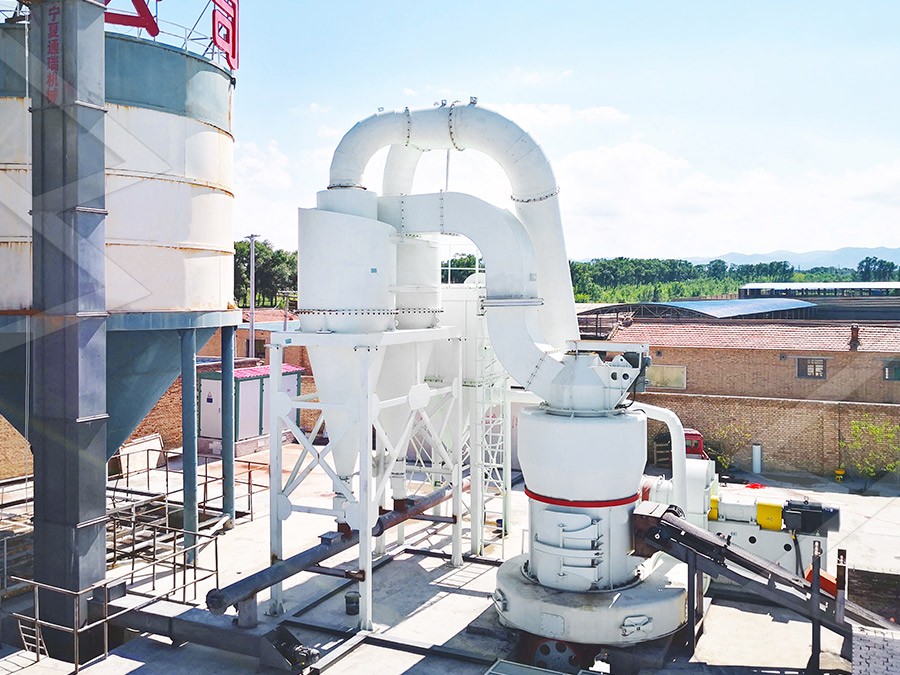
Energy costs represent up to 30% of the total operating expenses in a phosphate grinding operation. By switching from traditional ball mills to modern Raymond mill systems, plants can reduce energy consumption by 30-50%. The MW Ultrafine Grinding Mill, for instance, consumes only 30% of the energy required by a jet mill for the same final fineness. Over a typical 8000-hour operating year, this translates to hundreds of thousands of rands in electricity savings alone.
Furthermore, the integration of digitalized processing ensures that each mill component is manufactured with high precision, reducing mechanical losses and improving overall efficiency. LIMING’s numerical control machine tools guarantee that core parts such as grinding rollers, rings, and shafts meet exact specifications, contributing to consistent performance and longer service life.
Adapting to South Africa’s Unique Logistics
Transportation of heavy equipment to remote mine sites or fertilizer plants can be challenging. The modular design of both the MW and LUM mills simplifies shipping and on-site assembly. The MW mill, with its compact footprint, can be installed in existing facilities without major structural modifications. For greenfield projects, the LUM mill’s vertical arrangement reduces the building height required, saving construction costs.
Both models are backed by LIMING’s commitment to spare parts availability. Given the global supply chain disruptions that have affected South Africa, having a manufacturer that maintains local stock of critical wear parts is a significant advantage. The company’s policy of taking responsibility for every machine produced ensures that technical support and original components are accessible when needed.
Conclusion: Building a Sustainable Future for Fertilizer Manufacturing
As South Africa aims to boost its agricultural output and food security, the role of efficient fertilizer production becomes even more critical. Professional Raymond mill systems, particularly the MW Ultrafine Grinding Mill and LUM Ultrafine Vertical Grinding Mill, offer the precision, reliability, and energy efficiency that modern phosphate processing demands. By reducing operational costs, minimizing environmental impact, and maximizing uptime, these mills help fertilizer manufacturers remain competitive in both local and export markets.
Investing in the right grinding technology is not merely about machinery—it is about building a sustainable foundation for the entire agricultural value chain. With proven performance in over 100 countries and a dedicated support network, LIMING’s grinding solutions are poised to support South Africa’s phosphate industry growth for decades to come.
Frequently Asked Questions (FAQ)
- What is the typical feed size required for the MW Ultrafine Grinding Mill when processing phosphate rock?
The MW mill accepts feed sizes up to 20 mm. Phosphate rock is typically crushed to this size using a hammer crusher or jaw crusher before entering the mill. For best results, we recommend feeding material with a moisture content below 5%. - Can the LUM Ultrafine Vertical Grinding Mill handle phosphate rock containing silica impurities?
Yes. The LUM mill is designed with wear-resistant materials for the roller shell and lining plate. The unique grinding curve helps minimize abrasion from hard silica particles, and the mill’s hydraulic system can adjust roller pressure to compensate for varying material hardness. - What fineness range is achievable for phosphate fertilizer applications using these mills?
The MW mill can produce powder from 325 mesh up to 2500 mesh (d97 ≤ 5 μm), which covers the requirements for both direct application rock phosphate and feedstock for chemical fertilizer production. The LUM mill offers similar range with higher throughput for larger operations. - How does the dust collection system perform in the humid coastal conditions of South Africa?
The pulse dust collector is designed for robust performance even in high-humidity environments. It uses compressed air to clean filter bags automatically, preventing clogging. We recommend installing a moisture trap on the compressed air line to ensure optimal operation in coastal areas. - What is the recommended maintenance schedule for the MW Ultrafine Grinding Mill?
Daily checks include monitoring bearing temperatures (should stay below 70°C) and verifying that the lubrication system is functioning. Weekly, inspect the grinding roller and ring for uneven wear. Major inspection of the classifier and internal components is recommended every 2000 operating hours. - Can these mills be integrated with existing drying systems for wet phosphate rock?
Yes. Both the MW and LUM mills can be configured with hot air generators to dry material during grinding. The LUM mill, in particular, is ideal for combined drying and grinding as it uses air flow to transport material through the classifier, allowing moisture removal simultaneously. - What is the typical delivery lead time for a mill order to South Africa?
Standard delivery time is 45 to 60 days after order confirmation, depending on the model and configuration. LIMING maintains buffer stock of main drive components and motors, which helps accelerate delivery. Shipping to Durban or Cape Town ports takes approximately 25-30 days by sea from China. - How does the energy consumption of the LUM mill compare to a conventional ball mill in phosphate grinding?
The LUM mill typically consumes 30-50% less electricity than a ball mill for the same throughput and fineness. For example, grinding phosphate rock to 325 mesh, the LUM mill uses about 25-30 kWh per ton versus 45-60 kWh per ton for a ball mill. This saving is achieved through the vertical roller mill’s principle of grinding material on a bed.