
Industrial pulverizer price & cost analysis for slag for metal recovery in iran
Introduction: The Landscape of Slag Processing in Iran
Iran’s industrial sector, particularly its steel and metallurgy industries, generates significant quantities of slag. This by-product, once considered waste, is now a valuable resource for metal recovery. Recovering metals like iron, copper, and zinc from slag not only provides a secondary revenue stream but also reduces environmental liabilities. However, the efficiency and profitability of such recovery operations hinge on one critical factor: the choice of industrial pulverizer. The cost of the pulverizer, its operational expenses, and its ability to produce the right particle size for effective mineral liberation directly impact the bottom line. This article provides a detailed price and cost analysis for slag pulverizers in the Iranian market, focusing on the specific needs of metal recovery operations.
We will explore the various types of mills suitable for slag, break down the capital and operational costs, and discuss how modern technology, such as the MW Ultrafine Grinding Mill and the LUM Ultrafine Vertical Grinding Mill, offers a superior return on investment compared to traditional equipment. The goal is to provide Iranian plant managers and investors with a clear, data-driven understanding of what to expect when budgeting for a slag grinding system.
Why Particle Size Matters for Metal Recovery
Before diving into costs, it’s essential to understand the technical driver behind pulverizer selection: liberation. Metals trapped within the slag matrix must be physically separated. This is typically achieved through crushing and grinding, followed by magnetic separation, flotation, or gravity methods. The finer the slag is ground, the more complete the liberation of metallic particles. However, over-grinding wastes energy and reduces throughput. The sweet spot for many slag types, especially steel slag, is a product fineness between 100 and 400 mesh (150 to 38 microns). For more complex recovery, ultra-fine grinding down to 800-1250 mesh (15-10 microns) may be required.
Traditional ball mills, while widely used, often fall short in this application. They consume massive amounts of power, produce high noise levels, and result in significant iron contamination from the grinding media itself. This contamination can degrade the quality of the recovered metal. This is where advanced pulverizer designs offer a clear advantage.
Capital Expenditure (CAPEX) Analysis for Slag Mills in Iran
The initial purchase price of an industrial pulverizer varies wildly based on technology, capacity, and build quality. Here is a breakdown of typical price ranges in the Iranian market (in USD equivalent, subject to exchange rates and import duties):
- Traditional Ball Mills (3-50 tph): These are the cheapest upfront, ranging from $80,000 to $500,000. However, they require significant civil works, heavy foundations, and often a separate classification system.
- Raymond Mills & Trapezium Mills (3-55 tph): Moderate initial investment, typically $120,000 to $600,000. They offer better energy efficiency than ball mills but have higher wear part costs on the shovel and roller systems.
- LM Vertical Grinding Mills (3-340 tph): High upfront cost, ranging from $250,000 to over $2,000,000 for large units. The price is justified by integrated drying, grinding, and classifying, as well as lower operational costs.
- MW Ultrafine Grinding Mill (0.5-25 tph): A premium solution for fine and ultra-fine grinding. Prices range from $150,000 to $800,000. This mill is designed for high-value metal recovery where fine liberation is critical.
- LUM Ultrafine Vertical Grinding Mill (5-18 tph): A high-end vertical mill for ultra-fine applications. Costs typically range from $200,000 to $900,000. It combines the stability of a vertical mill with ultra-fine classification.
For an Iranian operation looking at slag with a significant copper or zinc content, investing in a mill capable of achieving d97 < 10 microns can increase metal recovery rates by 5-15%. This often pays back the higher CAPEX within 12-18 months.
Operational Expenditure (OPEX): The Real Cost Driver
The sticker price is just the start. The true cost of a slag pulverizer lies in its daily operation. Let’s break down the key OPEX components:
1. Energy Consumption
Energy is a major cost in Iran, despite subsidized rates for some industries. Traditional ball mills consume 25-35 kWh per ton of slag ground to a fineness of 200 mesh. In contrast, the MW Ultrafine Grinding Mill boasts system energy consumption that is only 30% of a jet mill and significantly less than a ball mill for the same fineness. With the MW series, operators can expect energy consumption as low as 15-20 kWh per ton for fine grinding. This 30-50% reduction in power consumption translates directly to lower electricity bills.
2. Wear Parts & Maintenance
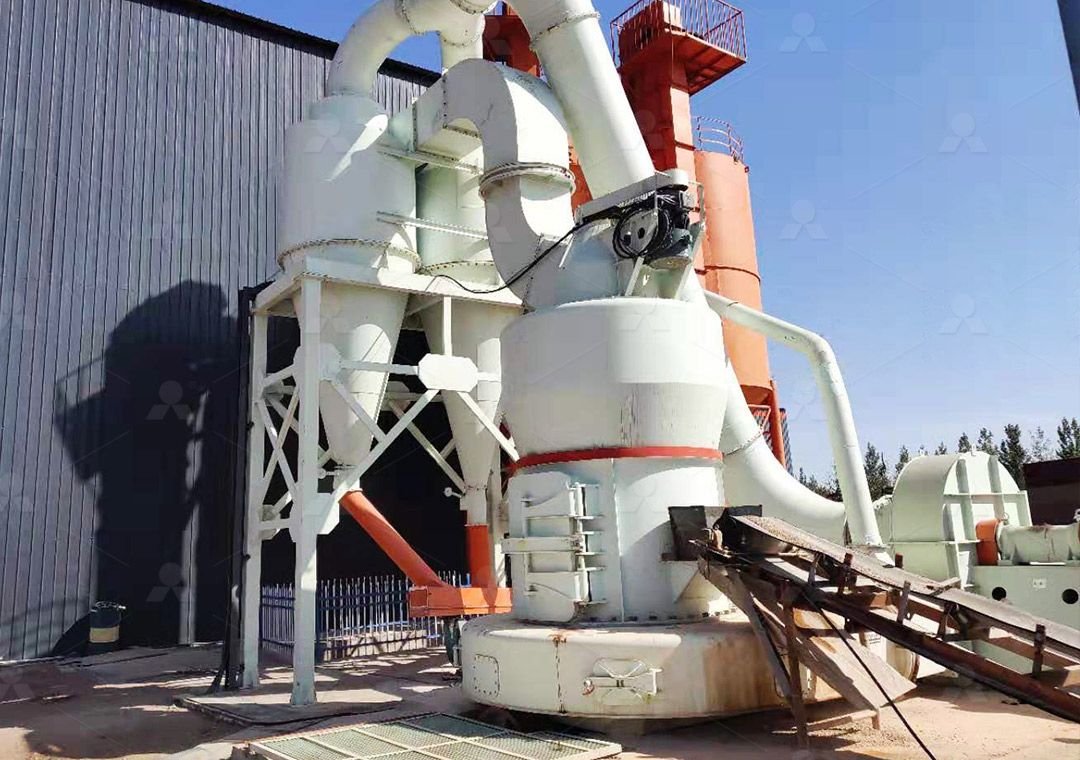
Slag is highly abrasive due to its silicate and iron oxide content. Ball mills suffer from high wear on liners and grinding media. The cost of replacing steel balls and liners can be substantial. The LUM Ultrafine Vertical Grinding Mill addresses this with a unique reversible structure. The roller shell and liner plate can be turned over and reused, doubling their service life. Furthermore, the LM and LUM series feature a design where the grinding roller and table do not come into direct contact. This eliminates the destructive metal-on-metal impact common in other mills, drastically reducing mechanical failures and spare parts costs. For the MW mill, the absence of rolling bearings and screws inside the grinding chamber eliminates the risk of bearing failure or loose screw damage, a common headache with traditional mills.
3. Drying Costs
Slag, especially water-granulated blast furnace slag (GBFS), often contains moisture. If you are grinding slag for cementitious applications or pre-recovery drying, the drying costs can be significant. The LM Vertical Grinding Mill integrates drying inside the mill, using hot gases from the system. This eliminates the need for a separate rotary dryer, saving on both CAPEX and thermal energy costs.
Cost-Per-Ton Analysis: A Case Study
Let’s model a typical scenario for a medium-sized slag processing plant in Isfahan or Mobarakeh. Processing 10 tons per hour of steel slag, targeting a fineness of 200 mesh (74 microns) for magnetic separation.
| Cost Component | Traditional Ball Mill | MW Ultrafine Grinding Mill | LUM Ultrafine Vertical Mill |
|---|---|---|---|
| Equipment Cost (Estimated) | $250,000 | $450,000 | $500,000 |
| Power Consumption (kWh/t) | 30 | 18 | 16 |
| Annual Power Cost @ $0.05/kWh | $108,000 | $64,800 | $57,600 |
| Wear Parts Cost (Annual) | $40,000 | $25,000 | $20,000 |
| Total Annual OPEX (8,000 hrs) | $148,000 | $89,800 | $77,600 |
| Cost per Ton | $1.85 | $1.12 | $0.97 |
Note: Power cost based on 6000 hours of operation per year. This analysis clearly shows that while the initial investment for the MW and LUM mills is higher, the cost-per-ton processed is significantly lower. Over a five-year period, the savings in energy and wear parts more than compensate for the higher purchase price.
Maximizing Recovery with Ultrafine Grinding
For operations focused on recovering high-value metals like tungsten, molybdenum, or precious metals from slag, ultra-fine grinding is non-negotiable. The MW Ultrafine Grinding Mill is a game-changer here. Its cage-type powder selector, based on German technology, allows for precise adjustment of fineness between 325 and 2500 mesh. This ensures that the mill can produce a product with a screening rate of d97 ≤ 5 μm. This level of fineness drastically improves the liberation of fine metallic inclusions, allowing downstream processes like froth flotation to achieve much higher recovery rates.
Environmental and Operational Advantages in the Iranian Context
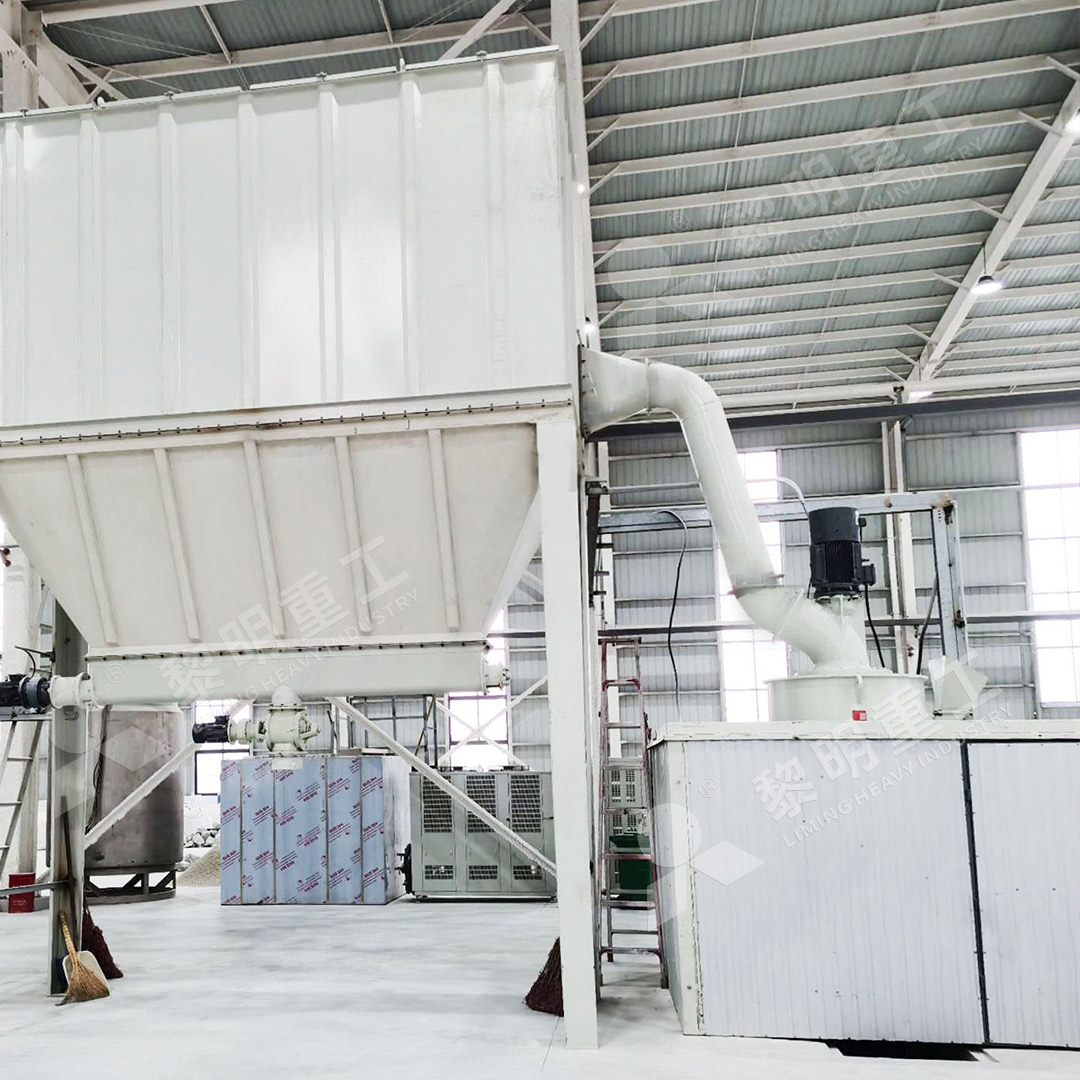
Iranian regulations on industrial emissions are becoming stricter. The MW Ultrafine Grinding Mill and LUM Ultrafine Vertical Grinding Mill are built with environmental compliance in mind. They are equipped with efficient pulse dust collectors, ensuring zero dust pollution. The muffler and noise elimination room reduce noise pollution significantly. This is critical for plants located near residential areas in cities like Tehran, Karaj, or Arak. Furthermore, the high degree of automation in these mills, including PLC control systems, allows for remote operation and reduces the need for large onsite teams, further lowering labor costs. The digitalized processing of core parts ensures high precision, meaning replacement parts fit perfectly and the machine operates as intended from day one.
Conclusion: Making the Smart Investment
For slag metal recovery in Iran, the price of the pulverizer is only one piece of the puzzle. A thorough cost analysis must include CAPEX, OPEX (energy, wear parts, maintenance), and the potential revenue from increased metal recovery. While cheaper traditional mills like ball mills may seem attractive initially, their high operating costs and lower efficiency make them a poor long-term investment for most slag applications. The MW Ultrafine Grinding Mill and the LUM Ultrafine Vertical Grinding Mill from LIMING represent the optimal balance of performance, cost, and reliability. They offer a lower cost-per-ton, superior particle size control for maximum metal liberation, reduced downtime through smart design features like reversible roller structures and external lubrication, and full compliance with environmental standards.
For any Iranian industrial operation looking to turn slag from a cost center into a profit center, investing in a modern, efficient pulverizer is not an expense—it is the foundation of a successful metal recovery business.
Frequently Asked Questions (FAQs)
- Q: What is the feed size requirement for your mills when processing slag?
A: It depends on the model. For the MW Ultrafine Grinding Mill, the input size is 0-20 mm. For the LUM Ultrafine Vertical Grinding Mill, it is 0-10 mm. The LM Vertical Grinding Mill can handle material up to 70 mm. A primary crusher (e.g., jaw crusher) is usually needed to reduce slag to these sizes before feeding the mill. - Q: How does the moisture content of slag affect the grinding process?
A: High moisture can cause material buildup and reduce grinding efficiency. For moist slag, the LM Vertical Grinding Mill is an excellent choice because it integrates hot air drying within the grinding chamber. For the MW and LUM mills, it is recommended that the material moisture be below 6% for optimal performance. - Q: What is the specific energy consumption for grinding steel slag to 200 mesh using your equipment?
A: For the MW Ultrafine Grinding Mill, the system energy consumption is typically 15-20 kWh per ton for slag ground to 200 mesh. This is significantly lower than a traditional ball mill which may consume 30-35 kWh per ton for the same task. - Q: How often do I need to replace wear parts like grinding rollers and rings?
A: The lifespan depends on the abrasiveness of the slag (e.g., steel slag is more abrasive than blast furnace slag). However, the wear-resistant alloy used in our mills extends service life 1.7-2.5 times longer than high-manganese steel. For a typical 8-hour daily operation, you might expect to inspect or replace rollers/rings every 6-12 months. - Q: Can you provide after-sales service and spare parts in Iran?
A: Yes. LIMING has a global support network. We can provide technical services and original spare parts to ensure your operation runs smoothly. The digitalized manufacturing of our parts ensures precision fit and worry-free operation. - Q: Is it possible to adjust the fineness of the powder, for example, to switch between 200 mesh and 800 mesh?
A: Absolutely. The fineness is adjustable. For the MW Ultrafine Grinding Mill, you can adjust between 325-2500 meshes. For the LUM Vertical Mill, fineness is controlled by the rotating speed of the classifier rotor. This allows you to optimize the product for different metal recovery stages. - Q: What is the noise level of these mills compared to a ball mill?
A: Our mills are significantly quieter. The MW Ultrafine Grinding Mill is equipped with a muffler and noise elimination room. The LUM and LM Vertical Mills have a stable, low-vibration operation. Overall, noise levels are typically 75-85 dB(A), compared to 95-105 dB(A) for a ball mill, creating a much better working environment. - Q: Which mill do you recommend for a small startup slag recovery plant in Ahvaz with a budget of $150,000?
A: For a smaller operation (0.5-5 tph), the MW Ultrafine Grinding Mill is an excellent choice. It offers high yield for its size, low energy consumption, and the ability to produce ultra-fine powder, allowing you to target higher-value metals. It fits within a reasonable budget and offers a fast payback period thanks to its efficiency.