
Industrial pulverizer price & cost analysis for gypsum for food additive in australia
Understanding the Australian Market for Gypsum-Based Food Additives
The demand for high-purity gypsum powder in the Australian food processing industry has grown steadily over the past decade. Used primarily as a calcium source, firming agent, and dough conditioner, food-grade gypsum must meet strict regulatory standards set by Food Standards Australia New Zealand (FSANZ). Producers in this space face a unique challenge: balancing production costs while achieving the ultra-fine particle size and purity levels required for human consumption. This article offers a practical breakdown of industrial pulverizer pricing, operational costs, and equipment considerations for gypsum grinding in the Australian context.
Key Cost Drivers in Gypsum Pulverization
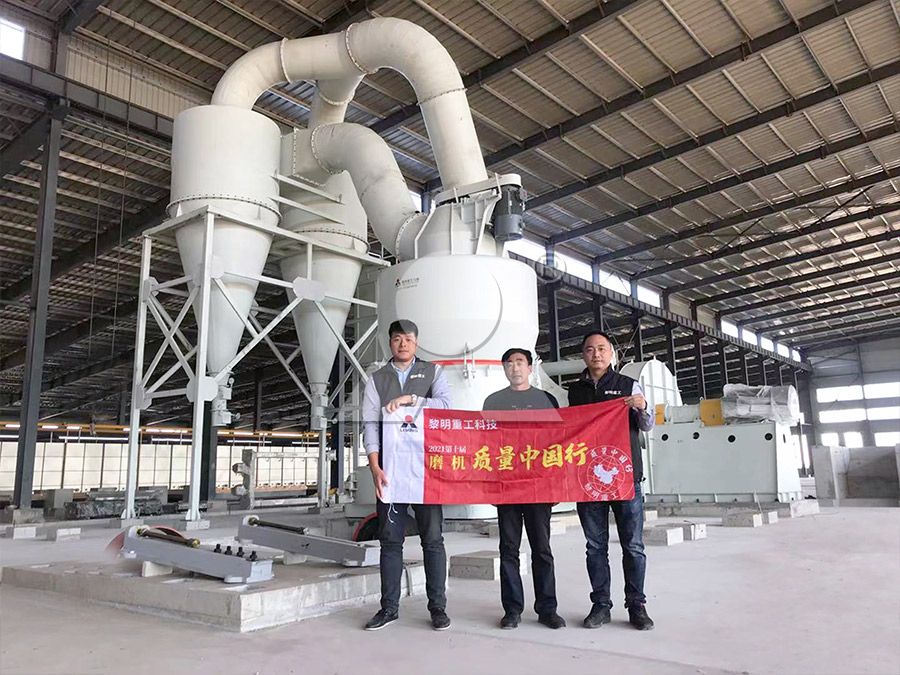
When analyzing the economics of grinding gypsum for food additives, four major factors come into play: energy consumption, equipment maintenance, raw material preprocessing, and compliance with food safety standards. Australian operations, especially those in remote mining or agricultural regions, face additional logistical costs for power and spare parts delivery. The capital expenditure for a mid-range industrial pulverizer typically ranges from AUD 80,000 to AUD 350,000 depending on throughput capacity and the level of automation. However, the real cost savings emerge over time through lower energy bills and reduced downtime.
Energy Efficiency: The Silent Profit Killer
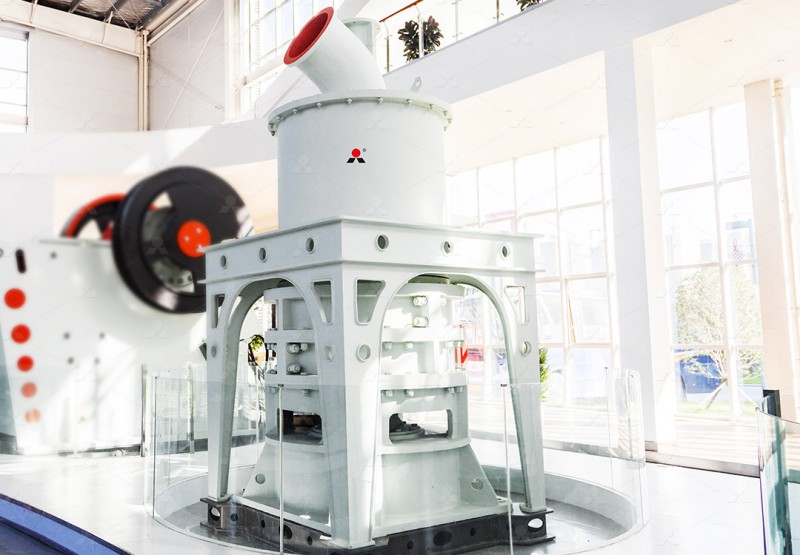
Traditional ball mills consume roughly 40-50 kWh per ton when grinding gypsum to 325 mesh. In contrast, modern vertical roller mills and ultrafine grinding mills reduce that figure by 30% to 50%. For a facility processing 10 tons per day, that translates to annual savings of AUD 15,000 to AUD 25,000 in electricity costs alone. Our MW Ultrafine Grinding Mill, for instance, achieves a system energy consumption of only 30% compared to jet grinding mills while delivering 40% higher capacity at the same fineness level. The machine accepts input sizes up to 20 mm and outputs between 0.5 and 25 tph, making it highly suitable for small to medium gypsum milling operations in Australia.
Maintenance and Wear Part Costs
One hidden cost in gypsum grinding is the wear and tear on grinding rollers and rings. Gypsum, though relatively soft at 2 on the Mohs scale, contains abrasive impurities that accelerate erosion. Traditional mills with rolling bearings and screws inside the grinding chamber require frequent oil changes and bearing replacements. The MW Ultrafine Grinding Mill eliminates this headache entirely. There are no rolling bearings or screws inside the chamber, and the lubricating device mounts externally, allowing maintenance without shutting down the system. This design alone can reduce annual maintenance costs by 20% to 35% for a typical Australian gypsum plant. Spare parts availability is also critical. We maintain a sufficient stock of original components in our warehouses, ensuring that replacement roller shells and ring liners ship within 48 hours to most Australian locations.
Particle Size and Purity Requirements for Food Additives
Food additive applications demand a particle size distribution typically between 325 mesh (44 microns) and 2500 mesh (5 microns). Achieving this consistently requires precise powder selection technology. The MW Ultrafine Grinding Mill uses a German-engineered cage-type powder selector, enabling a screening rate of d97 ≤ 5μm in a single pass. This eliminates the need for secondary classification equipment, which can add AUD 20,000 to AUD 50,000 to the initial setup cost. Moreover, because the grinding chamber operates without direct metal-to-metal contact (the rollers and ring do not touch), the iron content in the final powder remains extremely low, preserving the whiteness and purity that food manufacturers demand.
Environmental Compliance and Dust Control
Australian environmental regulations, particularly in states like Queensland and New South Wales, impose strict limits on airborne particulate emissions. A standard pulverizer without proper dust collection can generate fine gypsum dust that violates workplace safety and environmental standards. The MW Ultrafine Grinding Mill comes equipped with an efficient pulse dust collector that captures 99.9% of airborne particles. The system also includes a silencer and noise elimination room, keeping operational noise below 85 decibels. For operations near residential zones, this compliance translates into avoiding fines that can reach AUD 100,000 per violation. The entire production line meets national environmental protection standards.
Total Cost of Ownership Comparison
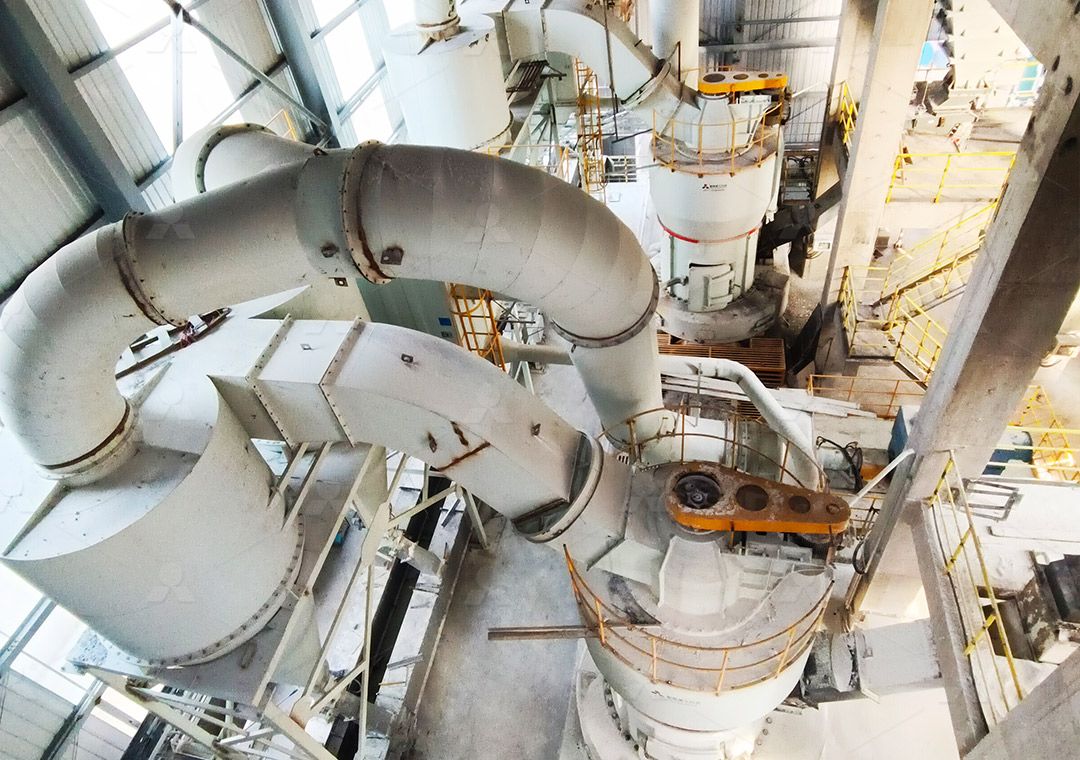
Let us look at a concrete example. A mid-tier gypsum processing plant in Victoria running 16 hours per day, six days per week, processing 12 tons per day to 600 mesh. Using a conventional ball mill, the annual operating costs break down approximately as follows: electricity AUD 42,000, maintenance and spare parts AUD 18,000, labor AUD 35,000, and dust control upgrades AUD 8,000. Total: AUD 103,000 per year. With the MW Ultrafine Grinding Mill, those figures shift to electricity AUD 14,500, maintenance AUD 9,000, labor AUD 28,000 (due to automation), and dust control AUD 1,500. Total: AUD 53,000 per year. The initial purchase premium of roughly AUD 30,000 pays back within the first year of operation.
Why Choose LIMING for Your Gypsum Grinding Line
LIMING has provided grinding equipment to the Australian market for over two decades. Our machines come with full technical support, including on-site commissioning and operator training. For gypsum food additive applications, we strongly recommend the MW Ultrafine Grinding Mill for its combination of high yield, low energy use, and excellent dust control. For larger installations with throughputs above 18 tph, the LUM Ultrafine Vertical Grinding Mill offers an alternative with its double position-limiting technology and reversible maintenance structure. Both models feature digitalized processing with numerical control for precision manufacturing of core parts. Whether you need a single mill or a complete turnkey system, our team can design a solution tailored to your site conditions and budget.
Frequently Asked Questions
1. What is the typical price range for an industrial gypsum pulverizer in Australia?
Prices vary widely based on capacity and features, but a new MW Ultrafine Grinding Mill suitable for food-grade gypsum typically ranges from AUD 80,000 to AUD 250,000. Used equipment can be found for 30-50% less but may lack modern dust control and energy efficiency features.
2. Can the MW Ultrafine Grinding Mill produce powder to 2500 mesh consistently?
Yes. With the German cage-type powder selector, the mill achieves d97 ≤ 5μm in a single pass. The fineness is adjustable between 325 and 2500 meshes by simply modifying the rotor speed and air flow.
3. What maintenance does the MW mill require compared to a traditional ball mill?
Much less. There are no bearings or screws inside the grinding chamber, so the main maintenance tasks are external lubrication every 500 hours and roller shell inspection every 2000 hours. A ball mill requires weekly bearing greasing and monthly liner bolt checks.
4. Is the equipment compliant with Australian food safety standards?
Absolutely. The grinding chamber is free of lubricants, and the pulse dust collector prevents cross-contamination. The low iron content from the non-contact grinding design ensures the powder meets FSANZ purity requirements for calcium sulfate.
5. How long does delivery take for a mill ordered from LIMING to Australia?
Standard manufacturing lead time is 45 to 60 days. Shipping from our port to major Australian ports (Sydney, Melbourne, Brisbane) takes an additional 20 to 30 days. We offer expedited shipping for urgent orders at an additional cost.
6. Can the mill handle input material with moisture content above 5%?
For gypsum, we recommend feeding material with less than 5% moisture. If your raw gypsum contains higher moisture, you may need a drying system upstream. The mill itself can handle limited drying if hot air is introduced through the air inlet.
7. What is the warranty period for LIMING grinding mills?
We offer a standard 12-month warranty covering manufacturing defects. Extended warranties are available for an additional fee. Spare parts are guaranteed for availability for at least 10 years after the machine purchase.
8. Do you provide installation services in Australia?
Yes. We have authorized service partners in Australia who can handle installation, commissioning, and training. For larger projects, our engineers can travel on-site for supervision.
9. What is the noise level of the MW Ultrafine Grinding Mill during operation?
With the standard muffler and noise enclosure, the mill operates at approximately 80-85 decibels at a distance of one meter. This is well within Australian workplace noise regulations.
10. Can the same mill be used for other minerals besides gypsum?
Certainly. The MW Ultrafine Grinding Mill handles limestone, calcite, barite, marble, talc, dolomite, and many other non-metallic minerals. This versatility allows you to diversify your product line without additional equipment investment.