
Industrial pulverizer for coal for activated carbon in thailand
Introduction
Thailand’s industrial landscape, particularly in sectors like water treatment, food processing, and air purification, has seen a steady rise in demand for high-quality activated carbon. A critical step in the production of activated carbon is the precise grinding of coal—the primary raw material. The quality and consistency of the coal powder directly influence the final product’s surface area and adsorption efficiency. Selecting the right industrial pulverizer is not just about reducing particle size; it’s about achieving specific fineness, maintaining low energy consumption, and ensuring operational longevity in a challenging environment. This article explores the nuances of pulverizing coal for activated carbon production in Thailand and presents cutting-edge solutions designed to meet these rigorous demands.
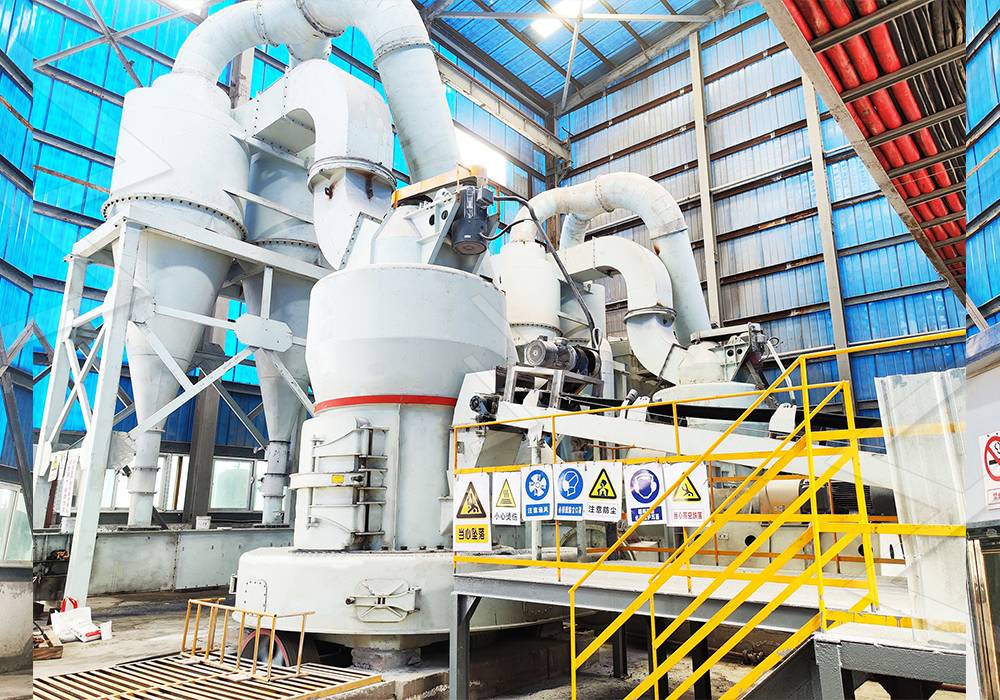
The Challenge: From Raw Coal to High-Performance Activated Carbon
Raw coal, in its natural state, is a heterogeneous material containing impurities and varying moisture levels. For it to be effectively activated—whether through physical steam activation or chemical activation—it must first be ground into a fine, uniform powder. The typical target fineness for coal used in activated carbon production ranges from 325 mesh (44 microns) to as fine as 2500 mesh (5 microns). This requires pulverization equipment that can deliver consistent results without excessive wear and tear. Furthermore, Thai manufacturers are increasingly concerned with environmental compliance; dust and noise pollution are major hurdles. A modern pulverizer must be powerful yet eco-friendly, aligning with Thailand’s green industry initiatives.
Why Precision Grinding Matters for Activated Carbon
The pore structure of activated carbon, which dictates its adsorptive capacity, is developed during the activation process. However, the initial particle size of the coal powder defines the foundation of this structure. Inconsistent particle sizes lead to uneven activation, resulting in a product with variable quality. For applications like gold recovery or high-grade water filtration, this inconsistency is unacceptable. The ideal coal pulverizer ensures a narrow particle size distribution, meaning the deviation between the largest and smallest particles is minimal. This uniformity allows for predictable activation times and consistent product specifications.
Technology Spotlight: The MW Ultrafine Grinding Mill
For Thai producers seeking a balance between ultra-fine output and manageable operational costs, the MW Ultrafine Grinding Mill from LIMING stands out. This machine is specifically engineered for clients who need to make ultra-fine powder. Its design philosophy centers on high yield, low energy consumption, and environmental stewardship.
The mill’s innovative grinding curves on its rollers and rings increase grinding efficiency significantly. For the same power input, its production capacity is reported to be 40% higher than that of jet mills and stirred mills, and double that of traditional ball mills. This translates to a lower cost per ton for the Thai manufacturer. The product fineness is adjustable between 325 and 2500 mesh, utilizing German-derived cage-type powder selector technology, which is critical for the precise demands of activated carbon production.
Another crucial feature for the coal industry is the elimination of rolling bearings and screws inside the grinding chamber. In a coal dust environment, bearing failure is a common cause of downtime. By removing these components and housing the lubrication system externally, operators can run the mill continuously for 24 hours without shutdown for maintenance. The integrated pulse dust collector and muffler ensure that the plant meets stringent Thai environmental standards, making it a future-proof investment.
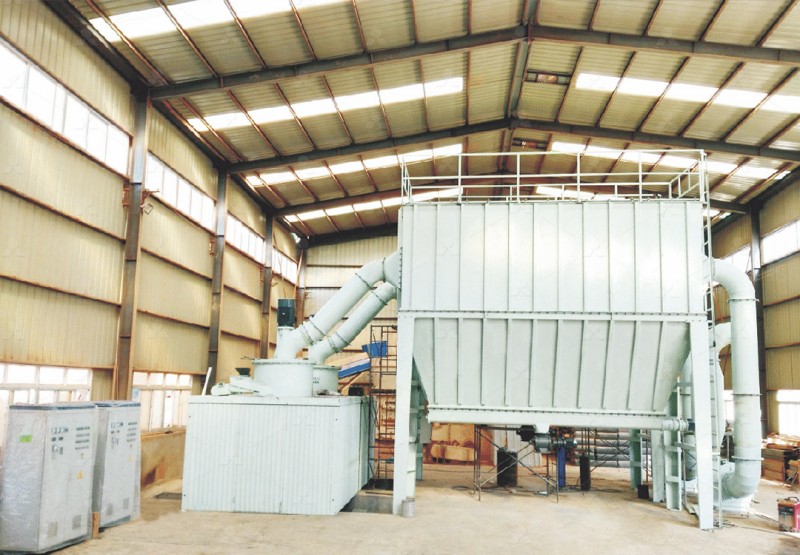
Technology Spotlight: The LUM Ultrafine Vertical Grinding Mill
When the requirement shifts to even higher capacity and fully automated operation, the LUM Ultrafine Vertical Grinding Mill offers a compelling alternative. This mill integrates ultrafine grinding, grading, and transporting into a single, compact system. It leverages Taiwan’s advanced roller technology and German powder separation technology to achieve high throughput rates—ranging from 5 to 18 tons per hour (TPH)—with an input size of up to 10 mm.
One of the most critical features for the activated carbon industry is the reduction of iron content in the final product. Traditional mills can introduce metallic contamination during grinding, which compromises the purity of the carbon. The LUM mill is designed to minimize this. The unique roller shell and lining plate curves facilitate material bed formation, allowing for high one-time pass-through rates, which reduces material re-grinding and mechanical wear. The result is a cleaner, whiter, and more chemically pure coal powder, which is essential for high-grade activated carbon.
The mill’s double position-limiting technology (electronic and mechanical) prevents the destructive impact of roller-to-millstone contact, ensuring stable operation even when dealing with harder coal varieties. For busy Thai factories where maintenance time is a cost center, the reversible swing-out structure allows operators to quickly move the heavy grinding roller out of the body for inspection or replacement of wear parts, drastically reducing downtime.
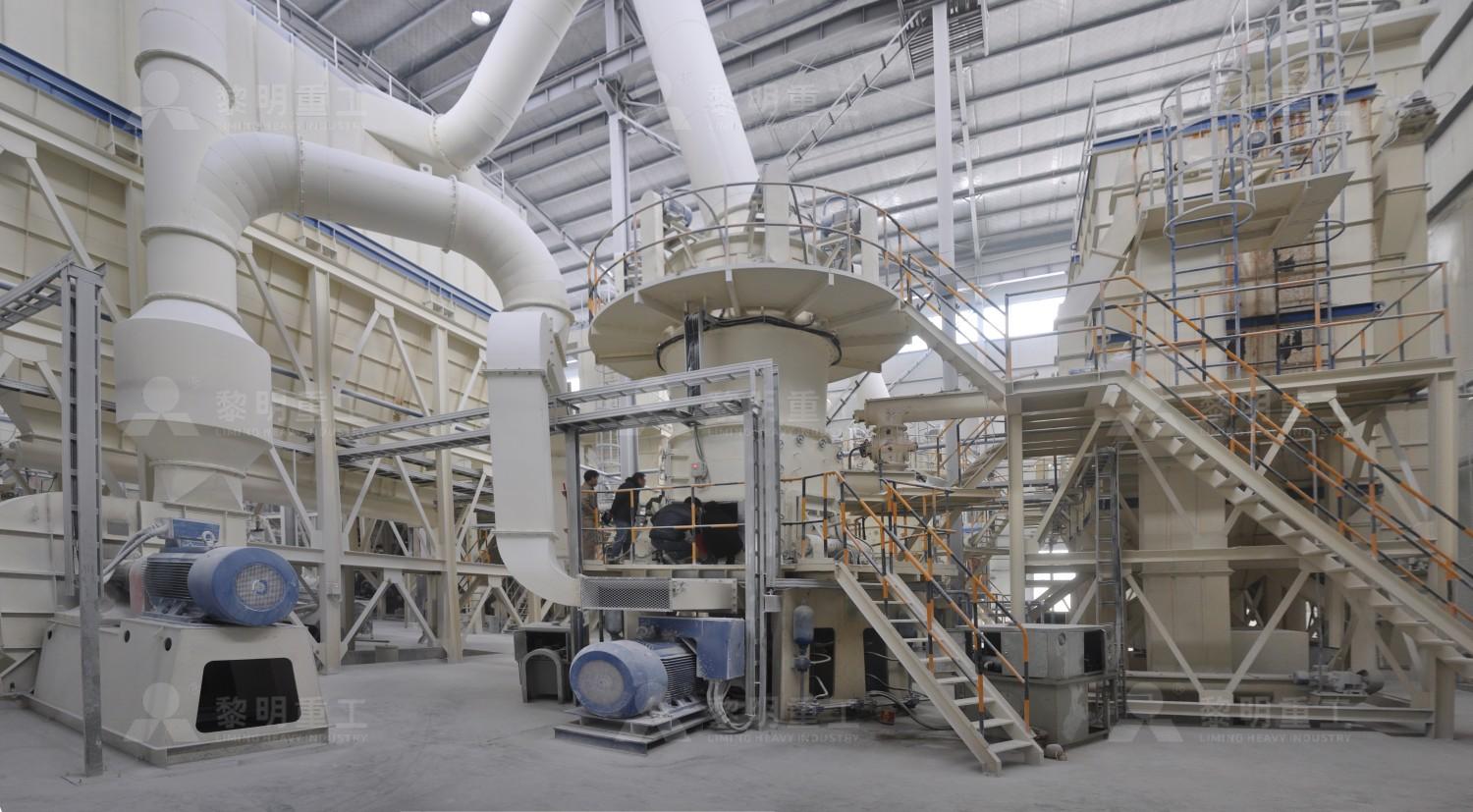
Practical Considerations for Thai Operators
Choosing between the MW and LUM mills often comes down to scale and raw material. For smaller operations or those requiring extreme fineness (e.g., d97≤5μm for specialty carbons), the MW mill is highly effective. Its ability to handle a 0-20 mm input size and its robust dust removal system make it ideal for modernizing an existing plant. For larger-scale operations that demand higher throughput (e.g., 10-18 TPH) and prioritize automated control to reduce labor costs, the LUM mill is the superior choice. Both mills benefit from LIMING’s robust supply chain, ensuring that spare parts are readily available for Thai customers, which is a major concern when dealing with specialized European or Asian machinery.
The Environmental and Economic Edge
Both the MW Ultrafine Grinding Mill and the LUM Ultrafine Vertical Grinding Mill are designed with digitalized processing for high precision. The machines operate under negative pressure and are sealed to prevent dust spillage. This not only protects the health of workers but also avoids material loss, which directly improves the bottom line. In the context of Thailand’s Board of Investment (BOI) incentives for environmentally friendly manufacturing, investing in such technology can also offer tax benefits and easier permitting.
Furthermore, the ability to adjust fineness on the fly gives producers flexibility. A single mill can be configured to produce powder for low-end industrial absorbents one day and high-margin medical-grade carbon the next, simply by adjusting the powder concentrator speed and grinding pressure. This versatility is a powerful economic tool in the competitive Thai market.

Conclusion
For Thai industries producing activated carbon, the evolution of pulverization technology is a game-changer. The days of high energy bills, excessive noise, and inconsistent powder quality are fading. With advanced solutions like the MW Ultrafine Grinding Mill and the LUM Ultrafine Vertical Grinding Mill, manufacturers can now achieve the high yield, ultra-fine fineness, and low operational costs required to compete globally. By embracing equipment that prioritizes automation, environmental compliance, and wear-resistance, Thai producers can ensure their coal preparation process is not just a cost center, but a strategic advantage.
Frequently Asked Questions (FAQ)
- Q: What is the typical fineness requirement for coal used in activated carbon production?
A: The fineness usually ranges from 325 mesh (44 microns) to 2500 mesh (5 microns). The specific requirement depends on the activation process and the final application of the carbon, such as water treatment or gas phase adsorption. - Q: How does the moisture content of Thai coal affect the grinding process?
A: High moisture content can lead to clogging in mills. Our equipment, particularly the LUM mill, can handle certain levels of moisture and can be configured with hot air systems for drying and grinding simultaneously, ensuring consistent operation. - Q: Which model is more energy-efficient for a medium-capacity plant in Thailand?
A: For capacities around 5-10 TPH with a focus on ultra-fine powder (above 800 mesh), the MW Ultrafine Grinding Mill is very energy-efficient, consuming only about 30% of the energy of a jet mill. The LUM mill offers better energy savings (30-50% vs. traditional mills) for higher capacities. - Q: How long do the grinding rollers and rings last when processing coal?
A: Wear life depends on the hardness of the coal (e.g., its abrasion index) and the target fineness. However, due to the wear-resistant alloys and advanced grinding curves used, the service life is typically 1.5 to 2.5 times longer than conventional high-manganese steel parts, reducing replacement frequency. - Q: Is it very noisy to operate these pulverizers?
A: No. Both the MW and LUM mills are equipped with silencers and noise-reducing features. The LUM mill operates with low noise due to the material bed grinding principle, and the MW mill includes a muffler system to keep sound levels well within Thai workplace safety standards. - Q: Can these mills handle other materials used in activated carbon production, like coconut shell or wood charcoal?
A: While designed for mineral processing, these mills can be adapted for certain fibrous materials. However, for coal specifically, the design is optimized to handle the specific gravity and hardness of coal, offering the best balance of productivity and operational safety. - Q: What is the lead time for obtaining spare parts in Thailand?
A: LIMING maintains a sufficient supply of spare parts for both the MW and LUM series. For standard wear parts (rollers, rings, shovel blades), lead times are typically short. We advise clients to maintain a small stock of critical parts to ensure worry-free 24-hour operation.