
How to optimize talc processing with industrial pulverizer for rubber additive in kenya
Introduction: The Growing Need for High-Performance Talc in Kenya’s Rubber Industry
Kenya’s industrial landscape, particularly its rubber manufacturing sector, is experiencing a significant transformation. From automotive parts to footwear and industrial seals, the demand for high-quality rubber products is surging. A critical, yet often overlooked, component in achieving superior rubber properties is the quality of the talc powder used as a functional filler. Talc, when processed correctly, enhances stiffness, reduces creep, improves dimensional stability, and acts as a processing aid. However, the journey from raw talc ore to a premium rubber-grade additive in Kenya presents unique challenges related to purity, particle size distribution, and production efficiency.
Optimizing this process with the right industrial pulverizer is not just about grinding rocks. It is about engineering a specific particle shape, achieving ultra-fine fineness, and maintaining consistent quality batch after batch. This article provides a comprehensive guide for Kenyan manufacturers on how to leverage advanced industrial milling technology to transform local talc resources into high-value rubber additives, focusing on practical solutions, energy efficiency, and the specific nuances of the Kenyan market.
Understanding the Rubber Additive Requirements: Why Fineness Matters
Before selecting a pulverizer, it is essential to understand the end-use requirements. In rubber compounding, talc (hydrous magnesium silicate) is not merely a filler to reduce cost. It plays a functional role. The key parameters include:
- Particle Size: For rubber applications, the target fineness is typically between 325 mesh (44 microns) and 1250 mesh (10 microns), with some high-end applications requiring d97 values below 10 microns.
- Purity & Whiteness: Iron content must be minimized to avoid discoloration and degradation of the rubber polymer. High whiteness (typically above 90%) is a benchmark for quality.
- Lamellarity: The platy (lamellar) structure of talc must be preserved during grinding. This platy structure acts as a reinforcing agent, improving the gas barrier properties and stiffness of the rubber.
Traditional ball mills or simple Raymond mills often struggle to meet these demands. They may over-grind, destroying the lamellar structure, or fail to achieve the required ultra-fine fineness without significant energy waste. This is where the transition to modern, high-efficiency ultrafine grinding systems becomes critical.
The Core Challenge: Balancing Output, Fineness, and Energy in Kenyan Operations
Kenyan processors face a classic trilemma: achieving the high fineness required for rubber additives often comes at the cost of low throughput and high energy consumption. The power grid in many parts of Kenya is unstable, and power costs are a major operational expense. Furthermore, the high humidity in certain regions can cause material caking and blockages in older mill designs.
An industrial pulverizer designed for talc must address these points. It needs to:
- Operate efficiently at high RPM without excessive wear.
- Incorporate a high-precision classifier to cut coarse particles cleanly, ensuring a narrow particle size distribution.
- Be environmentally sealed to prevent dust emissions, which are a significant health hazard and cause material loss.
- Be robust enough to handle the abrasive nature of talc (Mohs hardness of 1 but with high abrasiveness due to silica impurities).
Given these challenges, the choice of grinding technology is paramount. The older generations of mills simply cannot provide the economic viability needed for a modern Kenyan manufacturing facility.
Selecting the Right Industrial Pulverizer: A Technical Breakdown
For a rubber additive plant in Kenya aiming for high-value production, a vertical roller mill or a ring-roller mill with ultra-fine classification is the optimal solution. Let’s examine the technical fit of advanced options.
Why Roller Mills Outperform Traditional Ball Mills
Ball mills are high-consumption, high-noise machines. They rely on impact and attrition, which can break the talc’s platy structure. In contrast, modern vertical and roller-type mills compress and shear the material between rollers and a grinding ring or table. This action preserves the lamellarity of the talc.
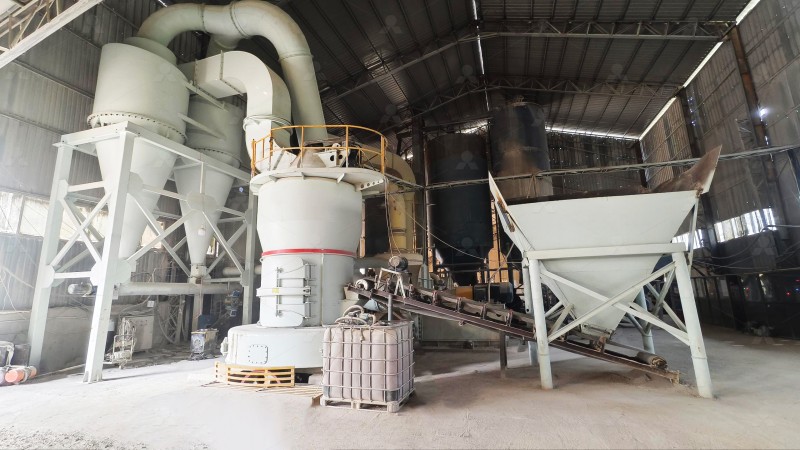
For a production scale common in medium to large Kenyan talc processing plants (e.g., 0.5 to 18 tons per hour), a dedicated solution is needed. Our MW Ultrafine Grinding Mill is specifically engineered for this application.
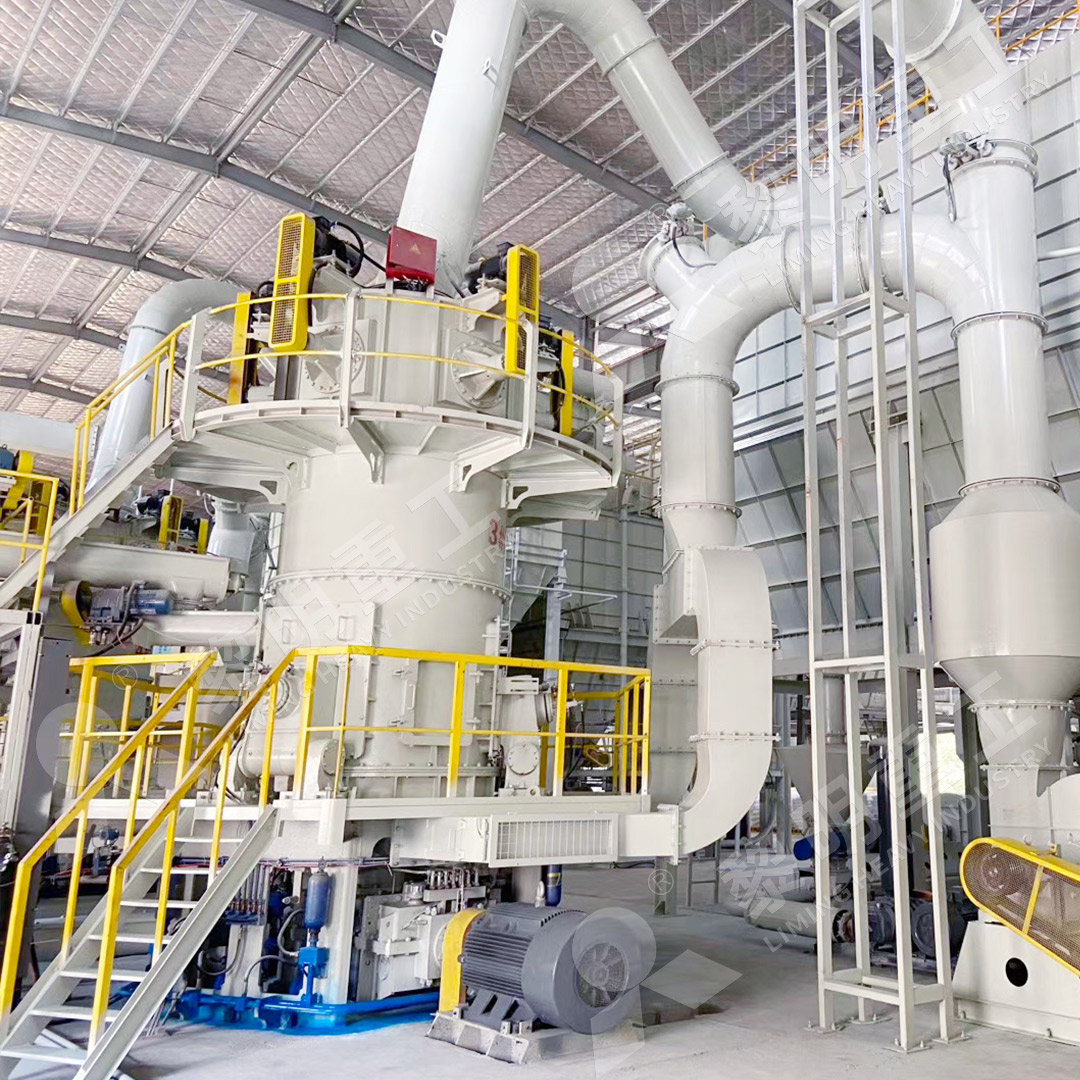
For operations targeting a significant output of 5 to 18 tph with an input size of 0-10 mm, the LUM Ultrafine Vertical Grinding Mill is the premier choice. It integrates the latest Taiwan grinding roller technology and German powder separating technology, ensuring a d97≤5μm capability which is exceptional for premium rubber masterbatches.
Key Features for Talc Processing in the Kenyan Context
When evaluating an industrial pulverizer, certain features directly impact your bottom line in Kenya.
- No Rolling Bearing or Screws in the Grinding Chamber: Traditional mills suffer downtime when screws loosen or bearing seals fail due to fine talc dust. The MW Ultrafine Grinding Mill eliminates this, providing worry-free operation and 24-hour continuous production. This is critical for meeting large export orders of rubber-grade talc.
- Pulse Dust Collector & Muffler: Kenyan environmental regulations are tightening. A mill equipped with an efficient pulse dust collector ensures zero dust pollution. This not only protects worker health but also guarantees that product yield is maximized (fine talc dust is not lost to the atmosphere).
- Adjustable Fineness (325-2500 Mesh): The ability to switch between producing a 325 mesh product for general rubber goods and a 1250 mesh product for high-performance seals, without changing machine parts, offers incredible operational flexibility.
- Lower Energy Consumption: The newly designed grinding curves in the MW mill boost production capacity by 40% compared to jet mills, while system energy consumption is only 30% of a jet mill. In a country where energy costs are a primary concern, this is a game-changer.
Implementation Strategy: From Raw Ore to Finished Product
Optimizing the process involves more than just the pulverizer. It requires a system approach.
- Primary Crushing: Use a jaw crusher or hammer crusher to reduce run-of-mine talc to an input size of 0-20 mm. This is the ideal feed for the MW Ultrafine Grinding Mill.
- Conveying & Feeding: Use a bucket elevator and a variable frequency drive (VFD) vibrating feeder. This ensures a uniform feed rate, which is critical for consistent particle size. A screw conveyor can be added for moisture-prone material.
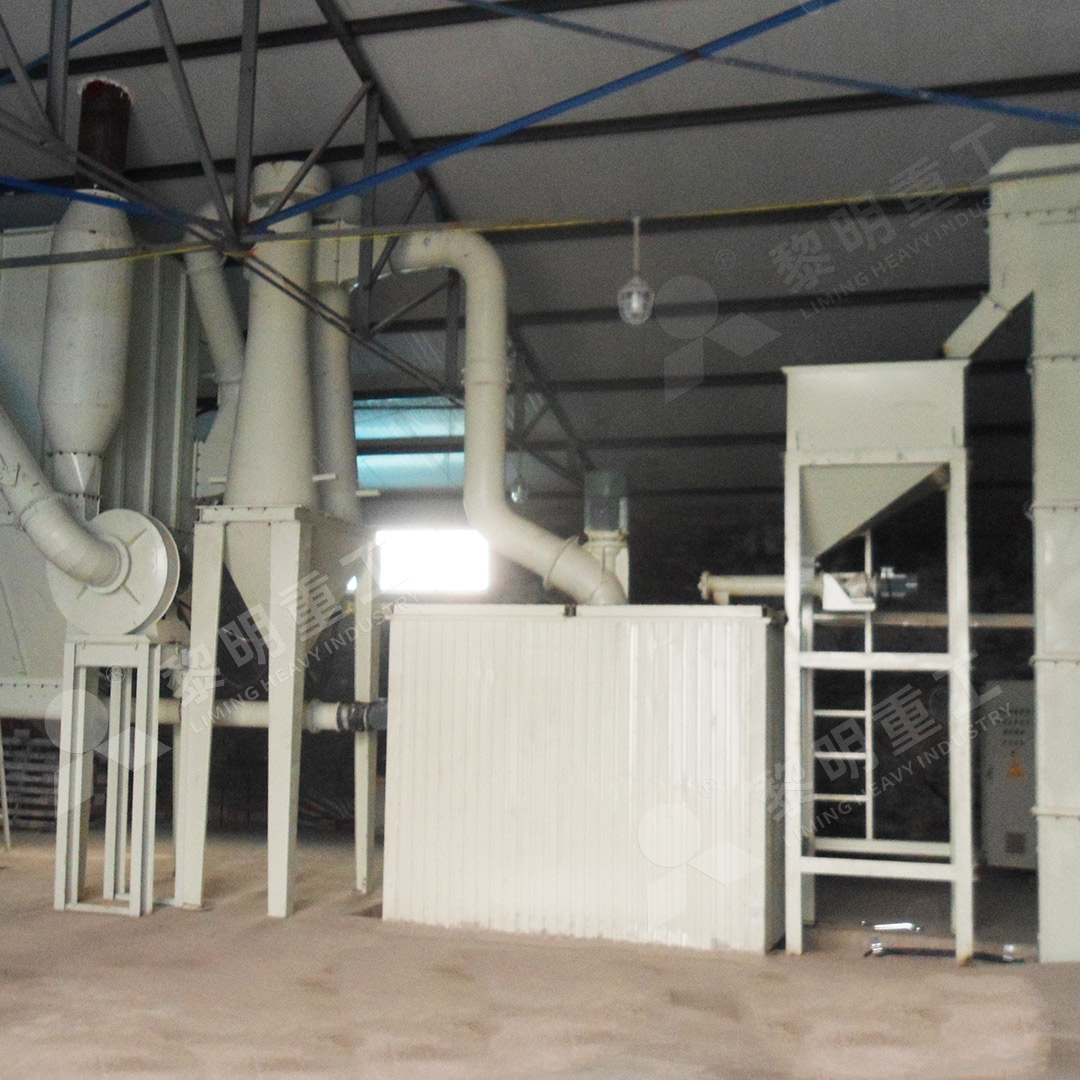
- Ultrafine Grinding: The material enters the mill where it is crushed between the rotating grinding ring and the rollers. The high-velocity air stream carries the powder to the high-efficiency cage-type classifier.
- Classification: The German-technologymulti-head powder selector ensures only particles meeting the strict d97 standard pass through. Coarse particles drop back for re-grinding. This step is the secret to high-quality rubber additive.
- Collection & Packing: The fine powder is collected in a cyclone and pulse dust collector. The final product is then conveyed to automatic packing machines for bagging.
This closed-loop system minimizes material loss and ensures a clean, dry, ultra-fine powder.
Economic & Operational Benefits for Kenyan Manufacturers
Investing in a modern industrial pulverizer like the MW or LUM series translates to tangible benefits:
- Reduction in Power Costs: With energy consumption being 30-50% lower than traditional systems, the monthly electricity bill for a 10 tph plant can drop by thousands of dollars.
- Increased Throughput: The MW mill yields 40% more than jet mills. For a facility running 24 hours, this means an extra 100 tons of product per week.
- Superior Product Quality: The lamellar structure preservation means your rubber clients will see better dispersion and improved mechanical properties in their final products, allowing you to command a higher price for your talc powder.
- Low Maintenance: The external lubrication system and digitalized processing (numerical control for core parts) ensure that spare parts are precise and last longer. The ‘no screw’ design in the grinding chamber prevents catastrophic failures.
Conclusion: Future-Proofing Your Talc Processing Operation
As Kenya continues to develop its manufacturing base, the local processing of minerals like talc must evolve. Relying on outdated, high-energy, low-efficiency mills will only squeeze margins. The future belongs to technology that combines high output with low operational costs and environmental stewardship.
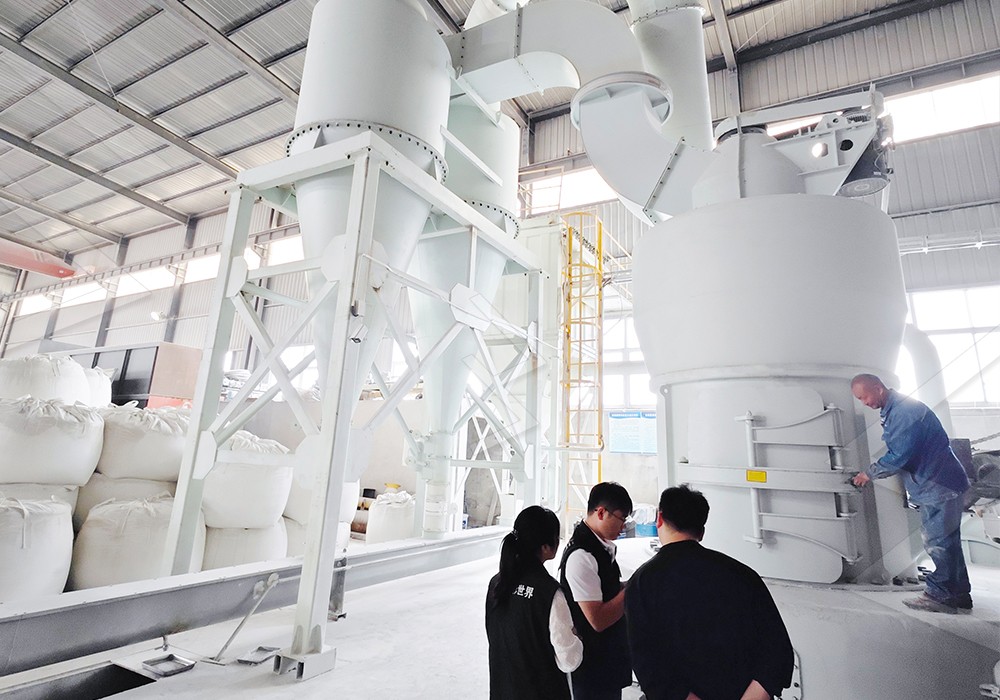
By adopting the MW Ultrafine Grinding Mill or the LUM Ultrafine Vertical Grinding Mill, you are not just buying equipment; you are investing in a system designed for the specific demands of the rubber additive industry. These mills are built to handle the abrasiveness of talc, achieve the critical ultra-fine fineness, and do so with the lowest possible energy consumption. This is the standard required to compete in the global market for high-end rubber fillers. For the Kenyan processor looking to optimize, the path is clear: upgrade to intelligent, efficient, and robust ultrafine grinding technology.
Frequently Asked Questions (FAQs)
- Q: What is the ideal fineness of talc powder for rubber applications, and can your mills achieve it? A: For most rubber applications, fineness between 800 mesh and 1250 mesh is standard. Premium grades require d97 < 10 microns. Both the MW and LUM mills are designed to achieve fineness from 325 mesh up to 2500 mesh (d97≤5μm), making them perfectly suited for this task.
- Q: How does the MW Mill reduce energy costs compared to a traditional ball mill in Kenya? A: The MW mill uses a specialized grinding curve that creates a material bed between the roller and ring. This compression grinding method is inherently more efficient than the impact grinding of a ball mill. We typically see a 30-50% reduction in energy consumption for the same output, which translates directly to lower operational costs.
- Q: Our raw talc has some moisture. Will this cause blockages in the pulverizer? A: The MW and LUM mills are designed to handle materials with moderate moisture. They operate under negative pressure with hot air (if needed) which aids in drying. However, for very high moisture (over 6%), we recommend a pre-drying step or an air-swept mill system. The grinding chamber design prevents material accumulation.
- Q: What maintenance is required for the grinding rollers and rings? A: Maintenance is straightforward. The LUM Mill features a reversible structure that allows operators to easily swing the rollers out of the body for inspection or replacement of the roller shell and liner plate, reducing downtime significantly. The MW Mill has no rolling bearings or screws in the chamber, reducing the risk of failure. The external lubricating system allows for oil changes without stopping the machine.
- Q: Can I produce different grades of talc powder (e.g., 325 mesh for low-end and 1250 mesh for high-end) on the same machine? A: Yes. The fineness is adjustable via the cage-type powder selector. By changing the rotational speed of the classifier rotor and adjusting the air volume, you can switch between different mesh sizes without changing any mechanical parts. The MW Mill offers adjustable fineness between 325 and 2500 meshes.
- Q: How does the dust collector ensure an eco-friendly operation? A: The mill is equipped with an efficient pulse jet dust collector. This system captures 99.9% of the fine talc dust, preventing it from escaping into the atmosphere. The entire milling system operates under negative pressure, ensuring zero dust spillage and a clean working environment, which is crucial for complying with Kenyan environmental standards.
- Q: What is the warranty and spare parts availability like for Kenya? A: LIMING takes responsibility for all machines produced. We maintain a sufficient supply of original spare parts and offer full technical support. Our digitalized manufacturing ensures that core parts are made with high precision, and we can ship replacement parts quickly to Nairobi or Mombasa ports to minimize downtime.
- Q: Is the operation fully automated? A: Yes, the LUM Mill utilizes a PLC control system. This allows for digital control of grinding pressure, separator speed, and feeding rate. Operations can be controlled locally or remotely, making it easy to operate and ensuring consistent product quality with minimal manual intervention.