
How to optimize talc processing with industrial pulverizer for paint filler in uae
Understanding Talc Processing for Paint Applications in the UAE
The paint industry in the UAE has seen significant growth over the past decade, driven by booming construction, infrastructure projects, and automotive sectors. Talc, as a functional filler, plays a critical role in paint formulations. It improves opacity, enhances durability, provides better rheological control, and reduces production costs. However, the effectiveness of talc in paint heavily depends on its particle size distribution, purity, and whiteness. This is where the choice of an industrial pulverizer becomes a decisive factor for manufacturers.
In this article, we will explore how to optimize talc processing using advanced industrial grinding mills, specifically focusing on the needs of paint filler production in the UAE. We will cover raw material handling, grinding parameters, powder classification, quality control, and environmental compliance. Additionally, we will introduce relevant equipment from LIMING Heavy Industry that can elevate your talc processing line to new levels of efficiency and profitability.
Why Particle Size Matters for Talc in Paint
For paint applications, talc is typically ground to a fineness ranging from 325 mesh (44 microns) down to 2500 mesh (5 microns). The finer the talc, the better its hiding power and gloss control. However, over-grinding can lead to agglomeration, increased energy consumption, and reduced throughput. The ideal scenario is to achieve a controlled, narrow particle size distribution with minimal superfine dust.
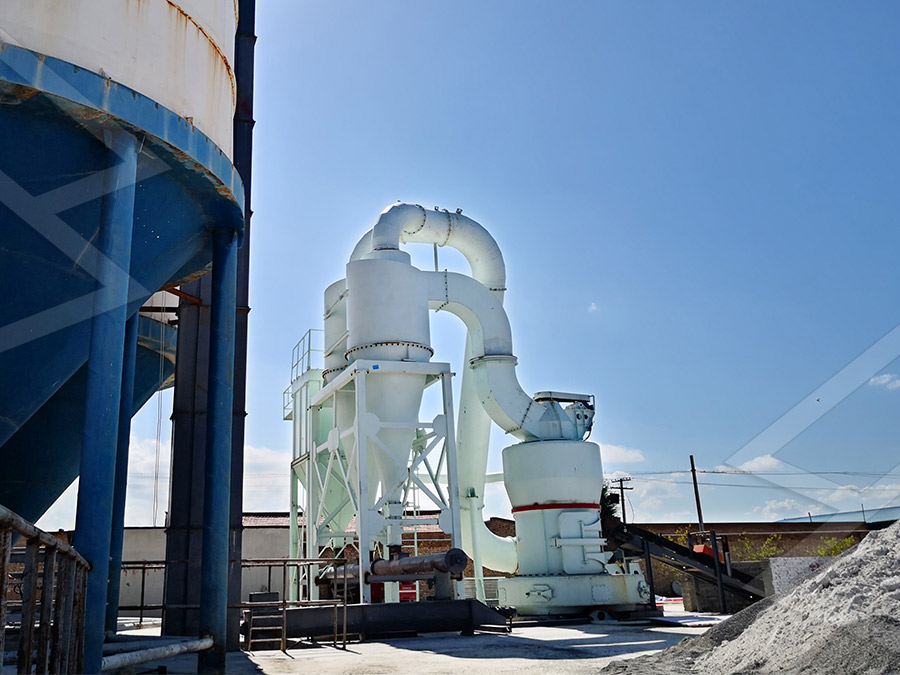
Industrial pulverizers designed for ultra-fine grinding, such as the MW Ultrafine Grinding Mill and the LUM Ultrafine Vertical Grinding Mill, offer adjustable fineness between 325 and 2500 meshes. This flexibility allows paint manufacturers to tailor the talc powder to specific paint systems—whether it is a matte interior paint, a high-gloss automotive coating, or an industrial anti-corrosive primer.
When selecting a pulverizer for talc processing, you should consider feed size, moisture content, hardness (Mohs scale 1 for talc), and desired throughput. Talc is soft and friable, which means it can be ground efficiently without excessive wear on mill components. However, impurities like dolomite or quartz can cause abrasion, so choosing a mill with robust wear protection is essential.
Key Factors in Optimizing Talc Grinding
Let us break down the critical parameters that affect the performance of an industrial pulverizer when milling talc for paint fillers.
1. Feed Size and Pre-Crushing
Talc ore extracted from quarries in the UAE or imported from regions like Afghanistan or China often comes in lumps up to 200 mm. Before feeding into an ultrafine grinding mill, the material must be reduced to a manageable size. For the MW Ultrafine Grinding Mill, the maximum input size is 20 mm. A jaw crusher or hammer crusher stationed before the mill ensures consistent feed, protecting the grinding chamber from oversized particles and reducing energy consumption.
2. Grinding Pressure and Speed
The grinding pressure applied by rollers or rings directly affects the fineness and capacity. For talc, moderate pressure is sufficient due to its softness. Higher speeds can increase throughput but may generate excessive heat, affecting the talc’s brightness. Modern mills like the LUM Ultrafine Vertical Grinding Mill feature hydraulic pressure adjustment systems that allow operators to dial in the exact pressure required, ensuring stable operation without compromising product quality.
3. Airflow and Classification Efficiency
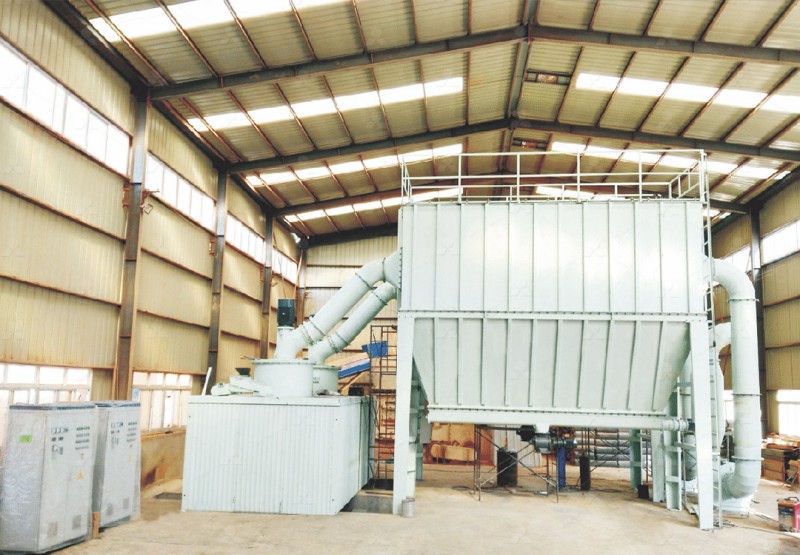
In a closed-circuit grinding system, the classifier plays a pivotal role in separating fine particles from coarse ones. The MW Ultrafine Grinding Mill employs a cage-type powder selector based on German technology. It ensures that only particles meeting the target fineness exit the mill, while oversize material returns for further grinding. This reduces over-grinding and maximizes yield. For paint filler applications, achieving d97 ≤ 5 μm in a single pass is possible, which significantly simplifies the downstream process.
4. Moisture Control
Talc often contains inherent moisture from mining, typically between 2% and 8%. If not managed properly, moisture can cause clogging in the mill and reduce classification efficiency. The LUM Ultrafine Vertical Grinding Mill can handle materials with up to 15% moisture by incorporating hot air into the grinding chamber. The hot air evaporates moisture during the grinding process, producing dry powder ready for packaging. For UAE operations, where ambient humidity is low, this feature might not be critical, but it becomes valuable when processing imported talc with higher moisture content.
5. Wear and Maintenance
One major advantage of modern industrial pulverizers is the reduced need for maintenance. The MW Ultrafine Grinding Mill has no rolling bearings or screws inside the grinding chamber, eliminating common failure points. The lubricating device is installed externally, allowing for 24-hour continuous operation without shutdown for greasing. For paint filler producers running three shifts, this reliability translates directly into higher annual production capacity.
Comparing MW Ultrafine Grinding Mill and LUM Ultrafine Vertical Grinding Mill for Talc
Both the MW Ultrafine Grinding Mill and the LUM Ultrafine Vertical Grinding Mill are excellent choices for talc processing, but they have distinct characteristics.
The MW Ultrafine Grinding Mill is ideal for operations requiring very high fineness (up to 2500 mesh) with moderate capacities (0.5–25 tph). It features a multi-stage grinding chamber where material passes through multiple turnplates, ensuring thorough grinding. The yield is 40% higher than jet mills, and energy consumption is only 30% of that of a jet mill. For paint manufacturers who need ultra-fine talc for specialty coatings, this mill is a workhorse.
On the other hand, the LUM Ultrafine Vertical Grinding Mill offers capacities from 5 to 18 tph with a compact vertical design. It integrates grinding, classifying, and drying in one unit. The roller shell and lining plate are designed to create a stable material bed, which prevents vibration and ensures smooth operation. The double position-limiting technology protects the mill from destructive impacts, making it suitable for continuous industrial use.
If your primary goal is to produce standard paint filler (800–1250 mesh) at high volume with minimal maintenance, the LUM Ultrafine Vertical Grinding Mill is likely the better fit. If you need to push the boundaries of fineness for high-end paint applications, the MW Ultrafine Grinding Mill delivers unmatched precision.
Environmental and Operational Considerations in the UAE
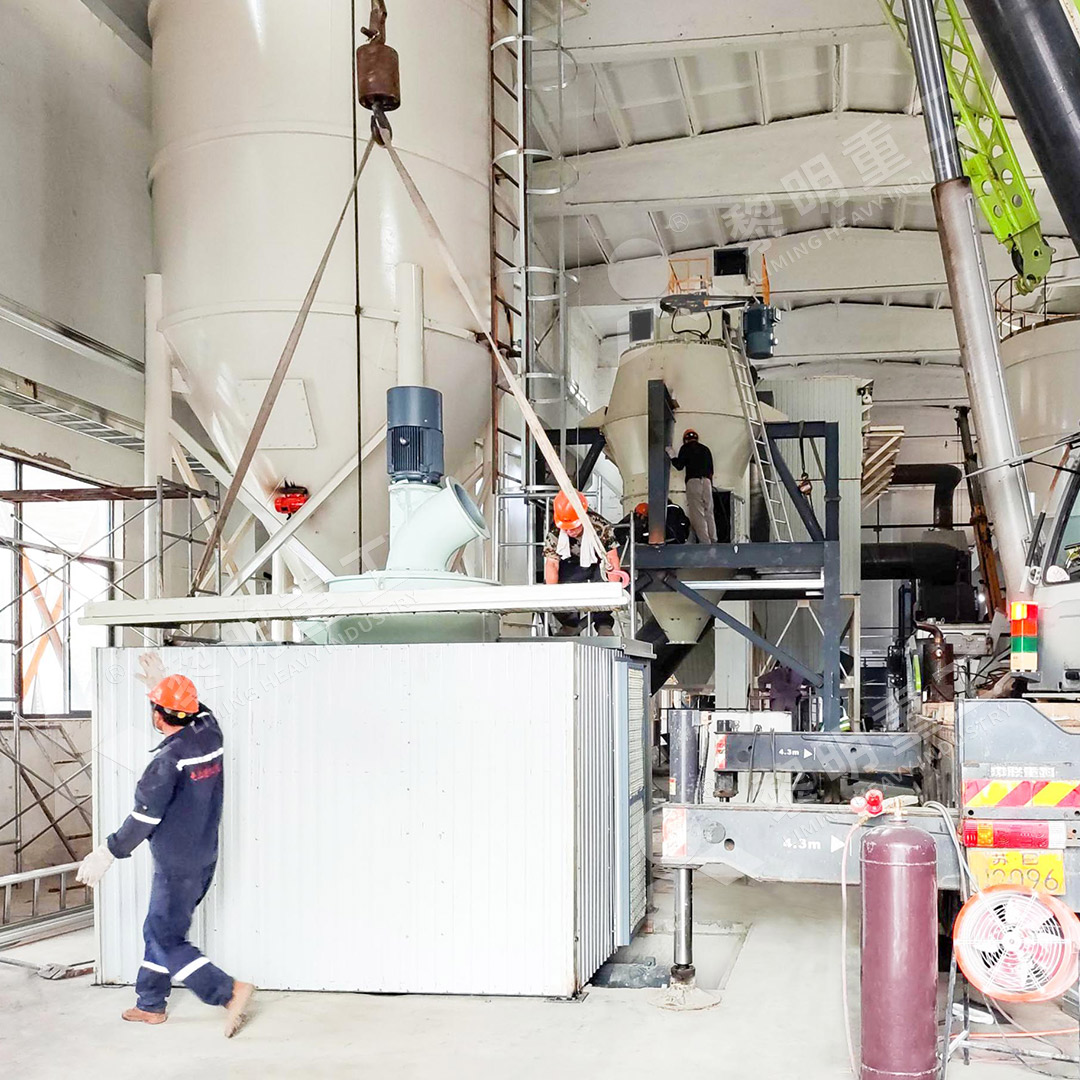
The UAE has strict environmental regulations regarding dust emissions and noise levels, especially for industrial facilities operating near residential areas or free zones. Both the MW and LUM mills come equipped with efficient pulse dust collectors. The MW Ultrafine Grinding Mill has a silencer and noise elimination room, bringing noise levels below permissible limits. The entire grinding system operates under negative pressure, ensuring no dust escapes into the environment.
For paint filler producers, this means compliance with UAE Federal Law No. 24 of 1999 for environmental protection, as well as local municipal standards. It also creates a safer working environment for operators, reducing the risk of respiratory issues associated with talc dust.
Practical Steps to Implement Talc Processing Optimization
To truly optimize your talc processing line, follow these steps:
- Conduct a raw material analysis: Test your talc ore for hardness, moisture, and impurity levels. This data will guide your equipment selection and parameter settings.
- Choose the right primary crusher: If your feed size exceeds 20 mm, install a hammer crusher or jaw crusher to reduce it. This prevents damage to the grinding mill and improves efficiency.
- Set up a pre-classification system: Use a vibrating screen to remove oversized material before entering the mill. This reduces the load on the pulverizer.
- Calibrate the classifier: Adjust the rotor speed of the powder selector to achieve the target particle size. For paint filler, 800 mesh (15 microns) is common, but check customer specifications.
- Monitor product quality in real time: Install an online particle size analyzer to track fineness. Adjust grinding pressure and airflow immediately if deviations occur.
- Implement a preventive maintenance schedule: Even though the MW and LUM mills require minimal maintenance, regular checks on the pulse collector bags, seals, and lubrication system will prevent unplanned downtime.
- Optimize energy consumption: Use variable frequency drives on the main motor and blower. The energy savings can be substantial—up to 40% compared to ball mills.
Why LIMING Heavy Industry Stands Out
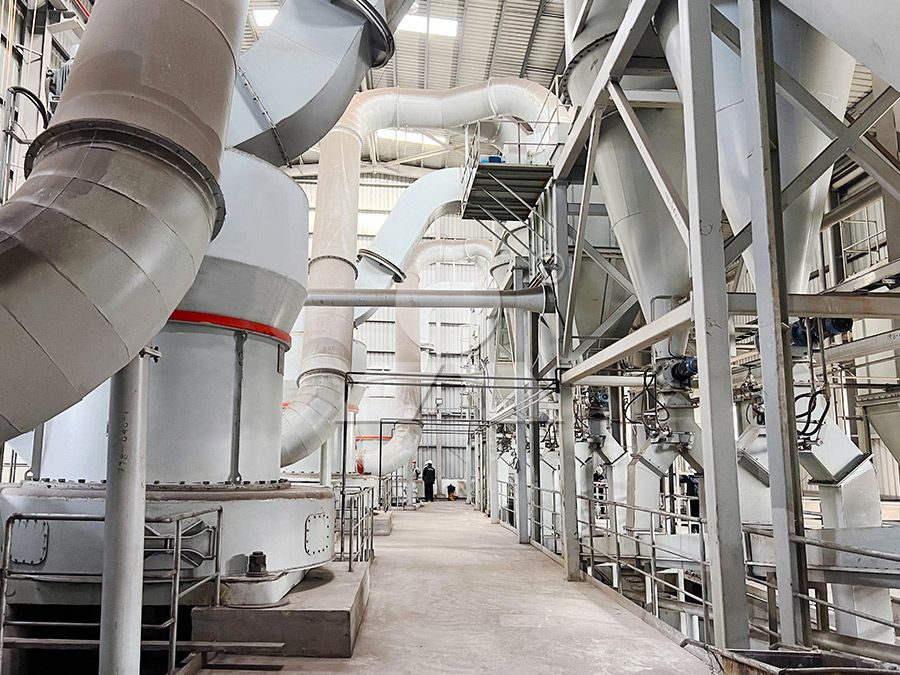
The equipment provided by LIMING Heavy Industry is built with digitalized processing and precision machining. Steel plates are cut, bent, planed, and milled using numerical control machines, ensuring consistent quality across all core parts. Spare parts are readily available, and the company offers technical support to guarantee worry-free operation. Whether you choose the MW Ultrafine Grinding Mill or the LUM Ultrafine Vertical Grinding Mill, you are investing in a machine designed to deliver high yields, low energy consumption, and excellent product quality.
FAQs
1. What fineness of talc is typically required for paint filler?
For paint filler applications, talc is usually ground to between 325 mesh (44 microns) and 1250 mesh (10 microns). For high-end automotive or industrial coatings, fineness up to 2500 mesh (5 microns) may be required.
2. Can the MW Ultrafine Grinding Mill handle talc with high moisture content?
The MW Ultrafine Grinding Mill is best suited for materials with low moisture content. If your talc has more than 8% moisture, consider using a drying system before the mill or opt for the LUM Ultrafine Vertical Grinding Mill, which can handle up to 15% moisture by integrating hot air during grinding.
3. How does the LUM Ultrafine Vertical Grinding Mill reduce energy consumption compared to ball mills?
The LUM mill reduces energy consumption by 30% to 50% compared to traditional ball mills. This is achieved through its efficient grinding mechanism, integrated classification, and optimized airflow, which minimizes over-grinding and wasted power.
4. What is the typical capacity range for talc processing using these mills?
The MW Ultrafine Grinding Mill has a capacity range of 0.5 to 25 tph, depending on fineness and material characteristics. The LUM Ultrafine Vertical Grinding Mill offers capacities between 5 and 18 tph. For larger volumes, other models in the LIMING portfolio can be considered.
5. Are these mills suitable for continuous 24-hour operation in the UAE climate?
Yes. Both the MW and LUM mills are designed for heavy-duty industrial use. The MW mill features an external lubrication system that allows non-stop operation, while the LUM mill has reversible structure for easy maintenance without long shutdowns. They are built to withstand the heat and dust conditions typical in the UAE.
6. Does the grinding process affect the whiteness of talc?
When using LIMING mills, the iron content in the final product is very low because the grinding rollers and rings do not contact directly. This minimizes mechanical wear contamination, preserving the natural whiteness of talc. Both the MW and LUM mills are designed to maintain high purity levels.
7. What after-sales support does LIMING provide for customers in the UAE?
LIMING offers full technical support, including installation guidance, commissioning, operator training, and a reliable supply of original spare parts. Their digitalized processing ensures that replacement parts are manufactured to exact specifications, minimizing downtime.